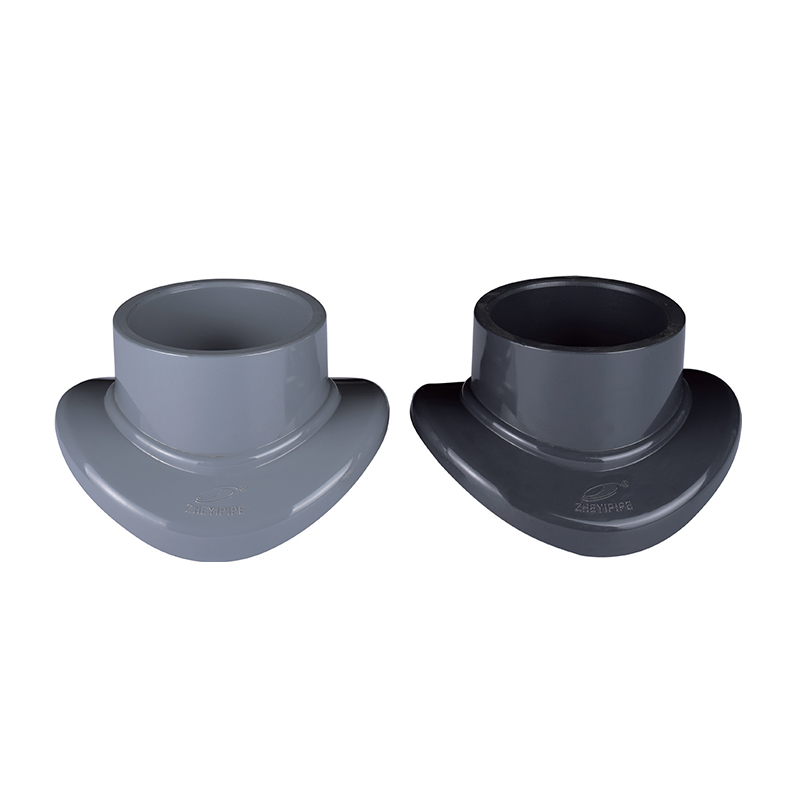
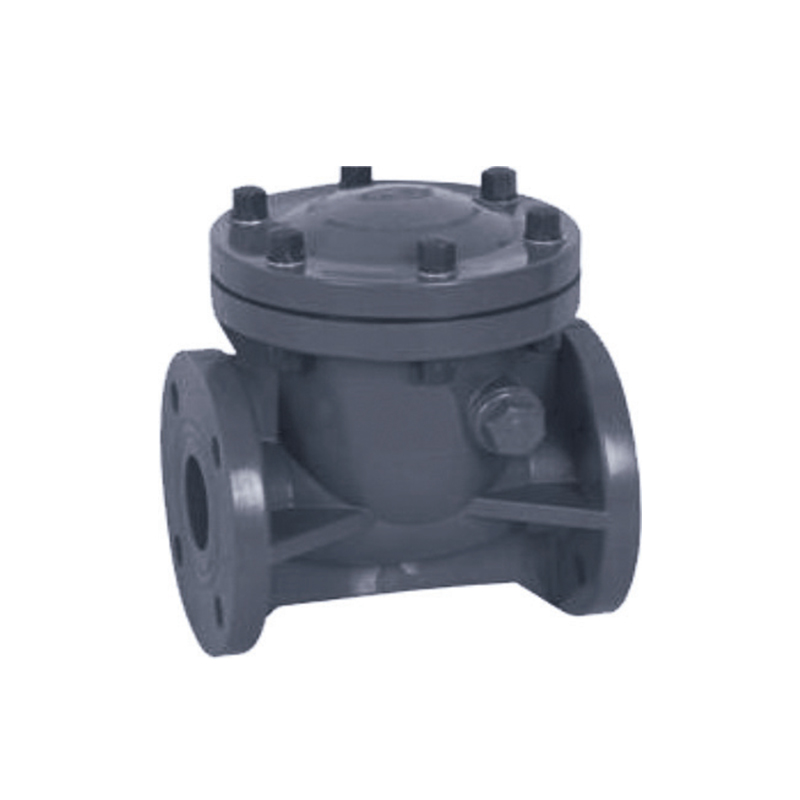
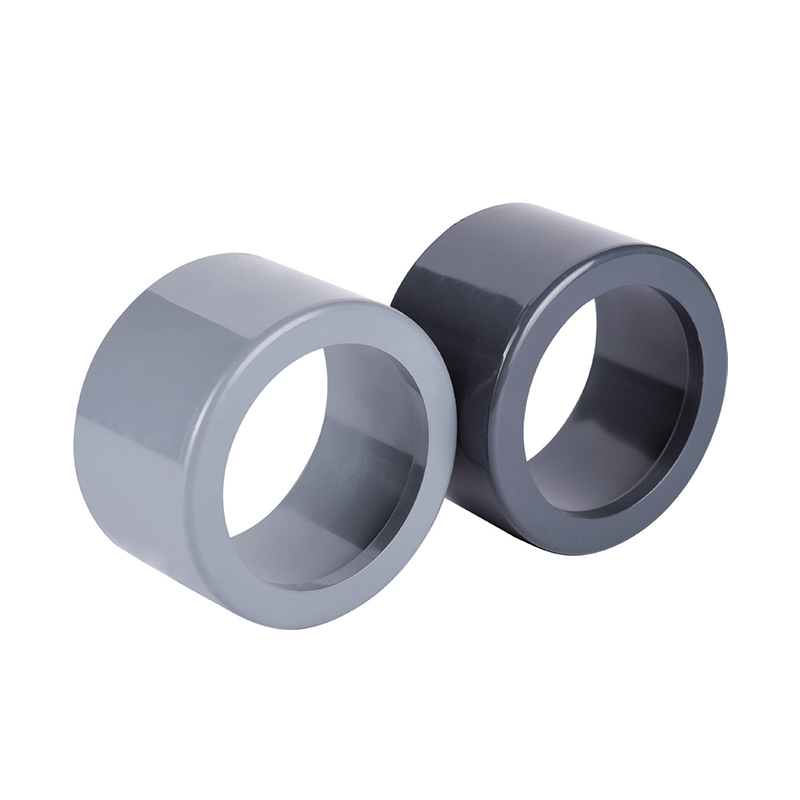
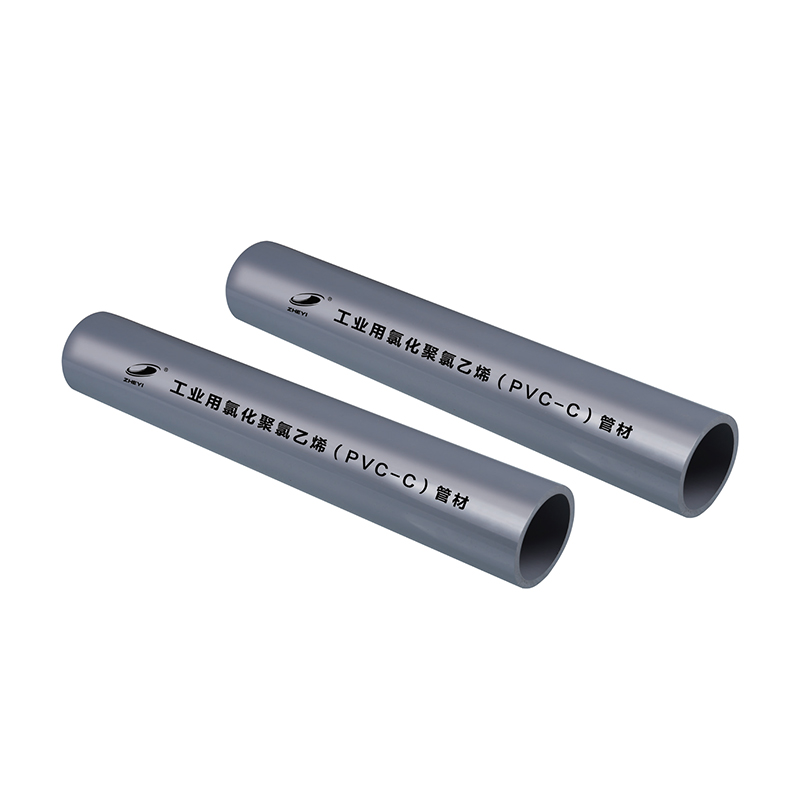
ZHEYI Group, established in 2007, is a national high-tech enterprise specializing in the R&D, manufacturing, and technical service of industrial CPVC and UPVC pipeline systems. With major production bases in Jiaxing (Nanyi Pipeline) and Wuhan, we operate under ISO9001, ISO14001, and ISO45001 certifications, holding over 50 independent intellectual property rights. By integrating advanced raw materials and management systems from Germany and America, ZHEYI provides specialized solutions for metallurgy, semiconductor, and nuclear power industries. In high-pressure chemical transport, the 3 4 cpvc fittings utilized must withstand rigorous thermal and oxidative stress. Understanding the molecular degradation of Chlorinated Polyvinyl Chloride (CPVC) is essential for maintaining system integrity and preventing catastrophic leaks in hazardous fluid environments.
Molecular Degradation and Why CPVC Becomes Brittle Over Time
The transition from a ductile to a brittle state in 3 4 cpvc fittings is primarily a result of dehydrochlorination and chain scission at the molecular level. When exposed to continuous thermal loads exceeding 80°C, the polymer chains may undergo oxidative induction, leading to a loss of plasticizer and increased crystallinity. This CPVC chemical aging process reduces the material's impact strength, making it susceptible to crack initiation. Furthermore, UV degradation of CPVC fittings in outdoor industrial racks can accelerate surface micro-cracking, which acts as a stress concentrator. Engineers must monitor the color change in aging CPVC, as a transition toward deep orange or brown often indicates significant loss of the original chlorine content and a reduction in the material's structural elasticity.
Chemical Incompatibility and Environmental Stress Cracking (ESC)
A leading cause of premature failure in industrial CPVC pipelines is Environmental Stress Cracking (ESC). This occurs when 3 4 cpvc fittings come into contact with incompatible secondary chemicals, such as certain esters, ketones, or phthalate-based plasticizers found in unauthorized thread sealants or fire-stop materials. The chemical compatibility of 3/4 CPVC fittings is critical; even trace amounts of incompatible oils can migrate into the polymer matrix, weakening the intermolecular bonds under mechanical stress. To prevent this, ZHEYI Group utilizes unique raw materials that enhance the ESC resistance of CPVC components. Evaluating how to prevent CPVC solvent cement failure is also vital, as excessive primer application can soften the fitting wall, leading to localized thinning and eventual rupture under surge pressures.
Mechanical Stress Factors and Thermal Expansion Mitigation
The mechanical stress on 3/4 CPVC fittings is often exacerbated by improper support spacing or rigid anchoring that does not account for thermal expansion. CPVC has a coefficient of linear thermal expansion of approximately 0.000067 m/m/°C. Without proper expansion loops, the tensile stress on CPVC socket joints can exceed the material's yield strength during thermal cycling. Additionally, water hammer effects in CPVC systems can generate instantaneous pressure spikes that shatter embrittled fittings. Utilizing ASTM F439 schedule 80 CPVC fittings ensures a higher wall thickness, providing a safety factor against these dynamic loads. In ultra-pure water and electronic grade water applications, maintaining a Ra surface finish of the internal bore below 0.8 um is also essential to prevent biofilm accumulation and localized stress corrosion.
| Property Metric |
Standard CPVC (Schedule 80) |
ZHEYI Industrial Grade CPVC |
| Tensile Strength (MPa) |
50 - 55 |
58 - 62 (ASTM D638) |
| Heat Deflection Temp (0.45 MPa) |
103°C |
110°C - 115°C |
| Impact Strength (Izod, J/m) |
80 - 100 |
120 - 150 |
| Coefficient of Thermal Expansion |
6.7 x 10^-5 |
6.2 x 10^-5 (Optimized) |
| Internal Ra Surface Finish (um) |
Less than 1.6 |
Less than 0.8 (Precision Molded) |
Preventative Maintenance and Industrial Installation Standards
To ensure sustainable development of industrial piping, ZHEYI Group recommends a comprehensive inspection protocol. This includes ultrasonic testing for CPVC wall thickness and visual checks for "crazing"—micro-cracks that precede visible failure. Understanding how to install 3/4 CPVC fittings correctly involves using only compatible lubricants and thread tapes (PTFE-based). For acid and alkali liquid transportation, the selection of the correct solvent cement, such as heavy-bodied orange cement for Schedule 80, is non-negotiable. By adhering to the core values of "Excellence and Integrity," ZHEYI Group continues to set the benchmark for China non-metallic pressure pipelines, providing the metallurgy, lithium, and pharmaceutical sectors with reliable, high-performance fluid handling solutions.
Industrial Hardcore FAQ
Q1: Why is Schedule 80 preferred over Schedule 40 for 3/4 CPVC fittings?
A1: Schedule 80 has a significantly thicker wall, which provides a higher pressure rating (typically 480 PSI at 23°C for 3/4 inch) and better resistance to mechanical impact and thermal stress compared to the thinner Schedule 40.
Q2: Can I use standard pipe dope on CPVC threads?
A2: No. Many standard pipe dopes contain petroleum-based oils that cause Environmental Stress Cracking (ESC) in CPVC. Only use sealants explicitly labeled as compatible with CPVC or high-quality PTFE tape.
Q3: How does temperature affect the pressure rating of 3 4 cpvc fittings?
A3: The pressure rating must be de-rated as temperature increases. At 82°C (180°F), the pressure capacity of CPVC is reduced to 25 percent of its 23°C rating. Failure to account for this de-rating is a common cause of premature rupture.
Q4: Is ZHEYI CPVC suitable for ultra-pure water (UPW) in semiconductors?
A4: Yes. Our high-purity CPVC resins and specialized molding processes ensure low leachability of TOC, silica, and ions, meeting the stringent electronic grade water requirements.
Q5: What is the expected service life of 3/4 CPVC fittings in industrial chemical use?
A5: When designed and installed according to ISO and ASTM standards, and operated within specified temperature/pressure envelopes, the service life can exceed 25 to 50 years. However, chemical concentration and UV exposure can shorten this duration.
Technical References
- ASTM F439 - Standard Specification for Chlorinated Poly(Vinyl Chloride) (CPVC) Plastic Pipe Fittings, Schedule 80.
- ISO 15493 - Plastics piping systems for industrial applications - Acrylonitrile-butadiene-styrene (ABS), unplasticized poly(vinyl chloride) (PVC-U) and chlorinated poly(vinyl chloride) (PVC-C).
- ASTM D2846 - Standard Specification for Chlorinated Poly(Vinyl Chloride) (CPVC) Plastic Hot- and Cold-Water Distribution Systems.
 +86-15258772971
 dinys009@163.com
 English
 한국어
한국어 Español
 عربى
عربى