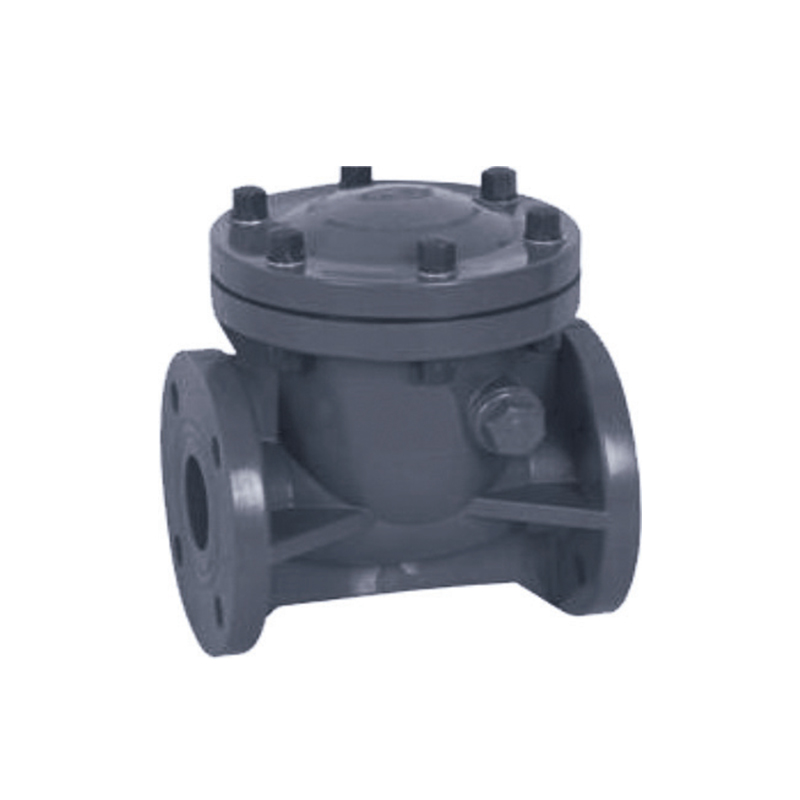
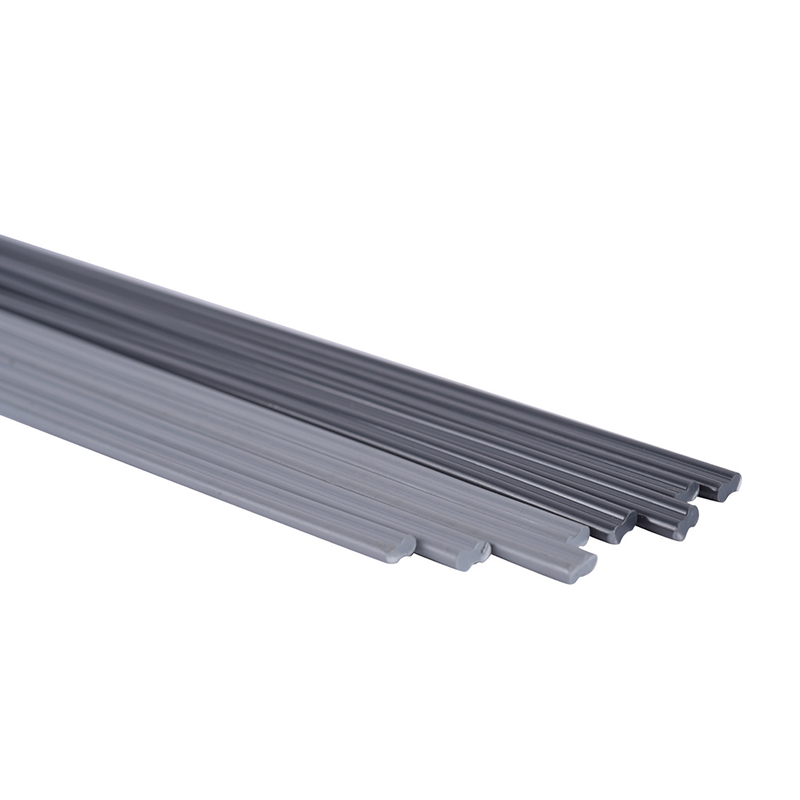
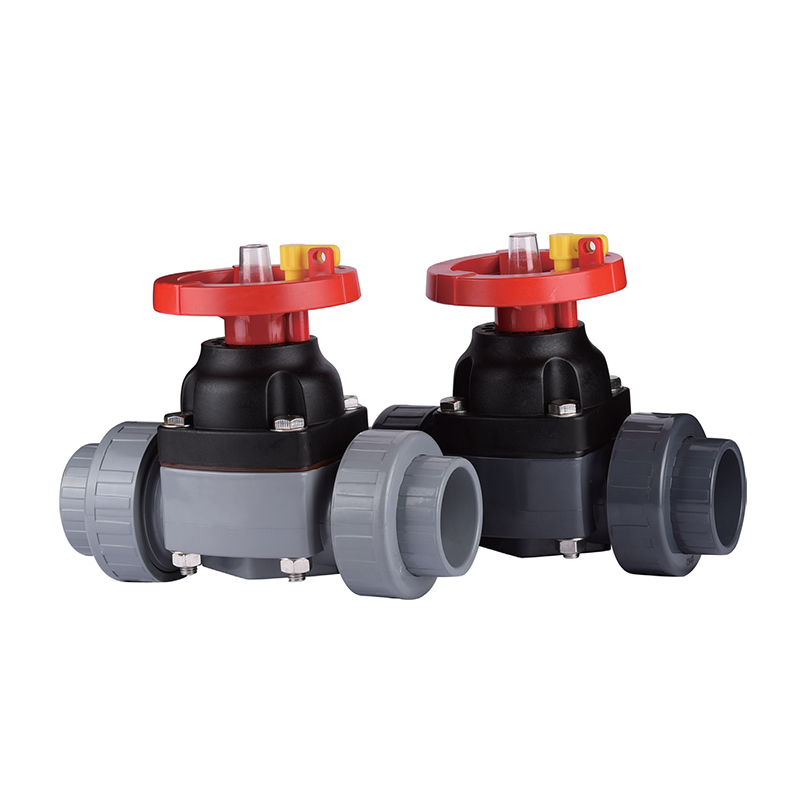
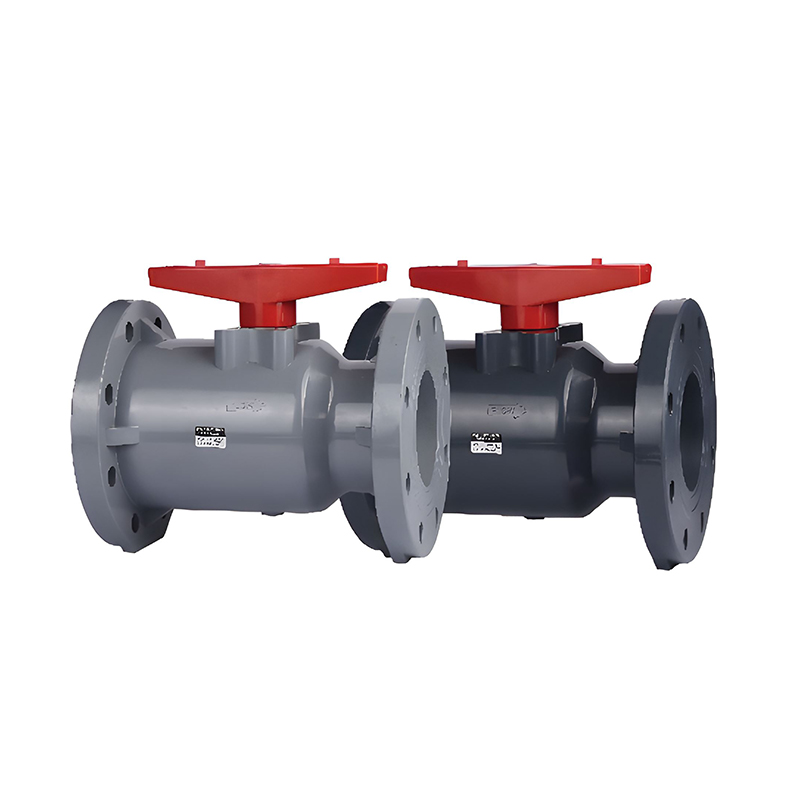
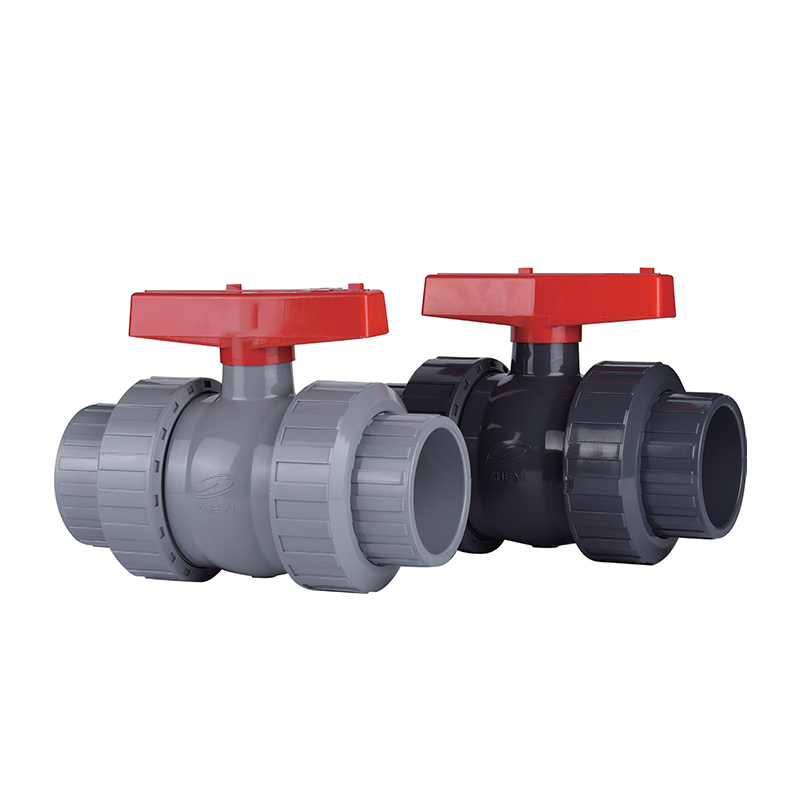
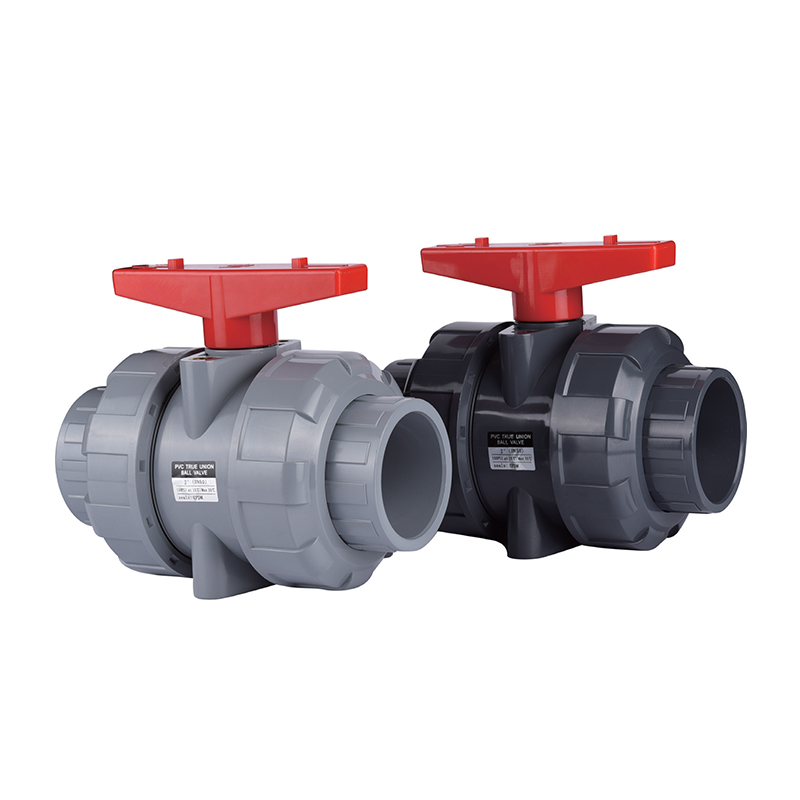
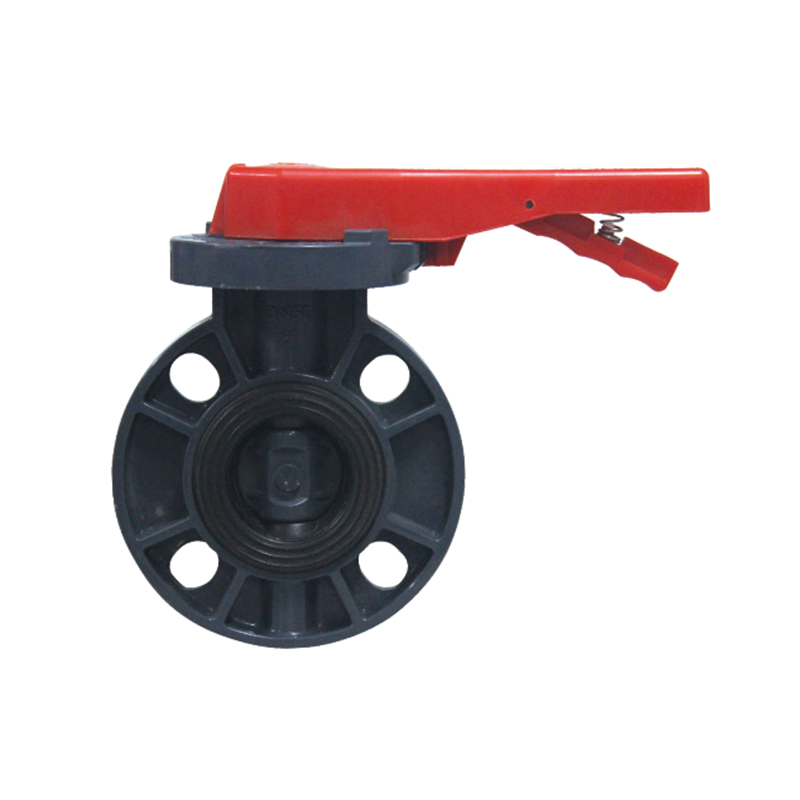
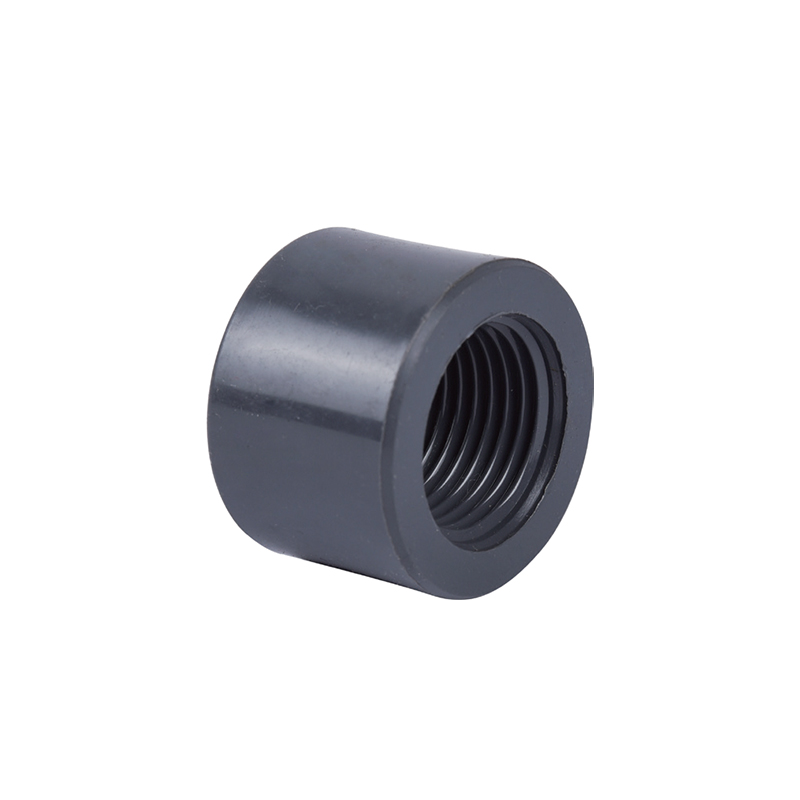
In the engineering of modern fluid transport, the u pvc valve (Unplasticized Polyvinyl Chloride) serves as a critical component for regulating flow in municipal and industrial drinking water infrastructures. Unlike metallic alternatives, UPVC is immune to electrochemical corrosion, but its application in potable water requires strict adherence to toxicological and mechanical standards. This analysis examines the drinking water safety certifications for u pvc valve and the physical property requirements necessary to ensure long-term hydraulic stability and non-toxicity.
Toxicological Compliance and Material Purity Standards
The primary concern in drinking water applications is the leaching of heavy metals, stabilizers, or residual vinyl chloride monomers (VCM). A high-performance u pvc valve must comply with NSF/ANSI 61 for potable water components or equivalent regional standards like the Zhejiang Province water-related products sanitary license. These certifications guarantee that the material does not impart taste, odor, or harmful concentrations of chemicals into the water stream. Furthermore, the lead-free stabilizers in u pvc valve production are mandatory to meet modern environmental regulations, ensuring that the fluid remains "electronic grade" in terms of purity.
ZHEYI Group, founded in 2007, is a national high-tech enterprise specializing in the R&D and manufacturing of industrial pipelines. With bases in Jiaxing (East China) and Wuhan (Central China), we integrate advanced technology from Germany and America into our ISO9001-certified management system. Our u pvc valve products have obtained the necessary sanitary license approval documents and conform to ISO 14001 environmental management standards. Serving industries from lithium and semiconductors to food and medicine, ZHEYI Group ensures that every valve supports the "Excellence and Integrity" core values required for national and international brand benchmarking.
| Technical Metric |
Potable Water Standard |
Engineering Significance |
| Material Certification |
NSF/ANSI 61 / WRAS |
Ensures non-toxic leaching and chemical safety |
| Pressure Rating |
PN10 / PN16 (ISO 16135) |
Defines maximum allowable operating pressure |
| VCM Residue |
Less than 2.0 mg/kg |
Prevents carcinogenic monomer migration |
Mechanical Integrity and Hydraulic Performance Metrics
Beyond hygiene, the pressure rating of u pvc valve for water supply must be verified through rigorous hydrostatic testing. According to ISO 16135 for industrial valves, a UPVC ball or butterfly valve must maintain structural integrity under continuous pressure at 20°C for a design life of 50 years. The tensile strength of u pvc valve bodies is typically rated at 50-55 MPa, providing sufficient resistance against water hammer and thermal expansion in industrial water treatment environments. Proper torque requirements for u pvc ball valves are also essential to prevent stem shear during automated actuation in photovoltaic or nuclear power facilities.
- Seal Material Compatibility: Utilizing EPDM vs FPM seals for drinking water; EPDM is typically preferred for potable water due to its excellent resistance to aging and ozone.
- Dimensional Precision: Adhering to ASTM D1784 cell classification for rigid PVC compounds to ensure uniform wall thickness and Ra surface finish.
- UV Resistance: Incorporating titanium dioxide in u pvc valve formulations to mitigate polymer degradation in outdoor installations.
How does temperature affect the pressure rating of u pvc valve?
Temperature is a decisive factor in plastic pipeline engineering. The temperature-pressure derating of u pvc valve dictates that as the fluid temperature rises from 20°C to 45°C, the allowable PN (Nominal Pressure) decreases significantly. For drinking water applications, which usually operate below 25°C, the valve maintains its full 1.0 MPa or 1.6 MPa rating. ZHEYI Group provides detailed hydraulic performance curves for industrial pipelines, allowing engineers in the chemical and metallurgy sectors to select the appropriate u pvc valve for acid, alkali, or ultra-pure water transport without risking mechanical failure.
Advanced Manufacturing and Quality Control Standards
The transition from a standard component to a high-tech industrial u pvc valve involves precision tooling and high-purity raw materials. ZHEYI Group utilizes unique tooling equipment from Germany to maintain dimensional stability in large-diameter valves. Our status as a Jiaxing municipal level technology center and holder of over 50 intellectual property rights reflects our commitment to innovation. By adhering to ISO 45001 for occupational health and safety, we ensure a stable production environment that translates into consistent flow coefficients (Cv) for u pvc valves, which is critical for precision dosing in pharmaceutical and electronic semiconductor industries.
| Test Category |
Standard Reference |
Technical Requirement |
| Seat Leakage |
ISO 5208 Rate A |
Zero visible leakage at 1.1x PN |
| Impact Resistance |
ASTM D2444 |
No cracking or permanent deformation at 0°C |
| Sanitary Testing |
GB/T 17219 |
Total migration of harmful substances below threshold |
Why choose u pvc valve over CPVC for potable water?
When conducting a u pvc vs cpvc valve cost-benefit analysis for drinking water, UPVC is often the more economical and efficient choice for ambient temperature systems. While CPVC offers higher heat resistance (up to 95°C), its higher material cost is unnecessary for standard 20°C water supply. The smooth bore design of u pvc valve also minimizes friction loss and bio-film accumulation, ensuring that the water quality remains consistent from the treatment plant to the consumer's tap.
FAQ
Does a u pvc valve require lead-free certification?
Yes. For drinking water applications, any component must be certified lead-free. While UPVC is a plastic, some old stabilizers used lead; modern valves use calcium-zinc or other organic stabilizers to comply with safety laws.
What is the maximum operating temperature for a u pvc valve?
The standard maximum operating temperature is 60°C. Beyond this, the material loses its structural rigidity, and CPVC or metallic valves should be considered.
Can u pvc valves be used for electronic grade water?
Absolutely. Due to their high chemical inertness and low ion leaching, high-purity UPVC valves are ideal for deionized and electronic grade water systems in the semiconductor industry.
Are these valves resistant to chlorine and chloramines?
UPVC has excellent resistance to the levels of chlorine typically found in municipal drinking water. However, high-concentration chlorine disinfection stages may require specialized EPDM seals.
What standards govern the connection ends of the valve?
Depending on the region, valves follow DIN (metric), ANSI (inch), or JIS standards to ensure compatibility with existing industrial piping systems.
Technical References
- ISO 16135: Industrial valves — Ball valves of thermoplastics materials.
- NSF/ANSI 61: Drinking Water System Components — Health Effects.
- ASTM D1784: Standard Specification for Rigid Poly(Vinyl Chloride) (PVC) Compounds.
 +86-15258772971
 dinys009@163.com
 English
 한국어
한국어 Español
 عربى
عربى