In industrial and residential fluid transportation, transitioning between dissimilar materials presents a unique set of engineering challenges. Integrating 3 4 cpvc fittings into existing copper infrastructure requires a precise understanding of thermal expansion coefficients and mechanical stress. ZHEYI Group, founded in 2007 and recognized as a national high-tech enterprise, specializes in the R&D and manufacturing of high-performance industrial pipelines. With bases in Jiaxing and Wuhan, we utilize advanced technology from Germany and America to produce 3 4 cpvc fittings that meet ISO9001 and ISO14001 standards. This guide provides an engineering-level analysis of the most reliable methods for connecting cpvc to copper pipe while ensuring long-term leak prevention and system integrity.
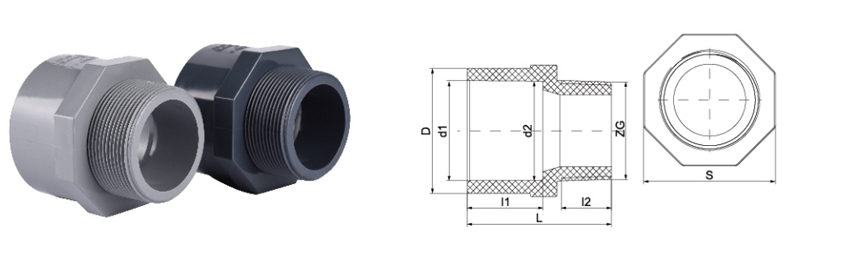
1. Utilizing Threaded Transition Adapters
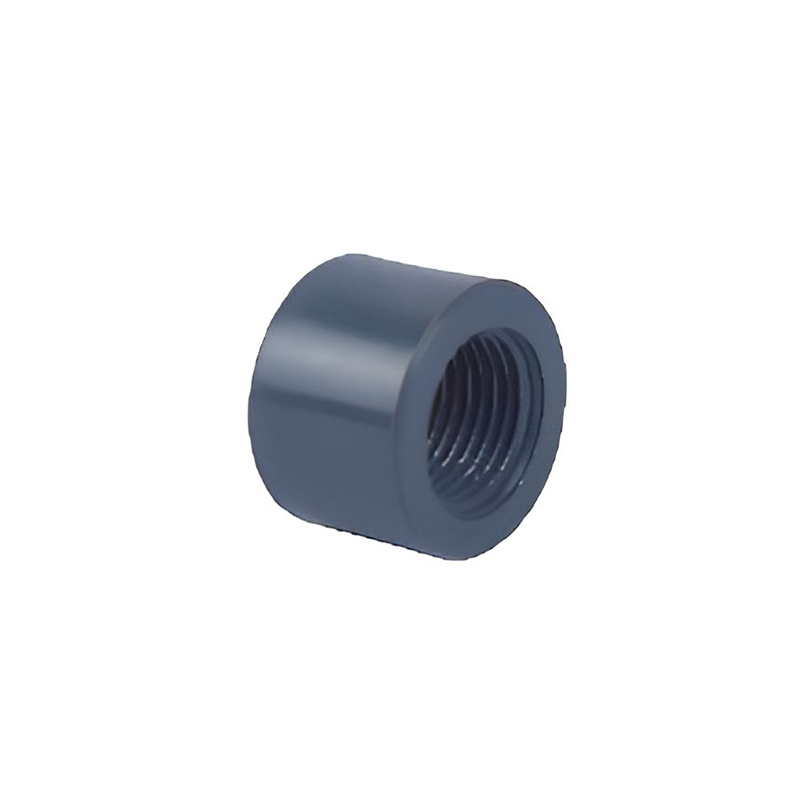
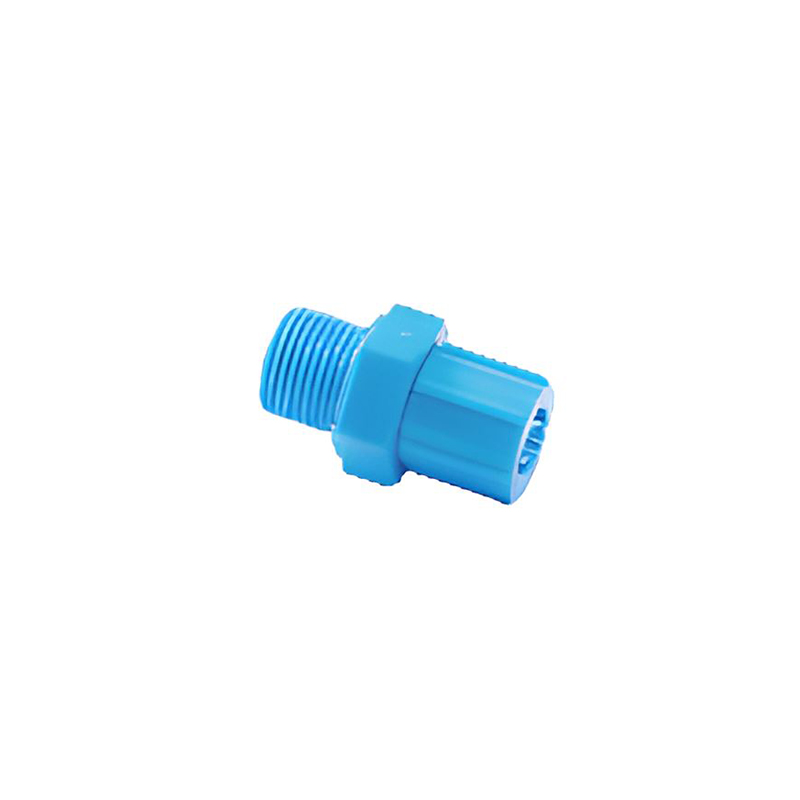
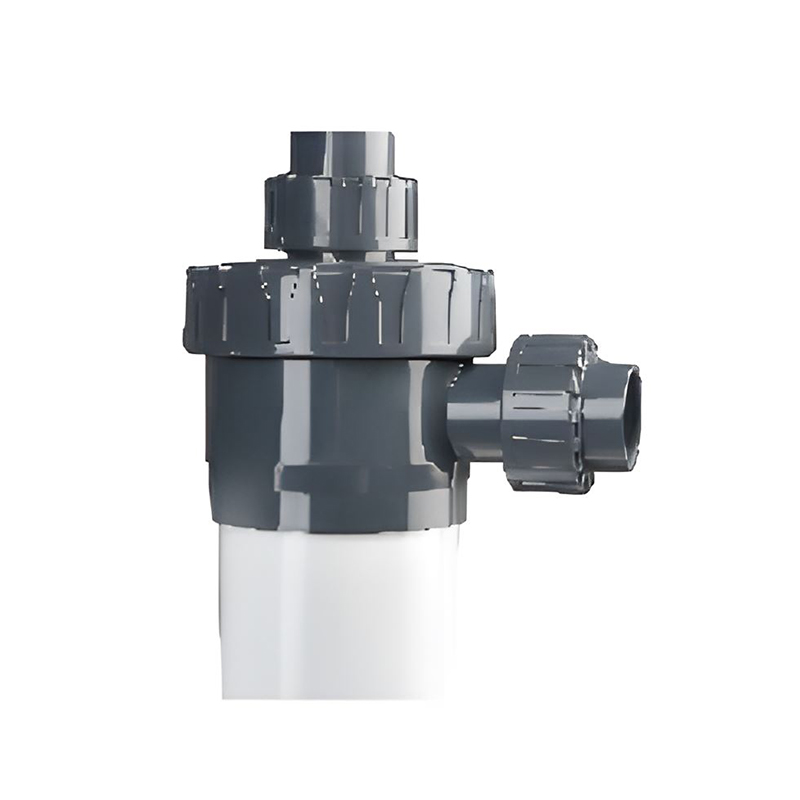
The most common and effective method involves using a cpvc female adapter with brass threads or a male equivalent. Because Chlorinated Polyvinyl Chloride (CPVC) and copper have different rates of thermal expansion, a direct plastic-to-metal threaded connection can often lead to stress cracking or weeping over time. High-quality industrial cpvc pipe transition components utilize a brass-insert design that provides the mechanical strength of metal while maintaining the chemical resistance of CPVC. While standard all-plastic threads are susceptible to cross-threading and creep, brass-reinforced transitions offer superior torque resistance and seal reliability.
Comparison: All-Plastic vs. Metal-Insert Transition Fittings
Metal-insert fittings provide a more robust mechanical seal and are less likely to fail under the thermal cycling common in industrial hot water applications.
| Feature |
Standard All-Plastic Fitting |
Brass-Reinforced 3 4 cpvc fittings |
| Thermal Stability |
Moderate (Risk of creep) |
High (Excellent dimensional stability) |
| Thread Durability |
Low (Easy to cross-thread) |
Superior (Industrial grade precision) |
| Leak Resistance |
Variable with pressure spikes |
Consistent (Designed for high pressure cpvc fittings) |
2. Mechanical Push-to-Connect and Grip Couplings
For rapid repairs or transitions in confined spaces, 3 4 cpvc fittings designed with push-to-connect technology provide a versatile solution. These couplings use a stainless steel grab ring and an EPDM O-ring to create a seal on both the copper and CPVC pipe ODs. However, engineers must verify the cpvc to copper transition temperature rating before installation, as many push-fit solutions have lower maximum operating temperatures than solvent-welded CPVC systems. In contrast to mechanical joints, solvent welding provides a molecular bond, but push-fits offer the advantage of being removable and forgiving of minor pipe misalignments.
3. Solvent Welding and Flange Connections for Industrial Scale
In heavy industrial environments, such as chemical processing or semiconductor manufacturing, ZHEYI Group recommends the use of industrial cpvc pipe transition flanges. This method involves soldering a copper flange to the copper pipe and solvent welding a CPVC flange to the CPVC line, then bolting them together with a chemical-resistant gasket. This approach eliminates the risks associated with cpvc pipe glue vs threaded joints, as it provides the highest pressure rating and allows for easy disassembly for maintenance. At ZHEYI, our unique raw materials and German-imported tooling ensure that flange faces are perfectly flat to prevent localized stress points.
Comparison: Solvent Welding vs. Flange Bolting
Flange connections are preferred for high-diameter or high-pressure transitions where the permanent nature of solvent welding may hinder future system modifications.
| Method |
Solvent Welding (Direct) |
Flange Bolting |
| Maintenance |
Permanent (Must cut pipe) |
Detachable (Simple bolt removal) |
| Pressure Handling |
Excellent (Unified bond) |
Superior (Industrial heavy-duty) |
| Installation Time |
Fast (Cure time required) |
Moderate (Alignment and torquing) |
4. Critical Installation Protocols: Avoiding Common Failures
The failure of a 3 4 cpvc fittings connection is rarely due to the material itself, but rather improper installation. When connecting cpvc to copper pipe, installers must ensure that no soldering occurs near the CPVC pipe, as the extreme heat will degrade the polymer structure. Furthermore, using the correct solvent cement for 3/4 inch cpvc is non-negotiable; orange-colored heavy-duty cements are typically required for industrial schedules. ZHEYI Group's commitment to "Excellence and Integrity" means we advocate for a "dry-fit" check of all components before applying primer and cement to ensure perfect depth penetration within the socket.
Engineering Best Practices:
- Deburring: Always chamfer the end of both copper and CPVC pipes to prevent O-ring damage or turbulent flow.
- Expansion Loops: Incorporate loops in long runs of 3 4 cpvc fittings to account for the material expanding 3.4 inches per 100 feet per 100°F.
- Thread Sealant: Only use PTFE tape or specialized non-hardening pastes approved for CPVC to avoid chemical stress cracking.
- Support Spacing: Ensure industrial pipelines are supported according to ASTM standards to prevent sagging at the transition point.
5. Conclusion: Building a National Brand Through Quality
Successfully integrating 3 4 cpvc fittings into a copper system requires a strategic choice between threaded adapters, mechanical couplings, or flanged joints based on the specific industrial application. As a benchmark in China's non-metallic pressure pipeline industry, ZHEYI Group remains dedicated to sustainable development and win-win cooperation. By providing high-growth, technology-based solutions and strictly adhering to ISO safety and quality management systems, we ensure that our pipelines—whether used in nuclear power, lithium batteries, or semiconductor facilities—deliver leak-free performance across the globe.
Frequently Asked Questions (FAQ)
1. Can I thread 3 4 cpvc fittings directly onto a copper pipe?
It is not recommended to use plastic threads on a metal pipe for high-pressure systems. The metal threads can easily strip the CPVC, and the expansion differences often cause leaks. Always use a transition fitting with a metal-insert or a flange.
2. Is there a difference between cpvc pipe glue vs threaded joints for leaks?
Solvent welding (glue) creates a permanent molecular bond that is generally more leak-proof than threads. However, threaded joints are necessary for transitions and allow for future repairs without cutting the pipe.
3. What is the maximum cpvc to copper transition temperature rating?
Standard CPVC is rated for up to 200°F (93°C). However, the specific rating of the transition joint (like an O-ring in a push-fit) may be lower. Always check the manufacturer specifications for the specific fitting used.
4. Why does ZHEYI Group use imported materials for high pressure cpvc fittings?
We use unique raw materials from Germany and America to ensure our 3 4 cpvc fittings have superior chemical resistance and mechanical strength, specifically for harsh environments like metallurgy and acid liquid transportation.
5. Do I need special tools for connecting cpvc to copper pipe?
For threaded or flange connections, standard wrenches and torque tools are sufficient. For solvent welding, you need high-quality pipe cutters, deburring tools, and the appropriate industrial-grade primer and cement.
Industry References
- ASTM D2846/D2846M: Standard Specification for CPVC Plastic Hot- and Cold-Water Distribution Systems.
- ISO 15493: Plastics piping systems for industrial applications — ABS, PVC-U and PVC-C.
- Plastic Pipe and Fittings Association (PPFA): Transitioning Between Material Types Technical Bulletin.
- ZHEYI Group Internal Technical Center: Stress Analysis of CPVC/Metal Hybrid Systems (2025).
 +86-15258772971
 dinys009@163.com

 English
 한국어
한국어 Español
 عربى
عربى