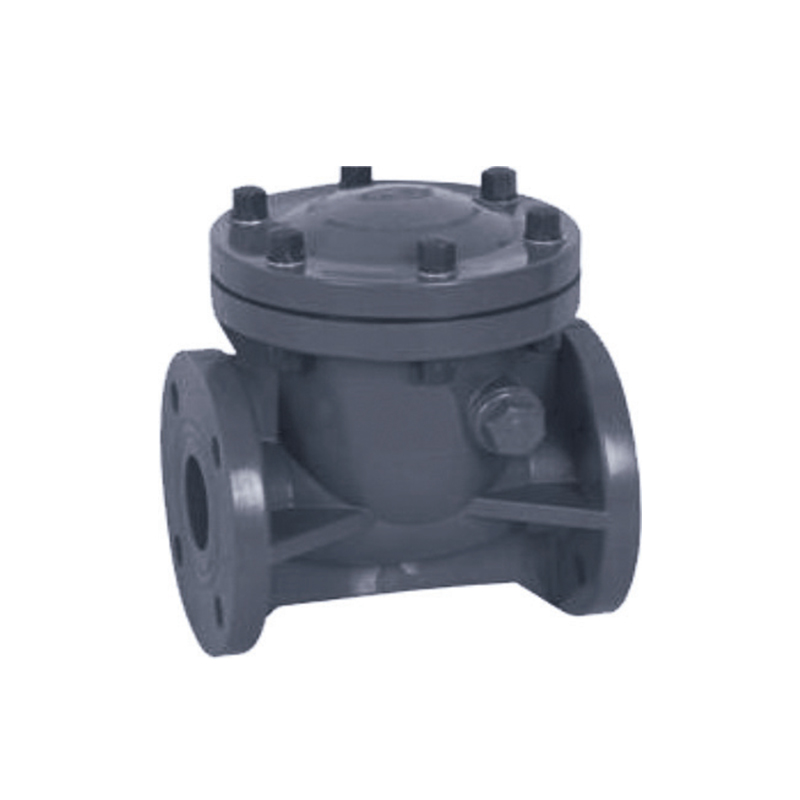
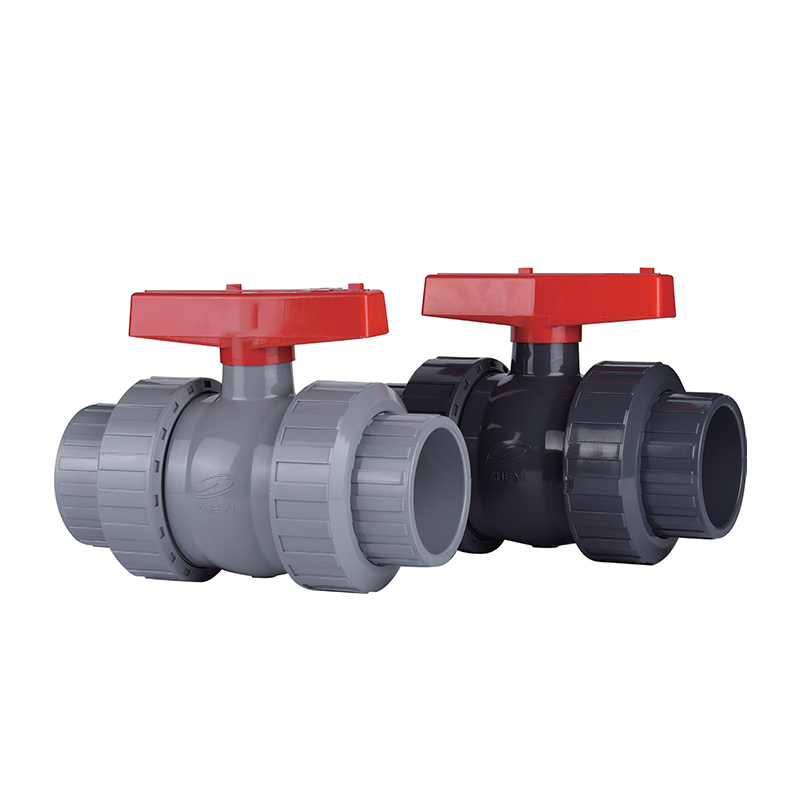
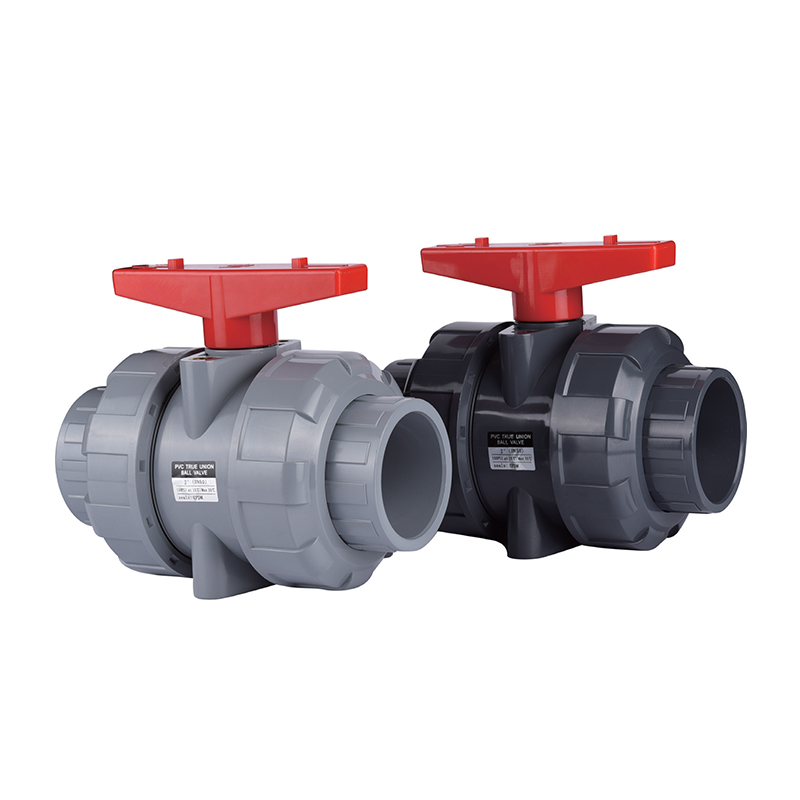
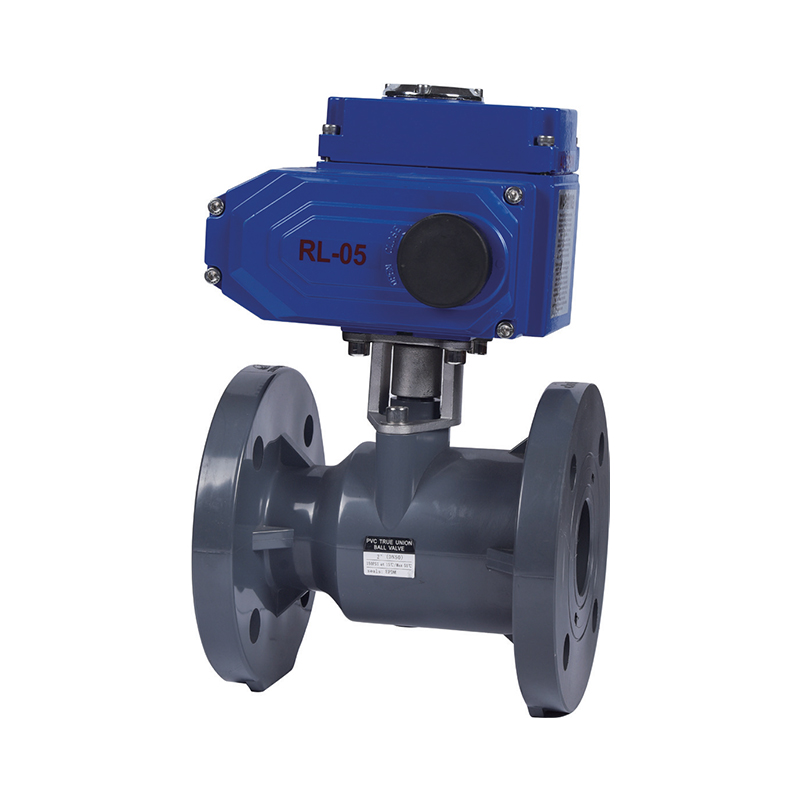
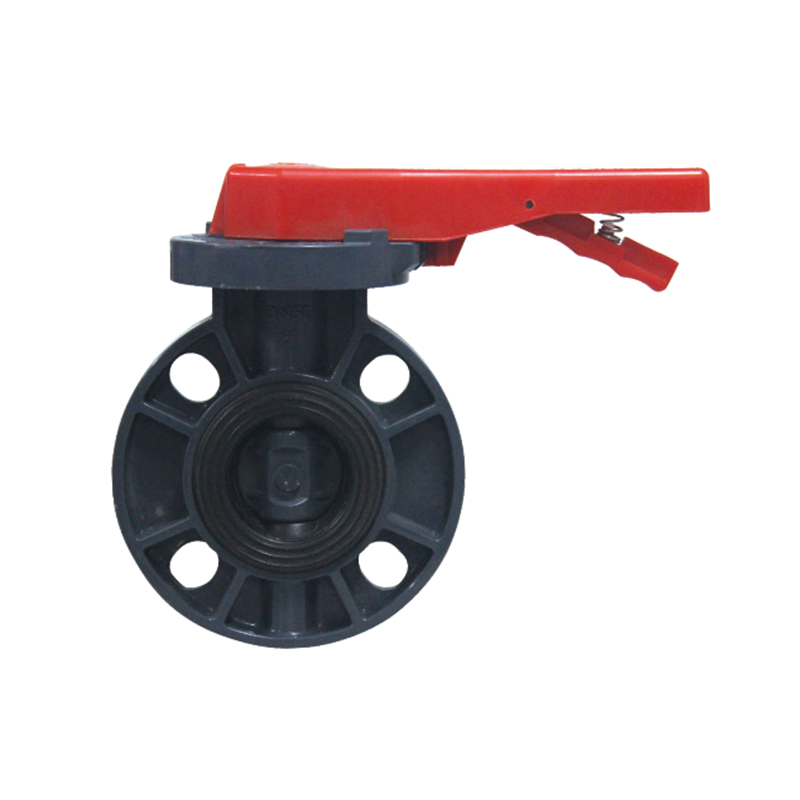
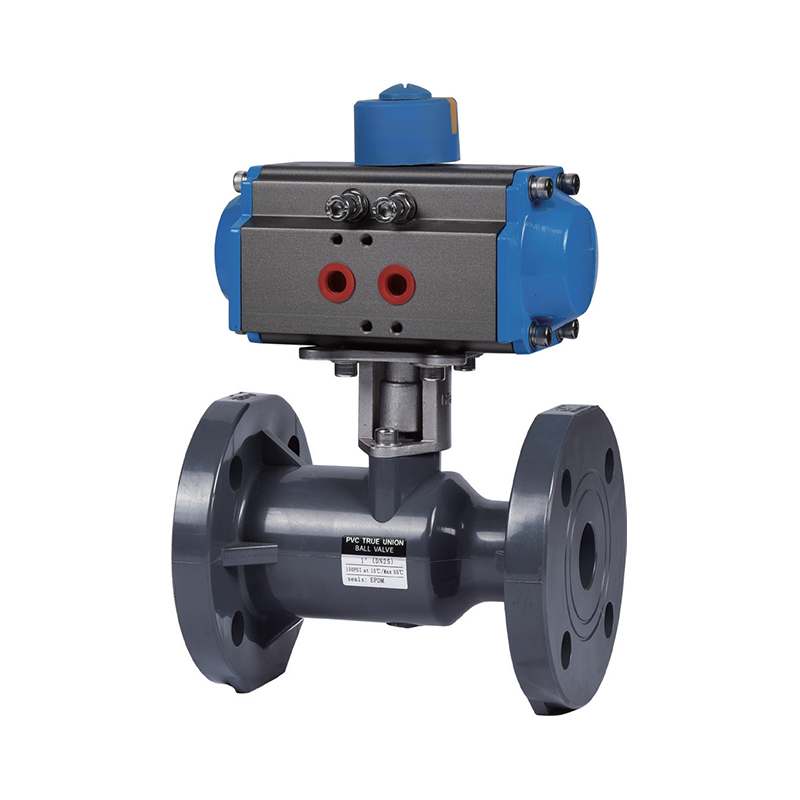
In the demanding landscape of industrial fluid handling, the CPVC Flanged Ball Valve has become an indispensable component for transporting corrosive media. Chlorinated Polyvinyl Chloride (CPVC) is specifically engineered to overcome the thermal limitations of standard PVC, making it ideal for high-temperature chemical applications. ZHEYI Group, founded in 2007 and recognized as a national high-tech enterprise, specializes in the R&D and manufacturing of these high-performance industrial pipelines. With manufacturing bases in Jiaxing and Wuhan, we integrate advanced technology from Germany and America to ensure our products meet the rigorous safety standards required for the chemical, photovoltaic, and semiconductor industries.
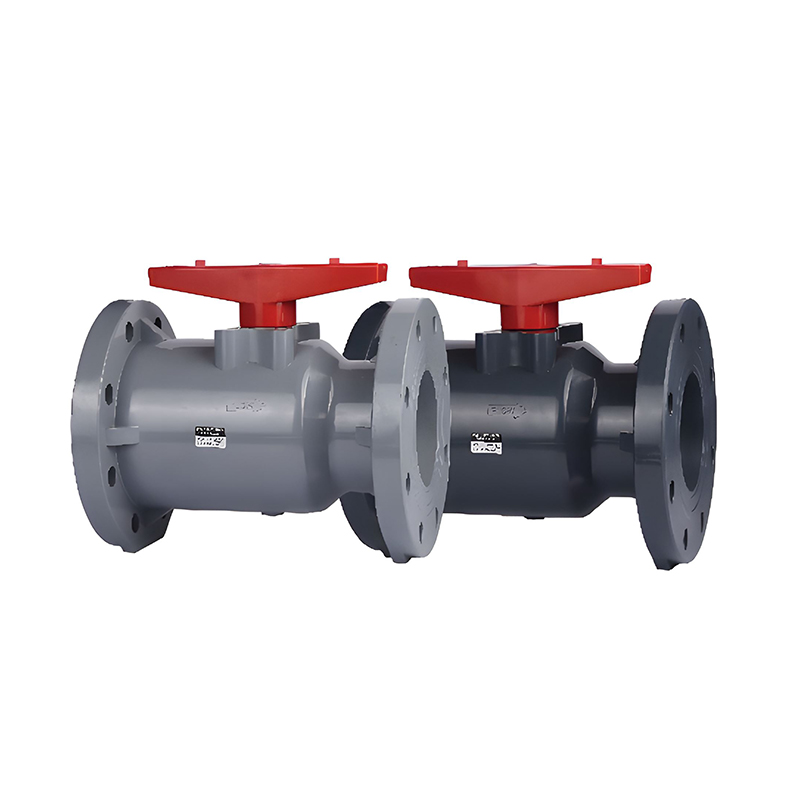
Thermal Performance and Maximum Operating Temperatures
One of the primary reasons engineers specify a CPVC Flanged Ball Valve is its superior heat resistance compared to other thermoplastic materials. While standard UPVC is typically limited to 60°C, CPVC can safely operate at temperatures up to 93°C (200°F). However, understanding how temperature affects CPVC ball valve pressure rating is critical for system safety, as the mechanical strength of the polymer diminishes as the temperature rises. At ZHEYI Group, we utilize unique raw materials and advanced tooling to ensure our valves maintain structural integrity across the entire thermal spectrum allowed by ASTM standards.
Comparison: CPVC vs. UPVC Thermal Capabilities
CPVC offers a much broader operational window for hot corrosive liquids, whereas UPVC is restricted to ambient or low-temperature fluid transport.
| Material Type |
Max Operating Temp (°C) |
Glass Transition Temp (Tg) |
Impact Resistance at Heat |
| UPVC (Unplasticized PVC) |
60°C |
~80°C |
Moderate |
| CPVC Flanged Ball Valve |
93°C |
~115°C |
High |
Pressure Ratings and Derating Factors
The nominal pressure (PN) of a CPVC Flanged Ball Valve is typically rated at 150 PSI (PN10) at a base temperature of 23°C (73°F). For engineers, the challenge lies in calculating the CPVC valve pressure de-rating at high temperatures. As the temperature exceeds 23°C, the allowable working pressure must be multiplied by a specific factor to prevent mechanical failure. Failure to apply these factors in chemical processing can lead to pipe deformation or valve body rupture. ZHEYI Group provides detailed technical support to help clients calculate these limits for industrial wastewater and acid-alkali liquid transportation.
Comparison: Pressure Derating at Varying Temperatures
At room temperature, the valve operates at full rated pressure, but at its maximum temperature of 93°C, the allowable pressure drops to approximately 25% of its original rating.
| Temperature (°C / °F) |
De-rating Factor |
Allowable Pressure (Example 150 PSI Valve) |
| 23°C / 73°F |
1.00 |
150 PSI |
| 49°C / 120°F |
0.65 |
97.5 PSI |
| 71°C / 160°F |
0.40 |
60 PSI |
| 93°C / 200°F |
0.25 |
37.5 PSI |
Chemical Compatibility and Stress Cracking
Beyond heat and pressure, the specific chemical being transported influences the valve's lifespan. Identifying CPVC flanged ball valve chemical compatibility is essential when handling concentrated acids or bases. Although CPVC is highly resistant to many corrosive agents, certain hydrocarbons or esters can cause environmental stress cracking (ESC). ZHEYI Group maintains an ISO9001 certified quality management system and carries out rigorous testing to ensure our pipelines are suitable for everything from electronic-grade water to aggressive chemical reagents used in lithium and nuclear power industries.
Technical Design Features of ZHEYI Valves:
- Full Port Design: Minimizes pressure drop and turbulence within the CPVC Flanged Ball Valve.
- Double Block and Bleed: Capability for safer maintenance in complex chemical loops.
- Corrosion-Resistant Hardware: Utilizing stainless steel or coated bolts to ensure the flanged connection remains secure in corrosive atmospheres.
Installation Standards: ANSI vs. DIN Flange Connections
In global projects, the CPVC flanged ball valve ANSI vs DIN standards comparison is a frequent point of inquiry. ANSI flanges (American) and DIN flanges (European) have different bolt circle diameters and hole counts, meaning they are not directly interchangeable without adapters. ZHEYI Group caters to international markets including Europe, America, and Southeast Asia by offering valves that comply with multiple international standards, ensuring seamless integration into existing industrial piping systems.
Comparison: Global Flange Connection Standards
ANSI standards are predominant in North American oil and gas and chemical sectors, while DIN standards are the benchmark for most European and Asian industrial water treatment projects.
| Standard |
Pressure Class Designation |
Common Bolt Pattern |
Primary Region |
| ANSI (ASME B16.5) |
Class 150 |
4-8 Holes (Based on size) |
USA, Canada, Mexico |
| DIN (EN 1092-1) |
PN10 / PN16 |
Metric Spacing |
Europe, China, SE Asia |
Conclusion: Engineering Excellence with ZHEYI Group
Selecting a CPVC Flanged Ball Valve requires a deep understanding of the intersection between temperature, pressure, and chemical concentration. By adhering to the core values of "Excellence and Integrity," ZHEYI Group ensures that every valve produced in our technology centers provides the safety and reliability required for modern industrial pipelines. Whether for ultrapure water or acidic wastewater, our products stand as a national brand benchmark for non-metallic pressure piping.
Frequently Asked Questions (FAQ)
1. Can a CPVC Flanged Ball Valve be used for compressed air?
No, it is generally not recommended to use thermoplastic valves for compressed gases. If the pipe shatters, the stored energy in the compressed gas can cause a dangerous explosion of fragments.
2. How to install a CPVC flanged ball valve to prevent leaks?
The flange bolts should be tightened in a star pattern to ensure even pressure on the gasket. Using a torque wrench is recommended to avoid over-tightening, which can crack the CPVC flange.
3. What is the shelf life of industrial CPVC piping systems?
When operated within their specified temperature and pressure limits, CPVC systems can have a service life exceeding 50 years. Factors like UV exposure and chemical concentration will influence this duration.
4. Does ZHEYI Group provide valves for drinking water?
Yes, we hold the Zhejiang Province water-related products sanitary license, and our CPVC valves are widely used for drinking water and electronic-grade water transportation.
5. Is a CPVC Flanged Ball Valve fire resistant?
CPVC has a high Limiting Oxygen Index (LOI) of 60, meaning it does not support combustion under normal atmospheric conditions. It is inherently self-extinguishing and has excellent fire-resistant properties.
Industry References
- ASTM F441: Standard Specification for Chlorinated Poly(Vinyl Chloride) (CPVC) Plastic Pipe, Schedules 40 and 80.
- ASTM F1970: Standard Specification for Special Engineered Fittings, Appurtenances or Valves for use in Poly (Vinyl Chloride) (PVC) or Chlorinated Poly (Vinyl Chloride) (CPVC) Systems.
- ISO 16135: Industrial valves — Ball valves of thermoplastics materials.
- ASME B16.5: Pipe Flanges and Flanged Fittings.
 +86-15258772971
 dinys009@163.com

 English
 한국어
한국어 Español
 عربى
عربى