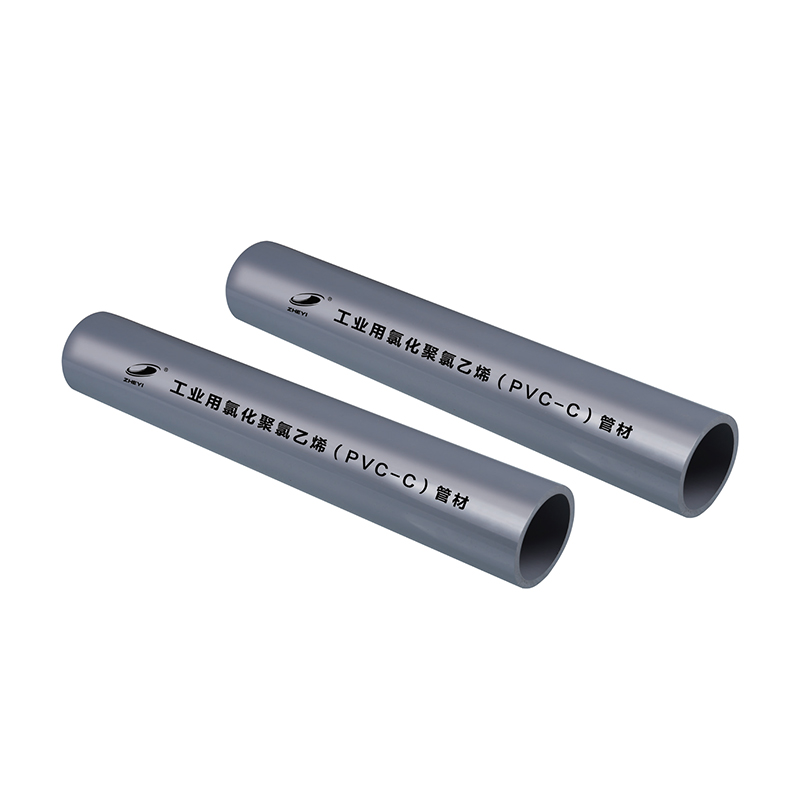
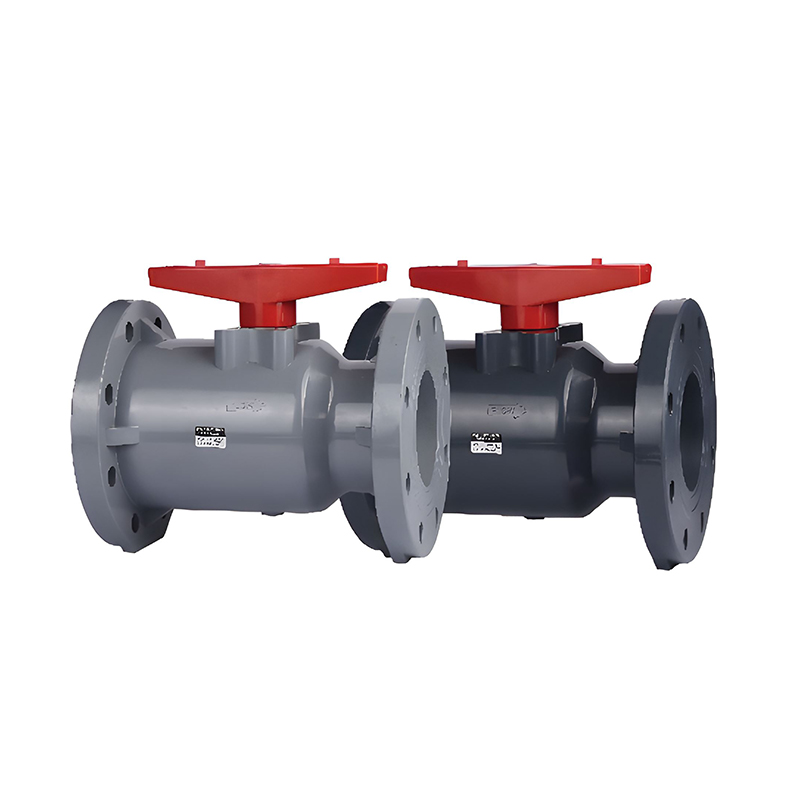
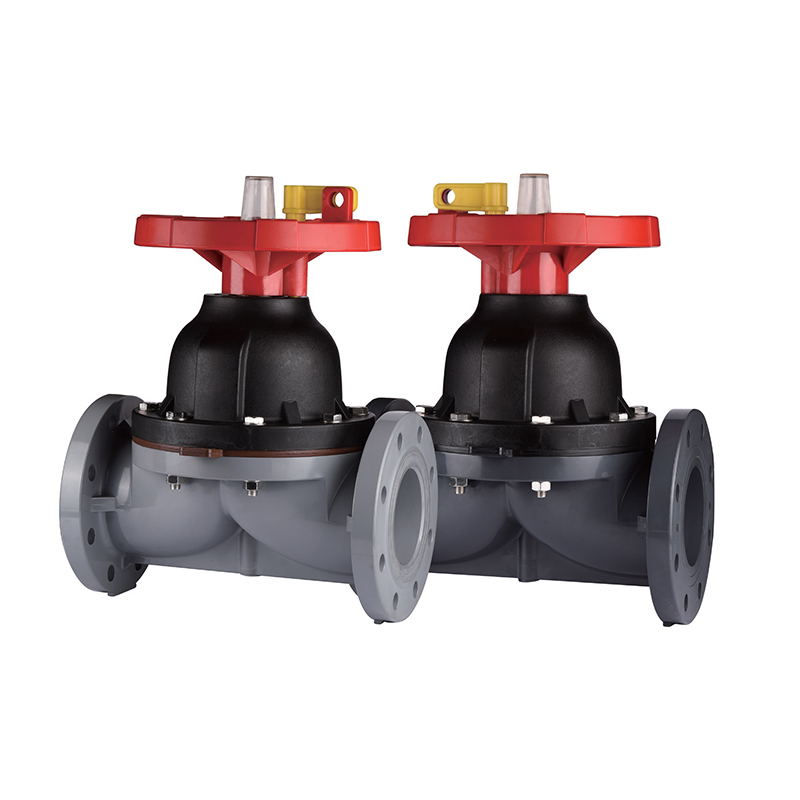
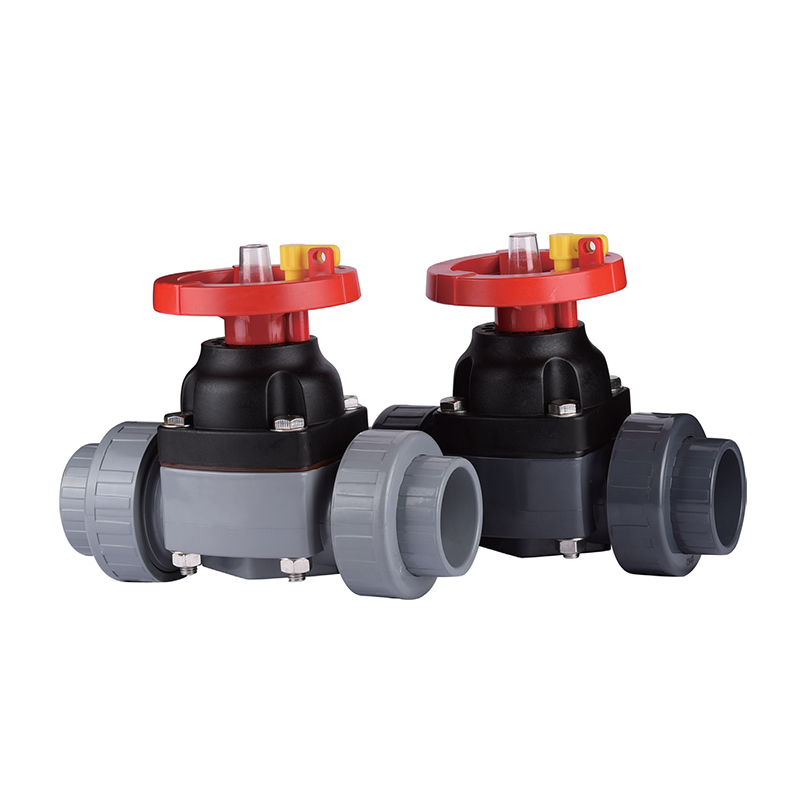
Selecting the wrong valve in a corrosive chemical system does not merely reduce performance — it causes catastrophic failure. Chemical UPVC/CPVC valves are engineered specifically for aggressive fluid handling, but UPVC and CPVC are not interchangeable. This guide clarifies which material suits which chemical, where temperature limits define the choice, and what specifications to verify before any valve is installed in a process line.
60°C
UPVC continuous service limit
93°C
CPVC continuous service limit
16 bar
Typical max working pressure (PN16)
50+ yrs
Expected service life in correct application
Which Valve Suits Corrosive Chemical Applications?
The correct valve for a corrosive chemical line is determined by three factors in order of priority: chemical compatibility, operating temperature, and pressure rating. UPVC and CPVC both outperform metal valves in the presence of acids, alkalis, and oxidising agents — but each material has a defined chemical resistance profile that must be verified against your specific process fluid before selection.
Chemical / Fluid
UPVC
CPVC
Hydrochloric acid (HCl) up to 37%
Excellent
Excellent
Sulphuric acid (H2SO4) up to 70%
Good
Good
Sodium hydroxide (NaOH) up to 50%
Excellent
Excellent
Chlorine / bleach solutions
Excellent
Excellent
Ferric chloride (FeCl3)
Excellent
Excellent
Concentrated nitric acid (>50%)
Not suitable
Not suitable
Ketones / esters (acetone, ethyl acetate)
Not suitable
Not suitable
Hot process water above 60°C
Not suitable
Suitable
Critical Rule
Always verify chemical compatibility against the valve manufacturer's resistance chart at your actual operating temperature — not at room temperature. Many fluids that show good UPVC compatibility at 20°C cause rapid stress cracking or swelling at 50°C. Temperature and chemical exposure are compounding stressors, not independent variables.
UPVC vs CPVC Valve: Which Is the Better Choice?
UPVC (Unplasticised Polyvinyl Chloride) and CPVC (Chlorinated Polyvinyl Chloride) share the same base polymer but differ in chlorine content — CPVC contains approximately 67% chlorine versus 57% in UPVC. That additional chlorination raises the heat deflection temperature by 30–40°C and shifts the continuous service limit from 60°C to 93°C, making CPVC the correct choice whenever process temperatures exceed ambient or the fluid is handled at elevated temperatures during processing or sterilisation.
UPVC Valve
Up to 60°C
- Lower material cost — typically 20–35% less than equivalent CPVC
- Excellent chemical resistance at ambient and near-ambient temperatures
- Higher impact resistance than CPVC at low temperatures
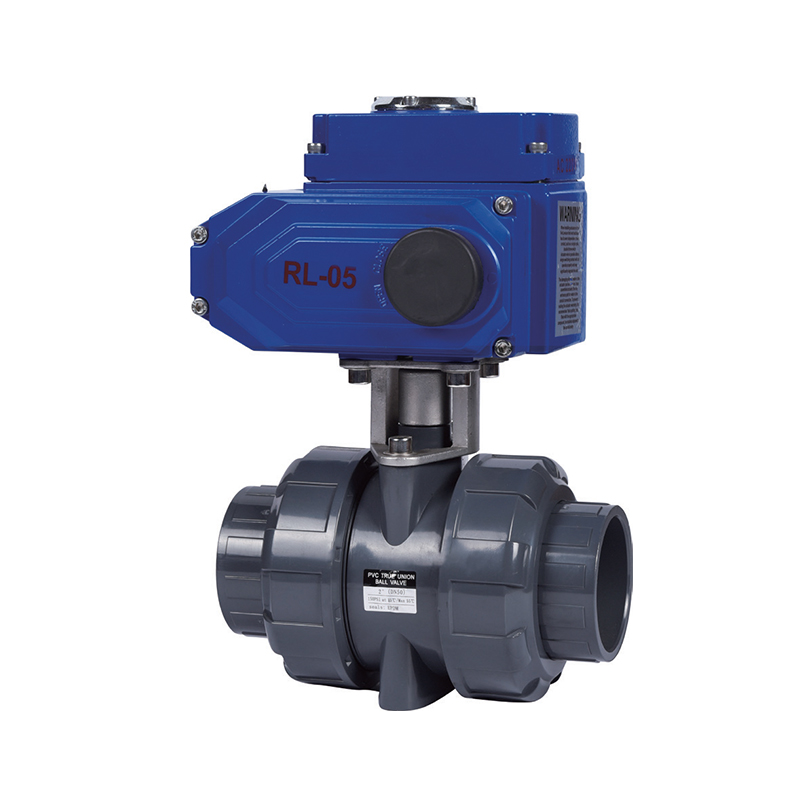
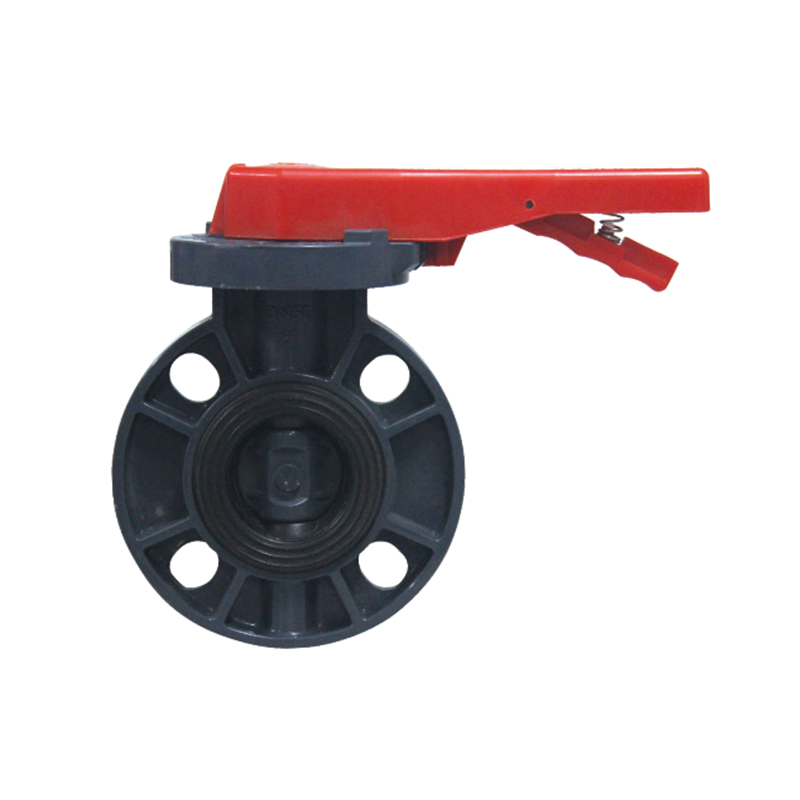
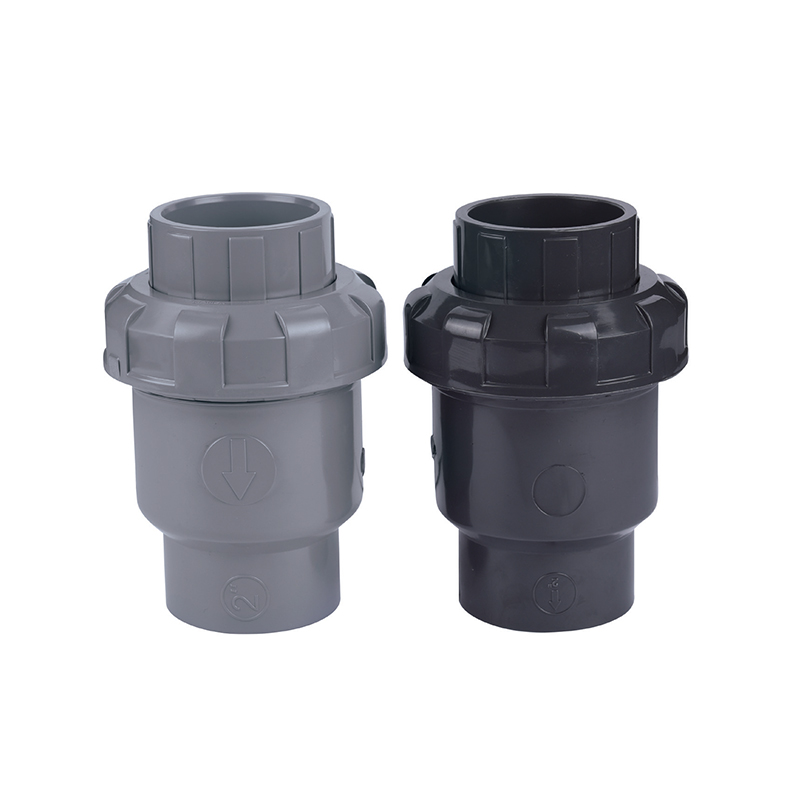
- Widely available in all valve types: ball, butterfly, check, diaphragm, gate
- Suitable for water treatment, swimming pools, electroplating lines, and general acid/alkali handling
Not suitable above 60°C continuous or where thermal cycling occurs
CPVC Valve
Up to 93°C
- Higher continuous service temperature — essential for hot chemical dosing lines
- Better dimensional stability under thermal cycling
- Maintains pressure rating at elevated temperatures where UPVC loses tensile strength
- Required for hot chlorinated water, concentrated acid lines at process temperature, and pharmaceutical CIP circuits
- Meets ASTM F441 and ASTM D1784 Cell Classification 23447 standards
Higher unit cost justified by thermal performance; specify CPVC wherever temperature exceeds 50°C
What Temperature Can CPVC Valves Actually Handle?
CPVC valves are rated to 93°C at full working pressure under continuous service conditions — but this figure is the ceiling, not the operating target. Pressure rating and temperature interact: as temperature rises, the allowable working pressure of any thermoplastic valve decreases in a predictable curve defined by the material's long-term hydrostatic strength.
| Temperature |
UPVC Pressure Derating |
CPVC Pressure Derating |
Practical Implication |
| 20°C (reference) |
100% (full PN rating) |
100% (full PN rating) |
Full rated pressure available |
| 40°C |
75% of PN rating |
90% of PN rating |
CPVC retains significantly more capacity |
| 60°C |
40% of PN rating |
75% of PN rating |
UPVC at practical service limit; CPVC still viable |
| 80°C |
Not recommended |
50% of PN rating |
CPVC only; specify PN16 valve for systems above 8 bar |
| 93°C |
Not suitable |
25% of PN rating |
CPVC maximum; low-pressure applications only at this temperature |
A PN16-rated CPVC ball valve operating at 80°C is effectively a PN8 valve at that temperature. System designers must apply the appropriate derating factor from the manufacturer's temperature-pressure chart — not the nominal PN rating stamped on the valve body — when calculating system safety margins.
For applications above 93°C, or where concentrated oxidising acids such as nitric acid above 50% are present, neither UPVC nor CPVC is appropriate. Specify PVDF (Polyvinylidene Fluoride) or PTFE-lined valves, which maintain chemical resistance to 150°C and above.
How to Choose the Right Chemical UPVC/CPVC Valve
Specifying a chemical UPVC/CPVC valve correctly requires confirming five parameters before raising a purchase order. Each parameter eliminates a category of failure.
01
Confirm chemical compatibility at operating temperature
Cross-reference the process fluid — including any cleaning agents used in the same line — against the manufacturer's chemical resistance table at your maximum line temperature, not ambient. Mixed fluids require individual checks for each component.
02
Select UPVC or CPVC based on temperature
If maximum process temperature is below 50°C consistently, UPVC delivers the required performance at lower cost. If temperature exceeds 50°C at any point in the cycle — including heat tracing, steam purging, or solar gain on outdoor lines — specify CPVC.
03
Apply pressure derating to the PN rating
Obtain the manufacturer's temperature-pressure derating curve. Calculate the derated pressure at your maximum operating temperature. Confirm the derated figure exceeds your system's maximum allowable working pressure (MAWP) with a minimum 25% safety margin.
04
Specify the correct seal and seat material
The valve body material is only part of the chemical resistance equation. EPDM seals resist most acids and alkalis but fail in aromatic hydrocarbons. PTFE seats provide the broadest chemical resistance. FKM (Viton) seals suit hydrocarbons but have limited alkali resistance. Confirm seat and seal compatibility independently from body material.
05
Choose valve type by function
Ball valves for on/off isolation with low pressure drop. Butterfly valves for large-diameter throttling and where space is limited. Diaphragm valves for slurries or highly aggressive fluids requiring zero-contact actuation. Check valves wherever backflow prevention is critical. Gate valves for full-bore, low-resistance isolation on infrequent-operation lines.
 +86-15258772971
 dinys009@163.com

 English
 한국어
한국어 Español
 عربى
عربى