Core Engineering Verdict
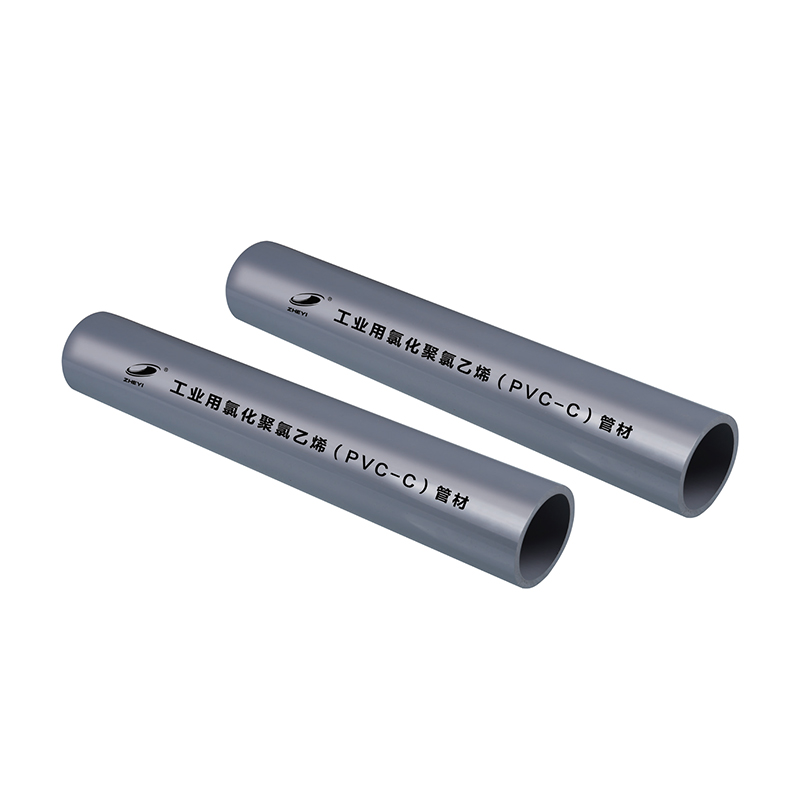
Yes, cpvc pipe is fully rated for both hot and cold potable water distributions, safely operating at temperatures up to 180 degrees Fahrenheit (82 degrees Celsius). However, it cannot be left permanently exposed to outdoor sunlight without UV-protective coatings, it will crack if trapped water freezes inside it, and its use as an outdoor underground main water service line is restricted by local plumbing codes based on structural soil load limits.
Hot Water Performance and Thermal Limits
Unlike standard PVC, which structurally degrades and softens near 140 degrees Fahrenheit, CPVC (Chlorinated Polyvinyl Chloride) undergoes an extra chlorination mechanism during manufacturing. This structural modification allows it to withstand significantly higher internal thermal stresses, making it a standard choice for commercial and residential hot water loops.
180°F
Maximum Continuous Operating Temperature
100 PSI
Pressure Rating at Max 180°F Temperature
400 PSI
Pressure Rating at Ambient 73°F Temperature
As water temperature escalates, the maximum allowable pressure capacity of Schedule 80 and Schedule 40 CPVC scales downward. While a 1/2-inch CPVC line can easily manage 400 PSI at room temperature, it must be derated by exactly 50% if operating continuously at 140 degrees Fahrenheit, and derated down to 25% of its capacity at 180 degrees Fahrenheit. Designers must account for this thermal drop during high-temperature system layouts.
Outdoor Exposure Rules and UV Degradation Protection
CPVC cannot be subjected to long-term, unprotected outdoor sunlight exposure. Continuous bombardment by ultraviolet (UV) radiation triggers a chemical process called dehydrochlorination on the exposed surface layer of the thermoplastic.
This UV exposure breaks down the polymer chains, gradually changing the pipe color from light tan to a yellowish-brown. While this cosmetic shift does not immediately reduce the internal pressure rating, it drastically diminishes the material's impact resistance. The pipe becomes brittle, making it highly susceptible to shattering from minor external physical impacts or pressure surges.
If CPVC lines must run outdoors along walls or roofs, they must be wrapped in insulation or painted with a thick layer of water-based latex paint. Solvent-based or oil-based paints are strictly prohibited, as their chemical solvents attack and dissolve the plastic matrix.
CPVC Environmental Matrix and Material Capabilities
Evaluating your physical environment is critical before choosing a piping material. The table below outlines how CPVC performs under various environmental conditions:
Freezing Mechanical Dynamics and Burst Prevention
A common misconception is that certain plastics possess enough elasticity to survive deep freezes. Like most rigid polymers, CPVC loses ductile strength as temperatures fall below 32 degrees Fahrenheit (0 degrees Celsius), turning increasingly rigid and brittle.
When water inside a closed CPVC pipe freezes, it expands by approximately 9% in volume. Because the ice cannot be compressed, it exerts immense inward hydrostatic pressure against the brittle pipe wall. If the line is completely filled and sealed, this expansion will inevitably split the pipe clean down the middle or crack the molded socket fittings. Preventative steps include:
Install Closed-Cell Elastomeric Insulation: Encasing exposed pipes in unheated crawlspaces with a minimum 1/2-inch thick wall of rubberized pipe insulation delays the onset of freezing during overnight temperature drops.
Incorporate Heat Trace Cables: For severe winter zones, self-regulating heat trace cables can be wrapped along the CPVC profile. Ensure the heat tape is explicitly rated safe for plastic pipes to prevent localized hotspots.
Implement Gravity Drainage Slopes: Any seasonal system, such as outdoor wash bays or agricultural supply lines, must be installed with a continuous 1/4-inch per foot slope toward a low-point blow-out valve to allow complete system draining before winter arrives.
Underground Main Water Service Line Restrictions
While CPVC is widely used for interior plumbing, using it outside as an underground main water service pipe (connecting the municipal water main or well pump directly to the building) requires adherence to strict parameters under IPC (International Plumbing Code) and UPC (Uniform Plumbing Code) frameworks.
When buried underground, CPVC transitions from a self-supporting pipe to a flexible conduit system that relies on the surrounding backfill soil for structural stabilization. If installers backfill the trench with rough excavated earth containing sharp rocks or heavy clay clumps, those stones will create localized pressure points against the pipe. As the soil shifts and settles over time, these points can cause stress-cracking or puncture failures.
To legally bury CPVC, plumbing regulations dictate that the trench floor must be smooth and lined with a 4-inch deep bedding foundation of clean sand or fine crushed gravel. Once the pipe is laid, it must be covered with an additional 6 inches of identical aggregate before standard native soil backfilling can proceed. Additionally, any underground CPVC system must be buried well below the regional frost line to prevent ground-heaving forces from shearing the glued joints.
Critical Quality Control Installation Checklist
Structural failures in CPVC systems rarely stem from material limitations; instead, they are usually caused by errors during the solvent-welding process. Review these mandatory assembly steps before pressurizing your layout:
Verify that you are using an orange-colored, heavy-bodied CPVC solvent cement meeting ASTM F493 standards. Never use standard clear or gray PVC cement, as it lacks the chemical compound needed to dissolve and weld the chlorinated polymer structure.
Always cut the pipe square using sharp wheel cutters and run a deburring tool along both the internal and external edge profile. Leaving a rough, un-beveled edge can scrape the wet cement layer out of the fitting socket during insertion, creating a hidden dry leak path.
Apply a uniform layer of primer matching ASTM F656 to prepare and soften the joining surfaces. Push the pipe completely into the fitting socket and give it a firm quarter-turn twist, holding it tightly in place for at least 10 to 15 seconds to prevent the pipe from backing out of the tapered joint.
Adhere strictly to chemical cure time guidelines before filling the system with water. At ambient room temperatures, a newly welded joint requires a minimum cure time of 1 hour for pressures under 180 PSI, and up to 24 hours if working in freezing conditions or operating at high hot water temperatures.
 +86-15258772971
 dinys009@163.com

 English
 한국어
한국어 Español
 عربى
عربى