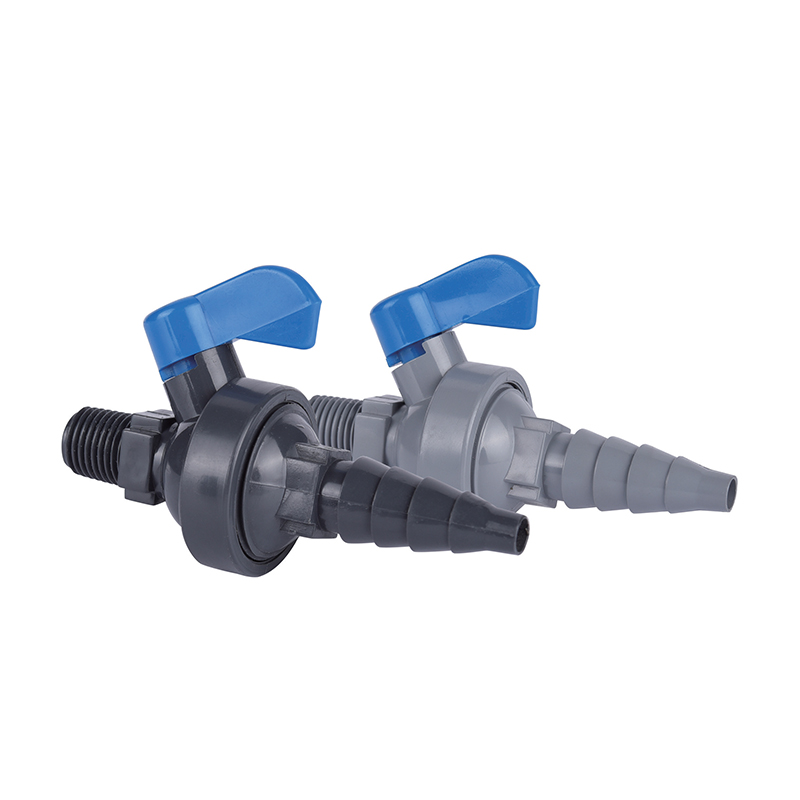
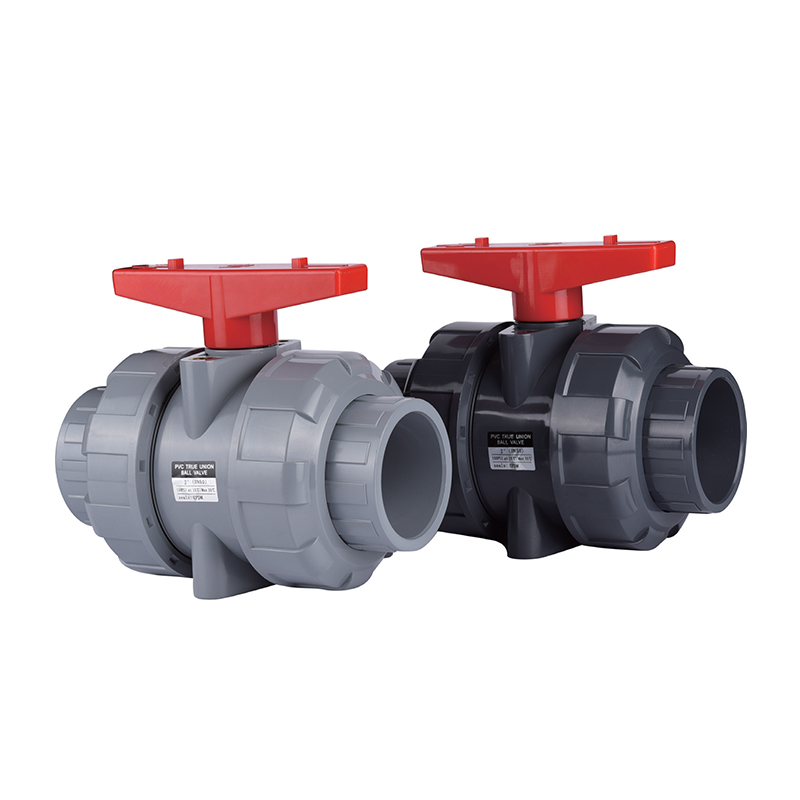
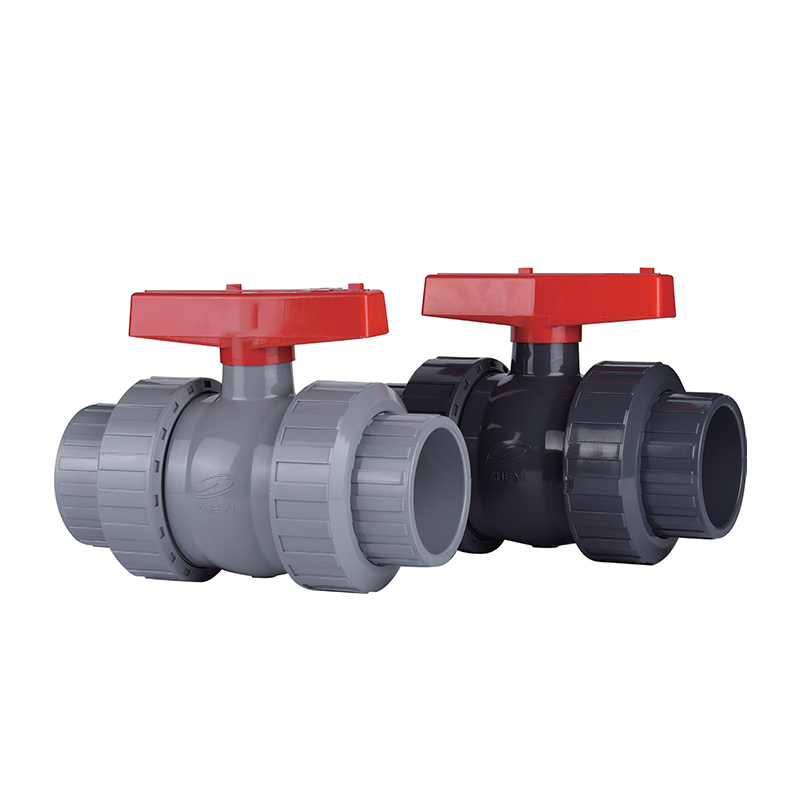
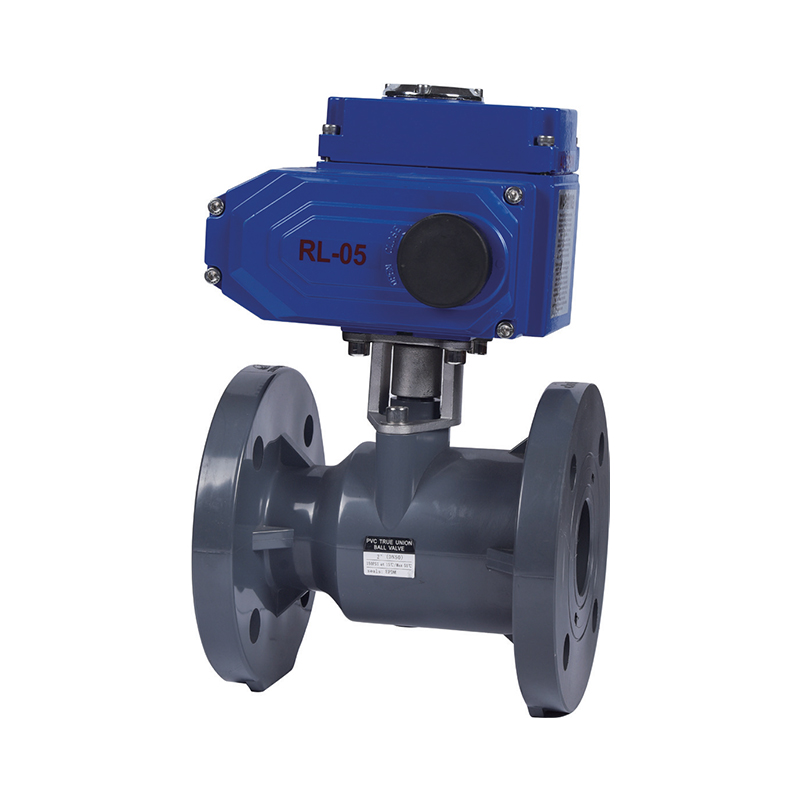
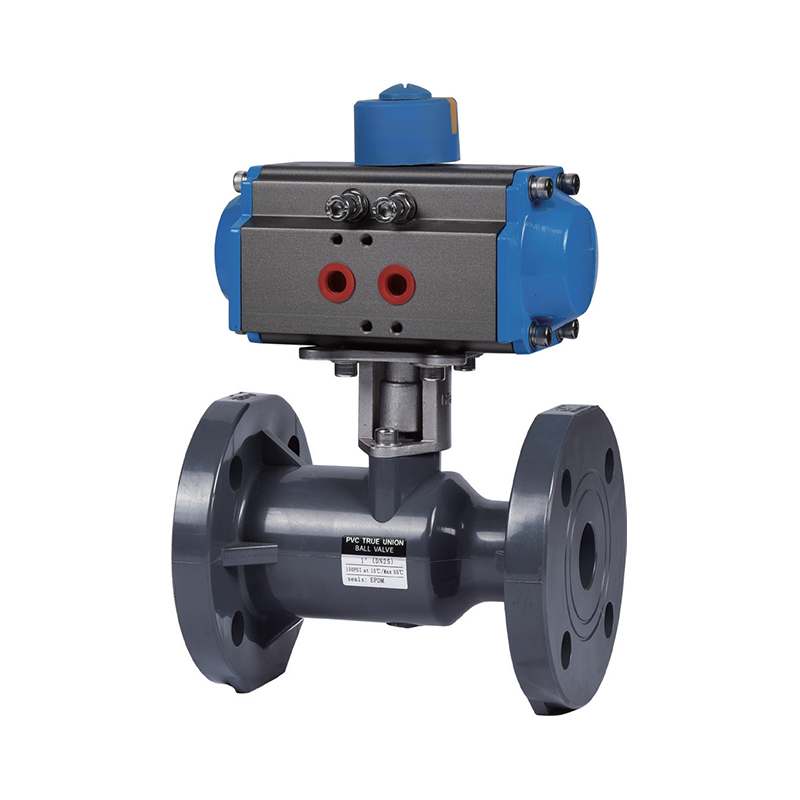
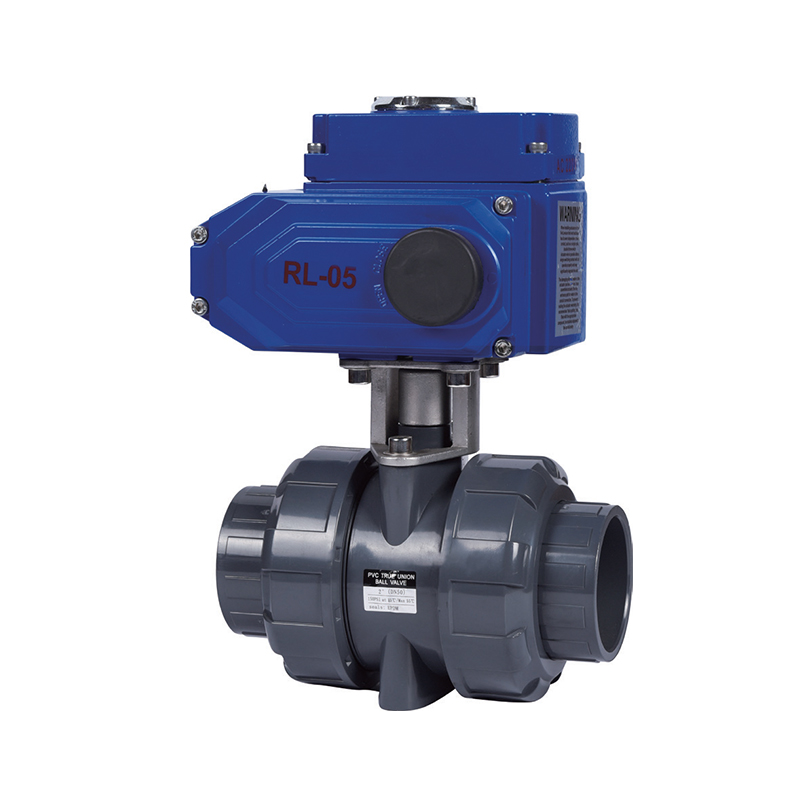
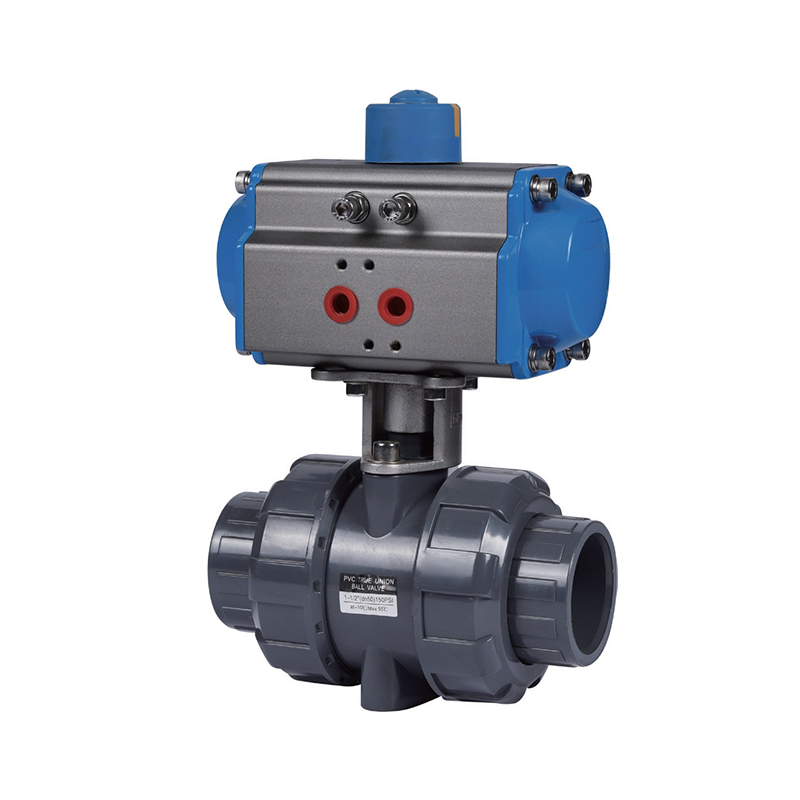
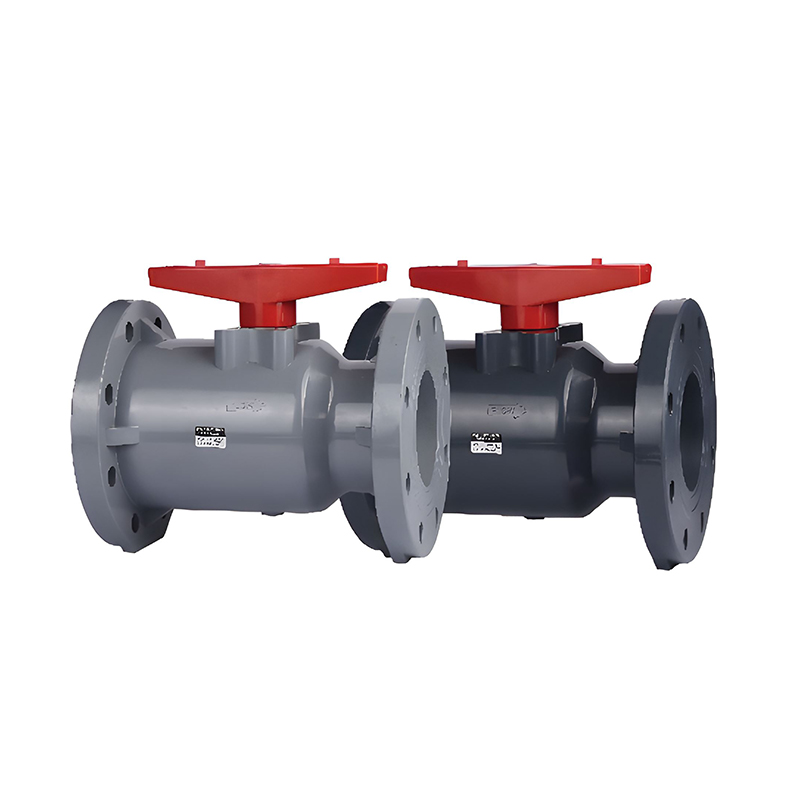
CPVC valves — especially ball valves — are a reliable, code-compliant choice for hot and cold water systems. Compression valves can work on CPVC with the right fittings, and installing a CPVC shut-off valve is a straightforward DIY project when you follow a few critical rules.
Are CPVC Ball Valves Good?
Yes. CPVC ball valves are one of the best valve types for residential and light commercial plumbing. Here is why they earn their reputation:
- Temperature range: CPVC handles continuous service up to 200°F (93°C) — well above the 180°F max of standard PVC — making it safe for hot-water lines where PVC would soften and fail.
- Pressure rating: Schedule 80 CPVC ball valves are typically rated at 150–200 PSI at 73°F, dropping to around 100 PSI at 180°F. That covers virtually every residential supply-line demand.
- Chemical resistance: CPVC resists chlorine, many acids, and the chloramines now common in municipal water supplies — a weakness of some metal valves.
- Corrosion immunity: Unlike brass or bronze valves, a cpvc valve will never pit, corrode, or leach lead, which matters in areas with aggressive water chemistry.
- Quarter-turn operation: Ball valves give you instant full-open or full-close with a 90° handle turn, minimising water-hammer compared to gate valves.
- Cost: A 3/4 in. CPVC ball valve typically costs $4–$12, compared to $15–$40 for an equivalent brass ball valve.
The main limitation is mechanical stress. CPVC is more brittle than metal at low temperatures. Avoid applying heavy torque or side-load forces, and never use CPVC valves in high-vibration environments such as near pumps without a flexible connector.
CPVC vs. Brass Ball Valves — Quick Comparison
| Feature |
CPVC Ball Valve |
Brass Ball Valve |
| Max temp (continuous) |
200°F (93°C) |
250°F (121°C) |
| Corrosion resistance |
Excellent |
Good (varies by alloy) |
| Lead content |
None |
Low-lead alloys required by law |
| Typical cost (3/4 in.) |
$4–$12 |
$15–$40 |
| Impact resistance |
Moderate |
High |
| Solvent-weld compatible |
Yes |
No |
Do Compression Valves Work on CPVC?
Compression valves can work on CPVC pipe, but only when you take one important precaution: use a brass or plastic insert sleeve (also called a tube support or stiffener) inside the pipe end. Here is the problem without it:
A standard compression fitting tightens a ferrule around the outside of the pipe. CPVC is thinner-walled and more compressible than copper. Without an internal support, the ferrule can deform the pipe wall, creating a poor seal that weeps over time or fails completely under pressure cycling.
Steps to Use a Compression Valve on CPVC
- Cut the CPVC pipe square with a plastic-pipe cutter — a ragged or angled cut prevents a proper seal.
- Deburr the inside and outside of the cut end with a deburring tool or fine sandpaper.
- Insert a brass insert sleeve sized to match the pipe's inside diameter (e.g., 1/2 in. CTS for standard 1/2 in. CPVC).
- Slide on the compression nut, then the ferrule, then push the pipe fully onto the valve seat.
- Hand-tighten the nut, then turn it 1 to 1.5 additional turns with a wrench — do not overtighten or you will crack the pipe just behind the ferrule.
- Turn water on slowly and check for leaks. A single drip means the nut needs a further quarter-turn, not a full re-do.
Compression connections are code-approved in most jurisdictions for stop valves under sinks and toilets, but they are not recommended for in-wall or concealed locations where a slow leak would go unnoticed. For those spots, solvent-weld CPVC fittings are the correct choice.
How to Install a CPVC Shut-Off Valve
Installing a CPVC shut-off (stop) valve is a task most homeowners can complete in under an hour. The solvent-weld (glue) method produces the strongest, most permanent joint and is the standard approach for CPVC supply lines.
Tools and Materials
- CPVC ball valve or stop valve (match the pipe size — typically 1/2 in. or 3/4 in.)
- CPVC-rated primer (typically orange or clear, not PVC purple primer)
- CPVC solvent cement (yellow label; do not use standard PVC cement — the solvents differ)
- Plastic pipe cutter or fine-tooth hacksaw
- Deburring tool or sandpaper (120-grit)
- Clean dry rags
- Permanent marker
Installation Steps
- Shut off the water supply at the nearest upstream valve and open a downstream faucet to relieve pressure and drain the line.
- Cut the pipe. Make a clean, square cut. A ratchet-style plastic pipe cutter gives the cleanest result; a hacksaw works but requires more careful deburring.
- Dry-fit the valve to confirm it seats fully. Mark the pipe and valve socket with a alignment line using a permanent marker so you can quickly rotate it to the correct orientation during the glue-up, which must happen within 20–30 seconds.
- Apply primer to the outside of the pipe end and the inside of the valve socket. Use the dauber in a twisting motion; the CPVC should turn slightly tacky within 15 seconds. Do not skip primer — it chemically prepares the surface and is required by most plumbing codes.
- Apply CPVC cement to both surfaces immediately while they are still tacky from the primer. Use a full, even coat — do not dab.
- Push and twist. Insert the pipe into the valve socket with a slight twist of about a quarter-turn, aligning your reference marks. Hold firm pressure for 30 seconds.
- Wait before turning water on. At 70°F, allow a minimum of 2 hours cure time before pressurising the joint. In cooler temperatures (below 60°F), extend this to 4–6 hours. Full cure strength is reached in 24 hours.
- Pressurise slowly and inspect the joint. A properly made solvent-weld joint should show a small, uniform bead of cement around the socket rim — this confirms full coverage.
Common Mistakes to Avoid
- Using purple PVC primer or PVC cement on CPVC — the chemistry is different and the joint will fail under heat stress.
- Rushing the cure: a joint pressurised too early can blow apart, causing flooding and requiring the entire fitting to be cut out and replaced.
- Installing the valve in the fully closed position during glue-up — solvent fumes can warp the ball seat. Keep the valve open during assembly and for at least 15 minutes after.
- Over-cementing, which can cause solvent pooling inside the pipe and weaken the pipe wall over time. A thin, even coat is sufficient.
Key Standards and Code Notes
CPVC pipe and fittings used in potable water systems must meet ASTM D2846 (pipe and fittings) and NSF/ANSI 61 (drinking water system components). Valves should be marked with both certifications. FlowGuard Gold and Lubrizol CPVC are the two dominant compound formulations; both use the same solvent cement but do not mix fittings between brands in the same joint — slight dimensional differences can compromise the seal.
Most local plumbing codes accept CPVC for hot and cold supply lines inside walls and under slabs when installed per the manufacturer's instructions. Always check with your local authority having jurisdiction (AHJ) before beginning work, as a small number of municipalities restrict CPVC in specific applications.
 +86-15258772971
 dinys009@163.com

 English
 한국어
한국어 Español
 عربى
عربى