Engineering Core Verdict
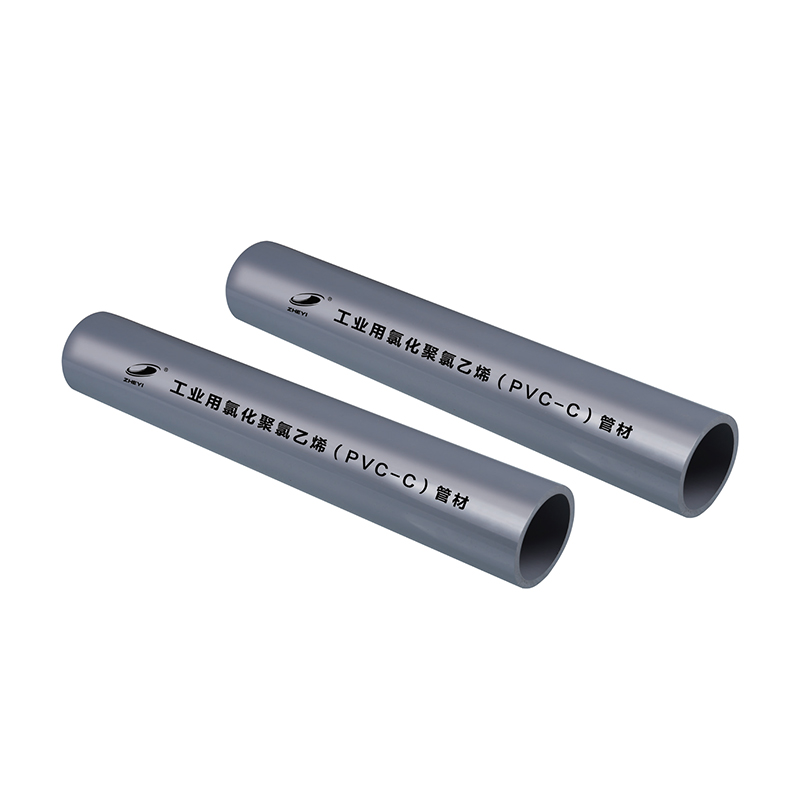
Yes, standard PVC pipes are fully safe for drinking water provided they carry the NSF/ANSI Standard 61 certification, which regulates structural chemical leaching. However, for pressurized hot water plumbing networks, a specialized cpvc pipe (Chlorinated Polyvinyl Chloride) is required instead. While regular PVC begins to lose mechanical strength and degrade at temperatures above 140 degrees Fahrenheit (60 degrees Celsius), CPVC undergoes a chemical chlorination process that extends its safe thermal operational limit up to 200 degrees Fahrenheit (93 degrees Celsius). Both plumbing variants represent highly non-corrosive, cost-efficient, industrial-grade plastic configurations engineered specifically to handle modern municipal water infrastructure distribution safely.
Are PVC and CPVC Pipes Categorized as Plastic?
PVC (Polyvinyl Chloride) and CPVC are synthetic thermoplastic polymers. They are synthesized using a combination of petroleum derivatives and common elemental chlorine derived from industrial-grade salt.
Because they are thermoplastic materials, these pipes can be heated to their specific melting points, formed into rigid structural hollow profiles, and cooled back down into solid states without experiencing molecular degradation. This specific chemical makeup provides excellent resistance against oxidative reactions, interior scale build-up, and underground bacterial attacks that typically corrode traditional metallic or cast iron plumbing pipes.
Are PVC Pipes Safe for Potable Drinking Water and Food Contact?
Potable water safety relies heavily on international regulatory certifications rather than general material names. When evaluating plastic pipes for residential plumbing or food production processes, specific testing standards apply:
The NSF/ANSI 61 Standard: This certification confirms that a pipe has undergone rigorous testing to guarantee that no harmful levels of heavy metals, volatile organic compounds (VOCs), or chemical plasticizers can leach into flowing drinking water.
Food-Grade Requirements vs. Standard PVC Plumbing
Standard white schedule 40 or schedule 80 PVC lines are fully approved for drinking water distribution if they bear the "NSF-pw" (Potable Water) stamp. However, they are not classified as generic food-grade materials for direct food contact. For commercial food processing applications involving food preparation or direct ingredient transport, lines must meet strict FDA regulations. CPVC alternatives are frequently selected for commercial kitchen water lines because they offer higher thermal thresholds and excellent resistance to the harsh chemical cleansers used during regular sanitization procedures.
Are Rigid PVC and CPVC Pipes Recyclable?
While these plumbing materials can be recycled technically, they are not handled by typical residential curb-side recycling programs due to their chemical composition. Rigid PVC falls under the Resin Identification Code Number 3.
Because of its high chlorine content, mixing PVC with standard plastic containers like PET beverage bottles can contaminate the recycling stream during processing. Consequently, plumbing scraps and old pipe sections must be collected separately and sent to dedicated industrial recycling facilities. At these plants, the scrap materials are ground down, purified, and reprocessed into durable industrial products, including electrical conduit lines, underground drainage channels, and commercial floor mats.
Are PVC and CPVC Pipes Expensive? Cost Comparison Data
Compared to traditional metal alternatives like copper or stainless steel, rigid plastic plumbing options offer significant financial savings. They lower material costs upfront and reduce labor expenses during installation since they are lightweight and use simple solvent-weld joining methods.
| Schedule 40 PVC |
Low (Under 1.50 USD) |
140 F (60 C) |
Very inexpensive material; fast solvent welding. |
| Schedule 80 CPVC |
Moderate (2.50 to 4.50 USD) |
200 F (93 C) |
Requires specialized high-temperature solvent primers. |
| Type L Copper |
High (9.00 to 14.00 USD) |
400 F (204 C) |
Expensive; requires open-torch soldering or pro-press tooling. |
Table 1: Financial cost index and thermal capabilities across primary piping categories.
Proper Structural Installation Requirements for Potable Systems
To keep water delivery systems clean and structurally sound, specific installation steps must be followed closely. Mistakes made when solvent welding plastic components can weaken joints or affect water quality.
Step One
Square Cutting and De-burring
Cut the pipe cleanly at a 90-degree angle using a wheel cutter. Use a chamfering tool to remove all internal and external plastic burrs. Cleaning these edges ensures a smooth surface, preventing turbulent water flow and protecting the joint from catching loose sediment over time.
Step Two
Selecting the Right Chemical Cement
Always match your cement to the specific material: use dedicated PVC cement for standard lines and specialized high-temperature CPVC solvent cement for hot water systems. Do not mix them up, as their chemical formulas are tailored to dissolve and fuse their respective resins properly.
Step Three
System Flushing Prior to Operation
Once the assembled joints have cured fully according to the manufacturer's directions, flush the completed plumbing network with clean water for at least 30 minutes. This flushing cycle completely removes any residual chemical odors or remaining trace vapors from the solvent primer.
 +86-15258772971
 dinys009@163.com

 English
 한국어
한국어 Español
 عربى
عربى