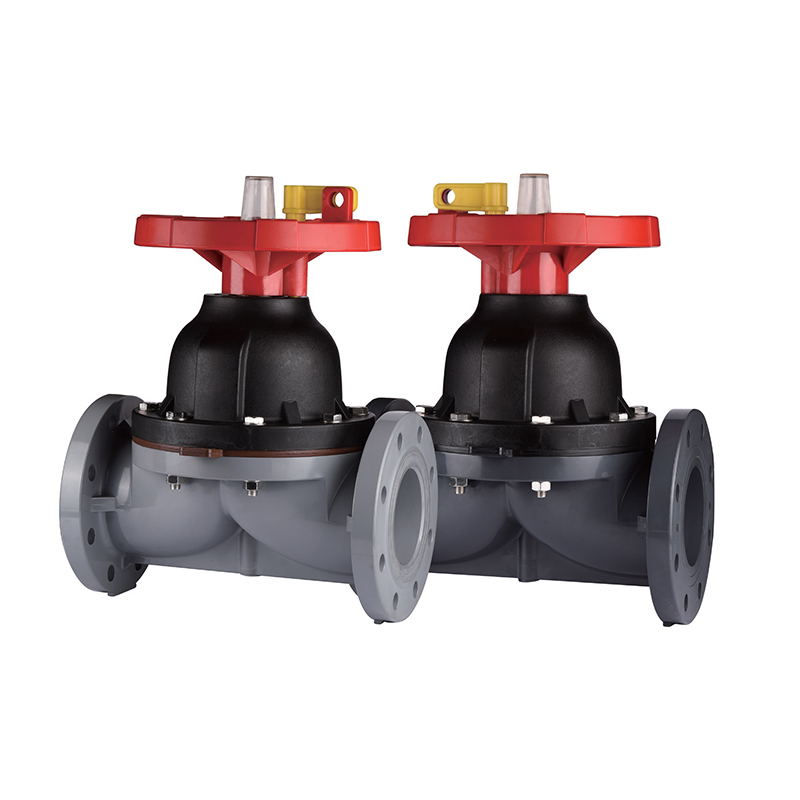
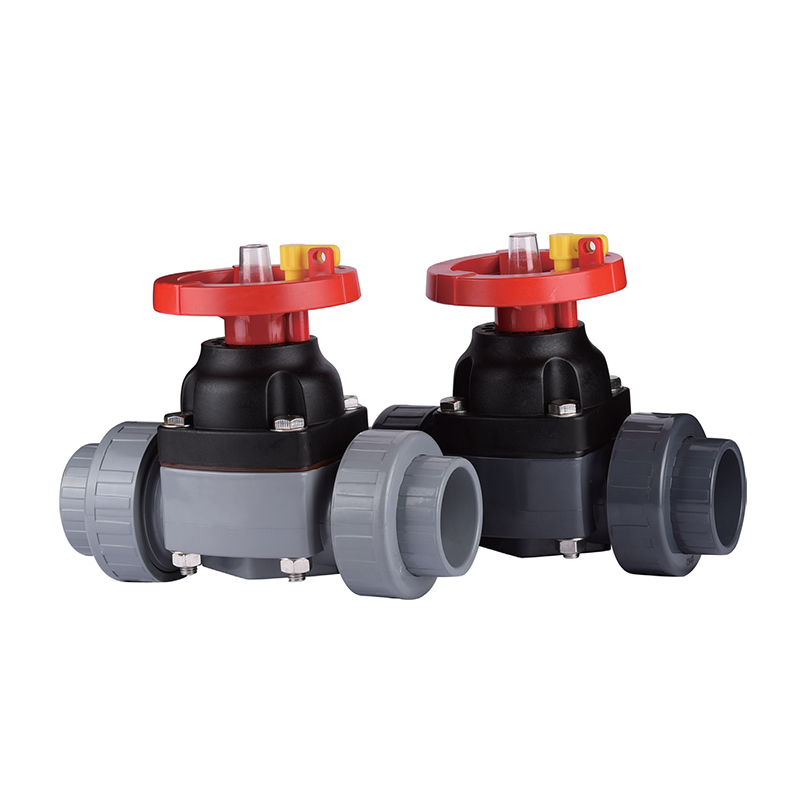
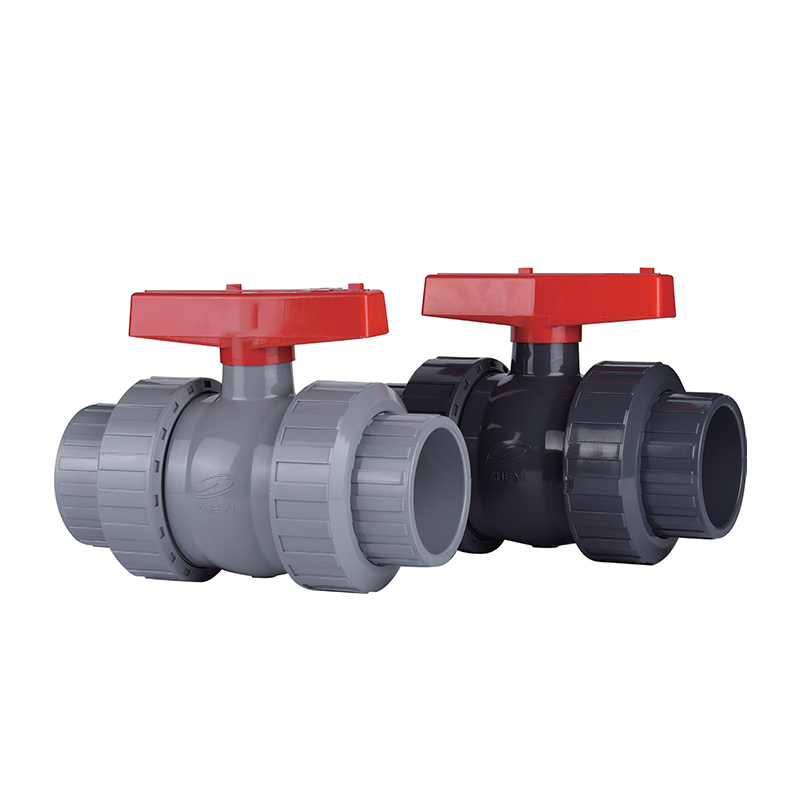
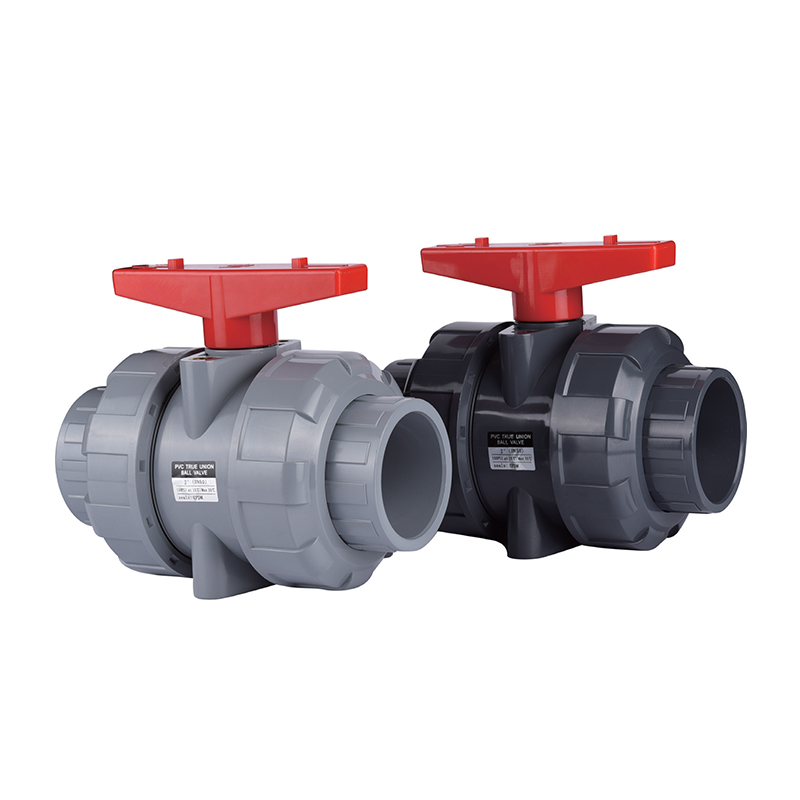
Operating Characteristics of CPVC flange ball valve
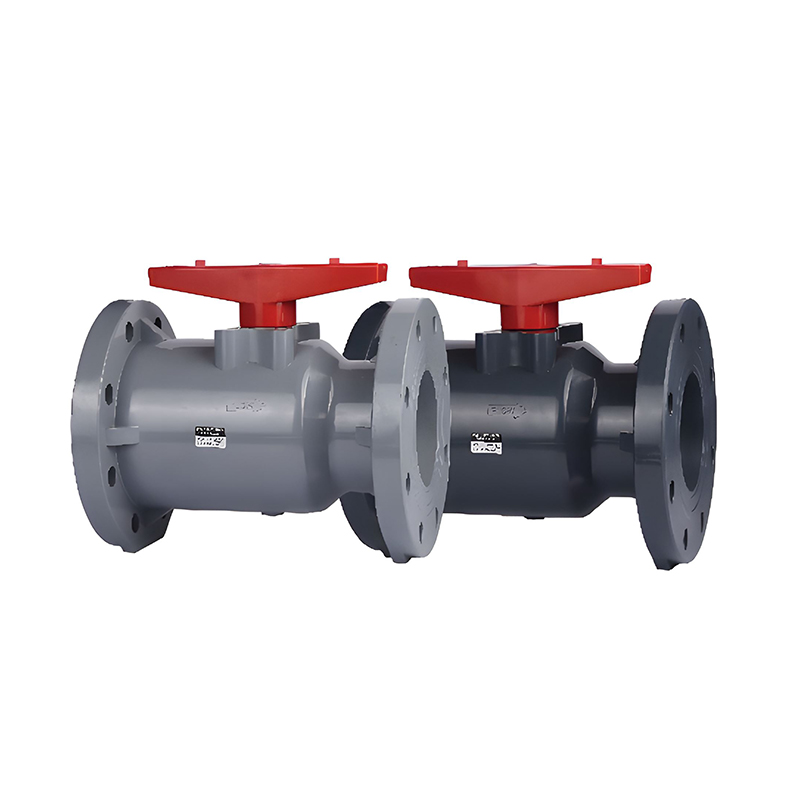
CPVC flange ball valves are widely used in industrial pipeline systems for acid, alkali, high-temperature, and corrosive fluid transportation. Their sealing reliability and service life are primarily determined by material selection, sealing structure design, and manufacturing precision.
Compared with metal valves, CPVC valves offer excellent chemical resistance and lower maintenance requirements. However, achieving stable long-term sealing performance requires optimized internal structure and suitable elastomer selection, especially in industrial CPVC flanged ball valve applications.
Core Design Elements Affecting Sealing Performance
Ball and Seat Matching Accuracy
The sealing performance of a CPVC flange ball valve depends heavily on the dimensional accuracy and surface finish of the ball and valve seat. A precisely machined ball ensures uniform contact pressure across the sealing surface, reducing localized wear and leakage risk.
| Design Factor |
Low Precision |
High Precision |
| Contact Uniformity |
Uneven |
Uniform |
| Initial Sealing Performance |
Moderate |
Excellent |
| Long-Term Wear |
Accelerated |
Controlled |
This precision is a critical contributor to CPVC flange ball valve sealing performance in continuous operation.
Flange Structure and Bolt Load Distribution
Flange design directly affects the valve's ability to maintain tight sealing under pressure and temperature fluctuations. Uniform bolt load distribution prevents flange deformation and protects the integrity of the sealing ring.
| Flange Design |
Uneven Bolt Load |
Optimized Bolt Load |
| Sealing Stability |
Unstable |
Stable |
| Risk of Leakage |
Higher |
Lower |
Sealing Ring Materials and Their Impact on Valve Lifespan
The sealing ring is the most critical wear component in a CPVC flange ball valve. Selecting the appropriate elastomer material directly determines resistance to temperature, pressure, and chemical attack.
Common sealing materials include EPDM and FKM, each offering distinct advantages depending on operating conditions. Proper selection of CPVC ball valve O-ring material ensures long-term sealing reliability.
| Material |
Chemical Resistance |
Temperature Resistance |
Service Life |
| EPDM |
Excellent for Alkali |
Moderate |
Long |
| FKM |
Excellent for Acids |
High |
Very Long |
Structural Design for Long-Term Durability
To extend service life, CPVC flange ball valves must incorporate features that minimize friction and mechanical stress. Floating ball designs allow automatic pressure compensation, while reinforced stem structures prevent deformation during frequent operation.
These design improvements are especially important for high temperature CPVC flange valve systems operating under continuous thermal cycling.
Application-Oriented Design Considerations for Industrial Systems
Different industries impose different demands on valve performance. Chemical and semiconductor industries prioritize chemical purity and corrosion resistance, while water treatment systems focus on sealing stability and operational safety.
- Optimized sealing design reduces maintenance frequency
- Material compatibility ensures chemical safety
- Structural reinforcement improves pressure resistance
- Proper selection enhances corrosion resistant CPVC ball valve performance
ZHEYI Group integrates research, manufacturing, and quality control to ensure CPVC pipeline valves meet stringent industrial requirements. Through advanced production systems and comprehensive certifications, long-term sealing reliability and operational safety are consistently achieved.
Frequently Asked Questions (FAQ)
1. What factors most affect the sealing performance of a CPVC flange ball valve?
Sealing performance is mainly influenced by ball-seat precision, sealing ring material, flange flatness, and bolt load uniformity.
2. How does sealing ring material selection impact service life?
Different elastomers respond differently to temperature and chemicals. Correct material selection significantly extends valve lifespan and reduces leakage risk.
3. Are CPVC flange ball valves suitable for high-temperature applications?
Yes, when properly designed and paired with suitable sealing materials, they perform reliably in elevated temperature environments.
4. How often should sealing components be inspected or replaced?
Inspection intervals depend on operating conditions, but periodic checks during system maintenance cycles are recommended to ensure sealing integrity.
5. What design features improve corrosion resistance?
High-purity CPVC material, smooth internal flow paths, and chemically compatible sealing rings all contribute to enhanced corrosion resistance.
 +86-15258772971
 dinys009@163.com

 English
 한국어
한국어 Español
 عربى
عربى