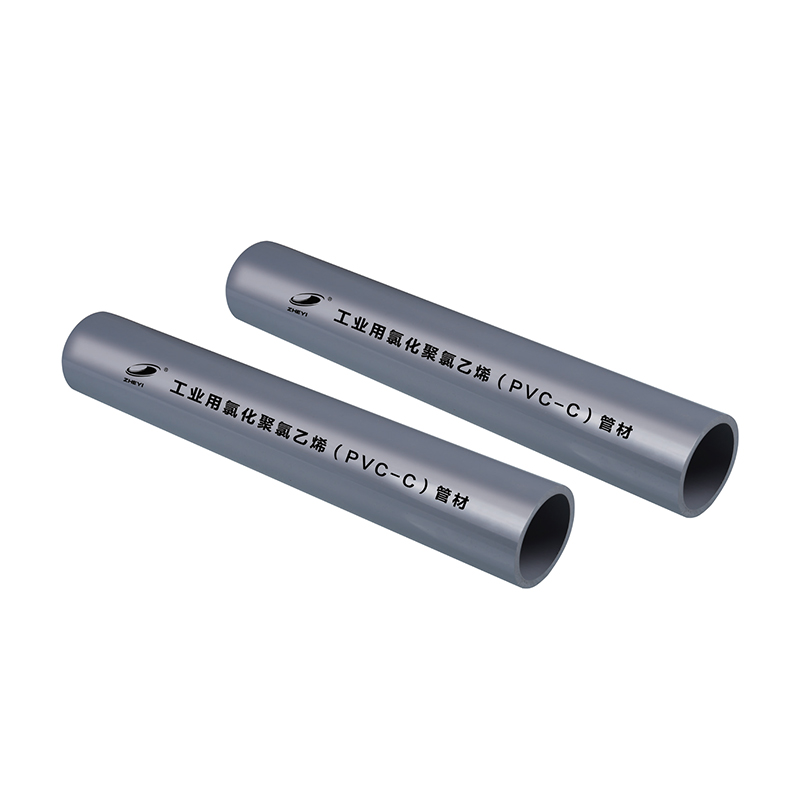
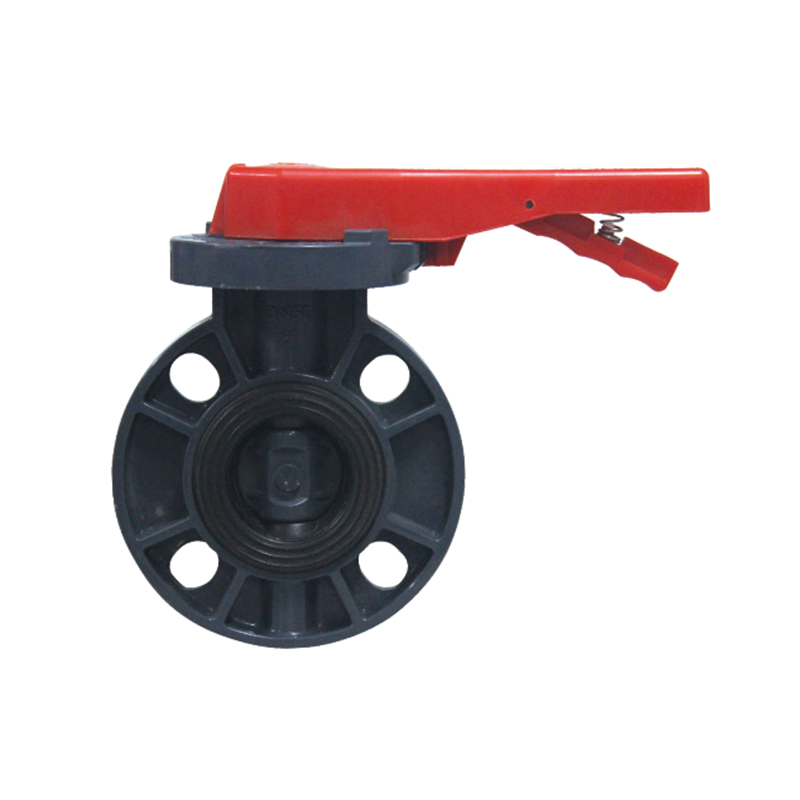
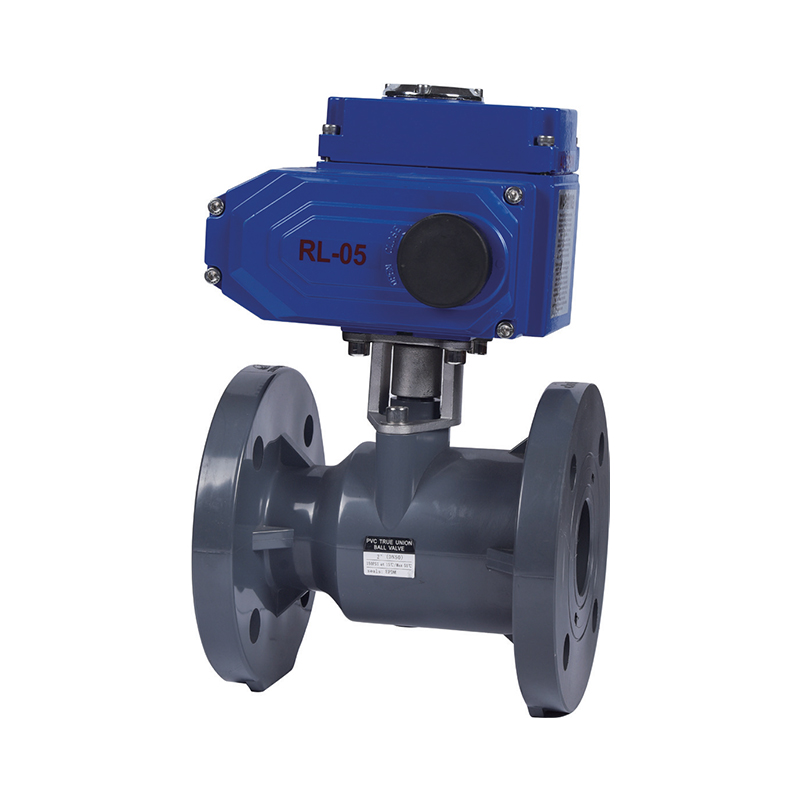
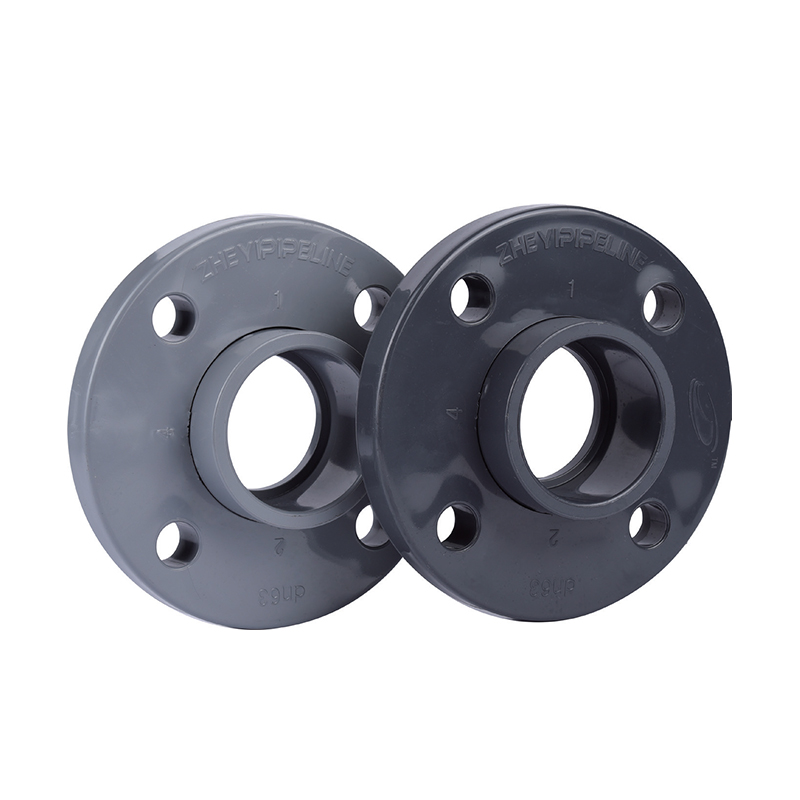
Overview of CPVC flanged ball valve Applications and Installation Requirements
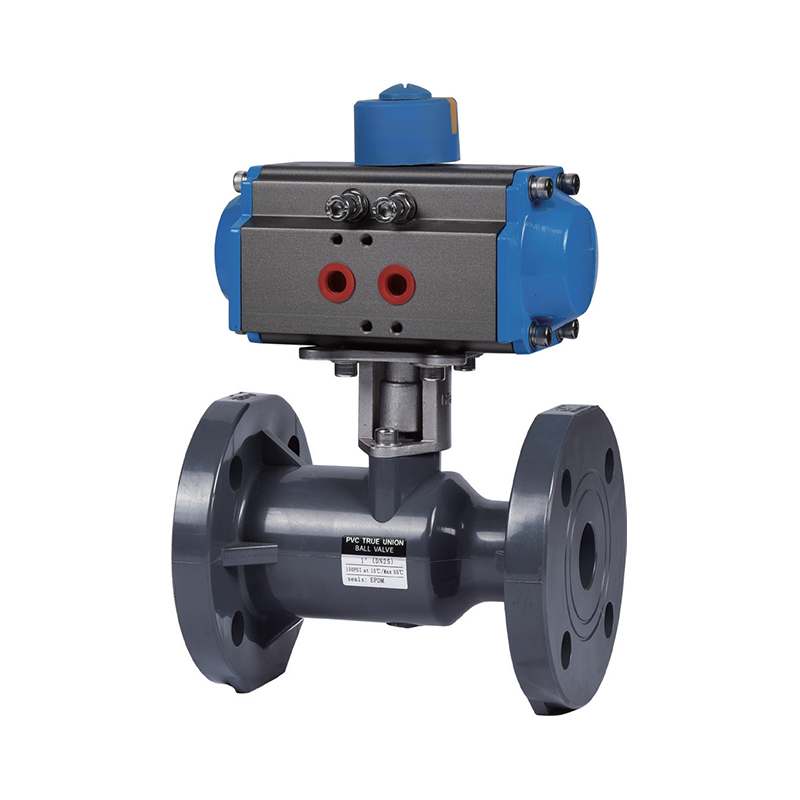
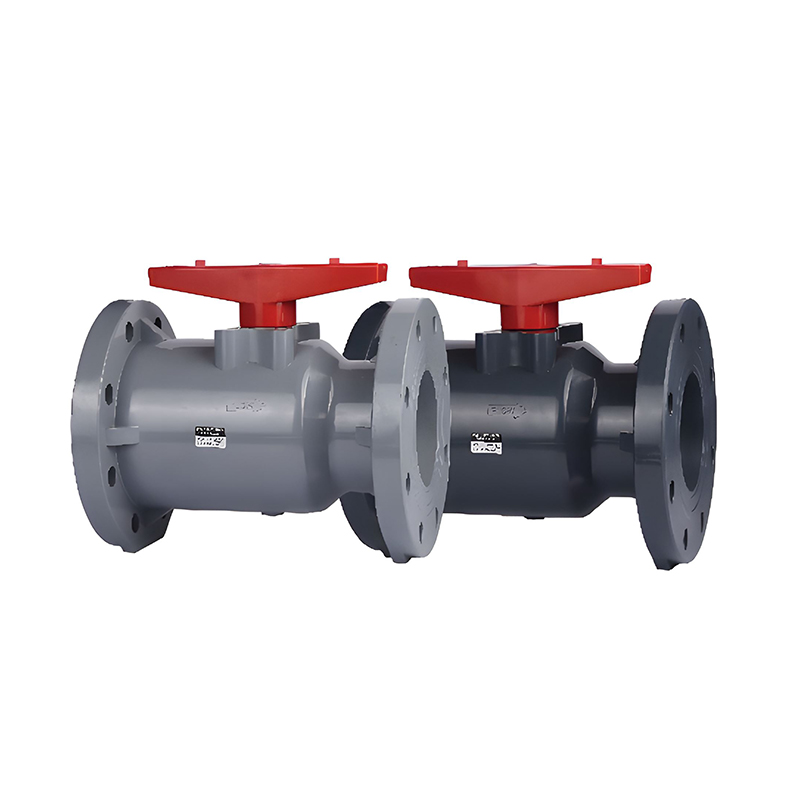
The CPVC flanged ball valve is widely used in industrial pipeline systems handling corrosive liquids, high-purity fluids, and temperature-sensitive media. During installation, compatibility between valve flange standards and existing pipeline flanges is a critical factor that directly affects sealing integrity, mechanical stability, and long-term operational safety.
In industrial environments such as chemical processing, water treatment, electronics manufacturing, and pharmaceutical utilities, improper flange matching can lead to leakage, uneven stress distribution, or premature failure. Therefore, understanding flange standards and connection principles is essential for reliable installation.
Common Flange Standards Used in CPVC Flanged Ball Valves
ANSI Flange Compatibility
ANSI flange standards are commonly adopted in North America and many international industrial projects. A CPVC flanged ball valve ANSI standard typically follows defined bolt hole patterns, pressure classes, and flange dimensions that allow direct connection to ANSI-rated pipeline systems.
| Parameter |
ANSI Flange |
Typical Application |
| Bolt Pattern |
Standardized |
Industrial Process Lines |
| Pressure Rating |
Clearly Defined |
Chemical and Water Systems |
| Interchangeability |
High |
ANSI Pipeline Networks |
DIN Flange Compatibility
DIN standards are widely used in Europe and parts of Asia. When evaluating CPVC flanged ball valve DIN compatibility, attention must be paid to nominal pressure ratings and bolt circle dimensions, which differ from ANSI standards.
| Parameter |
DIN Flange |
Consideration |
| Nominal Pressure |
PN Rated |
Pressure Matching Required |
| Bolt Circle |
Different from ANSI |
Direct Mixing Not Recommended |
| Installation Region |
Europe / Asia |
Regional Standard Compliance |
JIS Flange Compatibility
JIS flange standards are commonly applied in Japan and related industrial supply chains. A CPVC flanged ball valve JIS flange connection must align with specific dimensional tolerances to ensure proper sealing and load distribution.
| Parameter |
JIS Flange |
Engineering Note |
| Dimension Tolerance |
Strict |
Precision Installation Needed |
| Pressure Class |
Defined by JIS |
System Matching Required |
| Compatibility |
Standard-Specific |
Not Interchangeable with ANSI |
Ensuring Compatibility with Existing Pipeline Systems
Compatibility is achieved by matching flange standard, pressure rating, nominal diameter, and sealing surface type. Mixing different flange standards without proper adapters can lead to uneven gasket compression and leakage.
- Confirm flange standard before installation
- Verify pressure rating alignment
- Ensure consistent bolt hole alignment
- Avoid forced mechanical alignment
This approach is especially important for industrial CPVC flanged ball valve installation in retrofit or expansion projects.
Key Factors Affecting Flange Connection Reliability
Flange Face Design
Flange face flatness and surface finish directly influence sealing effectiveness. CPVC flanged valves typically use flat-face designs to reduce localized stress on plastic materials.
Bolt Selection and Torque Control
Uniform bolt tightening is essential to prevent flange deformation. Over-tightening can damage CPVC flanges, while under-tightening may cause leakage.
| Factor |
Proper Control |
Risk if Ignored |
| Bolt Torque |
Even and Controlled |
Flange Cracking |
| Tightening Sequence |
Cross Pattern |
Uneven Compression |
| Bolt Material |
Corrosion Resistant |
Reduced Service Life |
Gasket Material Selection
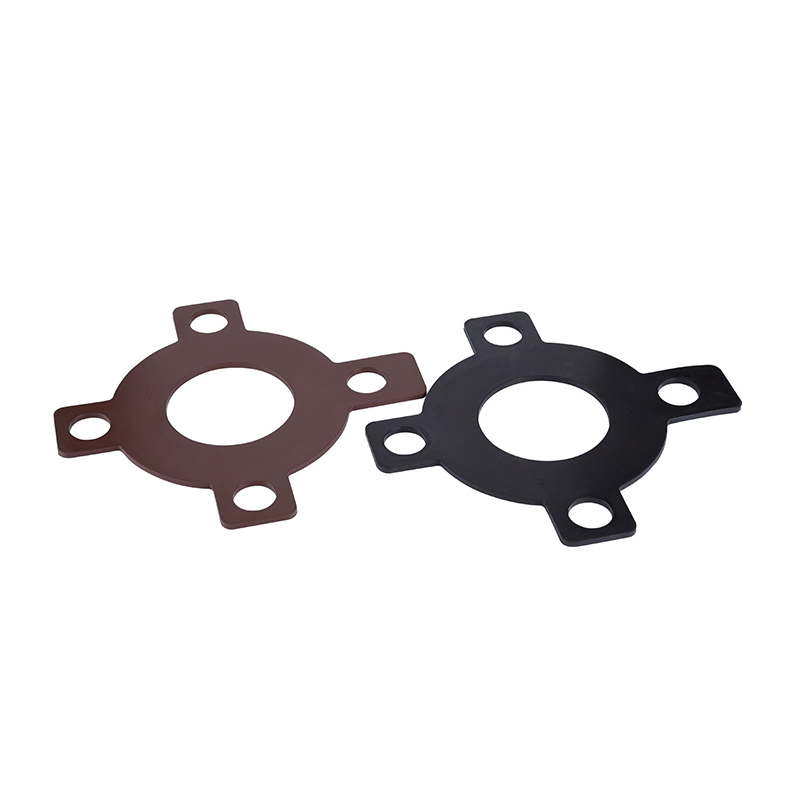
Gaskets must be chemically compatible with the conveyed media and suitable for CPVC flange faces. Proper gasket selection enhances CPVC flanged valve flange sealing reliability.
Engineering Practices to Improve Long-Term Flange Connection Performance
- Use standard-compliant flange dimensions
- Apply uniform torque during installation
- Conduct post-installation leak inspection
- Schedule periodic flange integrity checks
Manufacturing and Quality Control Capabilities Supporting Reliable CPVC Flanged Valves
ZHEYI Group, founded in 2007, focuses on research, manufacturing, and service of CPVC and UPVC industrial pipeline systems. With advanced production facilities in East China and Central China, the company supports high-precision molding, strict dimensional control, and standardized quality management.
Multiple management system certifications and extensive application experience across chemical, water treatment, electronics, and pharmaceutical industries enable consistent production of reliable CPVC flanged valve solutions for global markets.
Frequently Asked Questions (FAQ)
1. Can ANSI, DIN, and JIS CPVC flanged ball valves be directly connected?
No. Each flange standard has different bolt patterns and dimensions. Direct connection without adapters may cause sealing failure.
2. How can flange leakage be prevented during installation?
Leakage can be minimized by matching standards, selecting proper gaskets, and applying uniform bolt torque using a cross-tightening method.
3. Is CPVC suitable for high-temperature industrial pipelines?
CPVC offers better temperature resistance than standard PVC, but operating conditions must remain within specified limits.
4. What inspection is recommended after flange installation?
Visual inspection, pressure testing, and bolt torque verification are recommended after initial installation.
5. How often should flange connections be checked during operation?
Periodic inspection intervals depend on operating conditions, but annual checks are commonly recommended in industrial systems.
 +86-15258772971
 dinys009@163.com

 English
 한국어
한국어 Español
 عربى
عربى