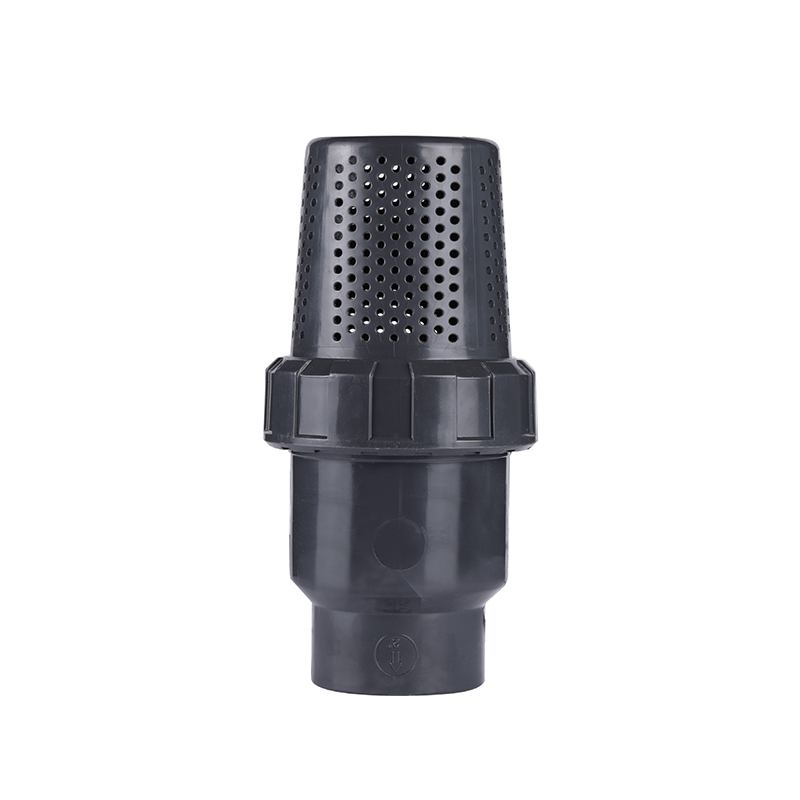
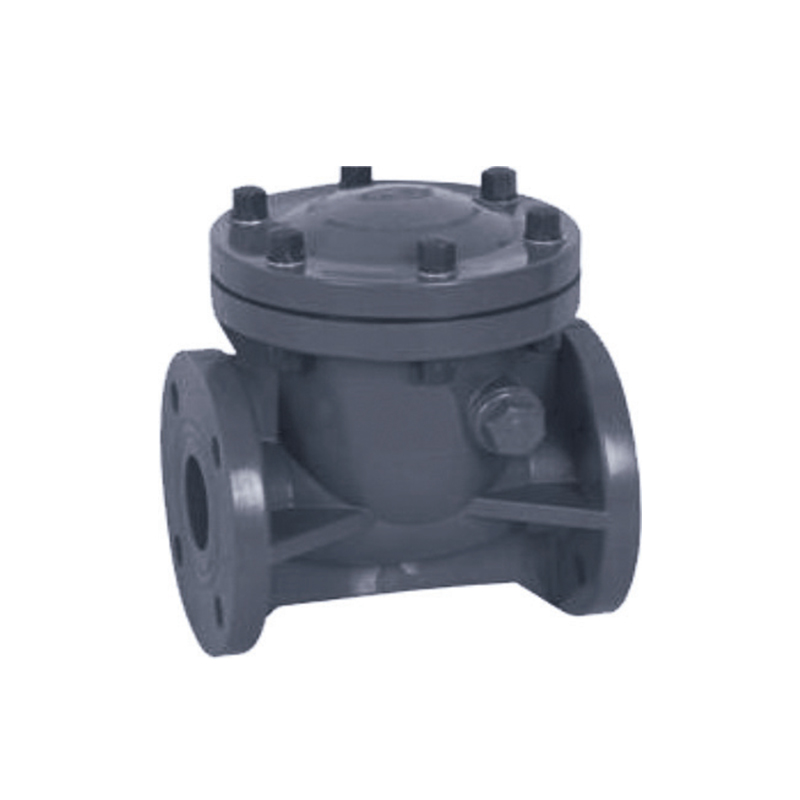
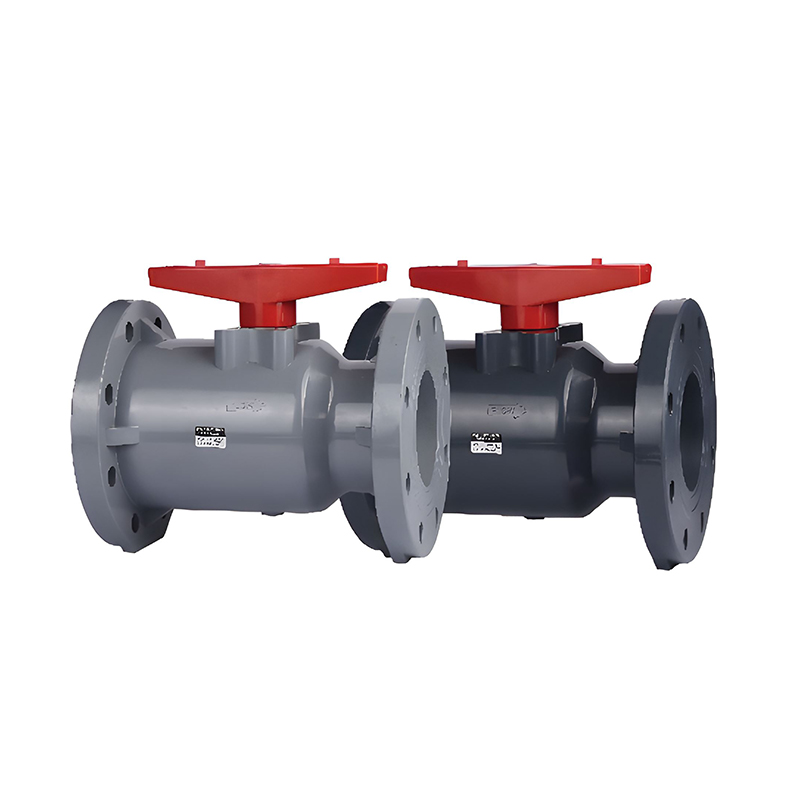
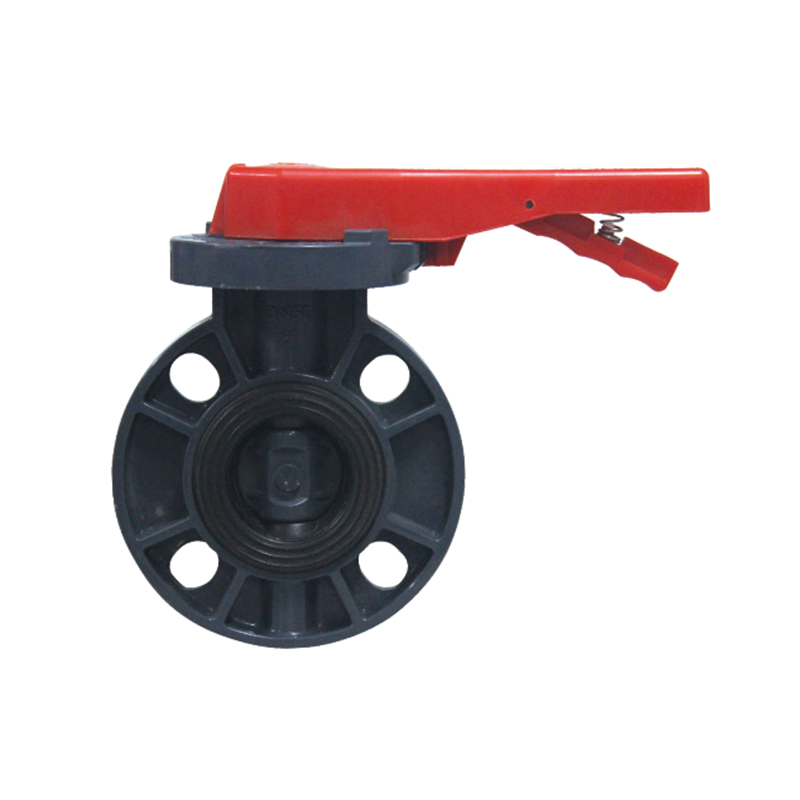
In the demanding landscape of industrial fluid handling, selecting the correct valve material is a critical engineering decision that impacts safety, operational longevity, and total cost of ownership. While stainless steel has long been a traditional staple and CPVC offers enhanced thermal limits, the u pvc valve remains a powerhouse in corrosive chemical processing. ZHEYI Group, founded in 2007 and a national high-tech enterprise, has dedicated nearly two decades to the R&D and manufacturing of high-performance non-metallic pressure pipelines. With a strong presence in East and Central China, our group—including Jiaxing Nanyi Pipeline Industry Co., LTD and Zheyi Pipeline (Wuhan) Co., Ltd.—integrates advanced German and American management systems to deliver industrial u pvc ball valve for acid alkali transportation that meets the most stringent global standards.
Chemical Compatibility and Corrosion Resistance
The primary advantage of a u pvc valve lies in its inherent resistance to a vast spectrum of aggressive media, including concentrated acids, alkalis, and salts. Unlike metallic valves, which are susceptible to galvanic corrosion and pitting in the presence of chlorides, unplasticized polyvinyl chloride is an inert thermoplastic that does not react with most industrial chemicals. According to the 2025 Industrial Catalogue by GF Piping Systems, PVC-U piping systems demonstrate exceptional chemical resistance at temperatures up to 60°C, making them the preferred choice for transporting aggressive media in water treatment and chemical manufacturing.
Source: GF Piping Systems - Industrial Catalogue 2025
Performance Comparison: UPVC vs. Stainless Steel
While stainless steel offers high mechanical strength, it often fails in high-chloride environments where it undergoes stress corrosion cracking. Conversely, a u pvc valve is entirely immune to oxidation and electrochemical corrosion, providing a maintenance-free service life in acidic environments where metals would require expensive specialty coatings or high-alloy grades.
| Feature |
Stainless Steel (316L) |
u pvc valve (ZHEYI Industrial Grade) |
| Chloride Resistance |
Poor (Subject to pitting) |
Excellent (Immune) |
| Oxidation/Rusting |
Possible over time |
Non-existent |
| Weight |
Heavy (High installation cost) |
Lightweight (Easy installation) |
| Relative Cost |
High (Subject to metal market fluctuations) |
Cost-effective (Stable pricing) |
Thermal Stability and Operational Limits
When comparing u pvc valve variants to CPVC (Chlorinated Polyvinyl Chloride), temperature becomes the defining factor. UPVC is optimized for ambient temperature processes (up to 60°C), whereas CPVC can handle elevated temperatures up to 93°C. For engineers sourcing a wholesale u pvc valve for water treatment, the UPVC variant offers the best value for standard industrial water and low-temperature chemical cycles. However, as noted in the 2025 IBR Standards Update by the PHMSA, the selection of non-metallic pressure pipelines must strictly adhere to revised material stress ratings and safety mandates to ensure environmental protection during the transport of hazardous fluids.
Source: PHMSA - 2025 IBR Standards Update Fact Sheet
UPVC vs. CPVC: Technical Specification Gap
UPVC maintains its rigid structure and chemical inertness perfectly within its thermal range; however, CPVC’s additional chlorination provides a safety margin for processes where exothermic reactions might cause temporary temperature spikes.
| Metric |
UPVC (Unplasticized) |
CPVC (Chlorinated) |
| Max Service Temp |
60°C (140°F) |
93°C (200°F) |
| Impact Strength |
High at ambient temp |
Moderately lower than UPVC |
| Main Application |
Acid/Alkali, Water treatment |
Hot corrosive liquids, PVDF alternatives |
| Typical Product |
industrial u pvc ball valve for acid alkali |
High-temp chemical pipeline valves |
Engineering Reliability and Certifications
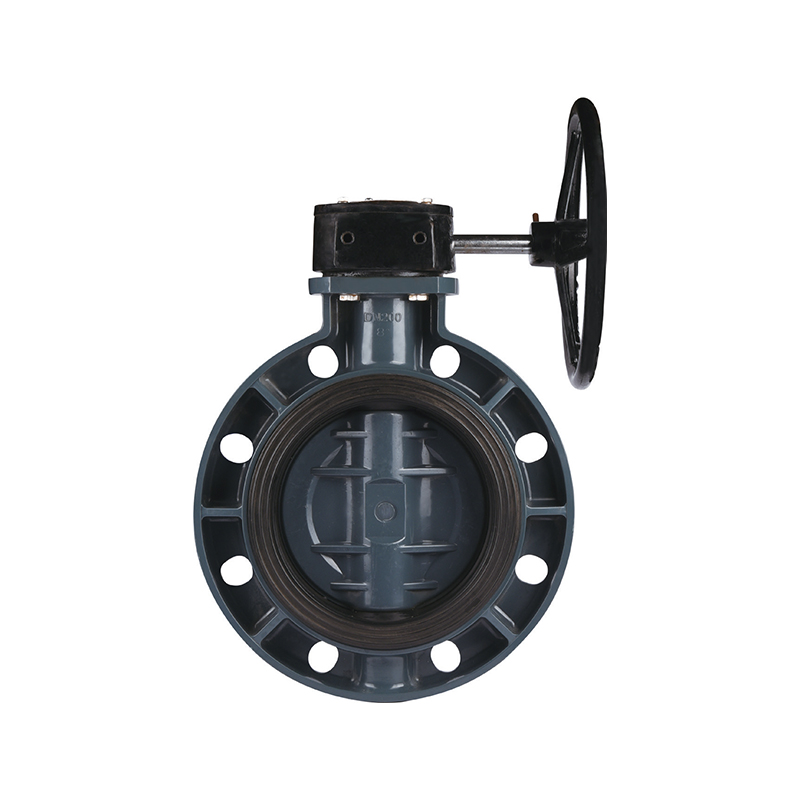
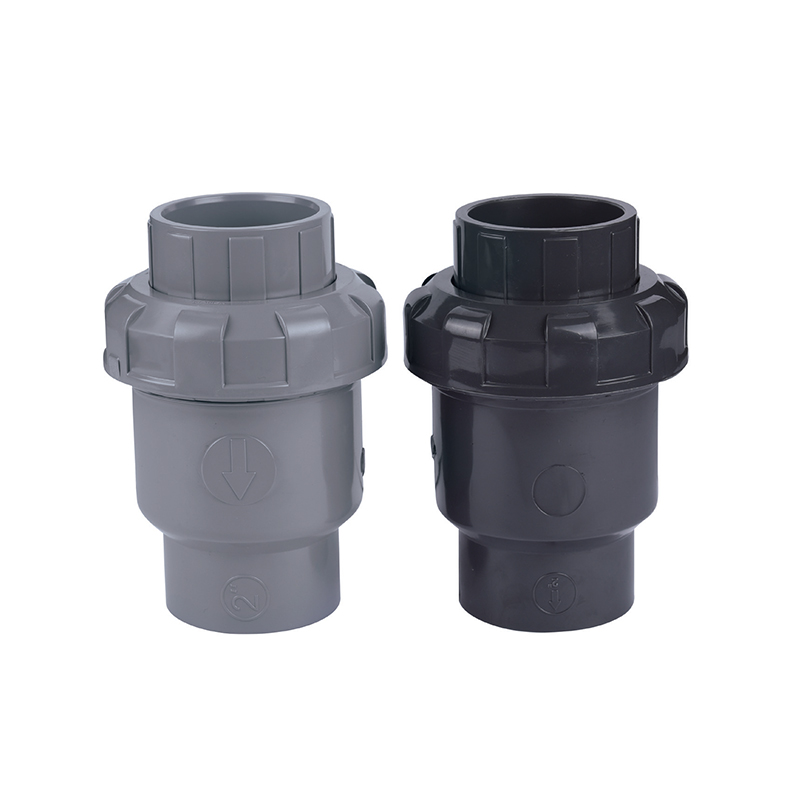
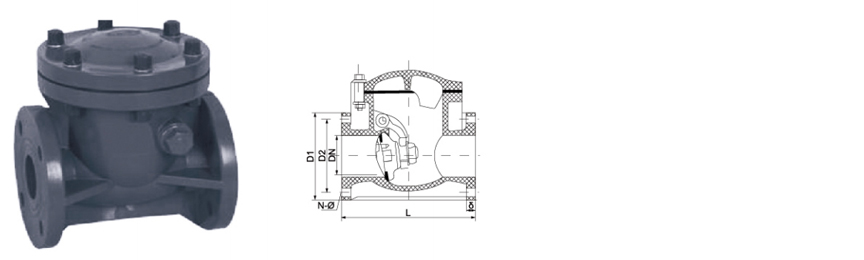
For B2B procurement, a high precision u pvc butterfly valve for chemical plants must be backed by rigorous quality management systems. ZHEYI Group operates under ISO9001, ISO14001, and ISO45001 certifications, ensuring every component—from the valve body to the internal seals—meets industrial pressure ratings. Our East China base, Jiaxing Nanyi Pipeline Industry Co., LTD, is recognized as a provincial small and medium-sized enterprise of "specializing in ultra new," reflecting our commitment to advanced tooling and unique raw material management. Whether you require a heavy duty u pvc check valve for industrial pumps or specialized ball valves, our products are engineered to provide zero-leakage performance in photovoltaic, semiconductor, and nuclear power industries.
- Design Excellence: Over 50 independent intellectual property rights in pipeline and valve technology.
- Advanced Manufacturing: Utilization of imported technology and unique raw materials from Germany and America.
- Global Reach: Exported to Europe, America, and Southeast Asia with a network of over 30 domestic sales companies.
- Sanitary Compliance: Holds Zhejiang Province water-related products sanitary licenses for drinking water applications.
Frequently Asked Questions (FAQ)
1. Is a u pvc valve suitable for high-pressure chemical lines?
Yes, within its rated pressure class. A u pvc valve is typically rated for Schedule 80 applications, providing excellent pressure resistance for industrial fluid transport at room temperature.
2. Can I use an industrial u pvc ball valve for acid alkali at 80°C?
No. For temperatures above 60°C, we recommend switching to CPVC. Using an industrial u pvc ball valve for acid alkali beyond its thermal limit can lead to softening of the material and potential failure.
3. How does a high precision u pvc butterfly valve for chemical plants handle abrasive fluids?
UPVC has excellent abrasion resistance compared to many metals. However, for highly abrasive slurries, it is important to ensure the valve liner (often EPDM or FPM) is compatible with the mechanical wear of the media.
4. Why should I choose a wholesale u pvc valve for water treatment over stainless steel?
Cost and longevity are the primary reasons. A wholesale u pvc valve for water treatment is significantly lighter and cheaper than stainless steel, and it will never rust or corrode in the presence of chlorination chemicals used in water purification.
5. Is the heavy duty u pvc check valve for industrial pumps resistant to UV?
While UPVC is naturally resistant to many environmental factors, long-term exposure to direct sunlight can lead to a decrease in impact strength. ZHEYI Group's industrial valves are formulated with stabilizers to enhance outdoor performance, but protective measures are recommended for extreme UV environments.
 +86-15258772971
 dinys009@163.com
 English
 한국어
한국어 Español
 عربى
عربى