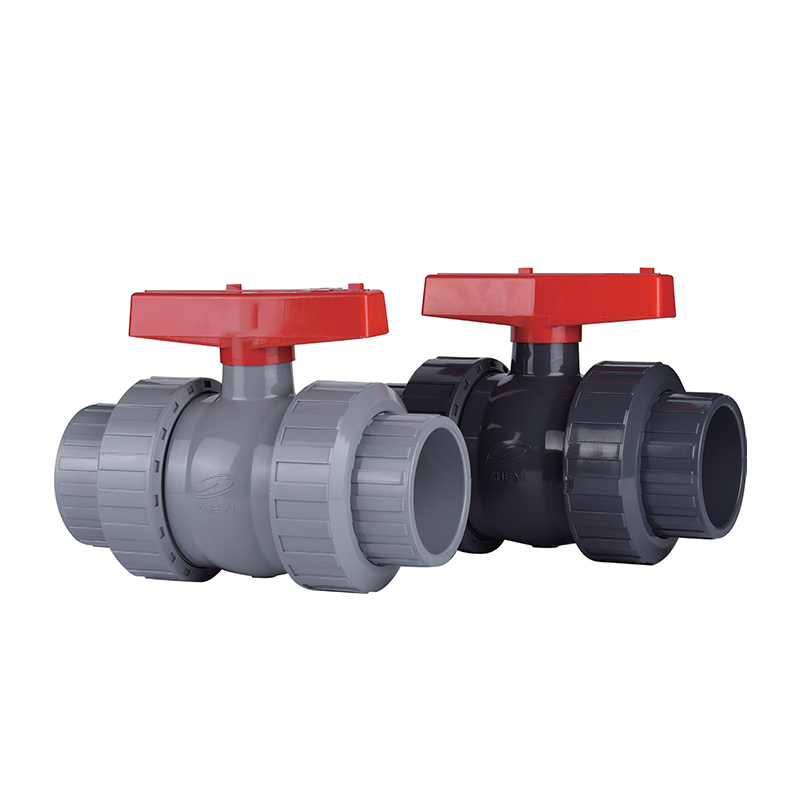
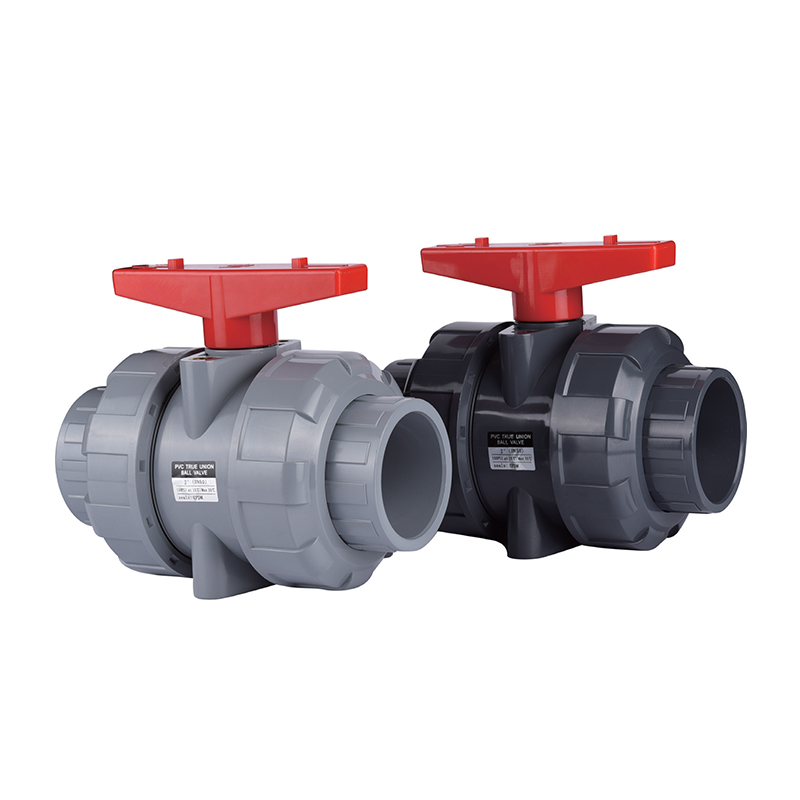
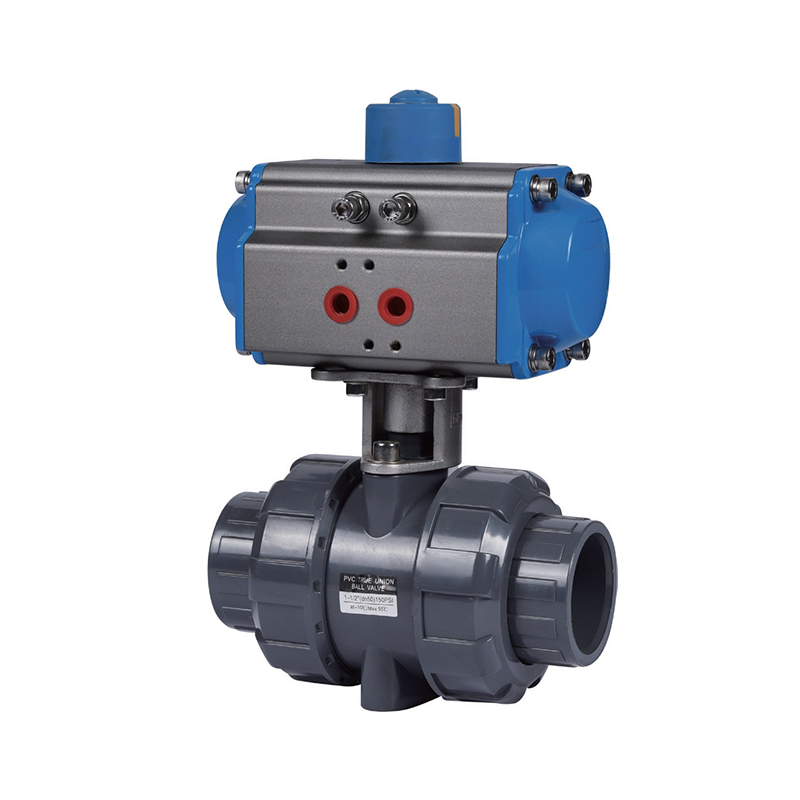
In industrial fluid handling, the presence of suspended solids or particulate matter often leads to mechanical failure, flow restriction, or costly downtime. For engineers in the chemical, semiconductor, and water treatment sectors, selecting a CPVC Flanged Ball Valve is not merely about chemical resistance but also about the internal geometry and its ability to handle "dirty" fluids. ZHEYI Group, founded in 2007 and recognized as a national high-tech enterprise, has dedicated years to the R&D of non-metallic pressure pipelines. Utilizing advanced technology from Germany and America, we manufacture high-performance corrosion resistant CPVC flange valves for chemical processing designed to maintain operational integrity in the most demanding environments, ensuring ZHEYI remains a benchmark in China's industrial pipeline industry.
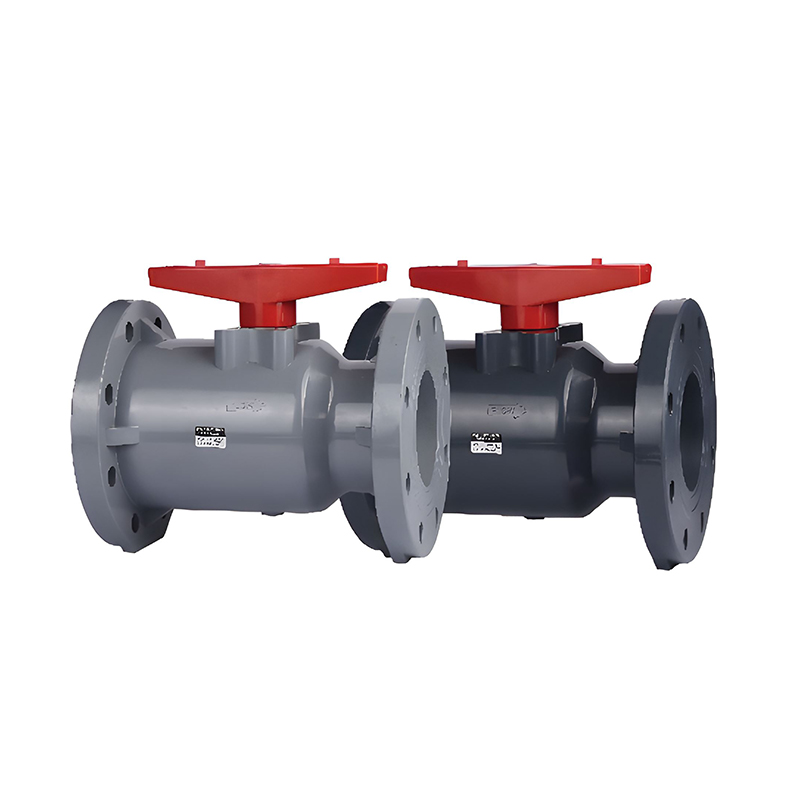
Full Port vs. Reduced Port: Structural Impact on Particle Handling
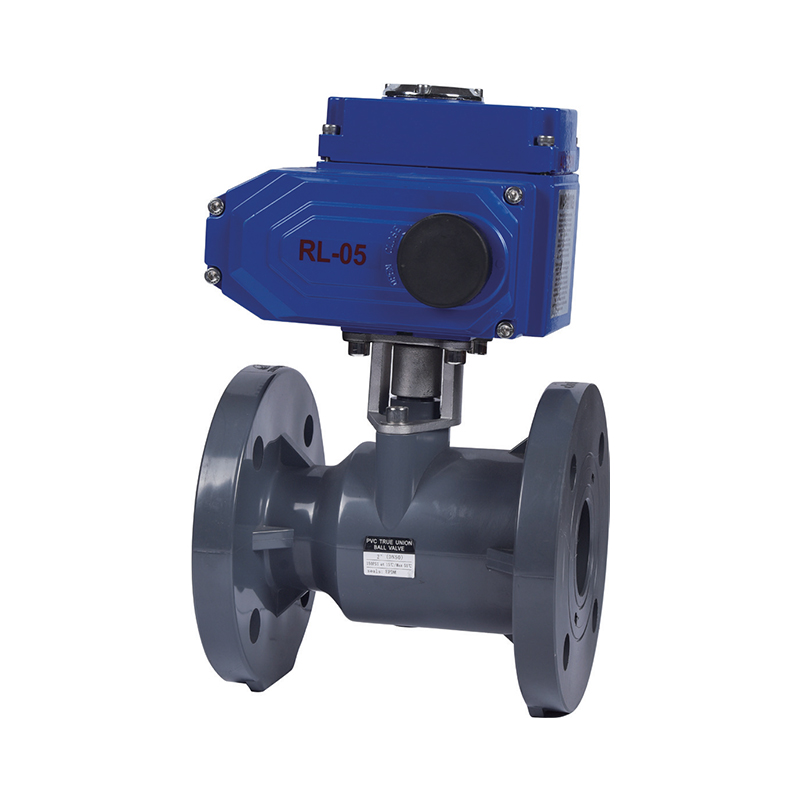
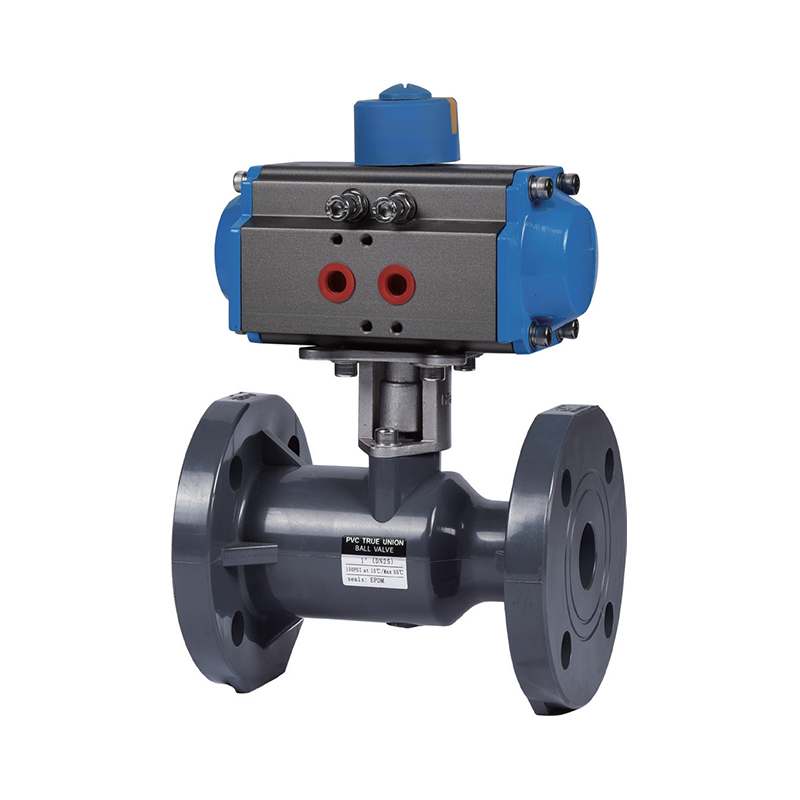
The internal bore design of a CPVC Flanged Ball Valve is the primary defense against clogging. A full port (or full bore) design ensures that the hole in the ball is the same size as the internal diameter of the pipeline, whereas a reduced port design features a smaller opening that can trap debris. According to the 2024 Industrial Valve Market Analysis by the Plastic Pipes and Fittings Association (PPFA), full-port plastic valves reduce turbulence and pressure drop by up to 30% compared to reduced-port alternatives, significantly lowering the risk of sediment accumulation. For a high temperature CPVC flanged ball valve for industrial use, the full port structure allows solid particles to pass through the valve body at the same velocity as the main stream, effectively "self-cleaning" the valve during normal operation.
Source: PPFA - Plastic Pipes and Fittings Association: 2024 Technical Standards for Industrial Thermoplastic Valves
Comparison: Full Port vs. Reduced Port Geometry
While reduced port valves are often more compact and cost-effective for clean water, they are highly prone to "dead zones" where particles can settle. In contrast, a chemical grade CPVC ball valve with flanged ends in a full port configuration eliminates these bottlenecks, ensuring smooth passage for slurries and impurities.
| Design Attribute |
Full Port CPVC Flanged Ball Valve |
Reduced Port Ball Valve |
| Flow Path Diameter |
Equal to pipe ID (No restriction) |
Smaller than pipe ID (Standard reduction) |
| Clogging Risk |
Minimal (Solid particles pass freely) |
High (Particulates catch on internal lips) |
| Pressure Drop () |
Negligible (Optimizes pump efficiency) |
Significant (Increases system stress) |
| Fluid Velocity |
Constant (Prevents sedimentation) |
Varies (Creates turbulent zones) |
Avoiding Actuation Jamming: Seat and Seal Engineering
Clogging does not just happen in the flow path; fine particles can migrate into the space between the ball and the valve seat, causing the valve to "seize" or stick. To counter this, a heavy duty CPVC flanged valve for wastewater treatment must utilize high-quality PTFE seats with specialized "wiper" designs. Technical breakthroughs in 2025 highlighted by the American Society of Mechanical Engineers (ASME) B16.34 standards for valves emphasize the use of elastic-seated materials that can "envelope" minor particulates and wipe them away during the rotation of the ball. ZHEYI Group incorporates these unique raw materials and management systems to produce true union CPVC flanged ball valves for water systems that prevent torque spikes and ensure long-term reliability even when handling electronic-grade water or acidic industrial waste.
Source: ASME - American Society of Mechanical Engineers: 2025 Standards for Thermoplastic Pressure Valves
Comparison: Standard Seats vs. Self-Cleaning Seat Designs
Standard seats often allow fine grit to become embedded in the sealing surface, leading to permanent leaks. Advanced self-cleaning designs featured in our corrosion resistant CPVC flange valves for chemical processing maintain a constant seal pressure that effectively clears the ball surface upon every cycle.
| Mechanical Property |
Standard PTFE Seating |
Self-Cleaning / Wiper Seat Design |
| Frictional Torque |
Increases as particles accumulate |
Stays consistent (Wiping action) |
| Seat Abrasion |
High (Particles act as sandpaper) |
Low (Particles are pushed away) |
| Sealing Integrity |
Degrades over time with solids |
Extended service life in dirty media |
| Maintenance Cycle |
Frequent (Requires flushing) |
Minimal (Self-maintaining design) |
ZHEYI Group: Quality Assurance for Critical Infrastructure
Ensuring that a CPVC Flanged Ball Valve performs in high-impurity environments requires rigorous quality control. ZHEYI Group holds over 50 independent intellectual property rights and follows the ISO9001 and ISO14001 management systems to guarantee that our industrial pipelines meet global benchmarks. Whether used in metallurgy, photovoltaics, or lithium battery production, our high temperature CPVC flanged ball valve for industrial use is tested for burst pressure and cycle life. Our dual bases in East and Central China allow us to provide rapid service and diversified products to customers across Europe, America, and Southeast Asia, adhering to our core values of excellence and sustainable development.
- Precision Tooling: German-engineered molds ensure perfectly spherical balls to minimize seat wear.
- Advanced Materials: Unique CPVC formulations for enhanced chemical and thermal stability.
- Comprehensive Certification: Production License of Special Equipment and water-related product sanitary licenses.
- National High-Tech Enterprise: Continuous R&D focused on non-metallic pressure pipeline benchmarks.
Frequently Asked Questions (FAQ)
1. Can a CPVC Flanged Ball Valve handle abrasive slurries?
While CPVC Flanged Ball Valve designs are excellent for chemical resistance, for highly abrasive slurries, we recommend the full-port design combined with specialized PTFE seats to minimize the erosion caused by constant particle impact.
2. What is the maximum temperature limit for ZHEYI CPVC valves?
Our high temperature CPVC flanged ball valve for industrial use is generally rated for continuous operation up to 93°C (200°F), depending on the system pressure and fluid concentration.
3. How does the flange connection help with maintenance?
The chemical grade CPVC ball valve with flanged ends allows for easy "drop-out" maintenance. In systems with high impurities, this allows operators to remove and inspect the valve without cutting the pipeline.
4. Does ZHEYI provide valves for ultra-pure water?
Yes, we produce true union CPVC flanged ball valves for water systems that meet sanitary license approval for ultra-pure water and electronic-grade water transportation, ensuring no contamination of the fluid stream.
5. Why is "full port" better for industrial wastewater?
In heavy duty CPVC flanged valve for wastewater treatment applications, "full port" ensures there are no internal ledges or diameter changes where fibrous materials or grit can snag and create a blockage.
 +86-15258772971
 dinys009@163.com

 English
 한국어
한국어 Español
 عربى
عربى