I. The Critical Role of Non-Metallic Flow Control
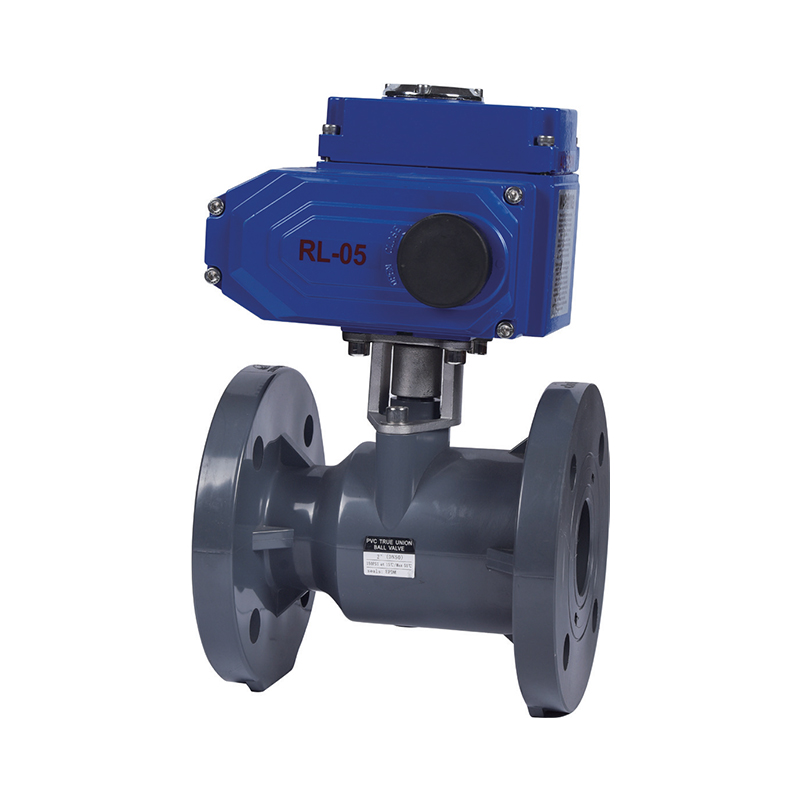
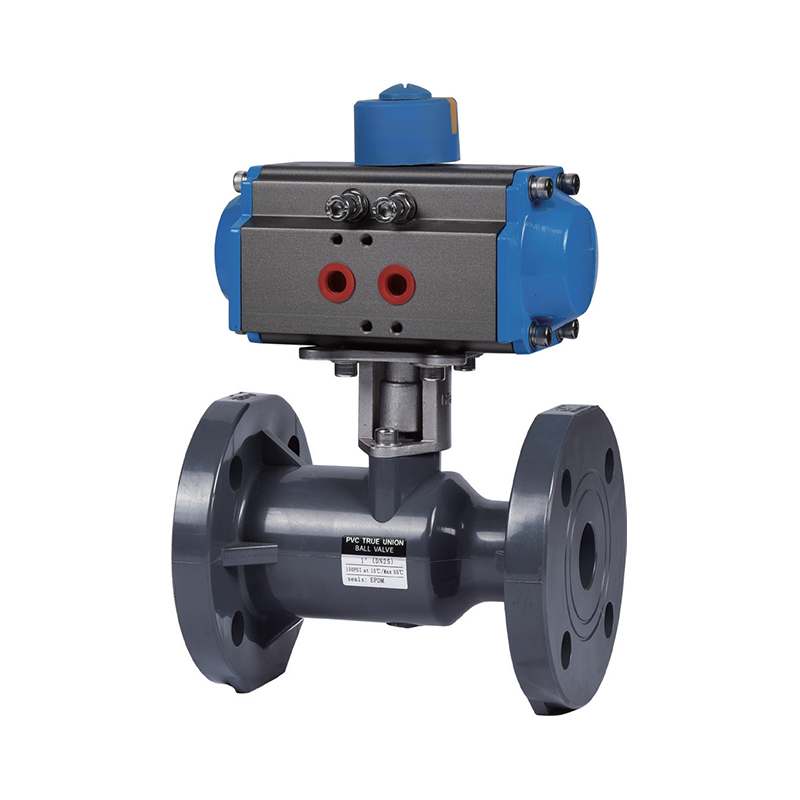
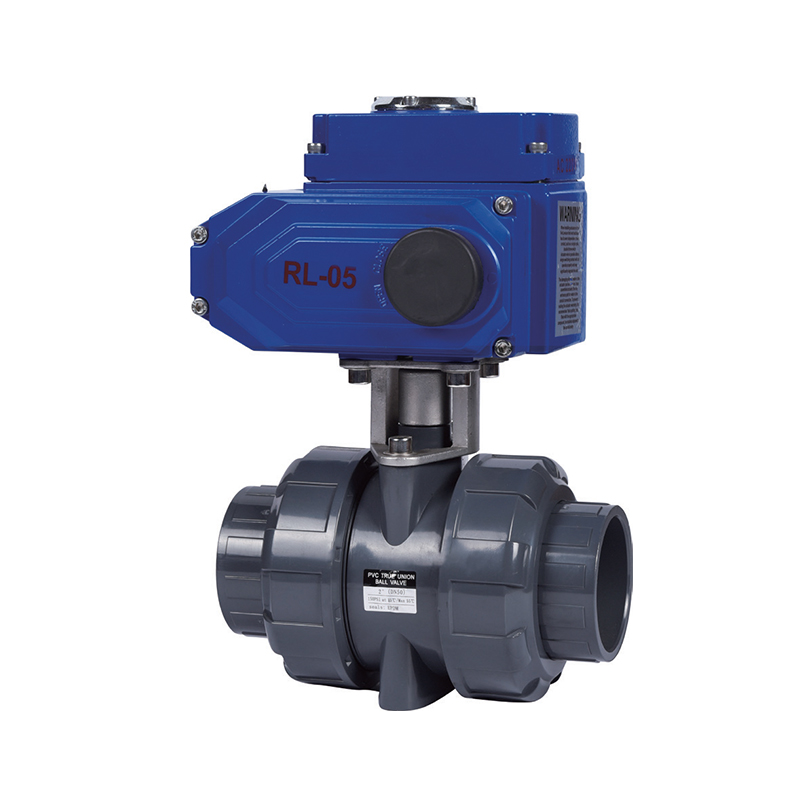
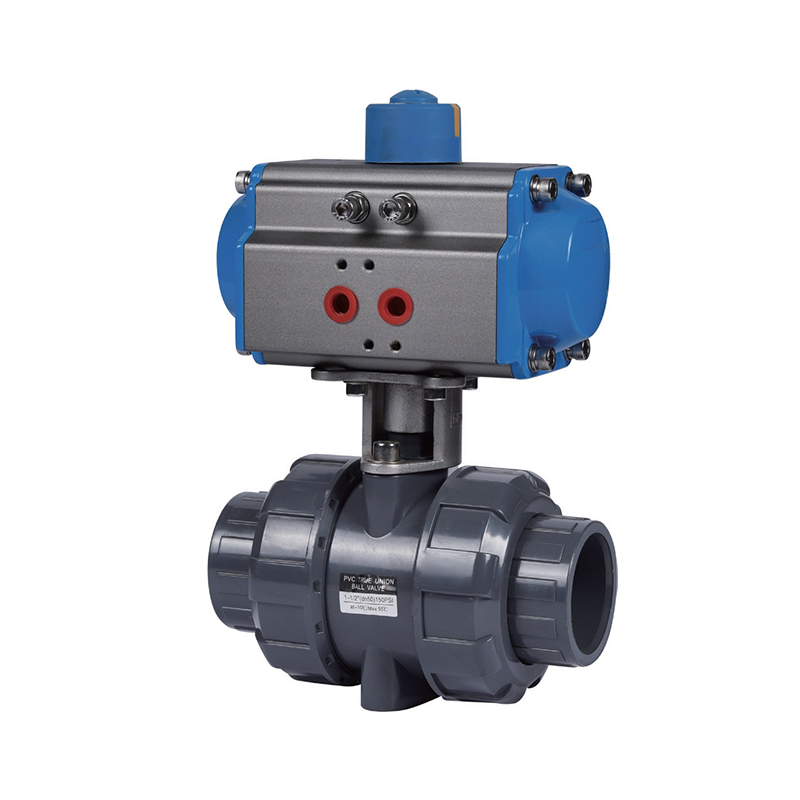
In critical industrial sectors—including chemical processing, lithium battery production, nuclear power, and advanced industrial water treatment—the performance of every component is paramount. The CPVC Flanged Ball Valve serves as a vital isolation point, chosen specifically for its ability to handle highly corrosive media where traditional metal valves would fail. For B2B procurement and process engineers, the challenge is not just selecting a plastic valve, but specifying one whose material properties (specifically corrosion resistance, temperature tolerance, and pressure rating) are verifiably matched to the exact operational requirements of the system. ZHEYI Group, a national high-tech enterprise established in 2007, specializes in the R&D and manufacturing of high-performance CPVC and UPVC industrial pipelines. With manufacturing bases in both East and Central China, we adhere to stringent international standards, holding certifications such as ISO 9001, ISO 14001, and a Special Equipment Production License. Our dedication to integrating advanced technology and unique raw materials from Germany and America ensures that our CPVC Flanged Ball Valve products meet the highest technical standards required for reliable operation in acid, alkali, and ultra-pure water environments.
II. Chemical Compatibility: The Corrosion Resistance Benchmark
The performance of the CPVC Flanged Ball Valve against aggressive chemicals stems from its chemical composition. CPVC, or Chlorinated Polyvinyl Chloride, contains significantly more chlorine than standard UPVC. This higher chlorine content enhances CPVC's ability to resist chemical attack and, crucially, elevates its glass transition temperature (Tg). This molecular change allows the valve to maintain its structural integrity and long-term stress cracking resistance of CPVC fittings when exposed to corrosive media at elevated temperatures. Focusing on the chemical resistance of CPVC ball valves to strong acids, CPVC maintains excellent resistance to most mineral acids (like Sulfuric, Hydrochloric, and Nitric acids) and many bases (like Sodium Hydroxide) at concentrations that would rapidly destroy metallic or even some other non-metallic materials. Proper selection of internal components—such as Polytetrafluoroethylene or Ethylene Propylene Diene Monomer seats and seals—is also vital to ensure the entire valve assembly maintains corrosion resistance.
A. CPVC vs. UPVC: A Comparative Corrosion Resistance Profile
While UPVC (Unplasticized Polyvinyl Chloride) is also a robust material for piping, CPVC's chemical and thermal advantages make it superior for more demanding applications. The fundamental difference lies in temperature handling.
| Property |
CPVC |
UPVC (PVC-U) |
Implication for CPVC Flanged Ball Valve |
| Maximum Operating Temperature (Continuous) |
Up to 93 degrees Celsius (200 degrees Fahrenheit) |
Up to 60 degrees Celsius (140 degrees Fahrenheit) |
CPVC is mandated for hot corrosive fluid lines. |
| Resistance to Strong Acids |
Excellent up to higher temperatures and concentrations. |
Good, but performance drops sharply above 40 degrees Celsius. |
CPVC allows for greater process flexibility. |
|
| Long-term Stress Cracking Resistance |
Higher, due to increased molecular stability. |
Lower, especially when exposed to certain stress-inducing fluids. |
CPVC offers better longevity in dynamic systems. |
III. Thermal and Pressure Performance: The CPVC Operating Envelope
The maximum allowable working pressure (MAWP) of a CPVC Flanged Ball Valve is not static; it is inversely proportional to the fluid temperature. This relationship is critical and is governed by the CPVC temperature and pressure derating curve. Design engineers must always consult this curve to ensure the system's MAWP is not exceeded at the maximum operating temperature. Exceeding the curve, even briefly, can lead to premature failure and compromise the long-term stress cracking resistance of CPVC fittings. For standard fittings, the pressure rating is based on a nominal value at 23 degrees Celsius (73 degrees Fahrenheit). As the temperature rises, the tensile strength of the CPVC material decreases, requiring a mandatory reduction, or "derating," of the pressure.
A. Understanding Pressure Derating with Temperature
The hydrostatic design stress (HDS) of CPVC decreases significantly as temperature increases. For example, a system rated for 150 pounds per square inch at 23 degrees Celsius will have a drastically lower safe operating pressure at 82 degrees Celsius (180 degrees Fahrenheit). The precise derating factors must be applied rigorously to ensure the integrity of the CPVC Flanged Ball Valve and associated piping.
| Temperature (Celsius) |
Temperature (Fahrenheit) |
Pressure Derating Factor (Multiplier) |
Maximum Allowed Pressure (Percent of Nominal) |
| 23 |
73 |
1.00 |
100% |
| 49 |
120 |
0.62 |
62% |
| 66 |
150 |
0.40 |
40% |
| 82 |
180 |
0.25 |
25% |
Procurement specifications must always detail the operating temperature to confirm the valve's pressure rating against this CPVC temperature and pressure derating curve.
IV. Flange Specification and System Integration
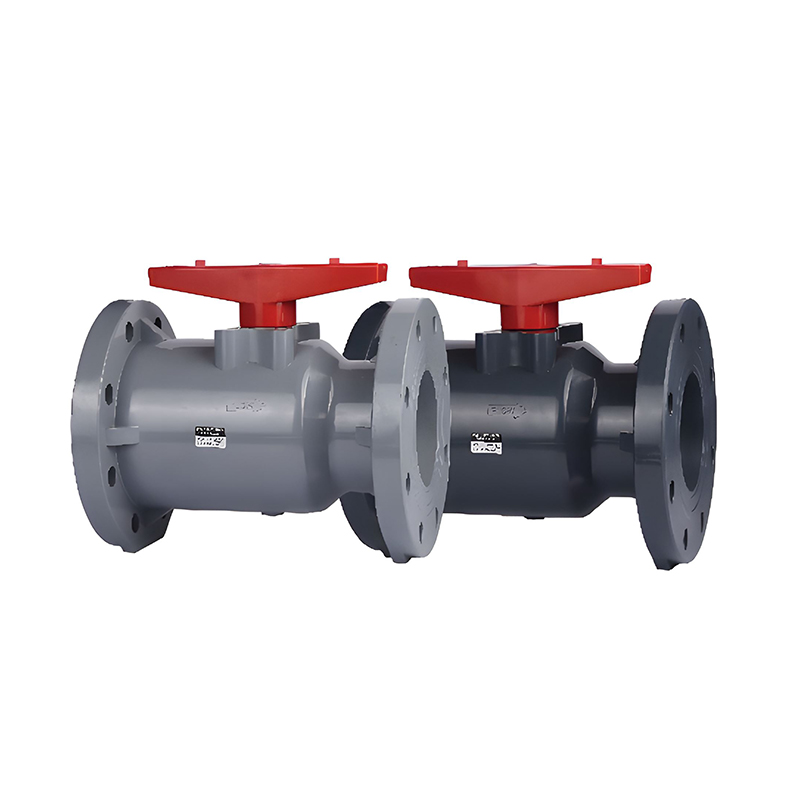
The flanged end connection is a key feature of the CPVC Flanged Ball Valve, facilitating easy installation, maintenance, and reliable connection to industrial equipment. Ensuring American National Standards Institute B16.5 flange compatibility with CPVC is standard practice. Most industrial plastic flanges are designed to match the dimensional standards of ANSI Class 150 metal flanges, allowing seamless integration into mixed material systems. For specialized applications, particularly those requiring absolute purity, such as flanged CPVC valve specification for high-purity water and semiconductor manufacturing, material integrity is paramount. CPVC's non-leaching nature, low total organic carbon release, and smooth internal bore make it suitable for these applications, provided the material is manufactured to the highest standards. Proper installation technique, especially achieving the correct bolt torque, is critical. Under-tightening can lead to leaks, while over-tightening can induce excessive stress, accelerating long-term failure and compromising the long-term stress cracking resistance of CPVC fittings. ZHEYI Group's expertise, leveraging advanced tooling and quality control, ensures the precision required for these critical connections.
V. Precision Engineering for Critical Applications
The specification of a CPVC Flanged Ball Valve is a multidisciplinary engineering exercise, balancing chemical compatibility, the CPVC temperature and pressure derating curve, and connection integrity. By selecting products manufactured under strict quality controls and intellectual property standards—such as those upheld by ZHEYI Group, a national high-tech enterprise—B2B buyers ensure system reliability, minimize maintenance, and protect sensitive process media. We are committed to creating a national brand and becoming the benchmark of China's non-metallic pressure pipeline industry by delivering engineered solutions for the most demanding applications.
VI. Frequently Asked Questions (FAQs)
Q1: How does the higher chlorine content in CPVC enhance its corrosion resistance compared to UPVC?
- A: The additional chlorine atoms in CPVC's molecular chain create a more stable, less reactive polymer structure. This higher stability enables the CPVC Flanged Ball Valve to withstand chemical attack and maintain its structural integrity at significantly higher temperatures than UPVC.
Q2: What is the most critical consideration when using a CPVC Flanged Ball Valve at elevated temperatures?
- A: The most critical consideration is the pressure derating requirement. As temperature increases, the material's strength decreases, requiring a strict reduction in the maximum allowable working pressure. Always reference the CPVC temperature and pressure derating curve to avoid premature system failure.
Q3: Is a CPVC Flanged Ball Valve suitable for ultra-pure water systems, and what are the specific requirements?
- A: Yes, CPVC is widely used in high-purity and flanged CPVC valve specification for high-purity water systems due to its non-leaching properties. Requirements include using high-purity resin, ensuring smooth internal finishes to prevent microbial growth, and often requiring specific cleaning and packaging protocols before delivery.
Q4: What causes long-term stress cracking resistance of CPVC fittings to fail?
- A: Failure is typically caused by a combination of sustained internal or external stress (from improper installation, misalignment, or excessive bolt torque) and chemical exposure. Certain non-aggressive process chemicals can attack the material when internal stress levels are high, leading to failure over time.
Q5: Does CPVC have inherent chemical resistance of CPVC ball valves to strong acids at high temperatures?
- A: While CPVC offers excellent resistance, its performance against strong acids is temperature-dependent. The resistance level is significantly higher than UPVC, but aggressive chemicals will always require consulting the specific chemical compatibility chart at the exact operating temperature and concentration to prevent material degradation.
 +86-15258772971
 dinys009@163.com
 English
 한국어
한국어 Español
 عربى
عربى