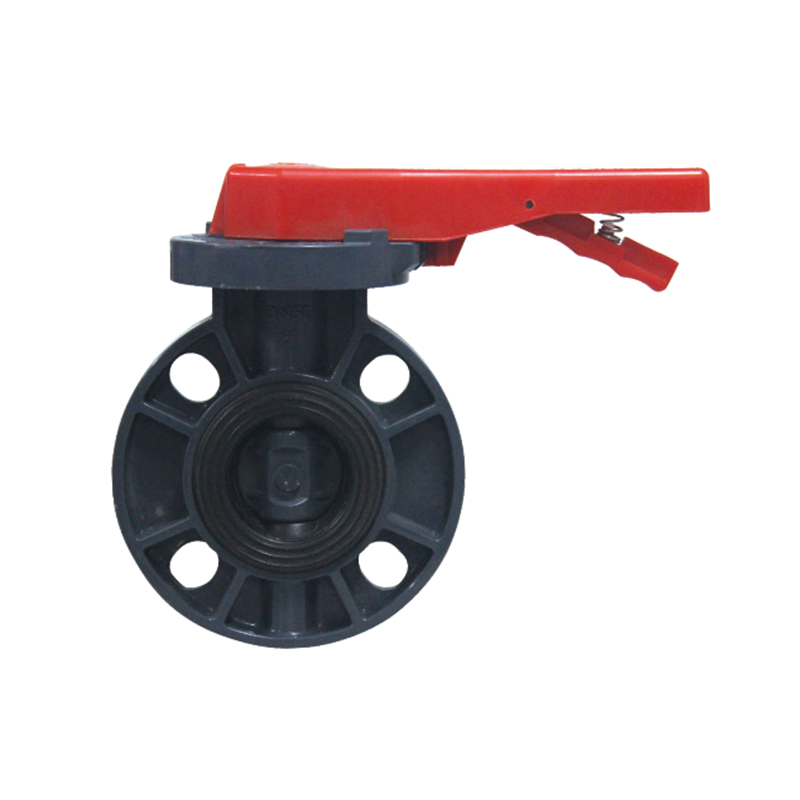
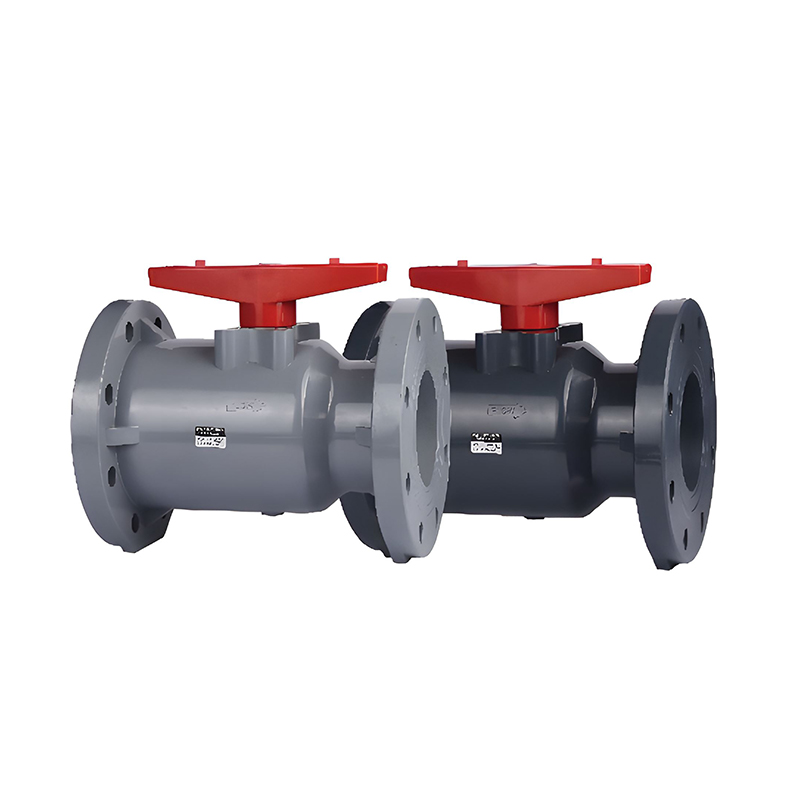
In the transition toward Industry 4.0, the selection of terminal control elements in corrosive fluid piping is critical for system reliability. The CPVC flanged ball valve has become the preferred choice for handling acids, alkalis, and ultra-pure water in sectors such as semiconductors, lithium batteries, and chemical processing. ZHEYI Group, founded in 2007, is a national high-tech enterprise specializing in the R&D and manufacturing of high-performance CPVC and UPVC industrial pipelines. With over 50 independent intellectual property rights and certifications including ISO9001 and the Production License of Special Equipment, we provide the technical foundation for complex automation projects. Assessing the operating torque of CPVC ball valves and choosing between manual, electric, or pneumatic actuators is a multi-dimensional engineering task that determines both operational efficiency and maintenance cycles.
The Engineering Significance of Operating Torque
Operating torque is the rotational force required to overcome friction between the ball and the seats, as well as the stem seal resistance. For a CPVC flanged ball valve, this value is not static; it is influenced by line pressure, fluid temperature, and the chemical nature of the medium. Proper industrial CPVC valve torque calculation is essential for actuator sizing to prevent "under-powering," which causes incomplete closure, or "over-powering," which can shear the CPVC stem. According to 2024 technical updates from the Valve Manufacturers Association (VMA), optimized polymer seat designs can reduce startup torque by up to 20% compared to traditional configurations, significantly lowering the energy requirements of automation systems.
Source: VMA: 2024 Technical Standards and Fluid Control Industry Performance Data
Comparison: Torque Requirements Across Actuation Stages
The torque profile of a ball valve is typically highest at the "breakaway" point (opening) and the "reseat" point (closing), while the running torque is relatively lower during the 90-degree travel.
| Operational Phase |
Torque Characteristic |
Impact on Actuation |
| Breakaway Torque |
Peak Force required to initiate movement. |
Determines the minimum safety factor for motors. |
| Running Torque |
Lower, steady force during rotation. |
Affects the duty cycle and heat dissipation. |
| Reseat Torque |
Final compression against the valve seat. |
Ensures zero-leakage performance in high-pressure lines. |
Evaluating Actuator Types for Automation Control
The choice of actuator type—manual, electric, or pneumatic—directly impacts the response speed and integration depth of the control system. For high-frequency switching or failsafe requirements, a pneumatic actuated CPVC ball valve is often the gold standard due to its rapid stroke time and ability to return to a "normally closed" or "normally open" position upon air loss. In contrast, electric actuator for CPVC flanged valves are preferred for precise flow modulation and remote monitoring via PLC or SCADA systems. Recent 2025 market statistics from the International Society of Automation (ISA) indicate that the demand for "Smart" electric actuators with integrated diagnostics has grown by 15% in chemical wastewater treatment plants to reduce unplanned downtime.
Source: ISA: 2025 Automation Technology Trends and Actuator Market Analysis
Comparison: Suitability of Actuator Types in Corrosive Environments
While manual operation is cost-effective for isolation, automated solutions provide the consistency needed for modern industrial water treatment and acid-alkali liquid transportation.
| Actuator Type |
Pros for CPVC Systems |
Automation Applicability |
| Manual Handle/Gear |
Highest reliability; no external power needed. |
Low; limited to local isolation and maintenance. |
| Pneumatic (Air-to-Air/Spring) |
Fast response (1-3s); inherently explosion-proof. |
High; ideal for safety interlocks and fast batching. |
| Electric (AC/DC/Modulating) |
Easy wiring; high precision in positioning. |
Highest; integrates easily with digital IoT protocols. |
Assessing Operational Convenience and System Integration
For B2B procurement and engineering, the "convenience" of a CPVC flanged ball valve is measured by its ease of mounting and serviceability. ZHEYI Group utilizes advanced tooling and management systems from Germany and America to ensure that our valve ISO 5211 top flanges are machined to high tolerances. This allows for the high performance CPVC flanged ball valve for chemicals to be coupled with any standard actuator without custom brackets. This "plug-and-play" capability is essential in large-scale photovoltaic or nuclear power projects where hundreds of valves must be integrated into a single control loop under strict IS014001 environmental management systems.
Conclusion: The ZHEYI Commitment to Quality
Evaluating a CPVC flanged ball valve for automation requires a thorough understanding of the relationship between mechanical torque and actuator response. By selecting the correct electric actuator for CPVC flanged valves or pneumatic systems based on precise calculation, engineers can ensure the long-term integrity of industrial pipelines. ZHEYI Group remains committed to the core values of "Excellence and Integrity," aiming to remain the benchmark of China's non-metallic pressure pipeline industry by providing diversified, high-quality products to the global stage.
Frequently Asked Questions (FAQ)
- Why is torque higher in CPVC valves than in metal valves? CPVC is a polymer with a higher coefficient of friction against PTFE seats compared to polished stainless steel, requiring careful industrial CPVC valve torque calculation.
- Can a pneumatic actuated CPVC ball valve be used in ultra-pure water systems? Yes, provided the actuator is properly coated for cleanroom compatibility and the valve itself is an electronic-grade water certified ZHEYI pipeline product.
- What happens if the operating torque exceeds the actuator's limit? The actuator may stall, or the internal gears could be damaged. In severe cases, the CPVC flanged ball valve stem may undergo mechanical fatigue.
- Does ZHEYI Group offer high performance CPVC flanged ball valve for chemicals with customized torque specs? Yes, we can adjust seat tension and material compounds to meet specific torque requirements for unique chemical applications.
- What is the standard mounting interface for these valves? Most ZHEYI valves follow the ISO 5211 standard, making them compatible with a wide range of global electric actuator for CPVC flanged valves.
 +86-15258772971
 dinys009@163.com

 English
 한국어
한국어 Español
 عربى
عربى