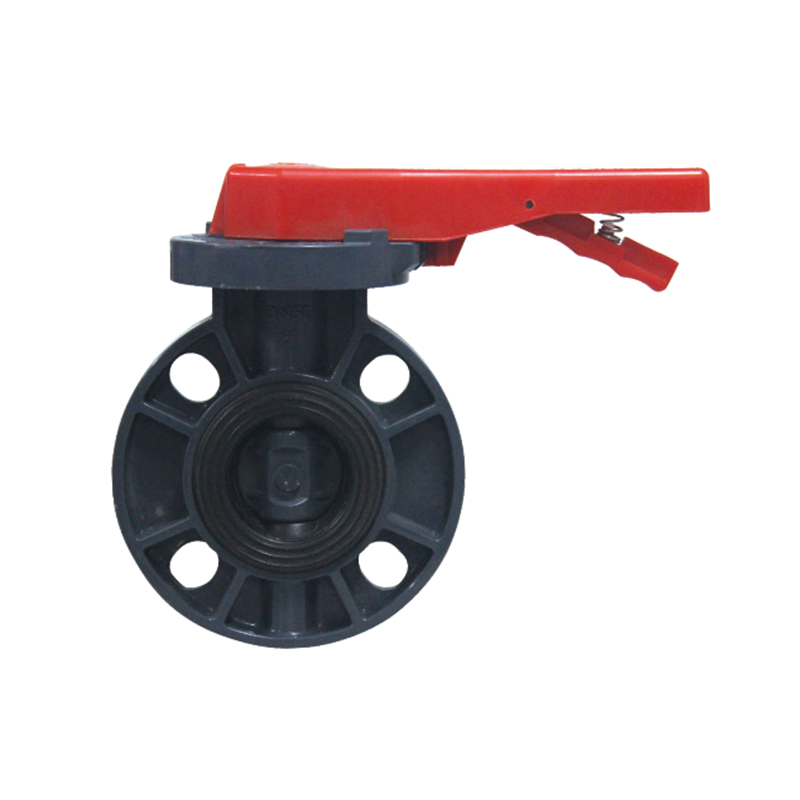
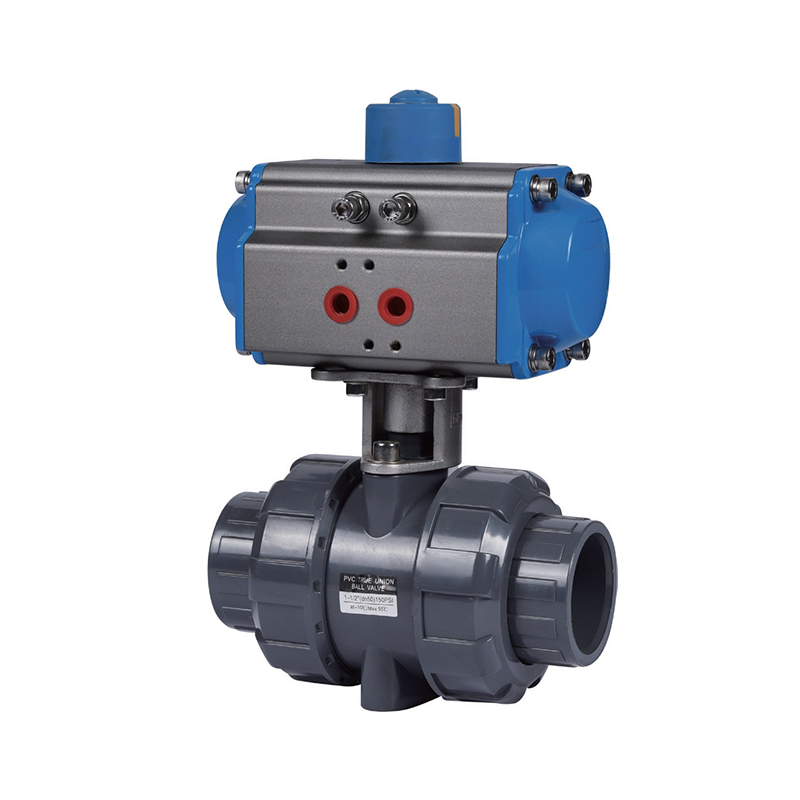
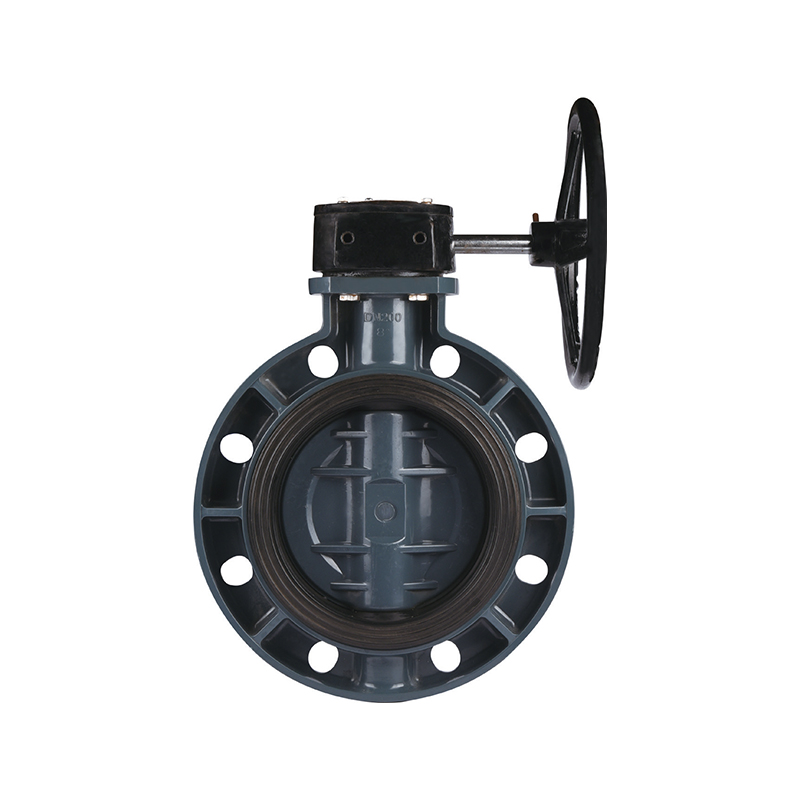
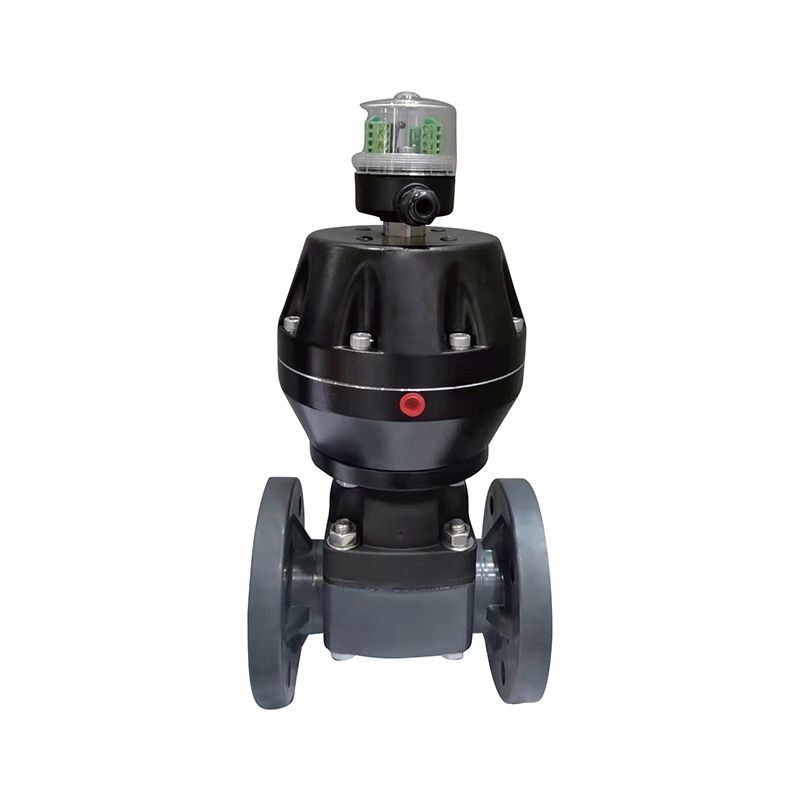
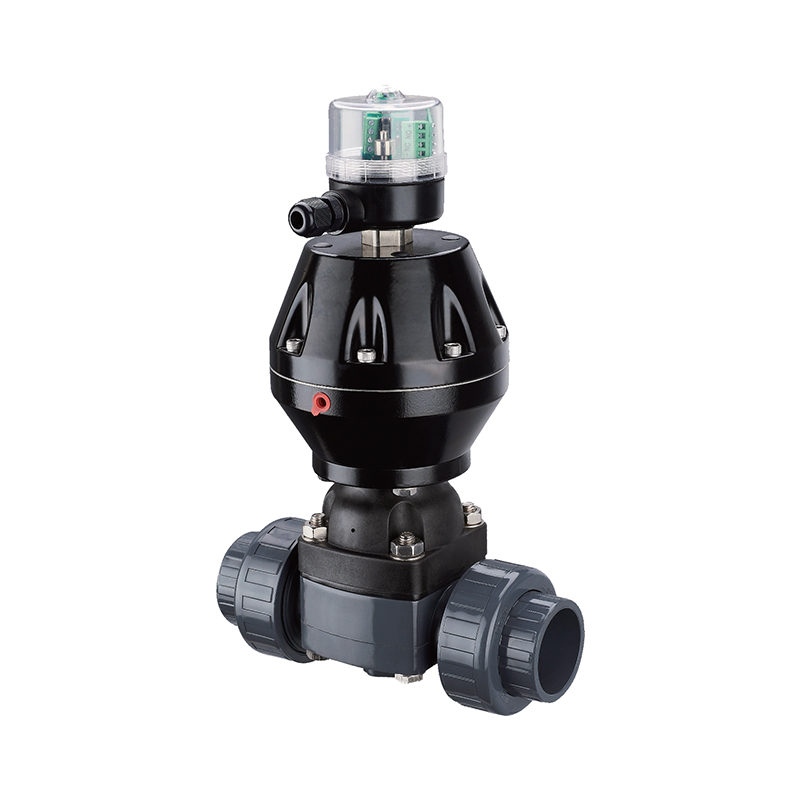
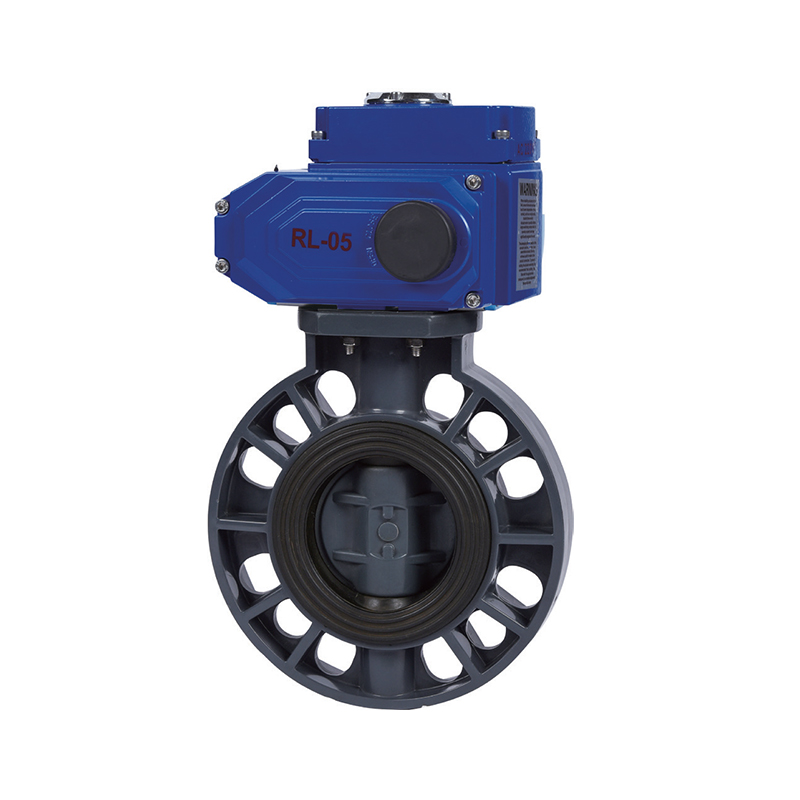
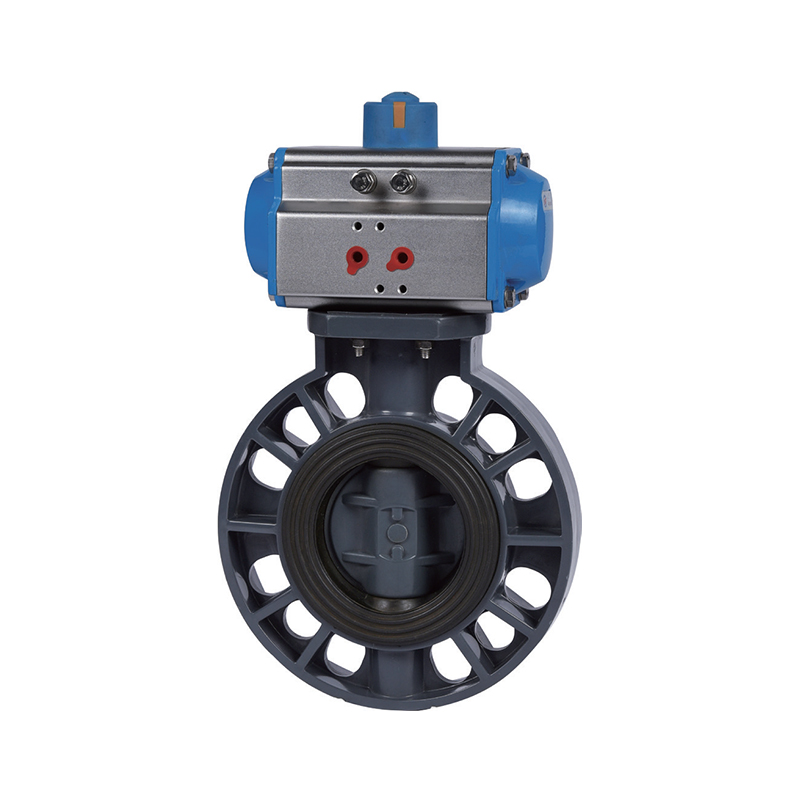
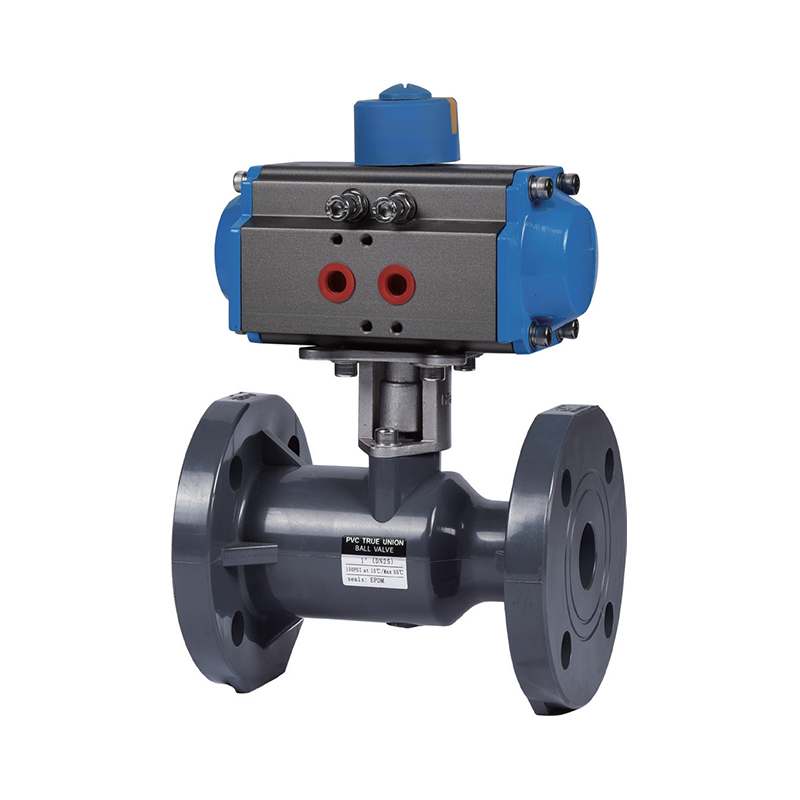
In the demanding landscape of industrial fluid handling, selecting the correct thermoplastic component is paramount for operational safety and system longevity. The u pvc valve (Unplasticized Polyvinyl Chloride) remains a cornerstone for acid and alkali liquid transportation due to its exceptional chemical inertness and cost-effectiveness. ZHEYI Group, founded in 2007, has established itself as a national high-tech enterprise specializing in the R&D and manufacturing of high-performance industrial pipelines. With manufacturing bases in both East and Central China, we integrate advanced technology from Germany and America to produce valves that meet the rigorous standards of the chemical, semiconductor, and lithium battery industries.
1. Thermal Limits and Temperature-Pressure De-rating
A high-quality u pvc valve is engineered for ambient and slightly elevated temperature applications. Unlike metallic counterparts, the mechanical strength of UPVC is temperature-dependent. The generally accepted maximum service temperature for a chemical resistant upvc ball valve is 60°C (140°F). It is critical for engineers to understand that as the operating temperature rises, the maximum allowable pressure decreases. While a valve might be rated for 150 PSI at 23°C, that rating may drop by over 50% as it approaches its thermal limit.
In contrast to CPVC (Chlorinated Polyvinyl Chloride), which can withstand temperatures up to 93°C, UPVC is better suited for high-purity water and general chemical transport at lower thermal scales.
| Operating Temperature |
UPVC Pressure Rating Factor |
CPVC Pressure Rating Factor |
| 23°C (73°F) |
1.00 (Full Rated Pressure) |
1.00 (Full Rated Pressure) |
| 45°C (113°F) |
0.50 (50% of Rated Pressure) |
0.80 (80% of Rated Pressure) |
| 60°C (140°F) |
0.22 (22% of Rated Pressure) |
0.65 (65% of Rated Pressure) |
Source: PPI TR-48: 2024 Temperature Pressure De-rating Factors for Thermoplastic Piping Systems
2. Pressure Classifications and Industrial Standards
For industrial applications, an industrial upvc true union valve must typically adhere to pressure ratings defined by ASTM D1784 and ASTM F1970. Standard high-quality valves are often rated for PN10 (145 PSI) or PN16 (232 PSI) at room temperature. ZHEYI Group utilizes unique raw materials and advanced tooling equipment to ensure our heavy duty upvc butterfly valve products maintain structural integrity under surge pressures. Our adherence to ISO9001 and the Production License of Special Equipment ensures that every unit can handle the stresses of industrial wastewater and electronic-grade water transportation.
According to 2024-2025 industry technical breakthroughs in polymer stabilizers, the mechanical creep resistance of industrial-grade UPVC has improved, allowing for more stable long-term pressure retention in wholesale upvc check valves for water treatment systems.
Source: ASTM F1970-2024 Standard Specification for Special Engineered Fittings or Valves for PVC or CPVC Systems
3. Chemical Compatibility and Sealing Performance
The reliability of a u pvc valve is not solely dependent on the thermoplastic body but also on the elastomer seals (EPDM or FPM/FKM). For aggressive chemical environments like lithium battery production or photovoltaics, a high pressure upvc socket valve must be paired with FPM seals to withstand acidic degradation. While UPVC is resistant to most acids, alkalis, and salts, it is susceptible to aromatic hydrocarbons and esters, which can cause swelling and mechanical failure.
Compared to metal valves, UPVC offers superior corrosion resistance in saline and acidic environments, whereas metal valves often require expensive exotic coatings to prevent oxidation.
| Medium Type |
UPVC Valve Suitability |
Stainless Steel Valve Suitability |
| Sodium Hypochlorite |
Excellent (Inert) |
Poor (Pitting Corrosion) |
| Strong Acids (HCL/H2SO4) |
Excellent (Up to 60°C) |
Requires Specialty Alloys |
| High-Temperature Oils |
Not Recommended |
Excellent |
4. Quality Assurance and Global Compliance
ZHEYI Group's commitment to "Excellence and Integrity" is backed by over 50 independent intellectual property rights. Our products, exported to Europe, America, and Southeast Asia, must meet diverse international standards. By integrating American and German management systems, we ensure that our industrial upvc true union valve provides a leak-proof service life that aligns with the latest sustainability goals of 2025, focusing on reducing the carbon footprint of fluid transportation systems through recyclable thermoplastic materials.
Frequently Asked Questions (FAQ)
- Can a u pvc valve be used for compressed air?
No, it is generally recommended against using UPVC for compressed gases due to the risk of brittle failure; it is designed strictly for liquid media.
- What is the typical lifespan of an industrial upvc true union valve?
Under proper temperature and pressure conditions (within de-rating limits), these valves can provide a service life exceeding 25 years.
- How does a chemical resistant upvc ball valve handle crystallization?
The smooth internal surface of UPVC minimizes mineral buildup and crystallization compared to the rougher surfaces of cast iron or galvanized steel.
- Is UPVC suitable for drinking water?
Yes, ZHEYI Group holds the Zhejiang Province water-related products sanitary license, ensuring our valves are safe for potable water and ultra-pure water.
- Why should I choose a heavy duty upvc butterfly valve over a ball valve?
Butterfly valves are preferred for large-diameter pipelines and flow throttling, whereas ball valves are ideal for quick on/off control in smaller diameter lines.
 +86-15258772971
 dinys009@163.com
 English
 한국어
한국어 Español
 عربى
عربى