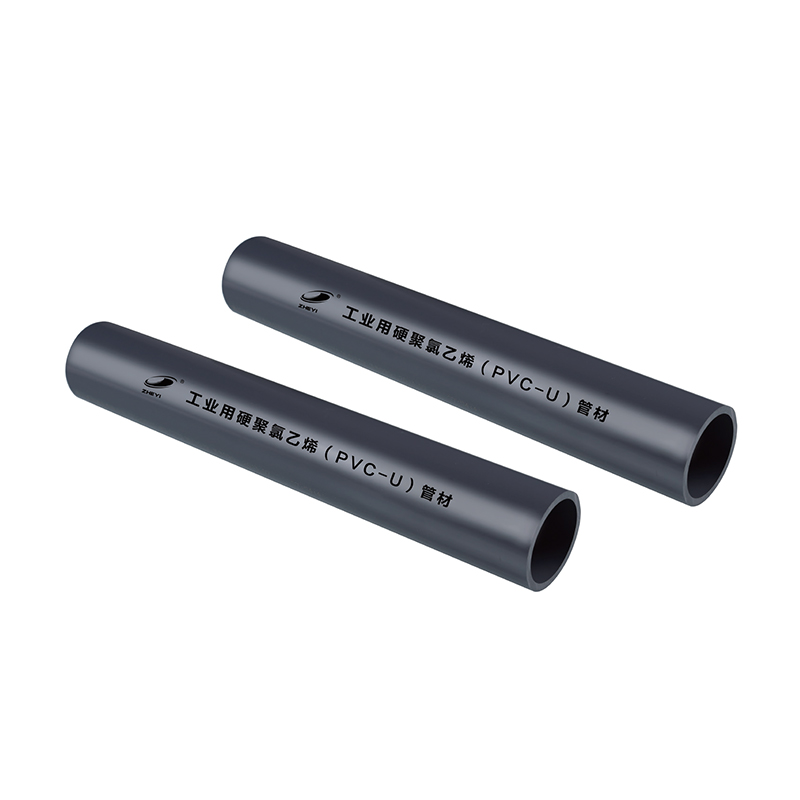
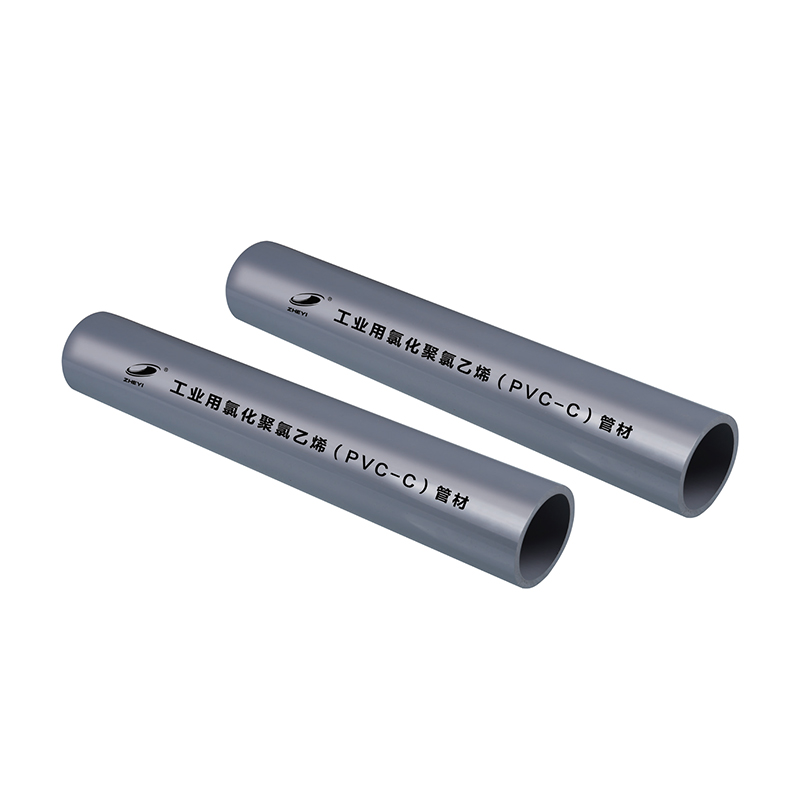
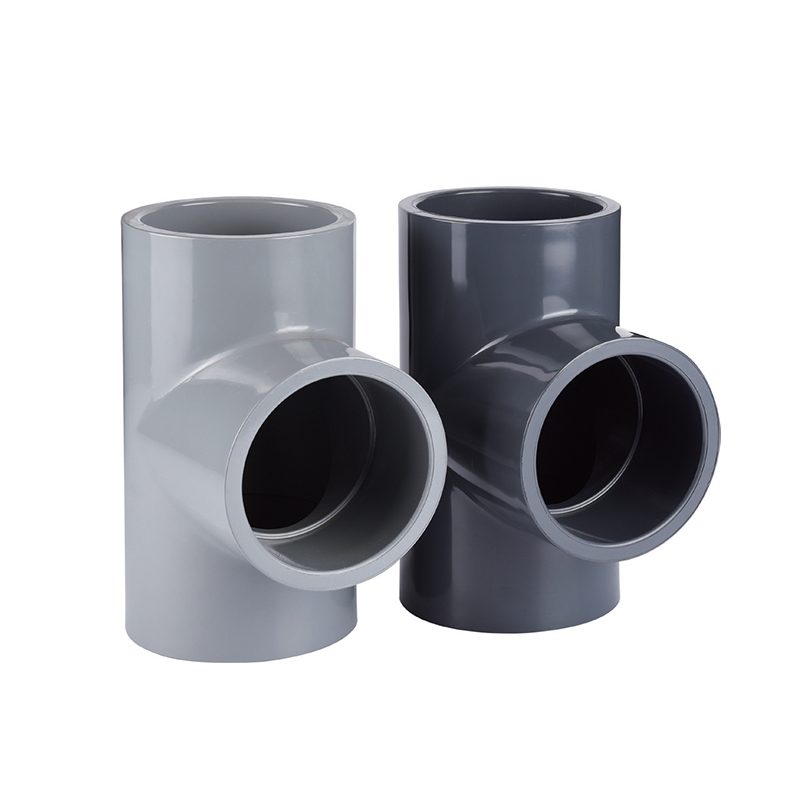
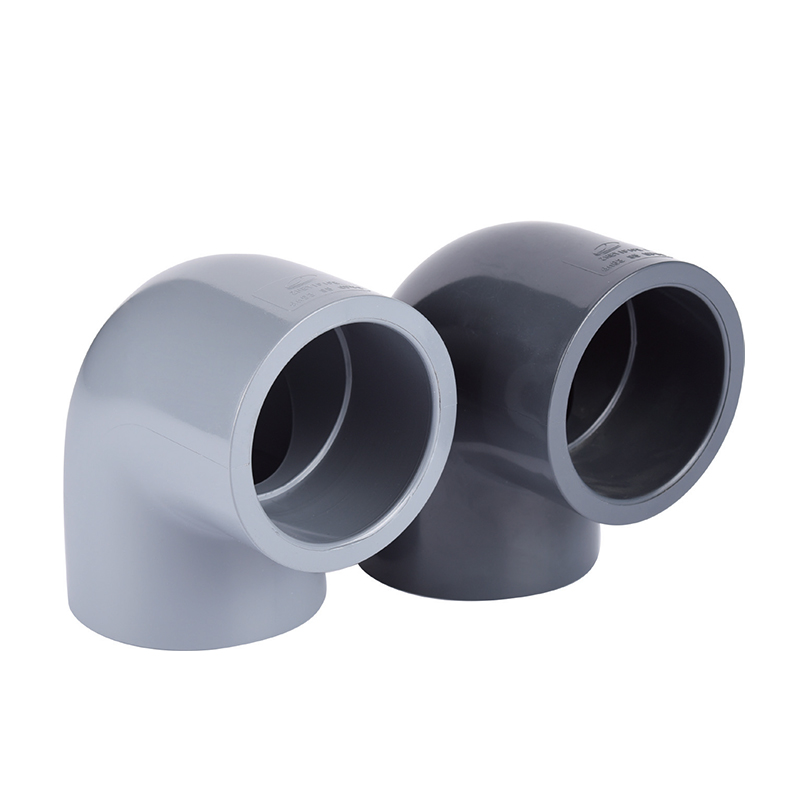
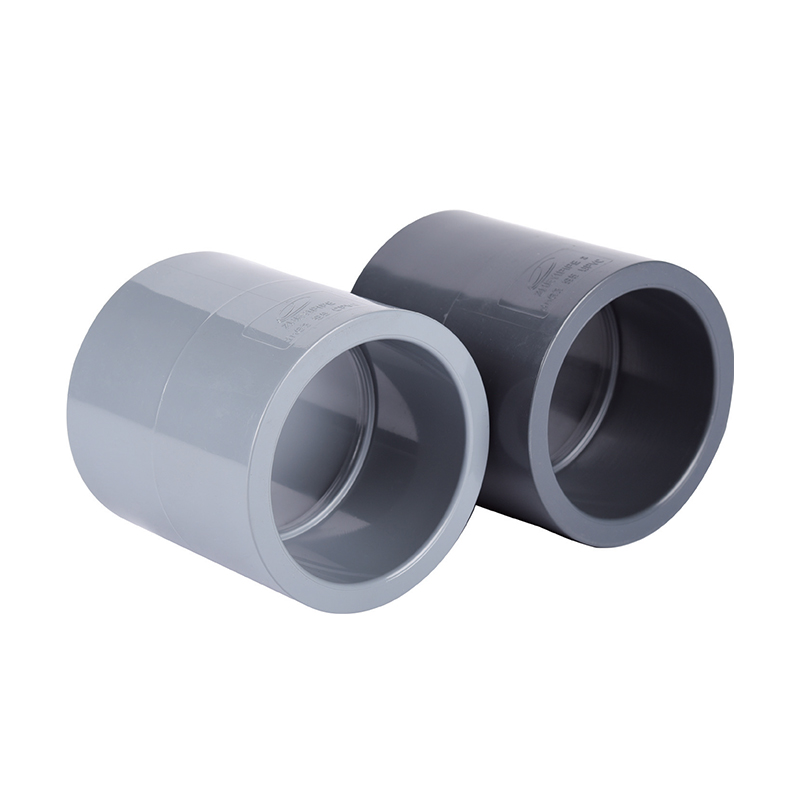
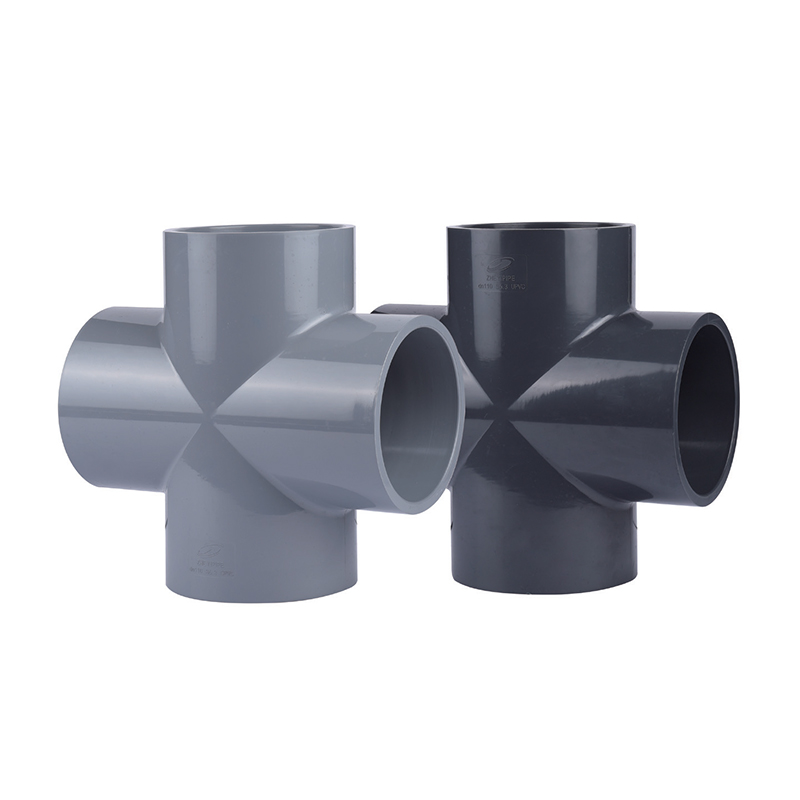
In the engineering of commercial plumbing and industrial fluid transport, material safety is paramount. When specifying 3 4 cpvc fittings for potable water systems, the primary technical benchmark is the NSF/ANSI 61 certification. This standard ensures that the chemicals leaching from the plastic components into the drinking water stay below strictly defined safety levels. ZHEYI Group, founded in 2007, is a national high-tech enterprise specializing in the R&D and manufacturing of high-performance 3 4 cpvc fittings and pipelines. With bases in East China (Jiaxing Nanyi) and Central China (Wuhan), we utilize unique raw materials and advanced tooling from Germany and America to ensure our products meet the highest sanitary approval documents. This article examines the critical role of certification and the mechanical advantages of utilizing industrial grade CPVC fittings in modern infrastructure.
1. Understanding NSF/ANSI 61 and Sanitary Compliance
NSF/ANSI 61 is more than a quality mark; it is a toxicological evaluation of every component in a water system. For 3 4 cpvc fittings, this means the resin and additives used during the injection molding process must not contaminate the water with lead, heavy metals, or organic compounds. When comparing CPVC vs copper for potable water, CPVC offers superior resistance to pitting and scale buildup, provided the fittings carry the necessary potable water certified CPVC fittings status. ZHEYI Group holds the Zhejiang Province water-related products sanitary license, ensuring our pipelines are safe for electronic grade water and drinking water. Choosing high temperature 3/4 CPVC fittings that lack these certifications can lead to non-compliance with local building codes and potential health risks.
Compliance and Safety Comparison
- Standard Industrial CPVC: Designed for chemical resistance; may not meet leaching requirements for human consumption.
- Certified Potable CPVC: Undergoes rigorous testing to ensure NSF/ANSI 61 certified CPVC compliance for safe drinking water.
| Criteria |
Non-Certified Fittings |
NSF/ANSI 61 Certified 3/4 CPVC Fittings |
| Chemical Leaching |
Untested for potable safety |
Verified below safety thresholds |
| Sanitary Approval |
None |
Zhejiang Provincial Water License |
| Application |
Industrial wastewater only |
Drinking water & Ultra-pure water |
2. Mechanical Integrity and Thermal Performance in Commercial Systems
Commercial buildings require piping that can handle high-pressure fluctuations and elevated temperatures. The 3/4 inch CPVC plumbing fittings produced by ZHEYI Group are engineered for durability. Unlike standard PVC, CPVC (Chlorinated Polyvinyl Chloride) is thermally stable up to 200°F (93°C). Understanding how to install 3/4 CPVC fittings correctly—using the proper solvent cement and deburring techniques—is essential to maintaining the pressure rating of the system. In comparing schedule 80 vs schedule 40 CPVC fittings, Schedule 80 is the engineering benchmark for commercial systems due to its thicker walls and higher pressure capacity. Our 3/4 CPVC socket fittings are designed with precision tolerances to ensure a leak-proof chemical bond, essential for CPVC fittings for commercial plumbing where downtime is costly.
Installation and Engineering Sequence
- Verification: Confirm 3 4 cpvc fittings meet ASTM D2467 (Schedule 80) or ASTM D2466 (Schedule 40) standards.
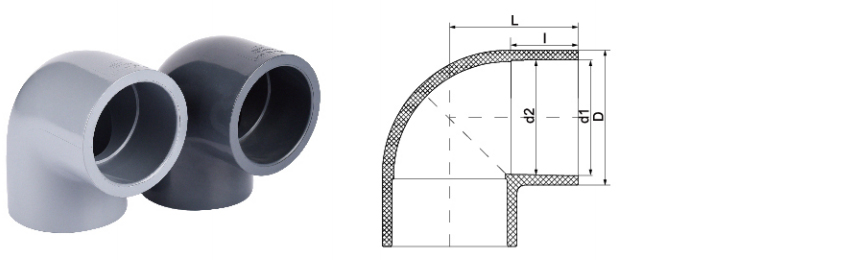
- Preparation: Square cut the pipe and remove all burrs to ensure full seating in the 3/4 CPVC elbow fitting or coupling.
- Chemical Bonding: Apply an NSF-approved primer and solvent cement to create a permanent molecular bond.
- Pressure Testing: Following the cure time, perform a hydrostatic test to verify the integrity of the industrial grade CPVC fittings.
| Specification |
Standard PVC Fittings |
3/4 Schedule 80 CPVC Fittings |
| Max Operating Temp |
140°F (60°C) |
200°F (93°C) |
| Corrosion Resistance |
Good |
Excellent (Acids, Alkanes, Salts) |
| Mechanical Strength |
Moderate |
High (Industrial Pressure Rated) |
3. Chemical Resistance and Specialized Applications
Beyond drinking water, ZHEYI Group's products are widely used in the chemical, pharmaceutical, and semiconductor industries. The 3 4 cpvc fittings we manufacture are resistant to a vast array of acids and alkalis, making them ideal for CPVC fittings for chemical transport. Whether it is ultra-pure water or industrial wastewater, our 50+ independent intellectual property rights ensure that our 3/4 CPVC solvent weld fittings maintain their structural integrity in harsh environments. As a benchmark of China's non-metallic pressure pipeline industry, ZHEYI Group exports to Europe, America, and Southeast Asia, providing bulk 3/4 CPVC fittings for construction projects that demand global certification and "Excellence and Integrity."
Conclusion: The ZHEYI Commitment to Quality
Selecting 3 4 cpvc fittings for commercial potable water distribution is a decision that impacts the safety and reliability of a building's infrastructure. By ensuring your fittings are NSF/ANSI 61 certified and engineered to industrial standards, you mitigate risk and ensure long-term performance. ZHEYI Group remains committed to creating a national brand that stands for win-win cooperation and sustainable development, serving industries from nuclear power to food and medicine with uncompromising quality.
Frequently Asked Questions (FAQ)
1. What makes 3 4 cpvc fittings better than copper for drinking water?
CPVC does not corrode or scale, meaning the water flow remains consistent over time. Additionally, potable water certified CPVC fittings do not leach heavy metals into the water as copper pipes can when water pH is imbalanced.
2. Is there a difference between industrial and residential 3/4 inch CPVC plumbing fittings?
Yes. Industrial grade CPVC fittings, such as those from ZHEYI Group, are often manufactured to Schedule 80 specifications, which have thicker walls and higher pressure ratings than standard residential Schedule 40 fittings.
3. Can I use standard PVC glue for 3/4 CPVC socket fittings?
No. You must use a solvent cement specifically formulated for CPVC. Using the wrong cement will result in a weak joint that will likely fail under the high-temperature conditions CPVC is designed for.
4. Are ZHEYI's 3 4 cpvc fittings UV resistant?
While CPVC has inherent resistance to UV, for permanent outdoor installations, it is recommended to paint the industrial grade CPVC fittings with water-based latex paint to prevent long-term discoloration and brittleness.
5. How do I verify the NSF/ANSI 61 certified CPVC status?
Look for the "NSF-pw" (potable water) mark on the fitting itself. All ZHEYI Group water-related products undergo rigorous testing to comply with the necessary provincial sanitary licenses and ISO quality systems.
Industry References
- ASTM D2846: Standard Specification for Chlorinated Poly(Vinyl Chloride) (CPVC) Plastic Hot- and Cold-Water Distribution Systems.
- NSF/ANSI 61: Drinking Water System Components - Health Effects.
- ISO 9001:2015: Quality Management Systems - Requirements.
- ZHEYI Pipeline Technical Manual: "Chemical Resistance and Thermal Expansion Coefficients of Industrial CPVC" (2025).
 +86-15258772971
 dinys009@163.com
 English
 한국어
한국어 Español
 عربى
عربى