Chemical processors, water treatment operators, and industrial facilities specify SCH 80 UPVC pipe wherever a piping system needs to hold higher internal pressure and resist aggressive chemical exposure without the weight, cost, or corrosion concerns that come with metal pipe. The extra wall thickness that defines Schedule 80 pipe over Schedule 40 gives it a meaningfully higher pressure rating in the same nominal pipe size, which is the deciding factor in most industrial piping specifications.
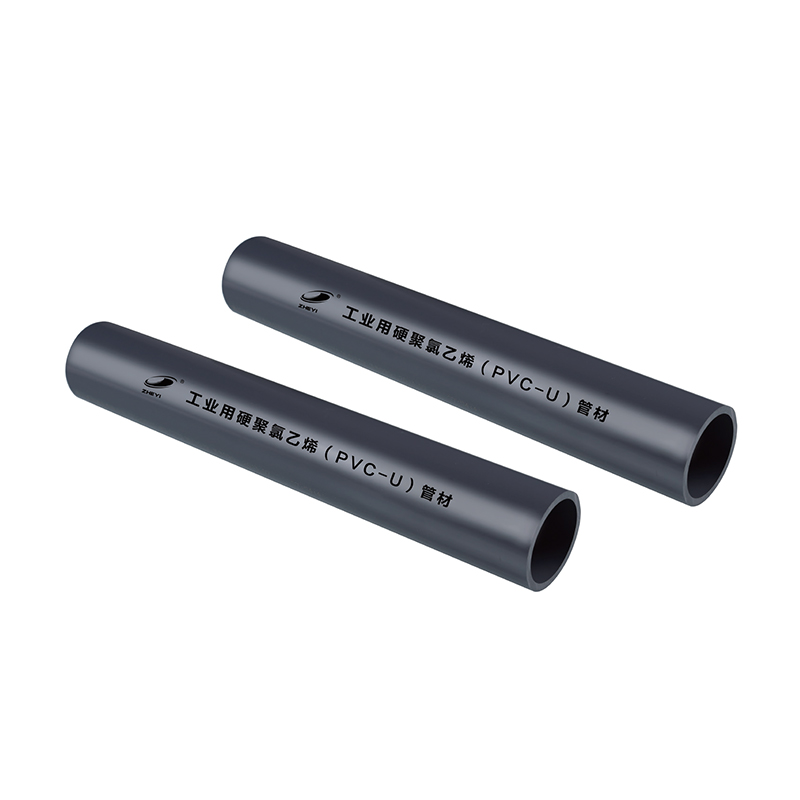
Schedule 80 pipe carries a visibly thicker wall than Schedule 40 pipe at the same outside diameter, which is what raises its working pressure rating in every common pipe size.
What Is SCH 80 UPVC Pipe and How Is It Designed
SCH 80 UPVC pipe is a rigid, unplasticized PVC pipe manufactured to Schedule 80 wall thickness specifications, giving it a thicker cross-section than standard Schedule 40 pipe at the same outside diameter. The added wall thickness increases both the pressure rating and the physical impact resistance of the pipe, at the cost of a slightly reduced internal bore diameter compared with a Schedule 40 pipe of the same nominal size.
Structure and Material Composition
UPVC, or unplasticized polyvinyl chloride, contains no plasticizer additives, which keeps the material rigid and dimensionally stable rather than flexible. This rigidity is what allows UPVC pipe to hold a consistent pressure rating over its full service life, since there is no plasticizer to leach out and soften the pipe wall over time the way it can in some flexible PVC products.
SCH 80 vs SCH 40 UPVC Pipe
Schedule 40 pipe is the lighter, more economical option for lower-pressure water supply and drainage applications, while Schedule 80 pipe is specified wherever the system needs a higher pressure rating, greater resistance to physical impact, or compatibility with threaded connections, since the extra wall thickness gives threaded joints more material to hold onto without weakening the pipe.
Why SCH 80 UPVC Pipe Is Preferred for Industrial Projects
01
High Pressure Resistance
Thicker pipe walls hold a higher rated working pressure than Schedule 40 pipe of the same diameter.
02
Chemical and Corrosion Resistance
UPVC resists a wide range of acids, bases, and salts that would corrode metal piping over time.
03
Lightweight Installation
Far lighter than steel pipe of equivalent pressure rating, reducing handling and support requirements.
04
Smooth Internal Bore
A smooth interior surface reduces friction loss and resists scale buildup compared with rougher metal pipe walls.
05
Long Service Life
Resistance to corrosion and scale buildup gives UPVC pipe a long working life with minimal maintenance.
Where SCH 80 UPVC Pipe Is Used
4.1
Chemical Processing Plants
Handles acid, base, and solvent transfer lines where metal pipe would corrode quickly.
4.2
Water Treatment Facilities
Carries process and filtration water under pressure across treatment stages.
4.3
Industrial Manufacturing Plants
Routes process fluids and utility water across factory floor piping systems.
4.4
Commercial Buildings
Supplies pressurized water systems in larger commercial plumbing installations.
4.5
Pools and Aquaculture Systems
Circulates treated water reliably under sustained pressure and chemical exposure.
4.6
Irrigation and Agricultural Systems
Distributes pressurized water across agricultural pipeline networks.
4.7
Mining and Industrial Utility Systems
Handles slurry, process water, and utility fluid transfer in demanding site conditions.
Common SCH 80 UPVC Piping Products
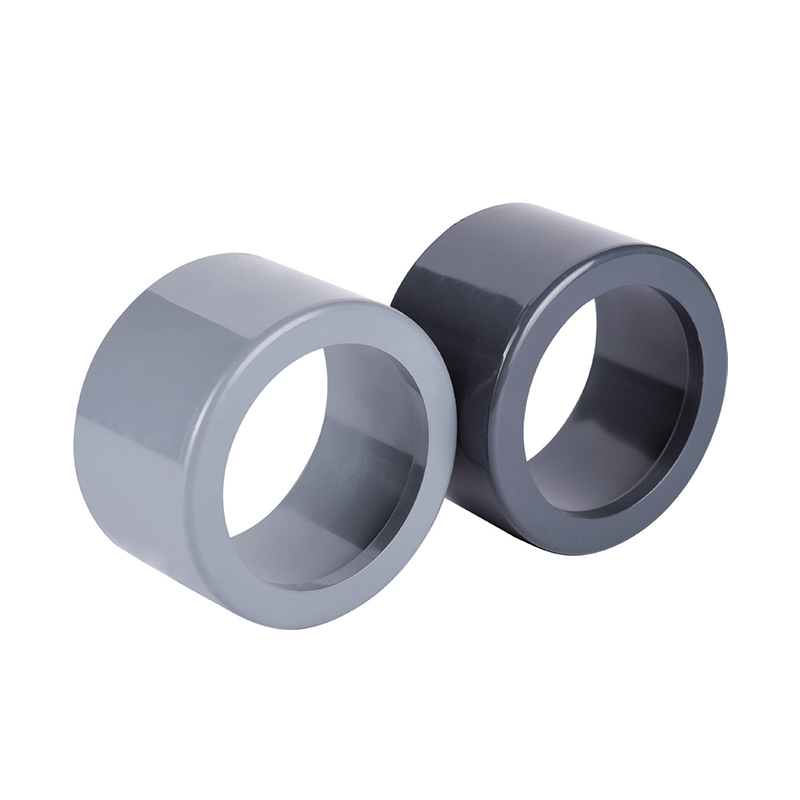
A complete Schedule 80 piping system extends well beyond straight pipe sections to include the fittings needed to route, join, and control flow across a full installation.
- Straight pipes — the primary pressure-rated pipe run in standard lengths
- Elbows and bends — direction changes rated to the same pressure class as the straight pipe
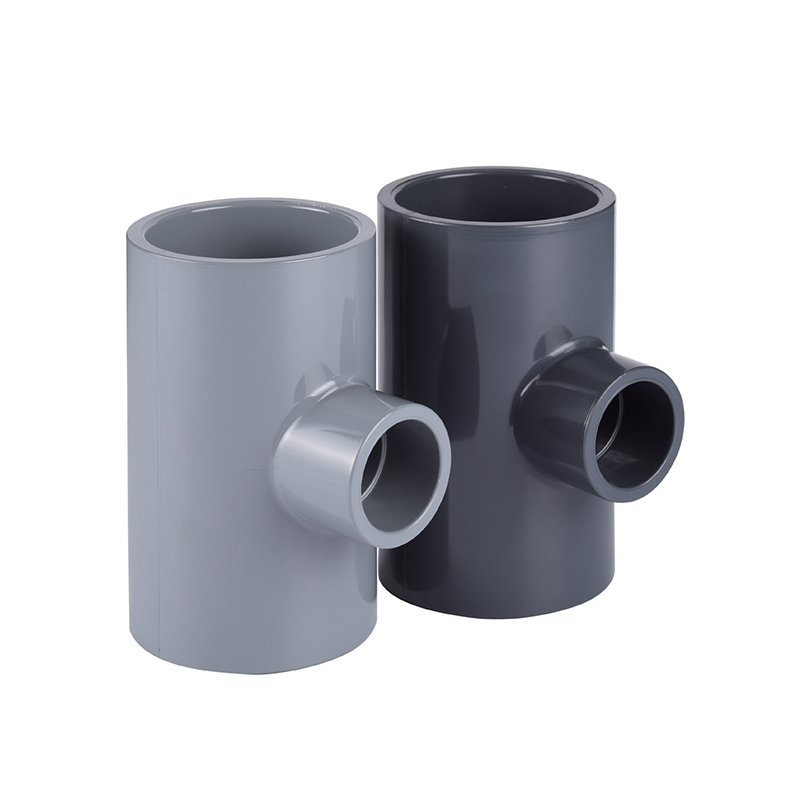
- Tees and crosses — branch connections for splitting or combining flow
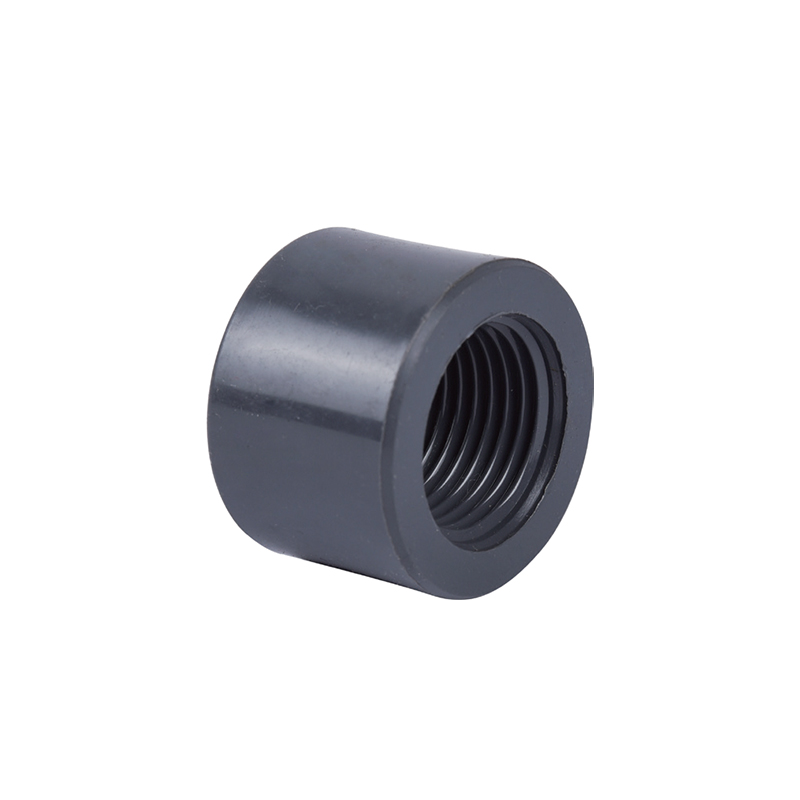
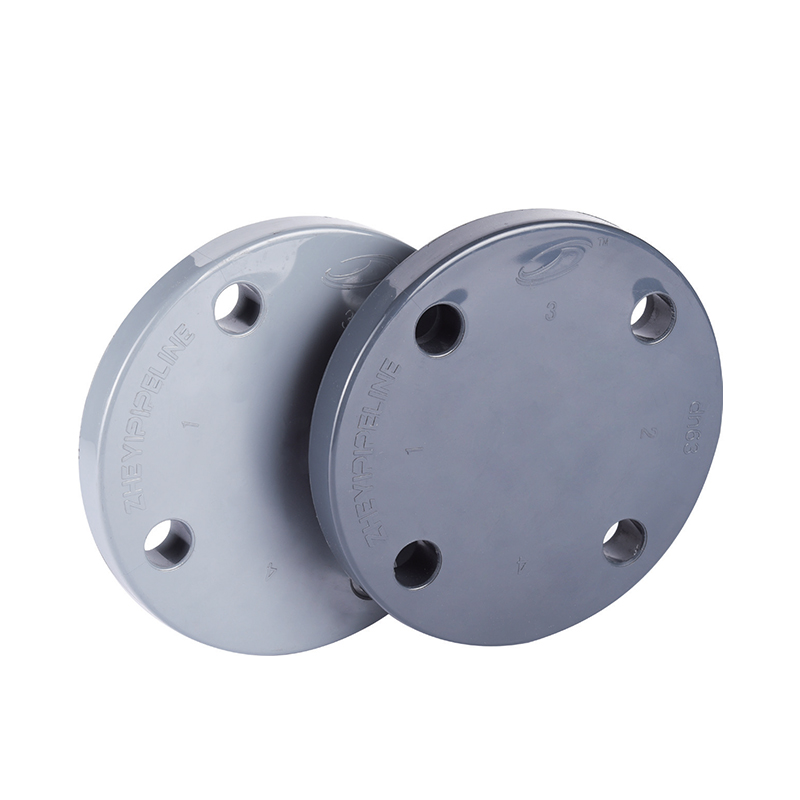
- Flanges and unions — bolted or threaded connections for maintenance access points
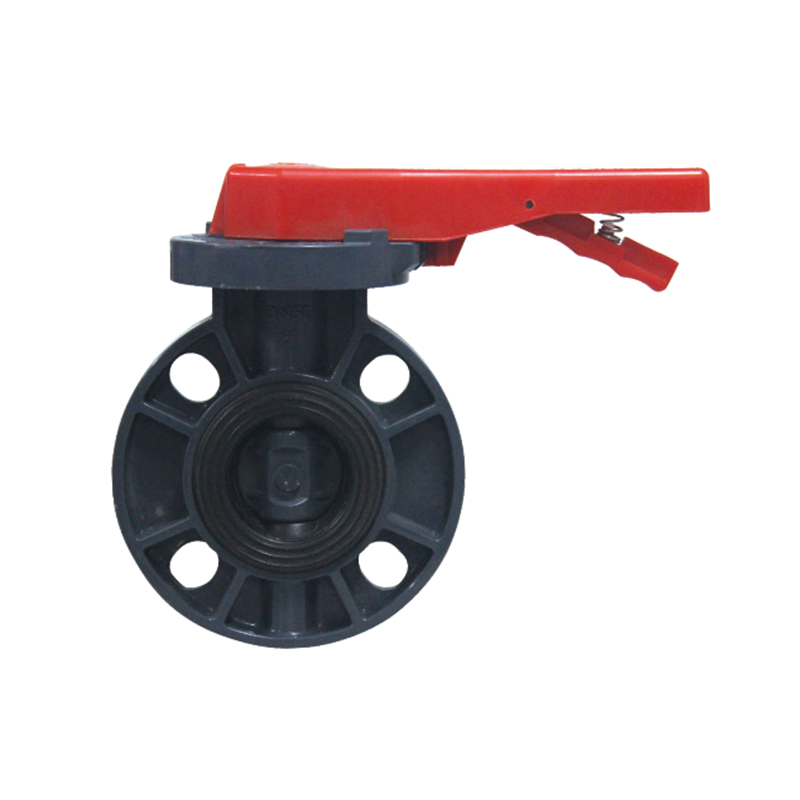
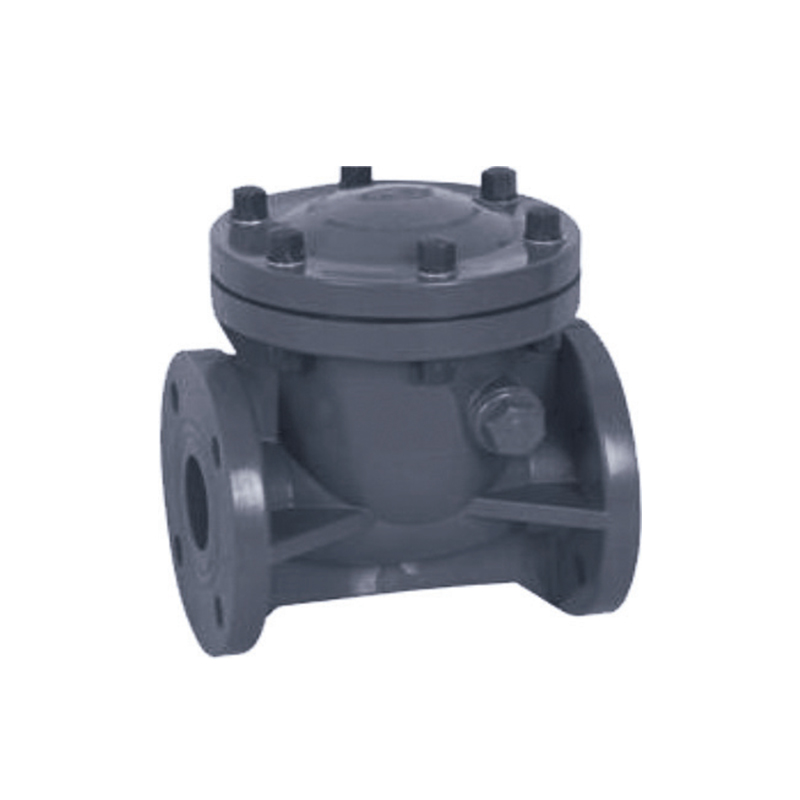
- Valves and accessories — flow control components including ball valves rated to the system's pressure class
How SCH 80 UPVC Pipe Is Manufactured
1
Raw material preparation
3
Cooling and calibration
UPVC resin is compounded with stabilizers and processing aids to the target formulation before entering the extruder, where it is formed into a continuous pipe at the specified Schedule 80 wall thickness. The pipe is cooled and calibrated to hold precise outside diameter and wall thickness tolerances, then cut to length. Every production run undergoes hydrostatic pressure testing and dimensional inspection to confirm the pipe meets its rated pressure class before shipment.
Factors to Consider When Choosing SCH 80 UPVC Pipe
- Pressure rating requirements
- Confirm the system's maximum operating pressure falls within the pipe's rated pressure class at the installed temperature.
- Chemical compatibility
- Verify the specific acids, bases, or solvents in the system are compatible with UPVC over the intended service life.
- Pipe diameter and flow capacity
- Size the bore diameter to the required flow rate, accounting for Schedule 80's slightly reduced internal diameter versus Schedule 40.
- Installation environment
- Account for UV exposure, temperature range, and support spacing for outdoor or exposed pipe runs.
- Compliance with industry standards
- Confirm the pipe and fittings meet the relevant pressure piping standards for the project's jurisdiction and industry.
SCH 80 UPVC Pipe Compared with Other Industrial Piping Materials
| Material |
Pressure Rating |
Chemical Resistance |
Weight |
| SCH 80 UPVC |
High |
High |
Low |
| SCH 40 UPVC |
Moderate |
High |
Low |
| CPVC |
High |
Moderate |
Low |
| HDPE |
Moderate |
Moderate |
Low |
| Stainless Steel |
High |
Moderate |
High |
CPVC extends UPVC's temperature range higher but at greater material cost, HDPE offers strong impact resistance with a lower pressure ceiling in comparable wall thickness, and stainless steel matches or exceeds UPVC on pressure and durability at a significant weight and cost premium, leaving SCH 80 UPVC pipe as the most balanced choice across pressure rating, chemical resistance, and installed cost for most industrial fluid systems.
Customization Options
Pipe diameter, length, pressure rating, and fitting configuration can all be specified independently, allowing a single Schedule 80 piping program to serve chemical processing, water treatment, and general industrial fluid transfer from one product platform. Custom fitting and connection systems are commonly matched to existing plant infrastructure to simplify integration with installed piping.
Where SCH 80 UPVC Piping Is Headed Next
Demand for corrosion-resistant piping continues to grow as facilities look to reduce the maintenance burden that metal pipe carries in chemically aggressive environments. Water treatment and chemical processing industry growth is expanding the addressable market for pressure-rated plastic piping more broadly, and material development continues to push UPVC's pressure and temperature performance closer to that of specialty plastics. Smart monitoring technology is also beginning to appear on industrial pipeline systems, tracking pressure and flow conditions across UPVC piping networks in real time.
Conclusion
Selecting the right piping material for a pressurized industrial or commercial fluid system comes down to matching pressure rating, chemical compatibility, and installed cost to the specific demands of the application, and SCH 80 UPVC pipe consistently delivers that balance across chemical processing, water treatment, and general industrial use. With a full range of straight pipe, fittings, and valves available in the same pressure class, Schedule 80 UPVC piping systems give industrial and commercial projects a corrosion-resistant, long-service alternative to heavier and more maintenance-intensive metal pipe.
 +86-15258772971
 dinys009@163.com
 English
 한국어
한국어 Español
 عربى
عربى