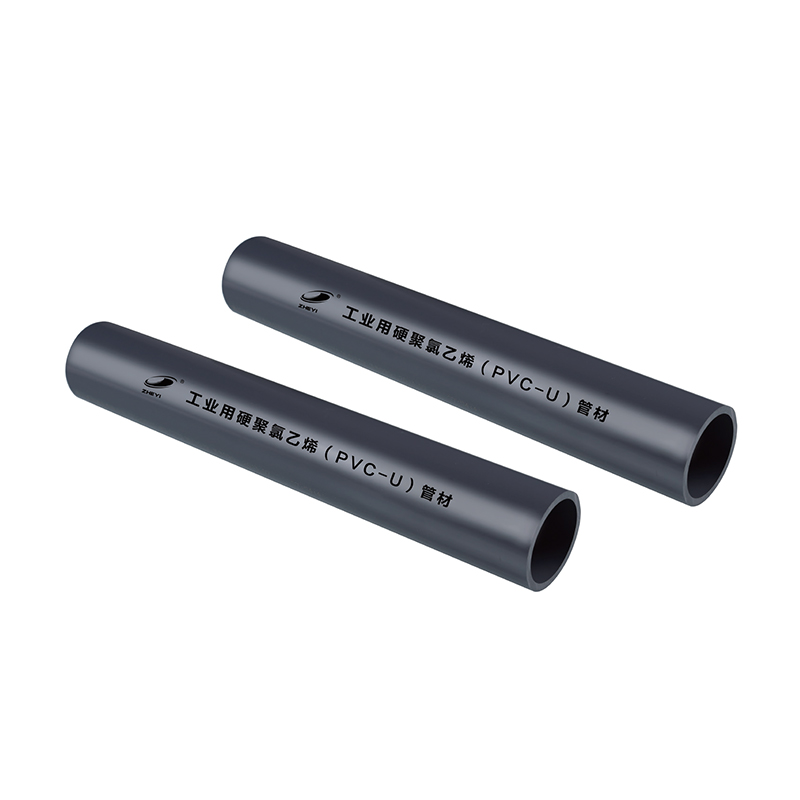
SCH 80 UPVC pipe is built with a thicker wall than SCH 40 pipe at the same outside diameter, which raises its pressure rating and makes it the standard for industrial lines carrying corrosive chemicals, hot process fluids, and pressurized water. Facilities that need dependable SCH 80 UPVC pipe choose it because it pairs steel-level structural strength with the corrosion resistance and light weight that only thermoplastic piping can offer.
2x thicker wall than SCH 40
50+ years typical service life
140F practical continuous temp limit
1. What Is SCH 80 UPVC Pipe and How Does It Differ From SCH 40?
Schedule 80 UPVC pipe is an unplasticized PVC pipe manufactured with a heavier wall than Schedule 40 pipe while keeping the same outer diameter, which reduces the internal bore but increases burst strength. This design gives schedule 80 UPVC pipe a materially higher pressure rating across every common pipe size, making it the default choice wherever line pressure or mechanical stress is a concern.
Wall Thickness and Pressure Rating Compared
| Attribute |
SCH 40 UPVC |
SCH 80 UPVC |
| Wall thickness |
Standard |
Substantially thicker |
| Internal diameter |
Larger bore |
Reduced bore, same OD |
| Pressure rating |
Lower |
Significantly higher |
| Typical use |
Low-pressure drainage, light plumbing |
High pressure UPVC pipe systems, threaded fittings |
2. Why SCH 80 UPVC Pipe Handles High Pressure Reliably
SCH 80 UPVC pipe advantages come from a combination of wall geometry and material chemistry rather than one single feature.
- Higher pressure handling capability. The added wall thickness lets schedule 80 pipe absorb greater internal stress before deformation, which is why it is rated for demanding pressure pipe solutions where SCH 40 would fail.
- Excellent chemical and corrosion resistance. UPVC resists acids, alkalis, salts, and most industrial solvents, eliminating the rust and pitting that shorten the life of metal piping.
- Long service life in harsh environments. Because UPVC does not corrode or scale internally, pressure loss from buildup stays minimal over decades of continuous operation.
- Lightweight design and easy installation. A fraction of the weight of comparable steel pipe, it can be solvent-welded or threaded without heavy lifting equipment, cutting labor time on industrial installs.
A pressure resistant piping system is only as reliable as its weakest joint. Solvent-welded SCH 80 fittings create a monolithic bond that often outperforms the pipe wall itself under sustained pressure.
3. Where Industries Rely on SCH 80 UPVC Pipe
Industrial UPVC piping built on schedule 80 pipe shows up anywhere corrosive or pressurized fluid needs to move safely.
- Chemical processing plants. Corrosive fluid piping systems for acids, caustics, and solvents rely on UPVC's inert surface to prevent contamination and leaks.
- Water treatment and wastewater management. Municipal and industrial water pipelines use SCH 80 for pressurized transfer lines, filtration skids, and dosing systems.
- Manufacturing and processing facilities. Factory piping systems for cooling, process fluid handling, and compressed air distribution benefit from its chemical inertness.
- Irrigation and agricultural distribution. Pressure irrigation pipes made from SCH 80 withstand pump surges and buried-line stress better than thinner-wall alternatives.
4. How SCH 80 UPVC Pipe Is Manufactured
SCH 80 pipe production starts with a precise UPVC compound formulated for impact strength and UV stability, which is then fed through a heated extrusion die that forms the pipe to exact wall-thickness tolerances. Every production run passes hydrostatic pressure testing and dimensional inspection before certification, ensuring each length meets the stated pressure rating before it ships.
5. Factors to Consider When Selecting SCH 80 UPVC Pipe
Choosing the right industrial plastic pipes means matching the pipe to real operating conditions, not just nominal size.
- Pressure rating versus operating pressure. Always size for peak surge pressure, not average flow pressure.
- Chemical compatibility. Confirm the transported fluid is compatible with UPVC at its actual concentration and temperature.
- Pipe size, thickness, and flow needs. Reduced bore on SCH 80 pipe affects flow velocity calculations versus SCH 40.
- Temperature resistance. UPVC pressure ratings drop as temperature rises, so derate accordingly above ambient conditions.
- Installation environment. Buried, exposed, and above-ground runs each call for different support spacing and connection methods.
6. SCH 80 UPVC Pipe Compared With Steel and CPVC Pipe
| Material |
Corrosion Resistance |
Weight |
Relative Cost |
Temperature Limit |
| Steel pipe |
Poor without lining |
Heavy |
High |
Very high |
| CPVC pipe |
Excellent |
Light |
Moderate to high |
Higher than UPVC |
| SCH 80 UPVC pipe |
Excellent |
Light |
Cost effective |
Moderate |
Steel remains stronger at extreme temperatures but loses ground quickly wherever corrosion is a factor. CPVC extends the usable temperature range beyond UPVC but at a higher material cost, leaving SCH 80 UPVC pipe as the practical middle ground for most industrial fluid transport below its rated temperature ceiling.
7. Future Trends in SCH 80 UPVC Piping Systems
Demand for corrosion resistant piping continues to grow as plants look to cut maintenance downtime tied to metal pipe replacement. Lightweight industrial piping systems also reduce installation labor and structural support costs, and ongoing improvements in UPVC compounding are pushing pressure ratings and temperature tolerance higher without adding wall thickness.
Verdict: SCH 80 UPVC pipe earns its place in high pressure applications through thicker walls, chemical inertness, and decades of proven field performance, making it a dependable, cost effective alternative to metal piping across chemical, water treatment, manufacturing, and irrigation systems.
 +86-15258772971
 dinys009@163.com
 English
 한국어
한국어 Español
 عربى
عربى