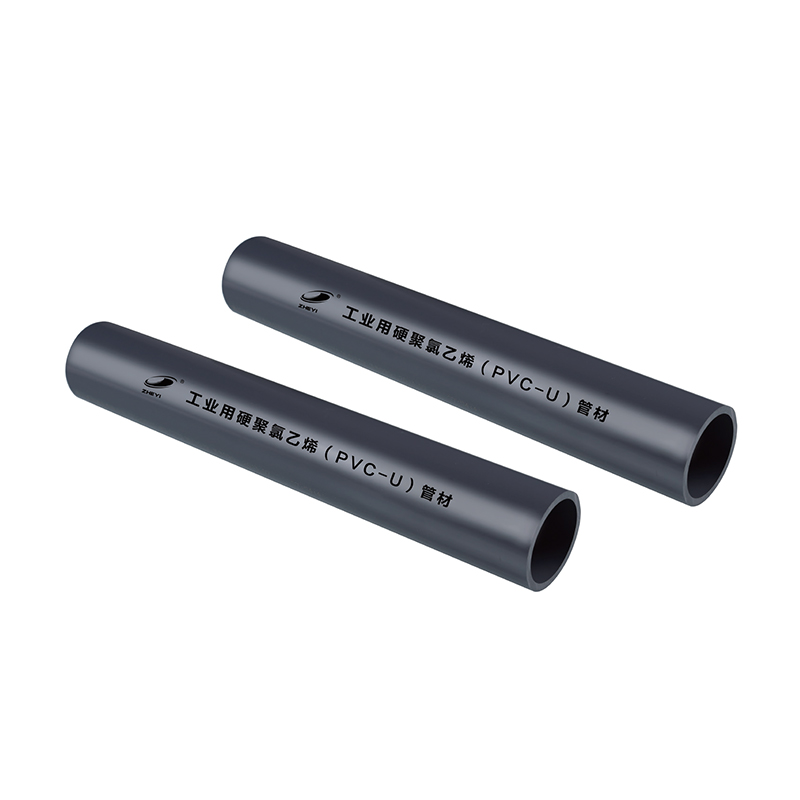
Wall thickness is the single spec that separates a pipe rated for demanding industrial pressure from one meant for light residential use. SCH 80 UPVC pipe sits firmly on the heavy-duty side of that line, combining a thicker-walled unplasticized PVC construction with strong chemical resistance to become a standard choice across chemical processing, water treatment, and general industrial piping systems.
What Is SCH 80 UPVC Pipe and How Does It Work?
SCH stands for Schedule, a classification system that defines pipe wall thickness relative to its outer diameter. A SCH 80 pipe has a noticeably thicker wall than a SCH 40 pipe of the same outer diameter, which directly increases how much internal pressure it can safely handle.
UPVC, or unplasticized polyvinyl chloride, is the base material behind that wall. It is rigid, resistant to a wide range of chemicals, and manufactured with a smooth interior surface that keeps friction loss low as fluid moves through the system. Combine the two, and SCH 80 UPVC pipe becomes a pressure-rated, corrosion-resistant option built specifically for demanding fluid transport.
Why Is SCH 80 UPVC Pipe Suitable for Industrial Piping Systems?
- Pressure Performance: The thicker wall structure supports stable operation in higher-pressure fluid systems.
- Corrosion Resistance: UPVC resists a wide range of chemicals, making it suitable for challenging fluid conditions.
- Low Maintenance: Resistance to rust and scale buildup reduces replacement and upkeep requirements over time.
- Long Service Life: Properly installed systems maintain reliable performance across extended operating periods.
What Are the Key Advantages of SCH 80 UPVC Pipe?
Chemical Resistance
Handles a broad range of process chemicals without the corrosion issues metal piping eventually faces.
Mechanical Strength
A thicker wall structure delivers improved durability under sustained pressure and physical stress.
Lightweight Handling
Considerably easier to transport and install than comparable metal piping systems.
Smooth Interior
Reduces friction loss along the pipeline, supporting efficient, consistent fluid flow.
How Does SCH 80 UPVC Pipe Improve Industrial Fluid Transportation?
Reliable fluid flow depends on a pipe wall that will not degrade under the chemical or pressure conditions it is exposed to daily. Because UPVC resists corrosion far better than untreated metal piping, systems built with SCH 80 pipe see fewer corrosion-related failures, which translates into easier system maintenance and more predictable operational stability across liquid transfer, chemical processing, and water circulation applications.
Where Are SCH 80 UPVC Pipes Commonly Used?
Chemical Processing Industry
Chemical transportation lines and processing equipment connections rely on UPVC's resistance to a wide range of corrosive substances.
Water Treatment Systems
Water circulation and wastewater management systems benefit from a pipe material that will not rust or scale over years of continuous use.
Industrial Manufacturing
Production facilities depend on process piping that holds up to demanding operating schedules without frequent replacement.
Agriculture and Irrigation
Water distribution systems use SCH 80 pipe where pressure requirements exceed what lighter-schedule piping can reliably handle.
Why Is SCH 80 UPVC Pipe Suitable for Chemical Applications?
Resistance to corrosive substances prevents rust-related contamination and keeps controlled fluid systems running cleanly.
That resistance directly reduces maintenance frequency compared with metal alternatives, since there is no scale or rust buildup to manage. It is still worth confirming chemical compatibility for any specific fluid before specification, since resistance varies across different chemical classes and concentrations.
SCH 80 UPVC Pipe vs SCH 40 UPVC Pipe: What Are the Differences?
| Attribute |
SCH 80 UPVC Pipe |
SCH 40 UPVC Pipe |
| Wall thickness |
Thicker |
Standard |
| Pressure capability |
Higher |
Moderate |
| Typical use |
Industrial applications |
General applications |
| Weight |
Heavier per length |
Lighter, easier handling |
The right choice comes down to three questions: what pressure the system needs to handle, what environment the pipe will operate in, and what the specific application conditions demand from the material long term.
What Factors Should Buyers Consider When Selecting SCH 80 UPVC Pipe?
01Pipe diameter
02Wall thickness
03Working pressure
04Temperature conditions
05Chemical compatibility
06Connection method
07Installation environment
How Is SCH 80 UPVC Pipe Manufactured?
1Material Preparation
2Mixing and Formulation
3Extrusion Forming
4Cooling and Sizing
5Cutting and Finishing
6Quality Testing
Quality control tracks the pipe through every stage of production. Dimensional accuracy checks confirm the pipe matches its rated diameter, wall thickness inspection verifies the pressure rating holds up, pressure testing simulates real operating conditions, and surface quality inspection catches any finish inconsistency before the pipe ships to a distributor.
What Are the Future Trends of SCH 80 UPVC Piping Systems?
Material formulations continue to improve, pushing toward better pressure performance without adding unnecessary wall thickness. Installation methods are also becoming more efficient, reducing labor time on large projects. Expect wider industrial applications as more sectors adopt UPVC piping over metal alternatives, along with growing demand for customized piping solutions tailored to specific pressure and chemical requirements.
Safety Considerations
- Always confirm chemical compatibility before transporting an unfamiliar fluid
- Do not exceed the pipe's rated working pressure, even briefly
- Account for temperature-related pressure derating in hot environments
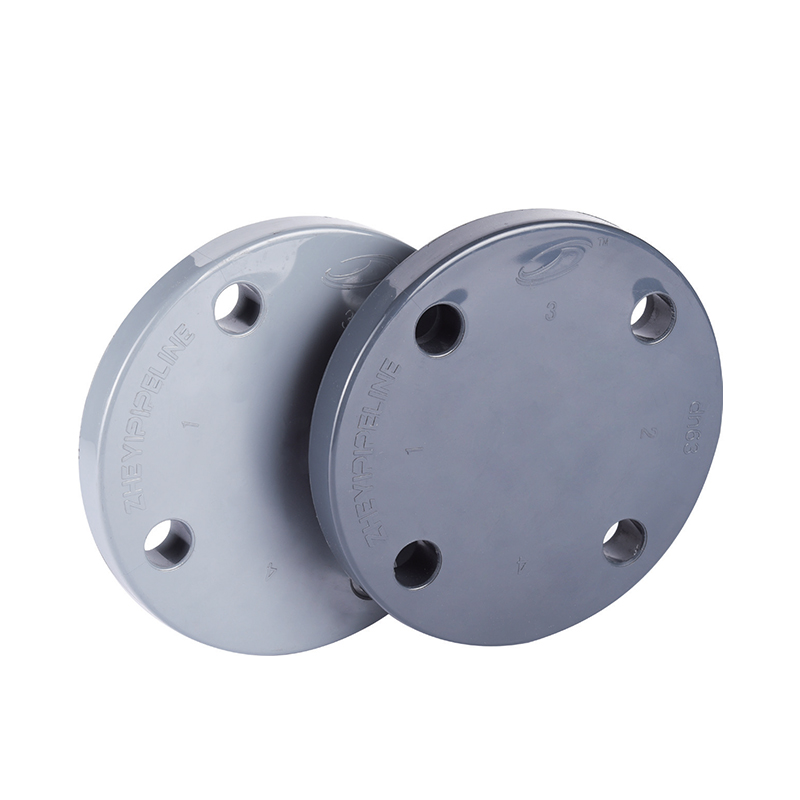
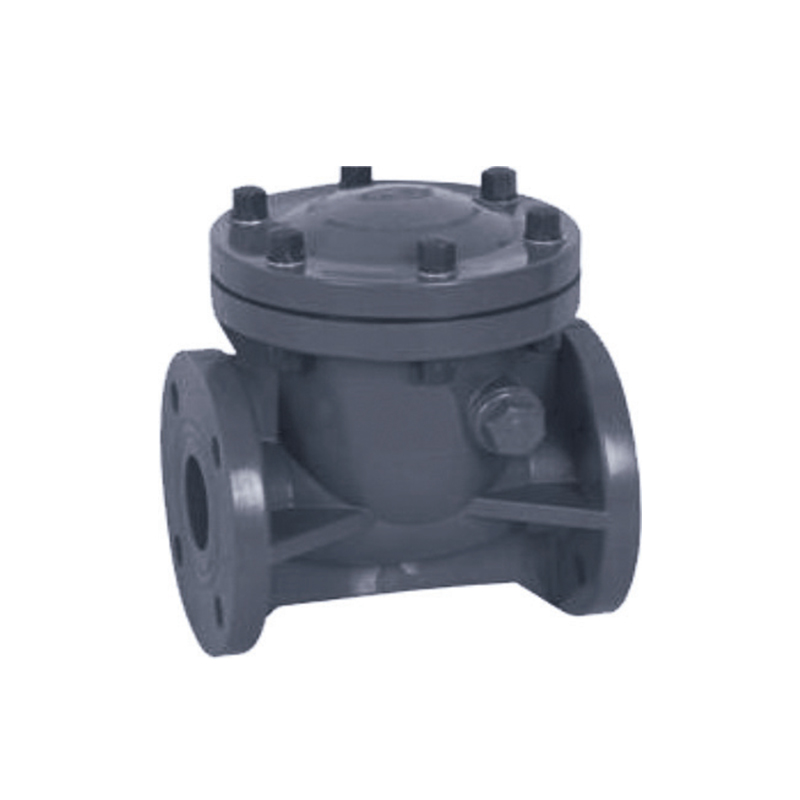
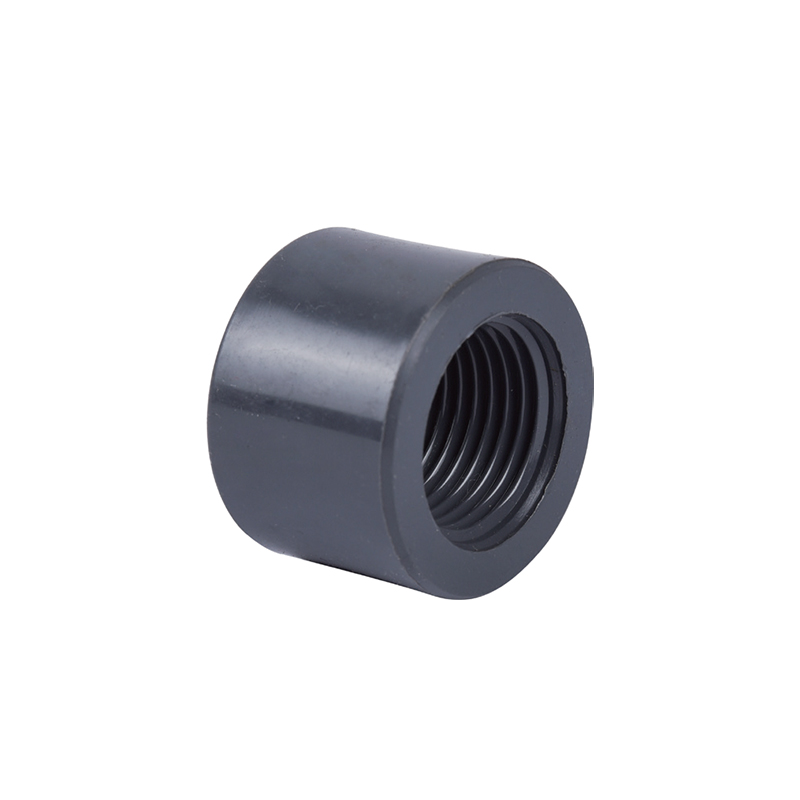
- Use correctly rated fittings and connection methods throughout the system
- Inspect installed piping periodically for signs of stress or damage
 +86-15258772971
 dinys009@163.com
 English
 한국어
한국어 Español
 عربى
عربى