Piping failures in chemical and high-temperature systems rarely come from bad luck; they come from a pipe grade that was never matched to the actual operating conditions. SCH 80 CPVC pipe is specified across industrial and chemical processing systems precisely because it holds up where standard plastic piping and even some metal pipes struggle, combining pressure capacity with strong chemical resistance. This guide walks through what the pipe is, where it performs best, and how to choose the right specification for your system.
FundamentalsWhat is SCH 80 CPVC pipe and how is it different from standard CPVC piping?
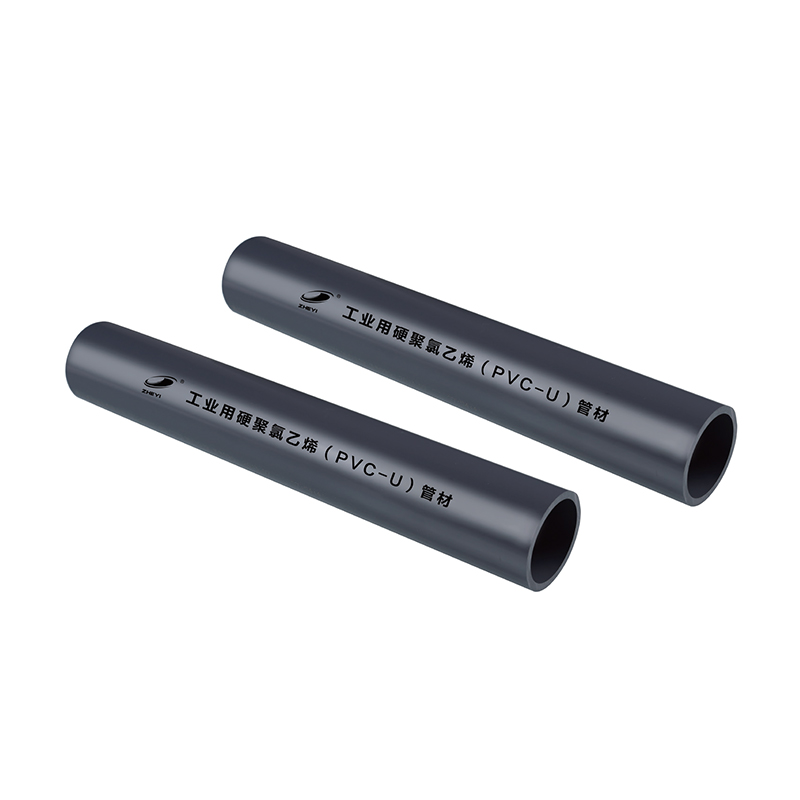
A SCH 80 CPVC pipe definition starts with wall thickness: schedule 80 refers to a thicker-walled pipe than schedule 40 at the same nominal diameter, giving it a higher chlorinated PVC pressure pipe rating for demanding systems. As a schedule 80 plastic piping system, it retains the corrosion resistance of standard CPVC while adding the extra wall thickness needed for higher pressure and higher stress applications.
This makes it an industrial CPVC pipe standard choice wherever a project needs a high pressure CPVC pipe grade beyond what schedule 40 can reliably support. The difference between SCH 40 and SCH 80 CPVC pipe is purely dimensional and structural, not chemical, since both share the same base CPVC compound.
- Wall thickness: SCH 80 walls are noticeably thicker than SCH 40 at the same diameter
- Pressure capacity: higher wall thickness supports greater working pressure
- Base material: identical CPVC chemistry across both schedules
In practice, what is SCH 80 CPVC pipe used for comes down to any system where higher pressure or greater mechanical stress rules out the thinner SCH 40 option, and why SCH 80 CPVC is used in industrial piping systems generally traces back to this added pressure margin.
Use CasesWhat are the main applications of SCH 80 CPVC pipe?
The combination of pressure rating and chemical resistance opens the pipe up to a broad set of industrial uses.
Chemical processing piping system Industrial fluid transport pipe Hot water distribution piping Corrosion resistant pipeline system HVAC industrial piping
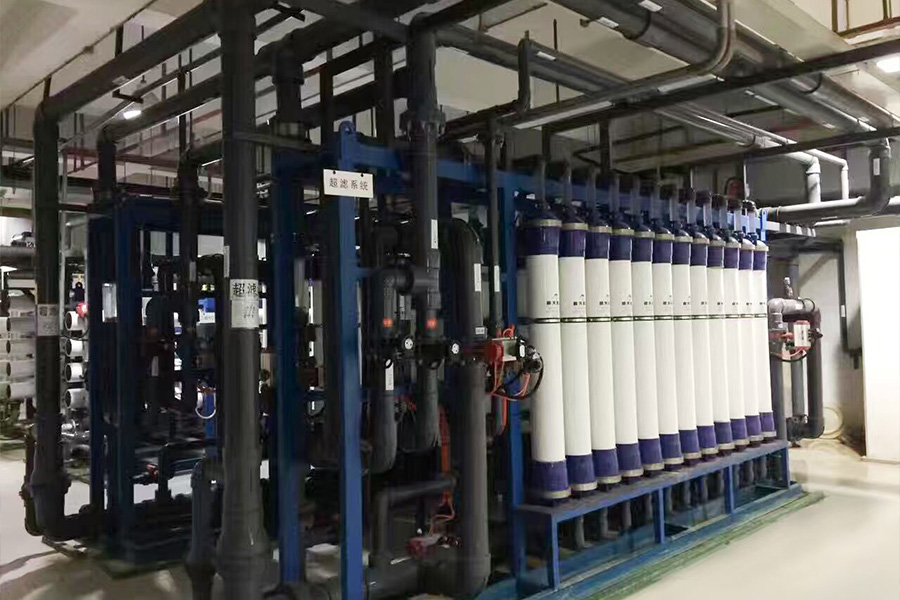
SCH 80 CPVC pipe for chemical transport applications is one of the most common uses, since the material resists a wide range of acids, bases, and salts that would corrode standard metal piping over time. Industrial use of CPVC high temperature piping extends this further into hot water and process fluid lines operating above what standard PVC can safely handle. Where SCH 80 CPVC pipe is commonly installed generally comes down to any process line combining elevated temperature, chemical exposure, or pressure beyond the comfort range of thinner-walled plastic pipe.
PerformanceWhat performance properties should SCH 80 CPVC pipe provide?
A properly specified pipe needs to satisfy several measurable performance properties simultaneously.
ElevatedHigh temperature resistance pipe
BroadChemical corrosion resistance CPVC
RatedPressure rating piping system
ExtendedLong service life plastic pipe
How heat resistant is SCH 80 CPVC pipe depends on the specific compound and the fluid being carried, but CPVC generally handles higher continuous operating temperatures than standard PVC. Pressure capacity of schedule 80 CPVC pipe should always be checked against the manufacturer's temperature-adjusted pressure rating, since plastic pipe pressure capacity decreases as operating temperature rises. Chemical resistance of CPVC piping systems covers a wide range of industrial acids, bases, and salt solutions, and many formulations also carry flame retardant piping material properties suited to certain building and industrial code requirements.
ComparisonWhat are the advantages of SCH 80 CPVC pipe over metal pipes?
SCH 80 CPVC pipe
- Corrosion free piping system, unaffected by rust
- Lightweight pipe installation, easier handling
- Cost effective piping material overall
- Easy installation CPVC pipe using solvent welding
Metal pipe (steel / stainless)
- Higher raw mechanical strength in some conditions
- Susceptible to corrosion without added coatings
- Heavier, more labor-intensive to install
- Requires welding or threading for joints
A CPVC pipe vs steel pipe comparison usually favors CPVC where corrosion resistance and installation speed matter more than raw impact strength. Why use plastic pipe instead of metal in industry often comes down to a non-metallic pipeline system avoiding the ongoing corrosion maintenance that steel systems require. The advantages of SCH 80 CPVC over stainless steel pipe narrow somewhat in extreme mechanical or high-temperature environments, where stainless steel may still be the safer specification.
ProductionHow is SCH 80 CPVC pipe manufactured?
1
Chlorination PVC production method
Base PVC resin undergoes a chlorination reaction to produce the CPVC compound.
2
Compound preparation
CPVC resin is blended with stabilizers and processing aids for extrusion.
3
CPVC extrusion process
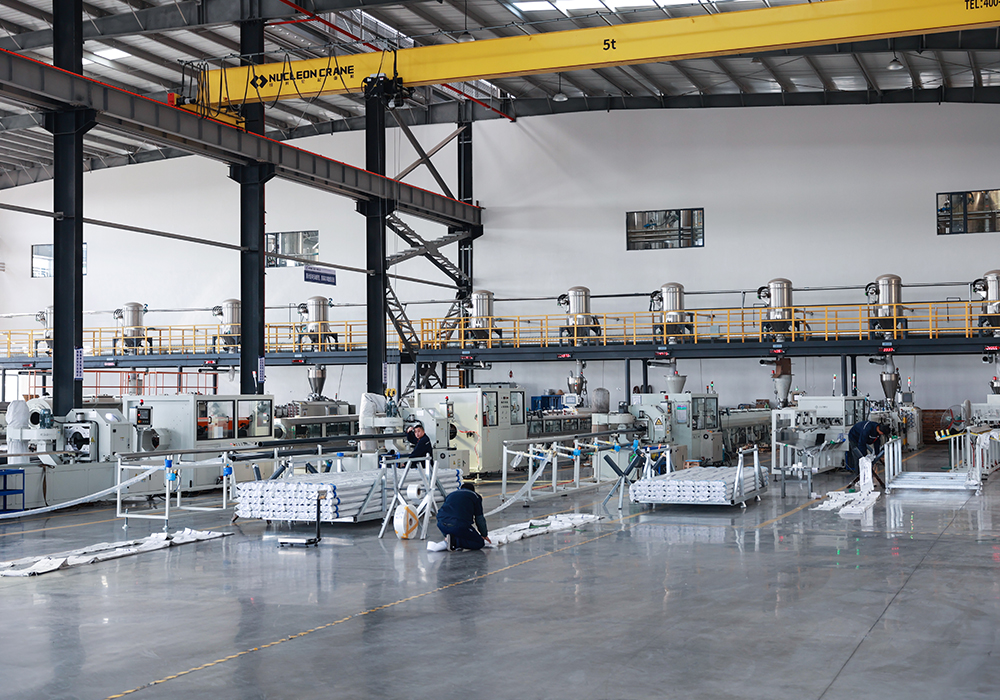
The compound is extruded through a die on a pressure pipe manufacturing line to form the pipe wall and diameter.
4
Polymer pipe forming process
The extruded pipe is sized, cooled, and cut to standard lengths.
5
Testing and finishing
Pipes undergo pressure and dimensional testing as part of the pipe molding process industrial quality checks before shipment.
How SCH 80 CPVC pipe is made ultimately determines its consistency in the field, and the manufacturing process of CPVC industrial pipes depends heavily on precise control during the extrusion process of high pressure CPVC pipe to maintain uniform wall thickness along the full pipe length.
SelectionHow do you select the right SCH 80 CPVC pipe for your system?
| Selection factor |
What to confirm |
| Pipe diameter selection |
Match nominal size to required flow rate |
| Pressure rating selection |
Confirm rating accounts for operating temperature derating |
| Temperature rating piping system |
Verify maximum continuous operating temperature fits the process |
| Chemical compatibility selection |
Check compatibility with the specific fluid or chemical being transported |
| Fitting compatibility CPVC system |
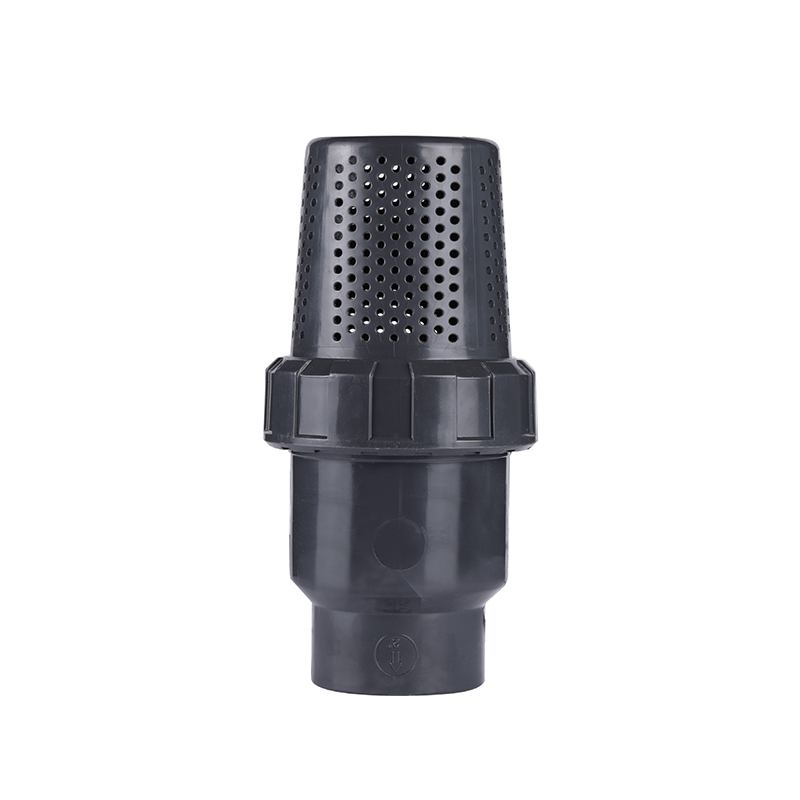
Confirm fittings and solvent cement match the pipe specification |
How to choose SCH 80 CPVC pipe size and selecting CPVC pipe for chemical systems both depend on getting these five checks right before installation begins. This same guide to CPVC pipe pressure and temperature rating logic applies across chemical processing, HVAC, and general industrial fluid transport projects alike.
LimitationsWhat are the limitations of SCH 80 CPVC pipe?
No piping material is without trade-offs, and understanding the disadvantages of SCH 80 CPVC pipe helps set realistic project expectations.
UV degradation CPVC pipe exposure over extended outdoor use can weaken the material over time, so exposed installations often require UV-protective coating, paint, or enclosure.
Impact resistance limitations plastic pipe behavior means CPVC can crack under sharp impact in a way that ductile metal pipe typically would not. Thermal expansion piping system design must also account for CPVC's higher expansion and contraction rate compared with metal, requiring expansion loops or joints in long runs. Solvent sensitivity CPVC material considerations mean certain solvents and chemicals can degrade the pipe even when the transported fluid itself is compatible, and pressure limitations plastic piping ratings decline as operating temperature increases, which is why can CPVC pipe be used outdoors depends heavily on UV protection and expected temperature swings at the installation site.
OutlookWhat is the future trend of CPVC piping systems in global industry?
Plastic piping system growth continues across industrial and commercial construction as corrosion-related maintenance costs push more specifiers toward non-metallic alternatives. Sustainable pipeline materials are also gaining attention as manufacturers explore lower-impact production methods and improved recyclability for CPVC and related polymer pipe products.
Corrosion resistant piping trends favor CPVC and similar materials in chemical and water treatment facilities where long-term maintenance cost outweighs the higher upfront cost of some metal alternatives. Energy efficient fluid systems benefit from CPVC's lower thermal conductivity compared with metal pipe, reducing heat loss in hot fluid transport lines. Industrial polymer pipe innovation continues to push compound formulations toward higher temperature tolerance, suggesting CPVC will keep expanding into applications once reserved for metal piping, even if it will not fully replace metal pipe in the highest-stress industrial systems.
FAQ
What is SCH 80 CPVC pipe?
It is a thick-walled chlorinated PVC pipe rated for higher pressure than standard schedule 40 CPVC, used across industrial, chemical, and high-temperature fluid systems.
What is difference between SCH 40 and SCH 80 CPVC?
The difference is wall thickness and pressure rating; SCH 80 has a thicker wall at the same nominal diameter, giving it a higher pressure capacity than SCH 40.
Is CPVC pipe suitable for hot water?
Yes, CPVC is commonly used in hot water distribution systems because it tolerates higher continuous temperatures than standard PVC piping.
How long does CPVC pipe last?
Service life varies with operating conditions, but properly installed and rated CPVC piping commonly provides decades of reliable service in appropriate applications.
Can CPVC pipe be used for chemicals?
Yes, CPVC resists a wide range of industrial chemicals, though compatibility should always be confirmed against the specific chemical being transported.
Is CPVC pipe better than PVC?
CPVC generally offers higher temperature tolerance and a broader chemical resistance range than standard PVC, making it the preferred choice for hotter or more chemically demanding systems.
 +86-15258772971
 dinys009@163.com

 English
 한국어
한국어 Español
 عربى
عربى