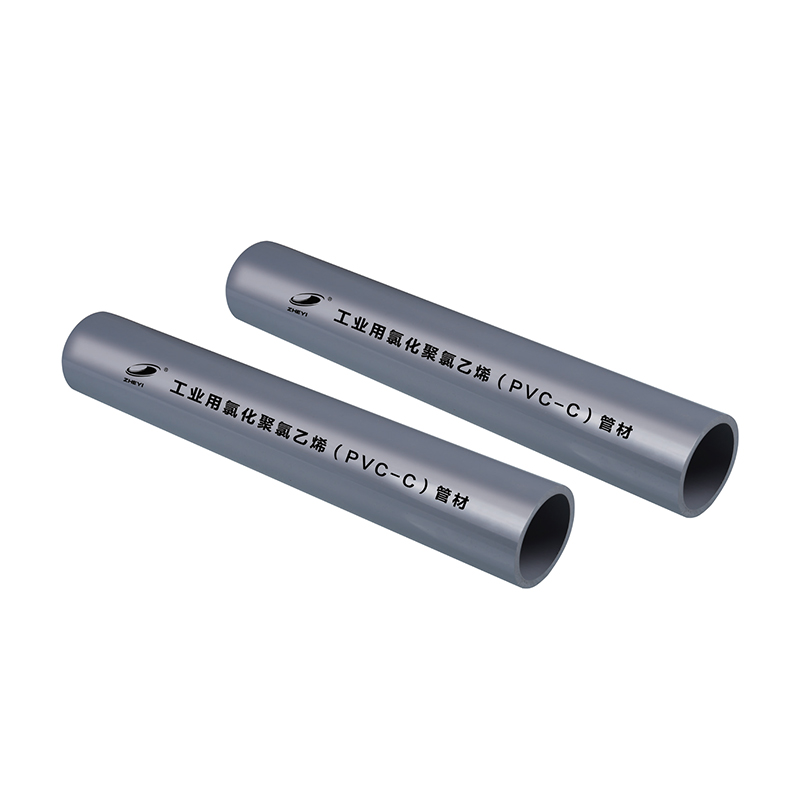
Metallurgical and steel processing environments combine elevated temperatures, corrosive process fluids, and demanding pressure conditions that quickly expose the limitations of unsuitable piping materials. CPVC Pipe for Metallurgy applications has become a common specification choice because chlorinated polyvinyl chloride offers a practical balance of chemical resistance, elevated temperature tolerance, and long-term durability compared with many conventional metallic and plastic alternatives. This guide reviews the pipe types, application areas, performance properties, and installation practices that engineering and procurement buyers should evaluate when specifying CPVC piping for metallurgical facilities.
Temperature
Rated for continuous elevated-temperature service well beyond standard PVC
Chemical Duty
Broad resistance to acids, alkalis, and salts common in metal processing
Service Life
Non-corroding wall resists the internal degradation typical of metal pipe
Types of CPVC Pipes for Metallurgy Applications
CPVC industrial pipe products used in metallurgical settings vary by pressure class, wall thickness, and formulation, and matching the correct type to the process line is the first step in a reliable piping specification.
Standard CPVC Industrial Pipe
General-purpose piping for process water, cooling circuits, and moderate chemical exposure lines within a metallurgical facility.
CPVC High Temperature Pipe
Formulated and rated for continuous exposure to hot process fluids, commonly used on lines closer to furnace or processing equipment discharge points.
Chemical Resistant CPVC Pipe
Selected for acid, alkali, or salt-bearing process streams where metallic piping would be vulnerable to internal corrosion over time.
Schedule-Rated Industrial Plastic Pipe
Available in standard schedule classifications so engineers can match wall thickness and pressure rating to the specific line duty.
Because a corrosion resistant pipe only performs as specified when matched correctly to the process conditions, buyers should confirm both the temperature rating and the chemical compatibility of a given CPVC grade against the actual fluid composition of the line before finalizing a specification.
Applications of CPVC Pipe in Metallurgy Industry
CPVC piping is specified across multiple systems within metallurgical and steel processing plants, generally wherever a combination of elevated temperature and chemical exposure would compromise standard plastic pipe or accelerate corrosion in unlined metal pipe.
Industrial Cooling Water Systems
Industrial cooling water system piping in metallurgical plants circulates large volumes of water to manage equipment and process temperatures. CPVC pipe resists the scaling and internal corrosion that can develop in metal piping exposed to treated cooling water over extended operating periods, helping maintain consistent flow performance.
Chemical Transport and Corrosive Fluid Handling
Chemical transport pipeline runs in metal processing facilities frequently carry acid pickling solutions, alkaline cleaning agents, and other corrosive fluid handling system streams. CPVC piping is commonly selected for these lines because its resistance to a broad range of acids and bases reduces the internal wall degradation that leads to leaks or unplanned maintenance in metallic alternatives.
Metal Processing Plant Piping
Beyond cooling and chemical transport, metal processing plant piping applications include wastewater treatment lines, scrubber systems, and general process fluid transport where both chemical exposure and moderate to elevated temperatures are present simultaneously.
High Temperature Fluid Transport
High temperature fluid transport lines near furnace areas or downstream processing equipment require piping rated for sustained elevated temperature service. CPVC formulations intended for this duty maintain mechanical integrity at continuous operating temperatures well above what standard PVC piping can tolerate, though buyers should always confirm the specific temperature rating against the manufacturer's data for the selected pipe grade.
CPVC piping is frequently selected as an alternative to metal pipe on corrosive process lines specifically because it does not rust, scale, or pit internally the way carbon steel or unlined metal piping can under sustained acid or alkali exposure.
Key Performance Properties Buyers Should Evaluate
Selecting the right CPVC pipe grade for a metallurgical application requires comparing several performance characteristics against the actual operating conditions of the line.
Temperature Resistance
Heat resistant CPVC pipe is generally rated for continuous service at temperatures meaningfully higher than standard PVC piping, which makes it suitable for hot process water and elevated-temperature chemical lines common in metallurgical operations. Actual maximum service temperature depends on the specific pipe grade and pressure class, and buyers should always confirm the manufacturer's published temperature-pressure rating for their intended line before specifying.
Chemical Resistance
Chemical resistant pipe performance is one of the primary reasons CPVC is specified in metallurgy, since the material resists a wide range of acids, alkalis, and salts that are common in pickling, cleaning, and wastewater lines. Compatibility should still be confirmed against the specific chemical concentration and temperature combination present in the line, since resistance can vary with both factors.
Pressure Rating
High pressure plastic pipe applications require selecting a CPVC schedule and wall thickness rated for the line's operating pressure at the expected operating temperature, since plastic pipe pressure ratings decrease as temperature increases. This temperature-pressure relationship is a standard engineering consideration for any thermoplastic piping system.
Fire Performance
Flame retardant CPVC pipe formulations are commonly used in industrial buildings where fire performance codes apply to piping materials, offering self-extinguishing characteristics that differ from many other thermoplastics.
| Property |
Standard CPVC |
High-Temperature CPVC |
| Temperature Duty |
Moderate elevated service |
Higher continuous service |
| Chemical Exposure |
General process fluids |
Acid, alkali, salt streams |
| Typical Line |
Cooling and process water |
Near-furnace, chemical transport |
| Pressure Consideration |
Rated at ambient to moderate temp |
Derated at higher temperature |
Chlorinated polyvinyl chloride, or CPVC, is a thermoplastic piping material produced by chlorinating PVC resin, which raises its heat deflection temperature and expands its suitability for hot and chemically aggressive industrial service compared with standard PVC.
Installation and System Design Considerations
Reliable CPVC piping installation in a metallurgical facility depends on correct joining methods, thermal expansion planning, and adequate mechanical support along the line.
1
Solvent Welding
Most CPVC pipe joining methods rely on solvent cement welding, which chemically fuses the pipe and fitting surfaces. Proper surface preparation, cement application, and cure time are essential to achieving a reliable joint.
2
Thermal Expansion Allowance
Thermal expansion CPVC pipe behavior must be accounted for in system layout, since plastic piping expands and contracts more than metal pipe across temperature swings. Expansion loops, offsets, or dedicated expansion joints are used to manage this movement without stressing fixed points.
3
Support Spacing
CPVC pipe support spacing guidance is generally tighter than for rigid metal pipe because thermoplastic materials have lower stiffness, particularly at elevated temperatures. Support intervals should follow the pipe manufacturer's spacing tables for the specific size, schedule, and operating temperature.
4
Industrial Pipe Fitting System Selection
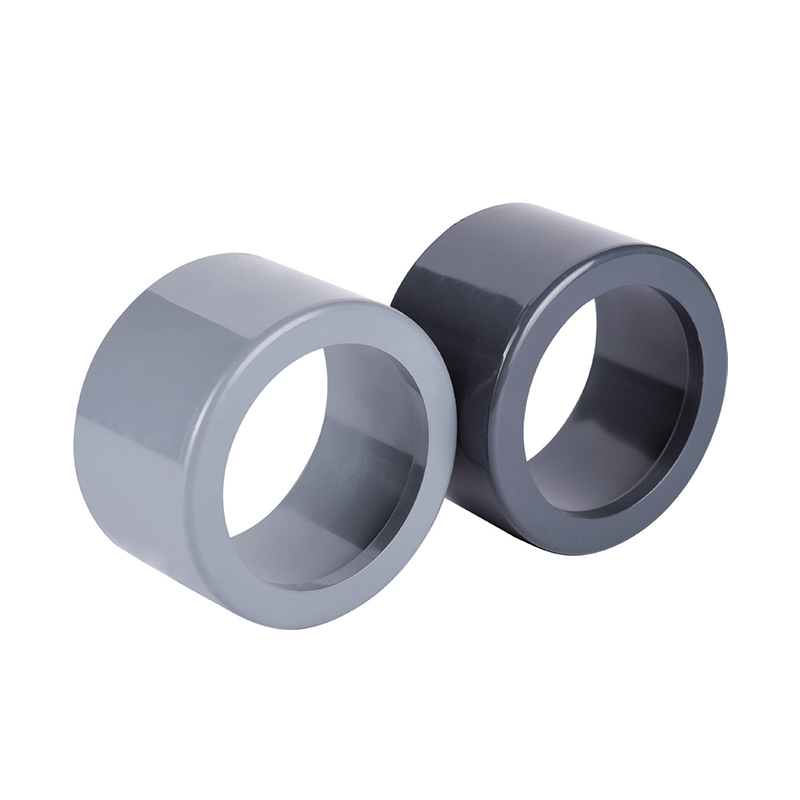
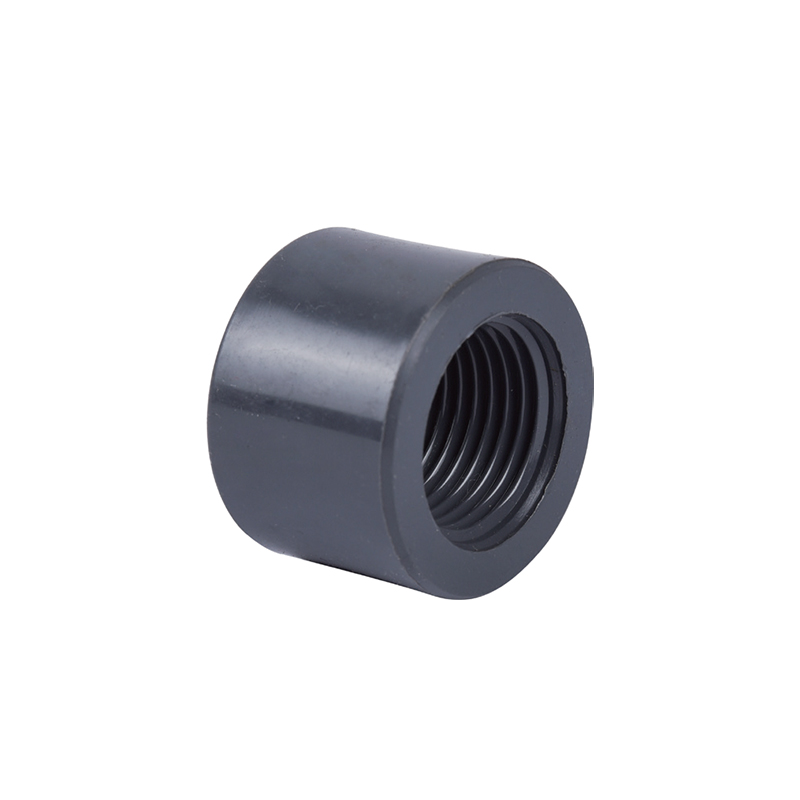
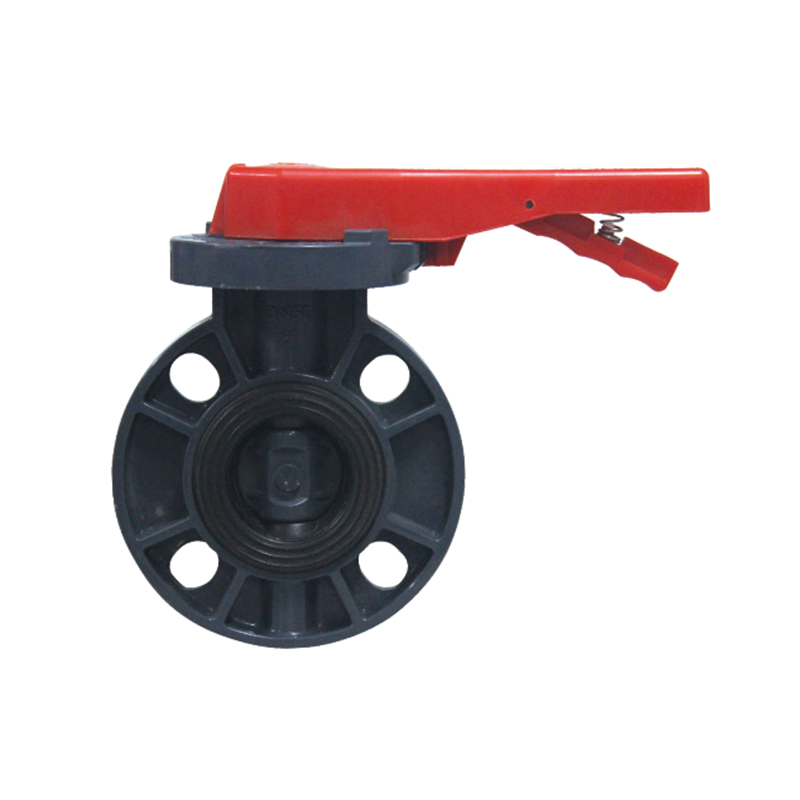
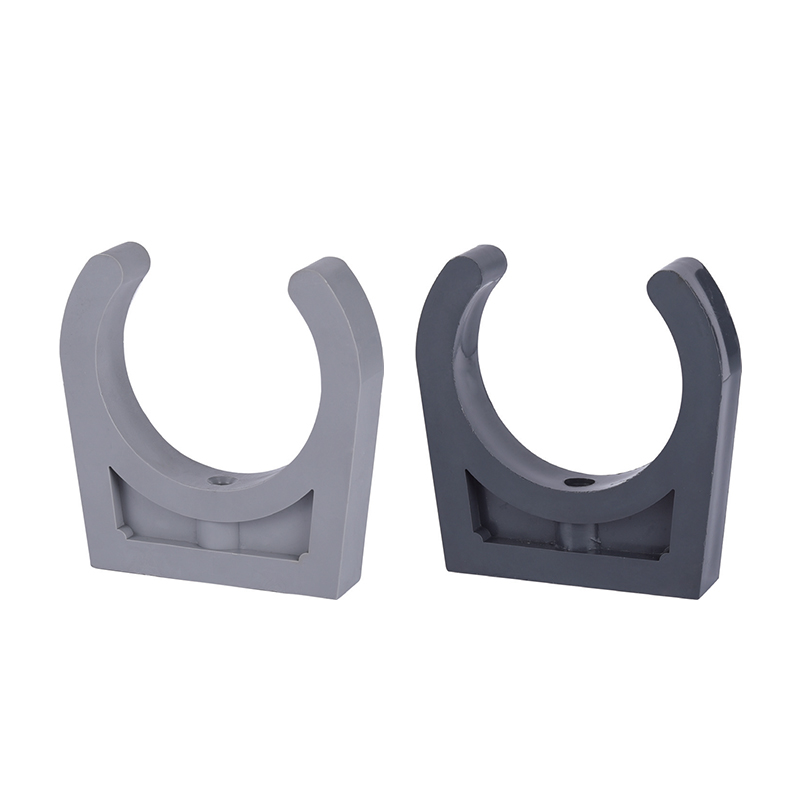
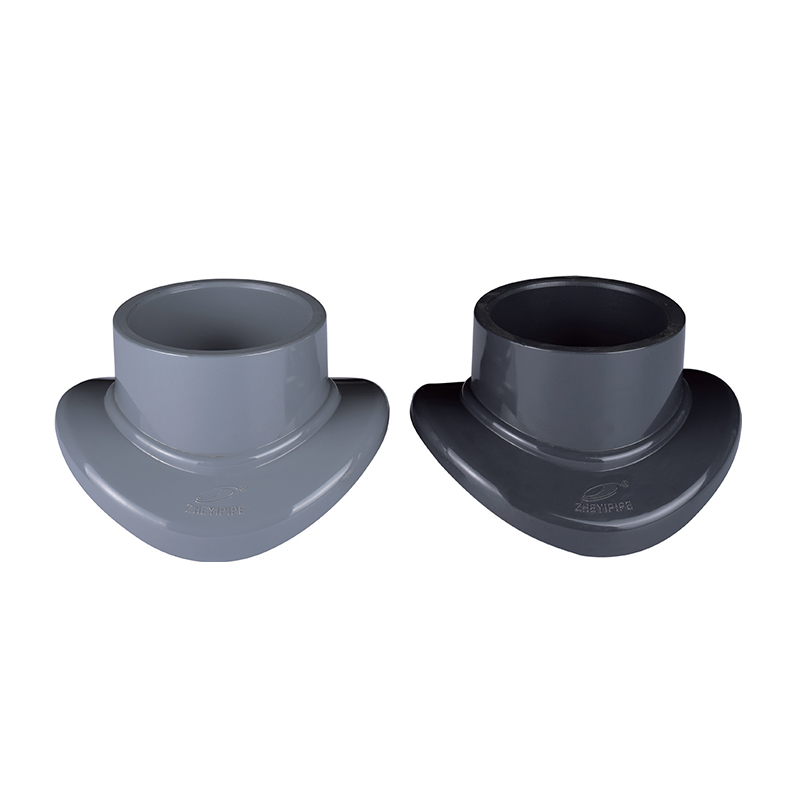
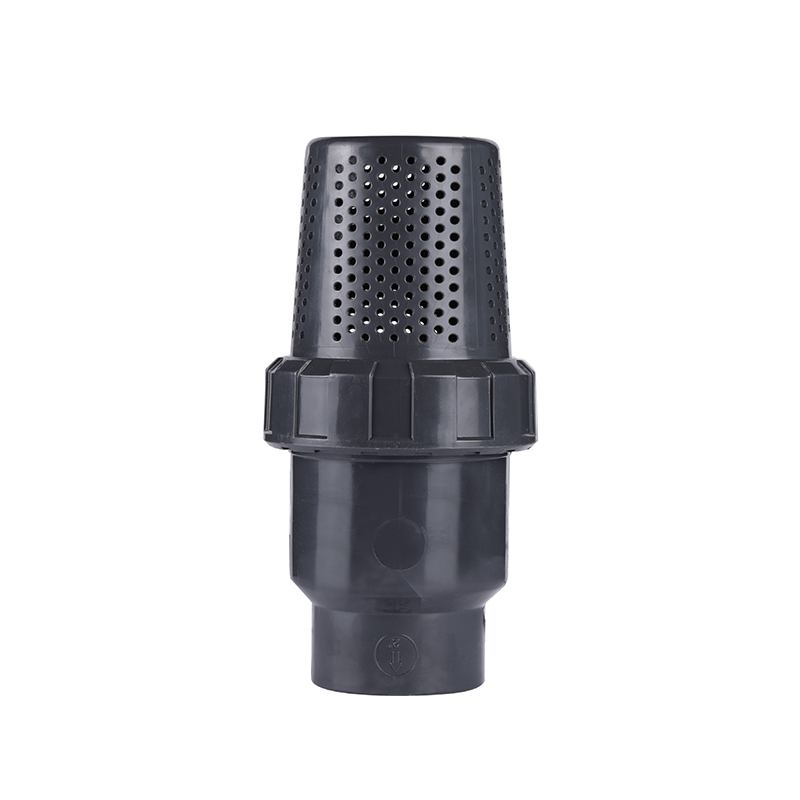
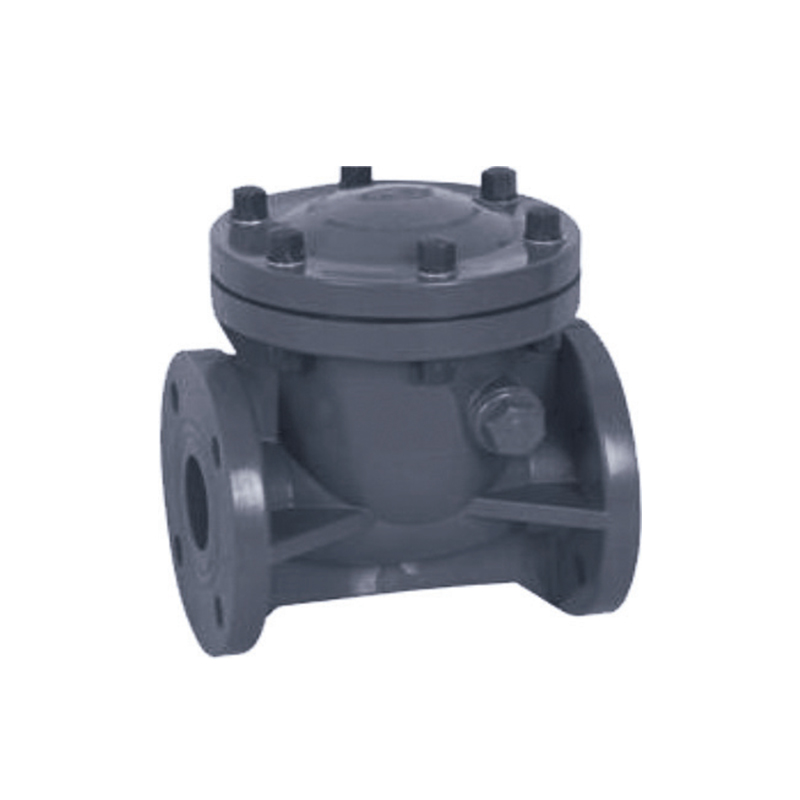
Fittings, valves, and transition connections should be rated for the same pressure and temperature conditions as the pipe itself, and chemical plant piping design should account for compatible gasket and seal materials at every transition point.
FAQ
What is CPVC pipe used for in metallurgy?
CPVC pipe is used in metallurgical plants for cooling water circulation, chemical transport lines, corrosive fluid handling, and process water systems where elevated temperature and chemical exposure make standard piping materials less suitable.
Is CPVC pipe suitable for high temperature use?
CPVC is rated for continuous service at elevated temperatures well above standard PVC, making it suitable for many hot process lines in metallurgical facilities, though buyers should confirm the specific temperature-pressure rating for their intended application.
What chemicals can CPVC pipe handle?
CPVC generally resists a broad range of acids, alkalis, and salt solutions common in metal processing, though exact chemical compatibility should be confirmed against concentration and operating temperature for the specific process fluid.
How do you install CPVC pipe systems?
CPVC pipe systems are typically joined using solvent cement welding, installed with allowance for thermal expansion, and supported at intervals appropriate to pipe size, schedule, and operating temperature.
What is the difference between PVC and CPVC pipe?
CPVC is produced by chlorinating PVC resin, which raises its heat deflection temperature and generally improves its chemical resistance profile, making it suitable for higher-temperature and more chemically demanding applications than standard PVC.
How long does CPVC pipe last in industrial use?
Service life depends on correct material selection, proper installation, and operation within rated temperature and pressure limits; CPVC piping installed and operated within its specifications is generally valued for a long service life due to its resistance to internal corrosion.
Final Thoughts
Specifying CPVC pipe for metallurgy applications comes down to matching pipe grade, temperature rating, and chemical resistance to the specific demands of each process line. Buyers who evaluate temperature-pressure ratings, chemical compatibility, and correct installation practices together are best positioned to select a piping solution that performs reliably across cooling, chemical transport, and high-temperature process systems.
 +86-15258772971
 dinys009@163.com

 English
 한국어
한국어 Español
 عربى
عربى