Wrong pressure rating, wrong chemical compatibility, or wrong wall thickness — any one of these mistakes turns a piping project into a leak risk. SCH 80 UPVC pipe solves most of that risk upfront with a thicker wall and higher pressure rating than standard schedule 40 pipe, but only if it's sized and specified correctly for the system it's going into.
1What SCH 80 UPVC Pipe Actually Is
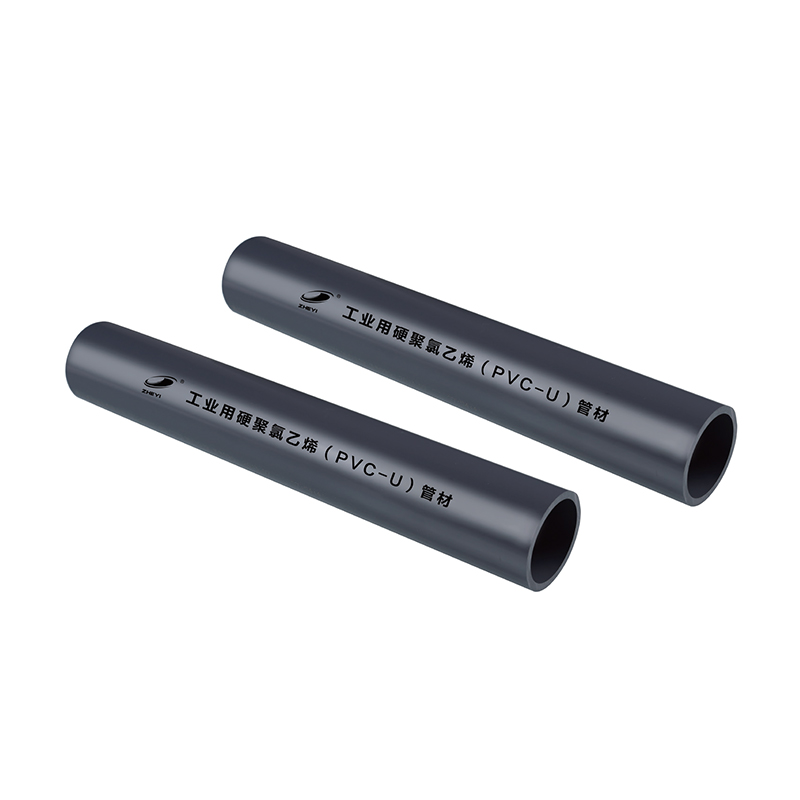
SCH 80 UPVC pipe is rigid unplasticized PVC manufactured to Schedule 80 wall thickness standards, giving it a thicker wall, higher pressure rating, and greater impact resistance than Schedule 40 pipe of the same nominal diameter. That extra wall thickness is what lets it hold up in chemical processing lines, water treatment plants, and industrial fluid transport where standard PVC would be undersized for the job.
ThickerWall vs Schedule 40 PVC
HigherPressure rating at the same diameter
WideChemical compatibility range
2Five Factors That Determine the Right Pipe
| Factor |
What to Check |
| Operating pressure |
Maximum pressure, fluctuations, safety margin, pump pressure |
| Chemical compatibility |
Fluid type, concentration, exposure time, temperature |
| Temperature conditions |
Operating range and fluctuation under real use |
| Pipe sizing |
Inner diameter, flow rate, pump capacity |
| Installation environment |
Indoor, underground, outdoor, UV and mechanical exposure |
3SCH 80 UPVC vs Metal and Standard PVC
SCH 80 UPVC
High pressure resistance, excellent chemical resistance, lightweight, easy installation, low maintenance.
Metal Pipe
High pressure resistance but heavier, more complex installation, corrosion resistance depends on alloy.
Standard PVC
Lightweight and easy to install, but medium pressure rating and thinner wall than Schedule 80.
4Where SCH 80 UPVC Pipe Gets Specified
- Chemical processing — transfer lines and lab piping exposed to corrosive substances
- Water treatment — purification and filtration systems needing a smooth, scale-resistant bore
- Industrial manufacturing — cooling water, process water, and drainage lines
- Irrigation systems — farm and greenhouse water distribution networks
- Pool circulation — filtration and water treatment loops requiring chemical resistance
5Common Selection Mistakes
Wrong pressure rating. Always verify working pressure, maximum pressure, and safety margin before specifying pipe.
Ignoring chemical compatibility. Confirm the transported fluid won't degrade UPVC over time or at elevated temperature.
Incorrect sizing. Calculate required flow rate and pressure loss rather than guessing at diameter.
Overlooking installation conditions. UV exposure, soil conditions, and mechanical stress all affect long-term service life.
6Installation Essentials
Solvent cement joining, mechanical connections, or threaded fittings each have their place depending on the application, but leak prevention comes down to correct technique regardless of method. Proper support spacing, accurate alignment, and allowance for thermal expansion prevent the sagging and joint stress that shorten a piping system's service life.
7Frequently Asked Questions
What's the real difference between SCH 40 and SCH 80 UPVC pipe?
SCH 80 has a thicker wall at the same nominal diameter, giving it a higher pressure rating and better impact resistance than SCH 40 pipe.
Is SCH 80 UPVC pipe suitable for chemical transfer lines?
Yes, for a wide range of chemicals, but always confirm compatibility with the specific fluid, concentration, and operating temperature before installation.
Can SCH 80 UPVC pipe be used underground?
Yes, with attention to soil conditions and proper support, though installation practices differ from above-ground indoor runs.
Does SCH 80 UPVC pipe handle high-temperature fluids well?
It performs well in cold to moderate temperatures, but very high-temperature applications may require an alternative piping material.
Getting pressure rating, chemical compatibility, and sizing right up front is what makes SCH 80 UPVC pipe a reliable long-term choice across chemical processing, water treatment, industrial, and irrigation piping systems.
 +86-15258772971
 dinys009@163.com
 English
 한국어
한국어 Español
 عربى
عربى