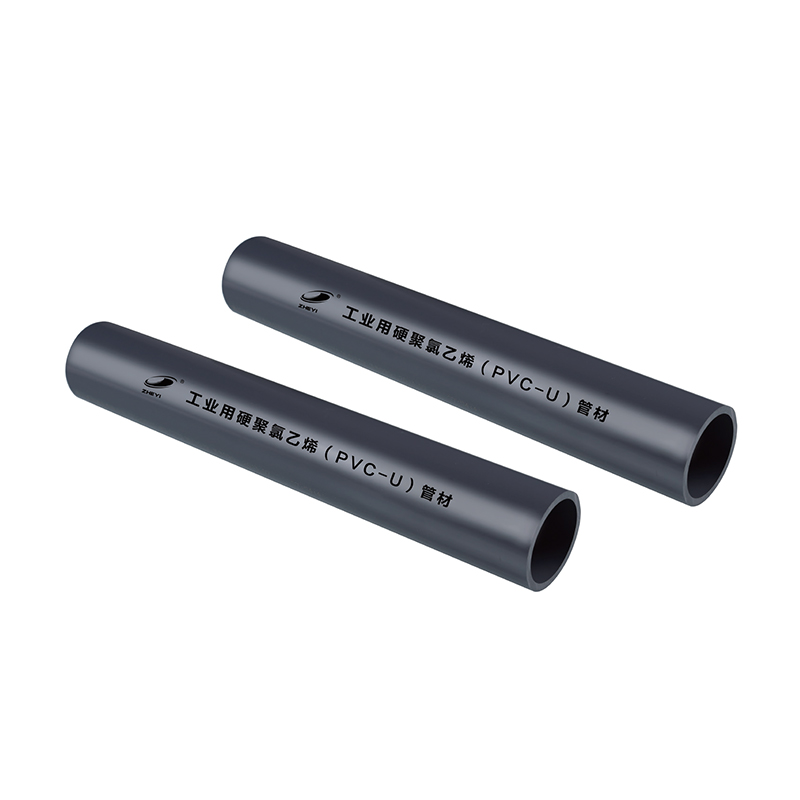
Two pipes can share the same outside diameter and still behave completely differently under pressure. A SCH 80 UPVC pipe carries a thicker wall than SCH 40 pipe of the same nominal size, and that single dimension drives every downstream difference in pressure rating, weight, flow, and cost.
Quick Comparison
SCH 80 vs SCH 40 at a Glance
SCH 80 Thicker wall, higher pressure rating, heavier, higher cost
VS
SCH 40 Thinner wall, moderate pressure rating, lighter, lower cost
Dimensions
Wall Thickness by the Numbers
Wall thickness is the root cause of every other difference between the two schedules. A thicker wall uses more raw material, adds weight, and narrows the internal diameter slightly, which is the tradeoff SCH 80 makes in exchange for strength.
Illustrative Wall Thickness, 2 Inch Nominal Pipe (mm)
Performance
Pressure Rating Compared
Pressure capability follows wall thickness directly. Choosing SCH 80 UPVC pipe over SCH 40 for the same nominal size buys meaningful pressure headroom, which matters most in chemical processing and industrial fluid systems where safety margin is non-negotiable.
Illustrative Pressure Rating, 2 Inch Nominal Pipe at 73F (PSI)
Reference
Full Feature Comparison
| Wall Thickness |
Thicker |
Thinner |
| Pressure Rating |
Higher |
Moderate |
| Weight |
Heavier |
Lighter |
| Flow Capacity |
Slightly lower |
Slightly higher |
| Cost |
Higher |
Lower |
| Best Applications |
Industrial, high-pressure systems |
General piping systems |
Columns left to right: SCH 80 UPVC Pipe, SCH 40 UPVC Pipe
Decision Guide
Choosing Between SCH 80 and SCH 40
1High system pressure or safety margin needed → SCH 80
2Corrosive chemicals or industrial process fluid → SCH 80
3Clean water, irrigation, or drainage → SCH 40
4Easy handling and installation efficiency matter most → SCH 40
Avoid This
Common Selection Mistakes
" Choosing SCH 40 on price alone, without checking working pressure, is the single most common piping mistake. Mechanical strength requirements should be confirmed before cost.
A lower sticker price on SCH 40 pipe means little if the system later operates above its pressure rating. Flow requirements deserve the same scrutiny: SCH 80's narrower internal diameter can reduce flow capacity slightly compared with SCH 40 at the same nominal size, which matters on long runs with tight flow targets.
Frequently Asked Questions
What is the main difference between SCH 80 and SCH 40 UPVC pipe?
Wall thickness. SCH 80 pipe has a thicker wall than SCH 40 pipe of the same nominal size, which raises its pressure rating, weight, and cost.
Is SCH 80 UPVC pipe always the safer choice?
Not necessarily. SCH 80 adds pressure headroom and mechanical strength, but for general water supply or drainage at moderate pressure, SCH 40 is usually sufficient and more economical.
Does SCH 80 pipe reduce flow capacity?
Slightly. Because SCH 80's thicker wall narrows the internal diameter compared with SCH 40 at the same nominal size, flow capacity can be marginally lower.
Which schedule is better for chemical processing?
SCH 80 UPVC pipe is generally preferred for chemical processing and industrial fluid systems because of its higher pressure rating and stronger structure.
 +86-15258772971
 dinys009@163.com

 English
 한국어
한국어 Español
 عربى
عربى