Schedule 80 CPVC Fittings Manufacturing Process: What Really Determines Quality
A Schedule 80 CPVC fitting has to survive years of internal pressure, repeated chemical exposure, and temperature swings. The pressure rating on a data sheet is not created by the plastic alone; it is created during manufacturing. If the process is compromised, the fitting can fail before it reaches even half of its rated pressure. This article explains how Schedule 80 CPVC fittings are made, step by step, and which stages have the greatest impact on the finished product.
In short, reliable Schedule 80 CPVC fittings come from controlled material preparation, precise injection molding, careful cooling, and rigorous testing. Every other property, such as wall thickness consistency, pressure capacity, and joint reliability, is decided by those upstream steps.
What Schedule 80 CPVC Fittings Are and Why the Process Matters
Schedule 80 describes a wall-thickness series used for CPVC pipe and fittings. A Schedule 80 fitting has a thicker wall than a Schedule 40 fitting of the same nominal size, which gives it a higher pressure capacity at elevated temperatures. The thicker wall also makes the fitting more rigid and more resistant to physical damage during handling and installation.
But a thick wall is not automatically a strong wall. If the molding process is not controlled, thick sections can develop internal voids, sink marks, or residual stress. Those defects may not be visible on the surface, but they shorten service life under pressure. That is why the manufacturing process matters as much as the material itself.
The same process discipline applies across an entire CPVC system. A complete piping system includes CPVC pressure pipes, molded fittings, valves, and joining materials, and every component deserves the same level of scrutiny.
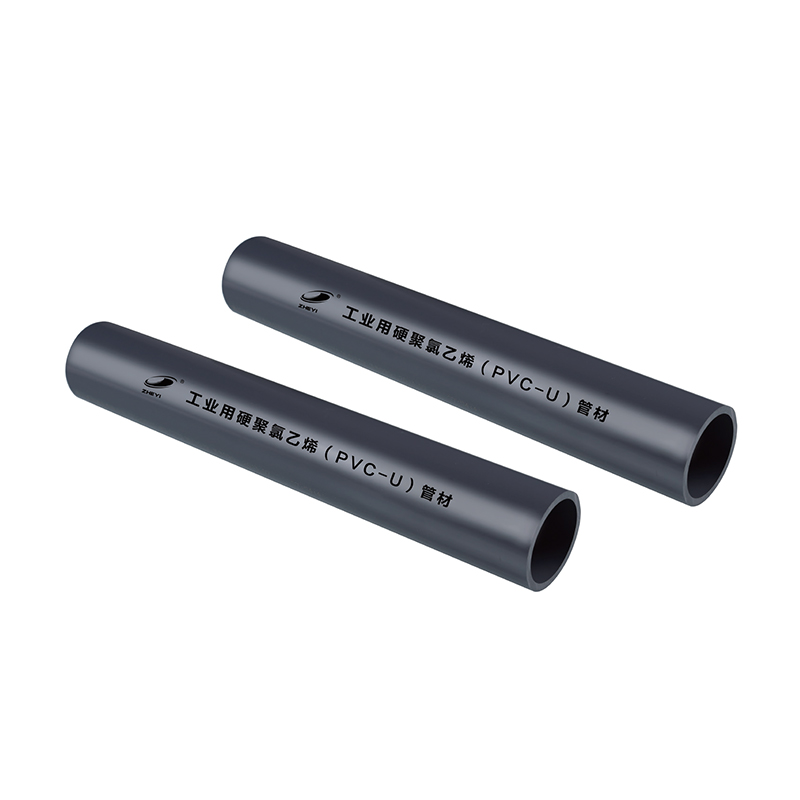
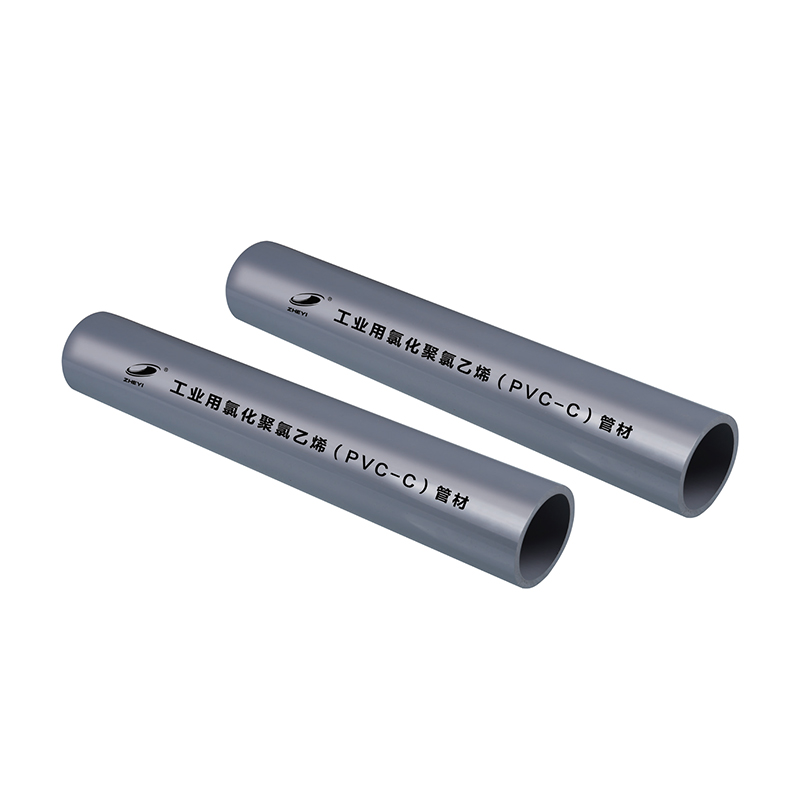 Custom CPVC Pipe pressure For Food Industry/Automotive/Electronic Suppliers, FacZheyi Pipeline (Wuhan) Co., Ltd. Is China Custom CPVC Pipe pressure For Food Industry/Automotive/Electronic Suppliers, Factory, Manufactu...View Product →
Raw Material Preparation: The First Quality Gate
CPVC fittings are molded from a compound that starts as chlorinated PVC resin. The resin is blended with heat stabilizers, impact modifiers, lubricants, and pigments to create a formulation with the right balance of melt flow, thermal stability, and mechanical strength. The exact formulation affects how the material fills the mold and how the finished part behaves under stress.
Moisture control is the first critical step. CPVC compound can absorb moisture during storage, especially in humid climates. When the material is heated to melt temperature, that moisture turns to steam and leaves bubbles inside the fitting wall. These bubbles reduce pressure strength and can create leak paths. A professional manufacturer dries the compound to a specified moisture level before feeding it into the molding machine.
Batch consistency is equally important. The supplier should check the specific gravity, flow properties, and moisture content of each incoming compound batch. This verification, done before production, prevents process surprises and helps keep the final fittings within tolerance.
The Injection Molding Process: Setting the Internal Structure
Drying and Feeding
The compound is loaded into a hopper dryer, which keeps it at a controlled temperature and removes moisture. From the dryer, the compound feeds steadily into the barrel of an injection molding machine. A consistent feed rate keeps the melt temperature uniform; disruptions in feeding can cause inconsistent flow and weak spots in the finished part.
Melting and Injection
Inside the barrel, a rotating screw heats and melts the compound. CPVC is more heat-sensitive than standard PVC, so the barrel temperature zones must be carefully set. The molten CPVC is then injected into the closed mold at a controlled speed and pressure. Injecting too quickly can overheat the material; injecting too slowly can leave short shots or weak weld lines.
Mold Filling and Cooling
The mold is maintained at a specific temperature to promote even cooling. For Schedule 80 fittings, the walls are thick, so the part must stay in the mold long enough for the inner sections to solidify uniformly. If the part is ejected too early, the outer wall hardens first while the inner material shrinks and pulls away, creating a void or sink mark. Longer cooling time is one reason why a well-made Schedule 80 fitting takes longer to produce than a lighter Schedule 40 part.
Part Removal and Finishing
After cooling, the mold opens and the fitting is ejected. The sprue and gate are trimmed, and some fittings require secondary operations such as tapping threads, machining flange faces, or printing lot numbers. These steps still affect pipe-joining reliability. A damaged socket face, for example, can lead to a poor solvent-cement joint. A typical production run covers products such as Schedule 80 CPVC 90-degree elbows, tees, couplings, and caps, and every piece passes through the same finishing routine.
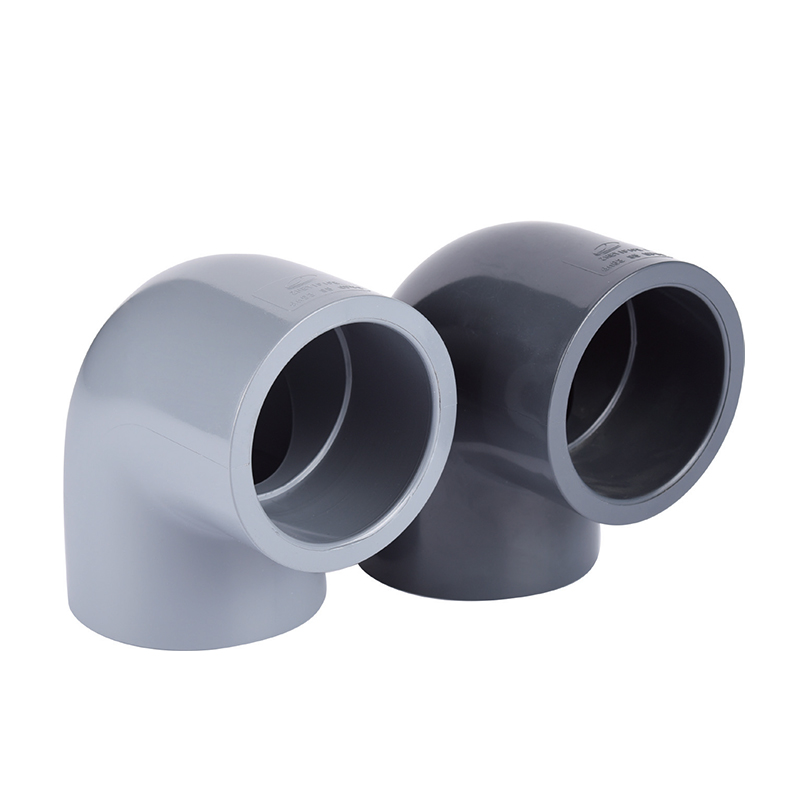 Custom SCH8O/DIN UPVC/CPVC 90° Elbow For Food Industry/Automotive/Electronic SupZheyi Pipeline (Wuhan) Co., Ltd. Is China Custom SCH8O/DIN UPVC/CPVC 90° Elbow For Food Industry/Automotive/Electronic Suppliers, Factory...View Product →
Quality Control and Testing: Where the Pressure Rating Is Proven
Quality control begins with dimensional checks. Socket diameter, socket depth, wall thickness, and angular alignment are measured at multiple points. The dimensions must stay within the relevant ASTM tolerances. If a socket is too loose or too tight, the solvent-cement joint cannot work as intended.
Pressure testing is the step where the fitting demonstrates its rating. Samples from each production lot are filled with water and pressurized to a level above the rated working pressure. The test may be run at room temperature and at elevated temperature, depending on the intended service. A failing sample points to a process issue, not just a defective part.
- Dimensional inspection: socket depth, inner diameter, wall thickness, and alignment.
- Visual inspection: cracks, flash, voids, contamination, and surface defects.
- Hydrostatic pressure testing: each lot is sampled and tested above the rated pressure.
- Material verification: specific gravity and chlorine content confirm the correct CPVC compound.
- Lot traceability: production records link every batch to its raw material and process parameters.
The rated pressure of a CPVC component depends on wall thickness, material class, and service temperature. For a more detailed explanation, see our guide on how to calculate CPVC pipe pressure ratings.
Schedule 80 vs. Schedule 40: What the Process Difference Means
Buyers sometimes assume that Schedule 80 is simply “Schedule 40 with more material.” In practice, the heavier wall changes the manufacturing requirements. More material takes longer to melt, longer to cool, and more pressure to fill the mold completely. That is why the process differences matter as much as the final dimensions.
Schedule 80 CPVC fittings use a heavier wall and a longer molding cycle, which changes process economics and performance.
| Characteristic |
Schedule 40 |
Schedule 80 |
| Wall thickness relative to nominal size |
Lighter |
Heavier |
| Maximum working pressure at a given temperature |
Lower |
Higher |
| Cooling time required during molding |
Shorter |
Longer |
| Material per fitting |
Less |
More |
| Typical industrial use |
Low-pressure water and drainage |
Chemical processing and industrial piping |
The table shows why process control is more demanding for Schedule 80. The thicker wall provides higher strength, but it also increases the risk of internal voids if the cooling cycle is shortened. A responsible manufacturer uses a longer cycle and tighter inspection for these parts. For more detail on pressure behavior, see our comparison of Schedule 40 vs. Schedule 80 CPVC pressure ratings.
What to Look for in a CPVC Fittings Manufacturer
Engineering buyers can learn a lot by asking about the process. Does the supplier dry the compound before molding? Are barrel temperatures monitored? Are mold cycles set from real data rather than instinct? What do the pressure-test records show? The answers reveal whether the factory can produce consistent parts under normal production pressure.
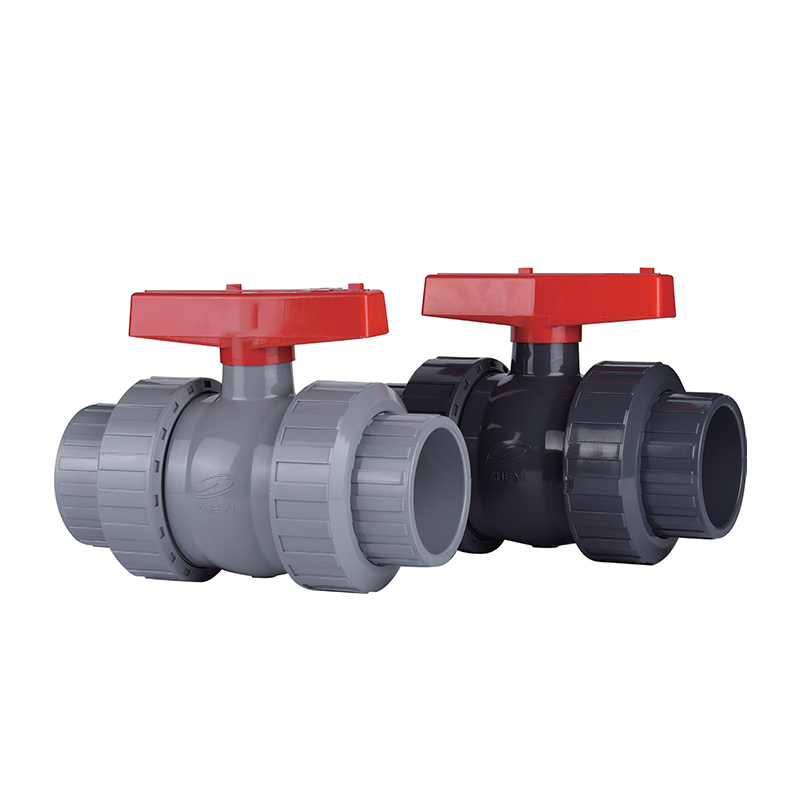
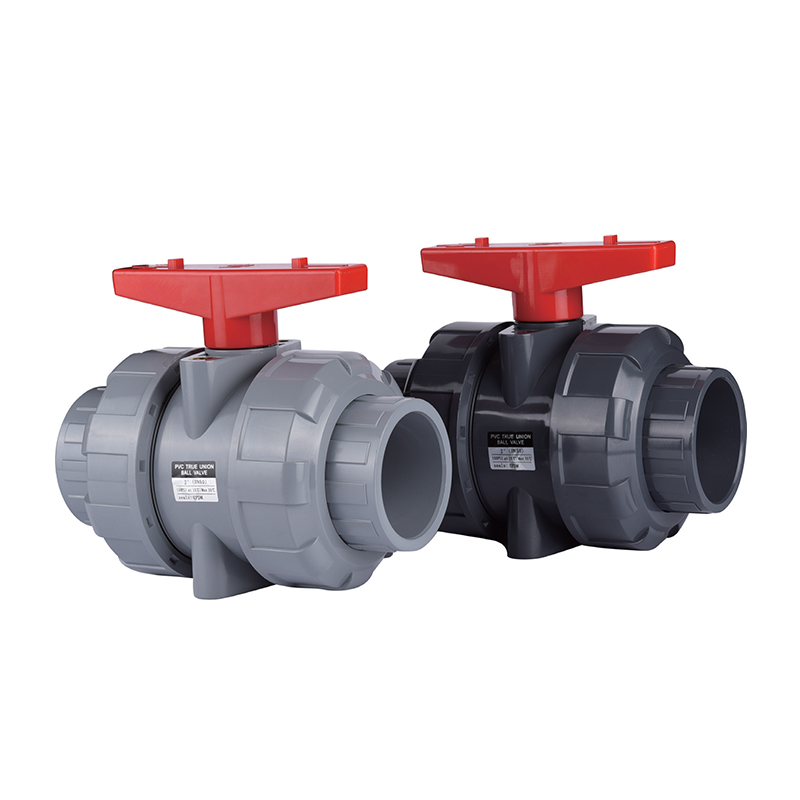
Vertical integration is another advantage. A manufacturer that makes both pipes and fittings controls the dimensional relationship and material behavior across the whole system. At ZHEYI, the production line covers CPVC pressure pipes, a wide range of molded fittings and valves, and close-tolerance accessories. During production, we verify the raw material, keep molding parameters stable, and pressure-test finished products before they leave the plant. That range includes CPVC tees, elbows, unions, flanges, and other core components used in industrial piping systems.
One useful way to judge a supplier is to ask how the installation behavior is handled as well. Even the best fitting must be installed correctly; for example, following the proper solvent cement cure time prevents joint failure after the system is pressurized.
Conclusion
The Schedule 80 CPVC fittings you specify or install are the output of a complex manufacturing process. The raw material must be dried, the melt temperature controlled, the mold cycle long enough, and the finished parts pressure-tested. Each step determines whether the fitting can meet its rated pressure in service.
When evaluating a supplier, do not stop at the price list. Ask how the parts are made. The manufacturing process is not a background detail; it is the specification.
 +86-15258772971
 dinys009@163.com
 English
 한국어
한국어 Español
 عربى
عربى