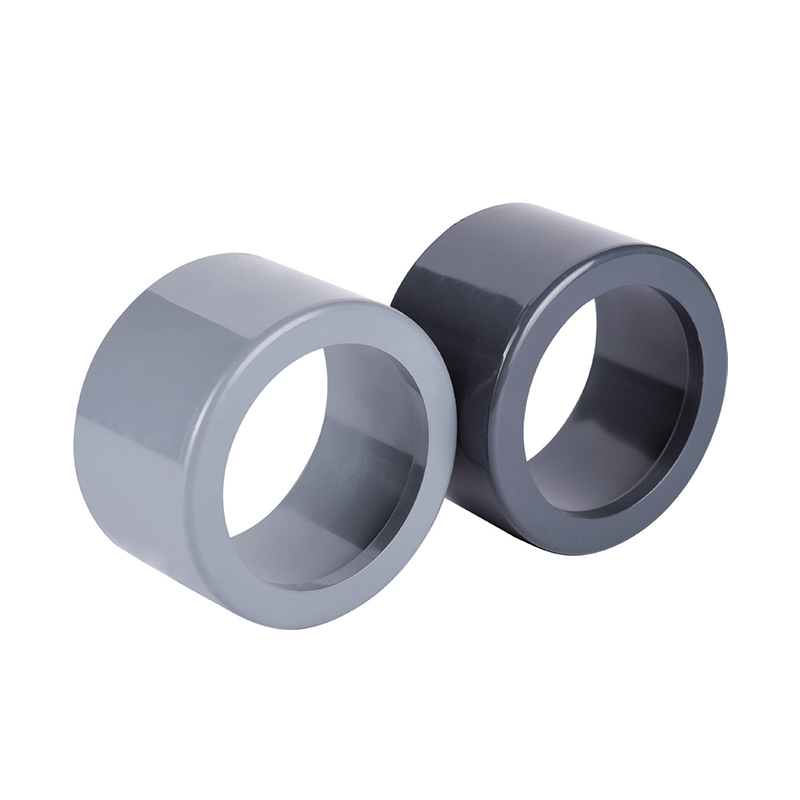
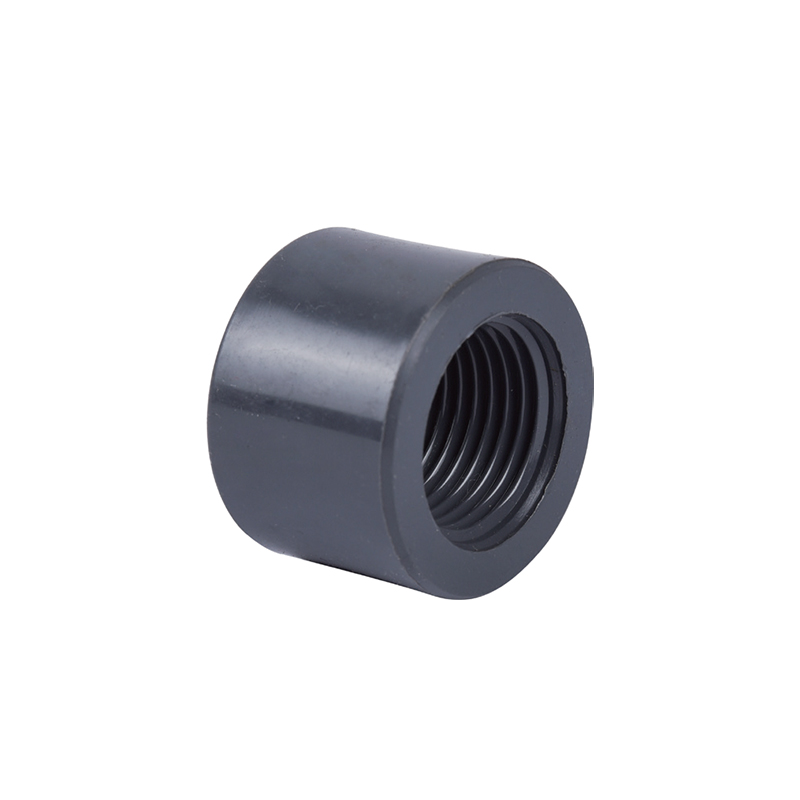
Future trends in CPVC piping systems are not only about the pipe itself. They are about system-level specification: better high-temperature compound data, automation-ready valves, tighter global standards, and closer integration with water treatment packages.
93 CSustained service temperature for correctly derated CPVC piping
2Vertically integrated manufacturing centers operated by ZHEYI Group
ISO 9001Quality management framework described by ZHEYI manufacturing processes
Definition. CPVC is a chlorinated polyvinyl chloride compound with a higher chlorine content than PVC, typically in the 63 to 69 percent range. The added chlorine raises the heat distortion temperature and improves resistance to acids, bases, and chlorinated water.
Procurement teams and plant engineers evaluating future CPVC piping systems should look beyond nominal pressure ratings. They need to evaluate the full pressure-temperature curve, standard compatibility, valve mounting interfaces, and the manufacturer's ability to supply a complete thermoplastic piping family.
Manufacturers such as Zheyi Pipeline (Wuhan) Co., Ltd., operating as ZHEYI Group, are already adapting their CPVC/UPVC product families to this reality.
Three Forces Reshaping CPVC Piping Systems
Three forces are pushing CPVC piping systems into their next phase: higher thermal demand, global standard alignment, and automation-ready valve packages.
Higher process temperatures. Chemical, lithium, metallurgy, photovoltaic, and semiconductor plants are asking for corrosion-resistant piping in services that used to be considered too hot for thermoplastics.
Global specification alignment. Buyers now compare DIN, ANSI, and ISO configurations side by side because projects cross national borders. Flanged valves, gaskets, pipe dimensions, and mounting interfaces must work together.
Automation and data. Once a corrosion-resistant system is installed, operators want to run it remotely. That makes valve actuation, mounting standards, and position feedback part of the piping specification.
Future-fit definition. A future-ready CPVC piping system is a certified piping architecture in which every component carries documented pressure-temperature performance, standard-compliant dimensions, and an interface for flow control or monitoring.
Advanced CPVC Compounds and the Pressure-Temperature Envelope
The most important material trend in future CPVC piping systems is a wider, fully documented pressure-temperature envelope.
New CPVC formulations improve long-term hydrostatic strength at sustained temperatures near the 93 C limit. In practice, this means a CPVC pressure pipe rated at 23 C must be derated as the service temperature climbs, and a future-ready supplier should publish that curve for every size and schedule.
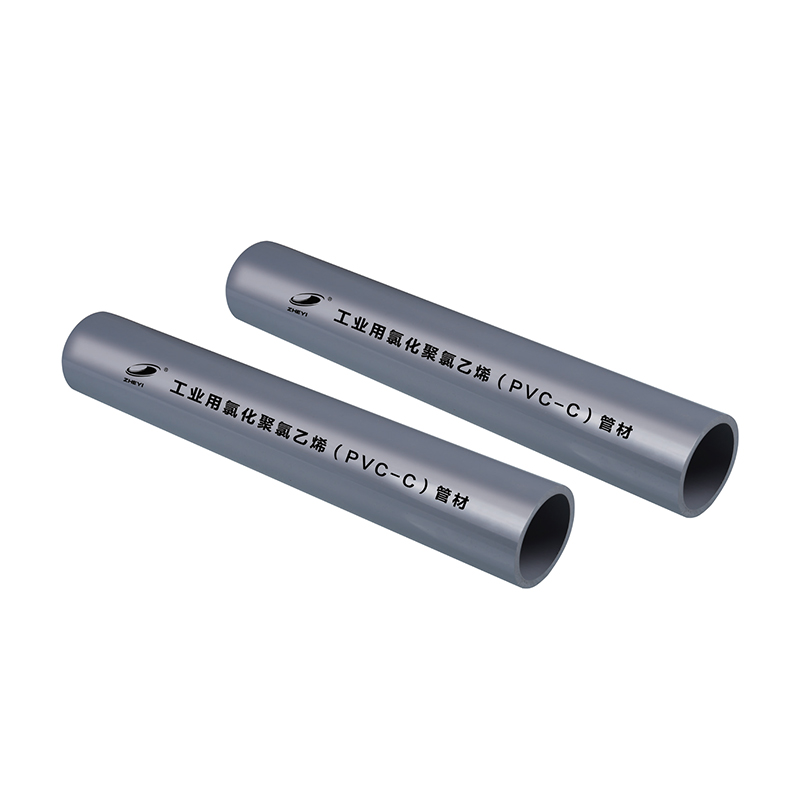
ZHEYI Group produces a CPVC pressure pipe series designed for industrial corrosive service, and the line can be specified with DIN or ANSI dimensions.
Service life in CPVC systems is controlled by temperature, pressure, chemical concentration, and cyclic loading. A line that operates above the published curve can fail by slow crack growth even when short-term burst strength looks safe. Future CPVC specifications will treat the full curve as a contract document.
Standards are converging on system compatibility
ASTM F441, ISO 15493, DIN pipe dimensions, and ANSI flange standards now appear in the same industrial specification. Buyers should verify that the valve flange pattern, gasket ring, bolt spacing, and pipe dimensions come from the same standard family.
Reference standards used in future CPVC piping system specifications.
Standard
Scope
Buyer checklist
ASTM F441
CPVC pipe and fittings
Verify pressure basis and Schedule 40/80 dimensions
ISO 15493
Industrial plastics piping systems
Confirm temperature derating method
DIN pipe dimensions
Thermoplastic pipe dimensions
Check wall thickness and pressure class
ANSI/ASME B16.5
Flanged connections
Match flange class to valve and piping interface
Data point. CPVC piping systems can provide continuous corrosion-resistant service at approximately 93 C, but only when the allowable working pressure is derated according to the applicable standard. Above that, engineers should evaluate PPH, PVDF, or FRP alternatives.
Actuated Valves and Digital Flow Control Are Becoming Standard
Automated flow control is moving from an optional upgrade to a standard requirement in CPVC piping systems.
Pneumatic and electric actuators allow process lines to be closed, throttled, and sequenced without putting operators near aggressive media. This is especially valuable in lithium chemical handling, semiconductor wet benches, and high-purity water loops.
Manual valve selection
Lower first cost
Operator required for every cycle
Acceptable for low-cycle isolation
Simpler installation
Actuated valve selection
Automated process response
Remote and emergency operation
Better for high-cycle and hazardous media
Higher initial investment
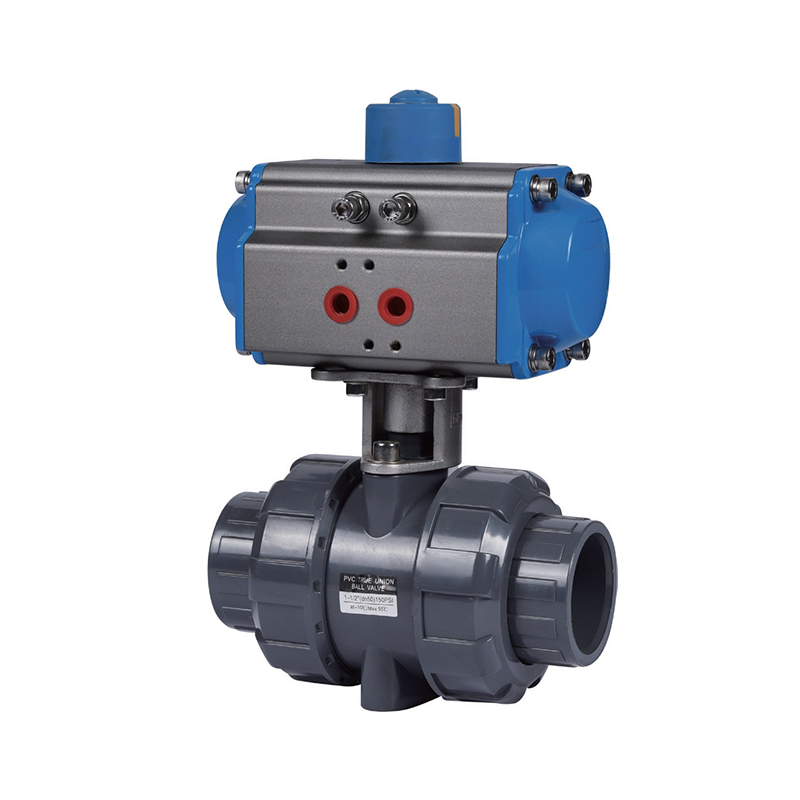
For clean automated isolation in a CPVC line, the range includes pneumatically actuated CPVC ball valves with a direct pneumatic interface and corrosion-resistant body. Plant air pressure and failure position should be confirmed before selection.
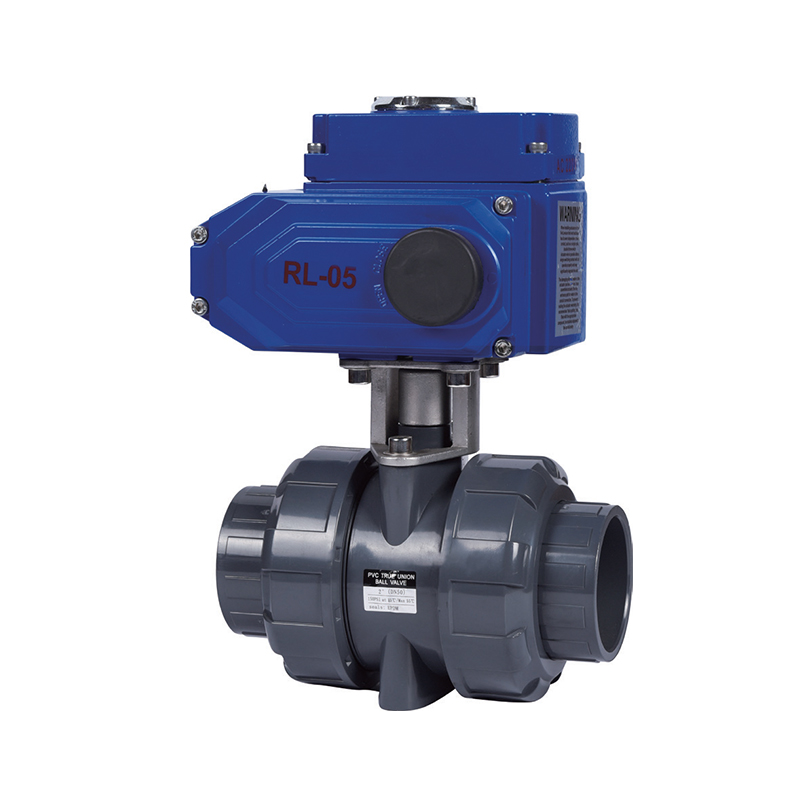
Future CPVC systems will include position feedback, open and close torque data, and electric actuators that connect to a PLC or SCADA system. The electric-driven CPVC valve range from ZHEYI is designed for that type of integration.
Automation rule. Confirm ISO 5211 actuator mounting, published torque values, and cycle life before specifying an actuated thermoplastic valve. The piping system is only as future-ready as its control interface.
Water Treatment Integration and Modular CPVC Systems
Water treatment is becoming one of the fastest-growing specification areas for CPVC piping systems.
CPVC resists sodium hypochlorite, caustic cleaning solutions, ferric coagulants, and the chlorinated water found in ultrafiltration and membrane bioreactor plants. Its smooth bore supports clean-in-place procedures and helps protect downstream process quality.
At a component level, pipes, fittings, valves, and membrane accessories are increasingly specified as one compatible family. This reduces interface failure and simplifies documentation for project approval.
System view. In a modern membrane train, the future CPVC piping system is a single corrosion-resistant loop from chemical dosing feed line to filtrate collection, with thermoplastic valves controlling each stage.
The company demonstrated this pipeline and membrane-system integration at the Shanghai Water Tech 2026 exhibition, where industrial piping and process water components were presented as one purchasing route.
Circular Manufacturing and Sustainability in CPVC Production
Sustainable CPVC procurement depends on manufacturing efficiency, material traceability, and longer installed service life.
The future trend is not a single recycling claim; it is a documented production system. Raw-material consistency, lower scrap rates, energy-efficient extrusion, and reuse of process trim reduce the environmental footprint of CPVC fittings and valves. Because CPVC systems can last for decades when properly rated, the life-cycle cost advantage grows.
Conventional CPVC procurement
Nominal pipe size and short-term rating
Valves sourced separately
Material certificate treated as optional
Manual operation assumed
Future-ready CPVC procurement
Full pressure-temperature curve
DIN/ANSI/ISO dimension compatibility
Batch traceability from compound to part
Actuator interface and torque data
Material flexibility. ZHEYI's material portfolio covers CPVC/UPVC, PPH/PVDF, and FRP composites, allowing engineers to move up in temperature capability without leaving the same supplier's quality system.
How to Audit a Future-Ready CPVC Supplier
A future-ready CPVC supplier can be audited with the same rigor as a pressure vessel fabricator.
Request a pressure-temperature derating table for every CPVC pipe size, schedule, and standard.
Confirm whether valve flanges and pipe dimensions follow DIN, ANSI, or ISO specifications.
Ask for lot-level material certification and process inspection records.
Evaluate actuator mounting dimensions, torque values, and valve cycle life.
Check whether the manufacturer can supply CPVC/UPVC pipes and fittings, valves, ultrafiltration components, and MBR accessories from one controlled catalog.
Zheyi Pipeline (Wuhan) Co., Ltd., operating as ZHEYI Group, describes itself as a custom wholesale manufacturer with vertically integrated manufacturing centers in East and Central China. For industrial buyers, the benefit is a single quality path from compound to finished component. The complete industrial piping product family is organized around that principle.
Supplier reality. Future CPVC projects are won by suppliers that publish data, honor standards, and deliver the complete system rather than a loose collection of components.
Frequently Asked Questions About CPVC Piping Trends
The following quick answers cover the most common technical and procurement questions in current CPVC piping discussions.
Short answer. Future CPVC specification decisions should be based on documented derating curves, standard-compliant dimensions, and actuator-ready components rather than short-term material price.
Is CPVC still viable for high-temperature chemical service?
Yes. CPVC can serve in corrosive process lines at sustained temperatures around 93 C when pressure is derated and chemical compatibility is verified. For higher temperatures, PPH, PVDF, or FRP systems are usually the next step.
What does a future-ready CPVC specification include?
It includes the full pressure-temperature curve, the standard basis for pipe and flanges, valve actuator data, material traceability, and an integrated component family.
Will manual CPVC valves disappear?
No, but manual valves will be limited to low-cycle and low-hazard isolation. High-cycle, remote, or hazardous lines will increasingly specify pneumatic or electric actuation with position feedback.
How does ZHEYI Group support future CPVC projects?
ZHEYI Group supplies CPVC/UPVC pressure pipes, fittings, valves, and water treatment components under DIN/ANSI-related specifications and supports custom batch requirements from a manufacturing base that has operated since 2007.
 +86-15258772971
 dinys009@163.com
 English
 한국어
한국어 Español
 عربى
عربى