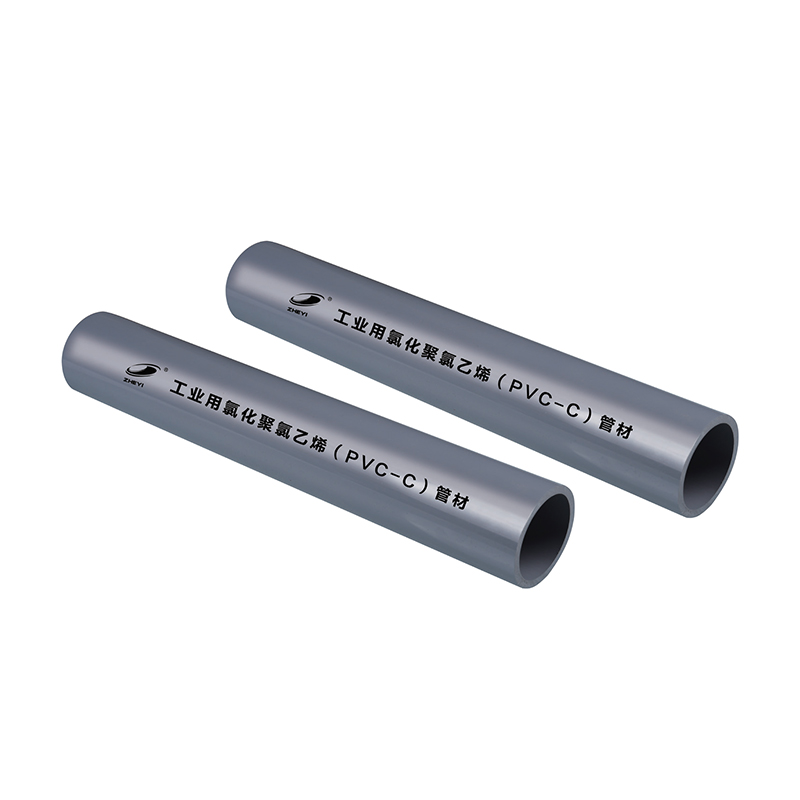
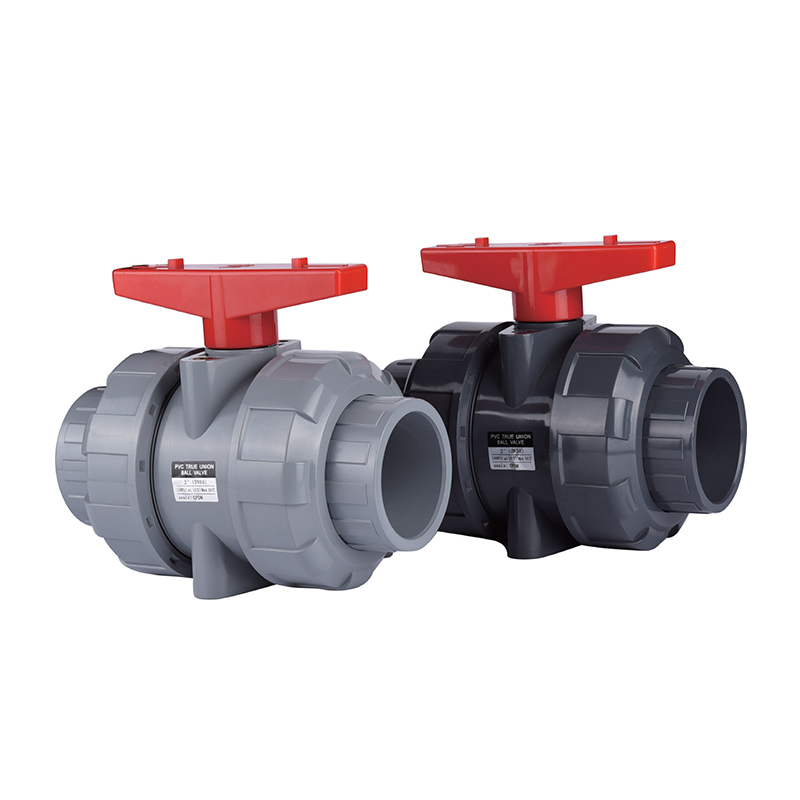
In a truck-assembly plant in central China, the zinc phosphate immersion bath circulates at 58 degrees C with a pH of 2.8, around the clock. The CPVC header installed in 2017 survived nine years without a single chemical leak. The carbon steel flanges it replaced had failed twice in the previous three years. That contrast defines where CPVC pipe belongs in automotive manufacturing: every line that carries hot, acidic, chloride-laden water that steel cannot resist economically.
CPVC, or chlorinated polyvinyl chloride, is PVC that has been further chlorinated to raise its chlorine content from roughly 56.7 percent to between 63 and 72 percent by weight. The extra chlorine raises the heat distortion temperature to about 93 degrees C while keeping the polymer's inherent resistance to acids, bases, and salt solutions.
93 degrees C maximum continuous service temperature for CPVC pressure pipe. Carbon steel in a hot chloride bath rarely lasts 24 months without pinhole attack.
Where CPVC Pipe Earns Its Keep in an Automotive Plant
Automotive factories move far more electrolyte and rinse water than coolant. CPVC appears wherever the fluid is acidic, hot, or loaded with dissolved salts. Five zones cover most of the piping spend.
Pretreatment and phosphating lines, including zinc and iron phosphate immersion tanks
E-coat support lines and deionized water recirculation loops
Waterborne paint resin feed and additive circulation lines
Wastewater collection, neutralization, and ultrafiltration feed lines
Plating and anodizing lines handling chromic acid and nickel solutions
Common automotive manufacturing zones where CPVC pipe is used, with typical service conditions
Automotive zone
Fluid and temperature range
Why CPVC is specified
Pretreatment and phosphating
Zinc phosphate bath, 55-60 degrees C, pH below 3
Resists hot phosphoric acid and chloride attack
E-coat and rinse circuits
Deionized water, 25-45 degrees C
Leaches no metal ions into high-purity water
Waterborne paint chemical feed
Resin and additive lines, 25-40 degrees C
Inert to mild alkaline rinses and paint additives
Wastewater and UF feed
Acidic rinse water, 30-60 degrees C
Long life in low-pH, chloride-rich streams
Plating and anodizing
Chrome and nickel salt solutions, 40-60 degrees C
Withstands oxidizing chromic acid without coating loss
Every one of these zones shares one condition: a metal pipe would require either an expensive alloy or a scheduled replacement campaign. CPVC removes that maintenance loop at the material level.
The practical decision in automotive piping is rarely CPVC versus metal alone. Most plants first ask why standard UPVC is not enough, then why carbon steel keeps failing.
Carbon steel's breaking point
Heavy supports, welding labor, and hot-work permits slow shutdown work
Chloride pitting under insulation and inside stagnant branches
Internal scaling narrows the flow area within two or three years
Why CPVC removes the failure mode
No galvanic corrosion, external coating, or cathodic protection required
Smooth bore keeps flow coefficient and pressure drop stable
About one-sixth the weight of steel, reducing support and labor costs
Direct comparison of UPVC and CPVC for automotive chemical and water lines
Property
UPVC
CPVC
Maximum continuous service temperature
60 degrees C
93 degrees C
Pressure rating at 23 degrees C, 2-inch Schedule 80
Same dimension, lower temperature ceiling
Approx. 400 psi, derated as temperature rises
Behavior in hot phosphating baths
Softens and creeps at 55-60 degrees C
Stable long term at 55-60 degrees C
Relative cost of installed system
Lowest
Moderate, still below lined steel
56.7 to 63-72 percent chlorine by weight: the narrow formulation shift that moves the usable ceiling from 60 degrees C to 93 degrees C.
The Five Selection Factors That Determine Service Life
Selecting CPVC for automotive duty means checking five parameters before issuing a purchase order. Ignore any one of them and the line will fail sooner than the steel it replaced.
Temperature and pressure must be derated together
A CPVC line rated at 400 psi and 23 degrees C does not carry 400 psi at 82 degrees C. The hydrostatic design basis drops with temperature, and the rating must be recalculated for the hottest operating case, not the average. A complete procedure is covered in our pressure-temperature selection guide.
Chemical compatibility must be verified against the actual bath
pH alone is not enough. A phosphating bath contains chlorides, fluorides, and wetting agents that change attack rates. Solvent-borne paint, aromatic hydrocarbons, and ketones are not compatible with CPVC and must be excluded from the line.
The standard system must be chosen before the order
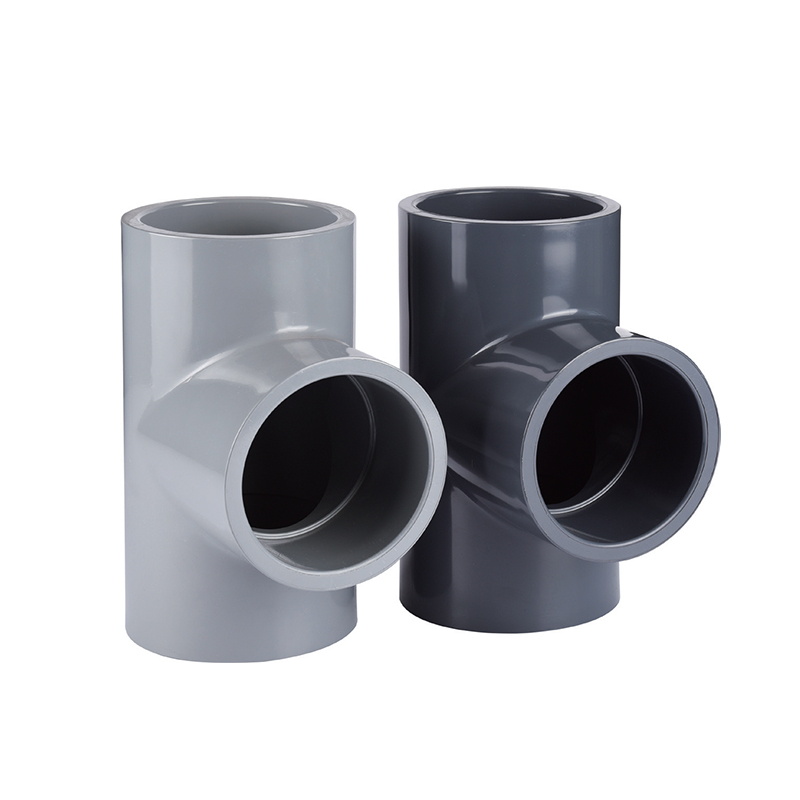
DIN and ANSI systems differ in face-to-face dimensions, flange drilling, and pressure classes. The piping, fittings, and valves must come from the same standard, and the plant's existing tie-ins must be surveyed first. This avoids the costly adapters and rework seen when the two standards are mixed.
Valves and fittings set the real pressure limit
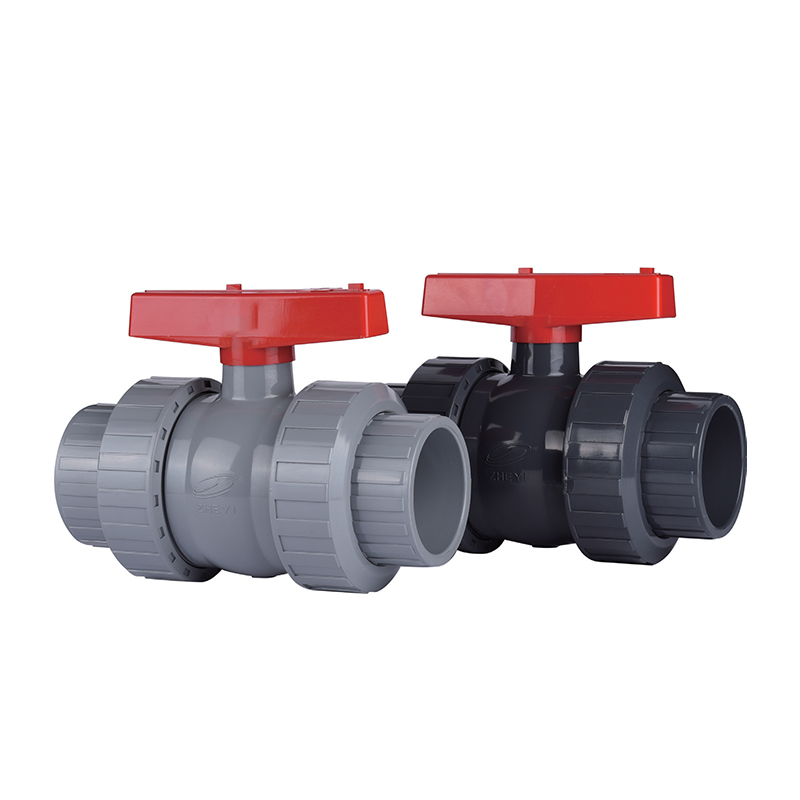
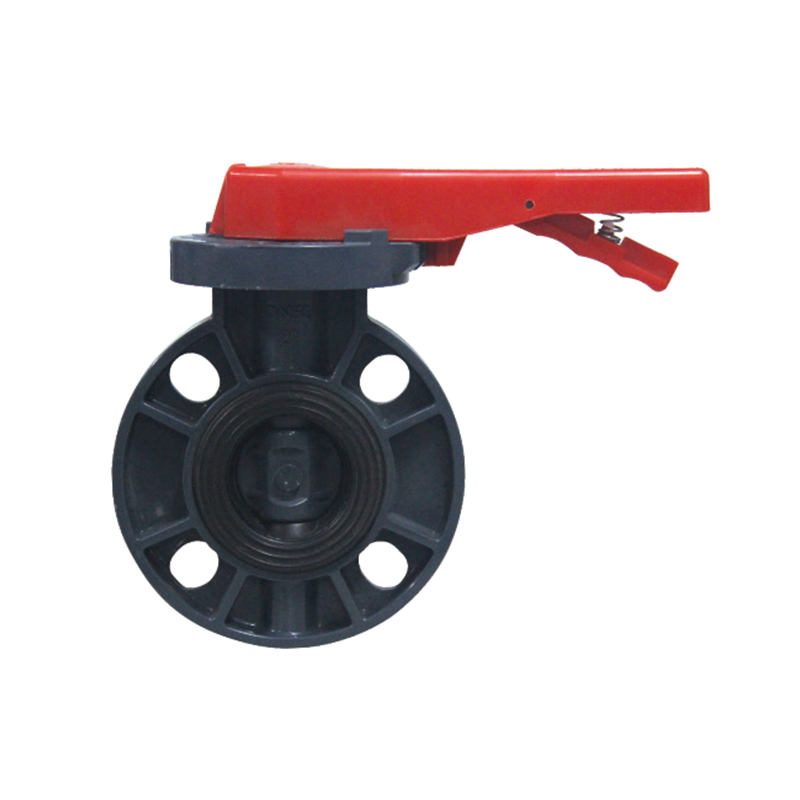
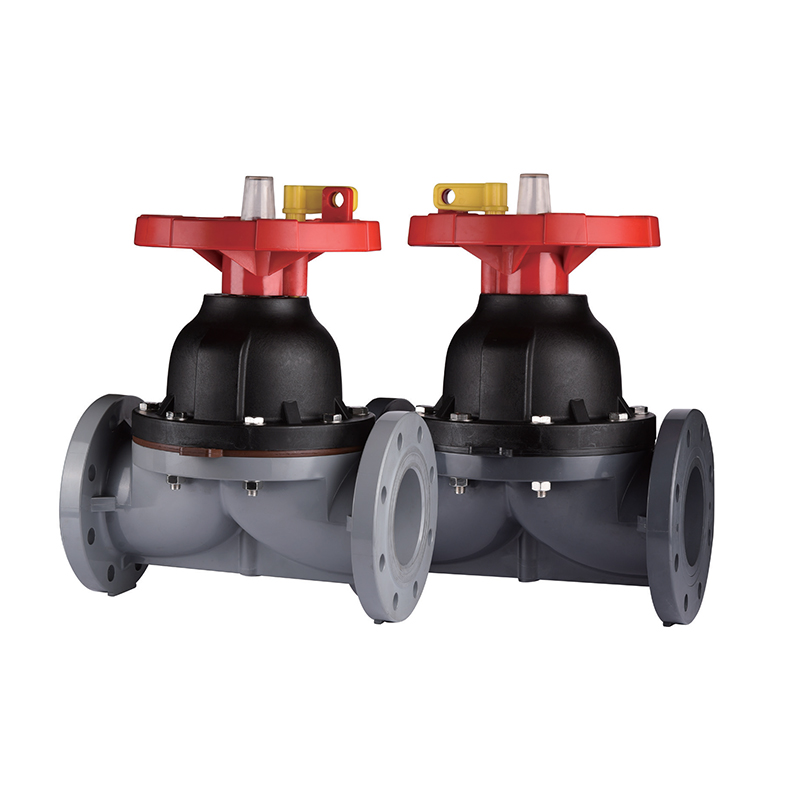
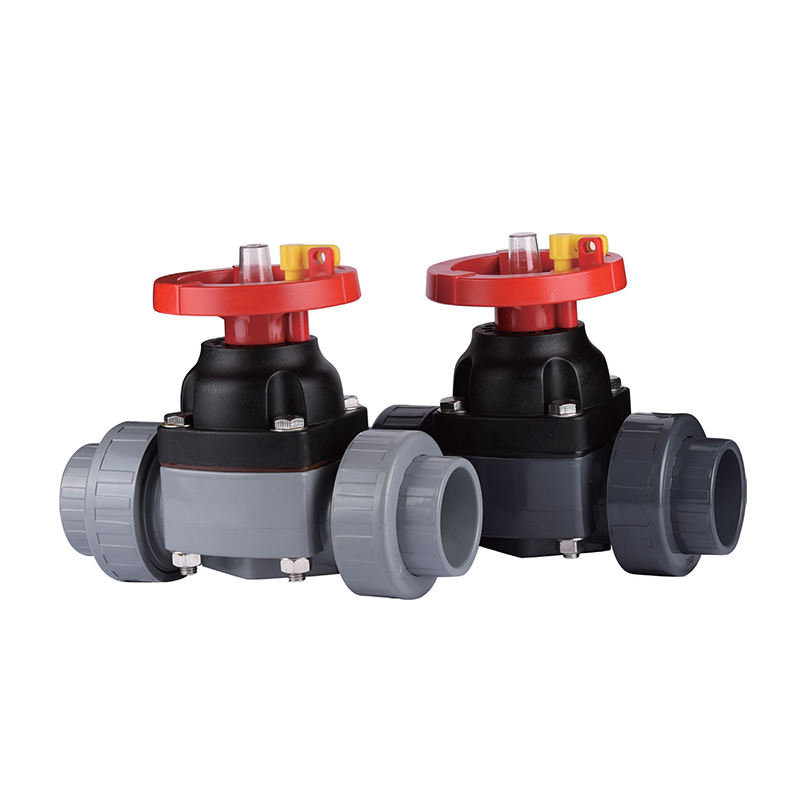
A pipe can be rated for 400 psi while a molded valve body in the same line is rated lower. Ball valves, diaphragm valves, and check valves each have separate pressure-temperature curves. The weakest component, not the pipe, sets the maximum allowable working pressure.
Mechanical support and expansion work are part of the pressure design
CPVC expands more than steel, so long straight runs need expansion loops and properly spaced guides. A restrained line can buckle at a flange joint even when the static pressure is within rating.
Values are for guidance only; always use the specific grade data sheet supplied with the pipe.
Design and Installation Rules That Prevent Field Failures
Most CPVC failures in automotive plants are installation faults, not material faults. Five rules prevent nearly all of them.
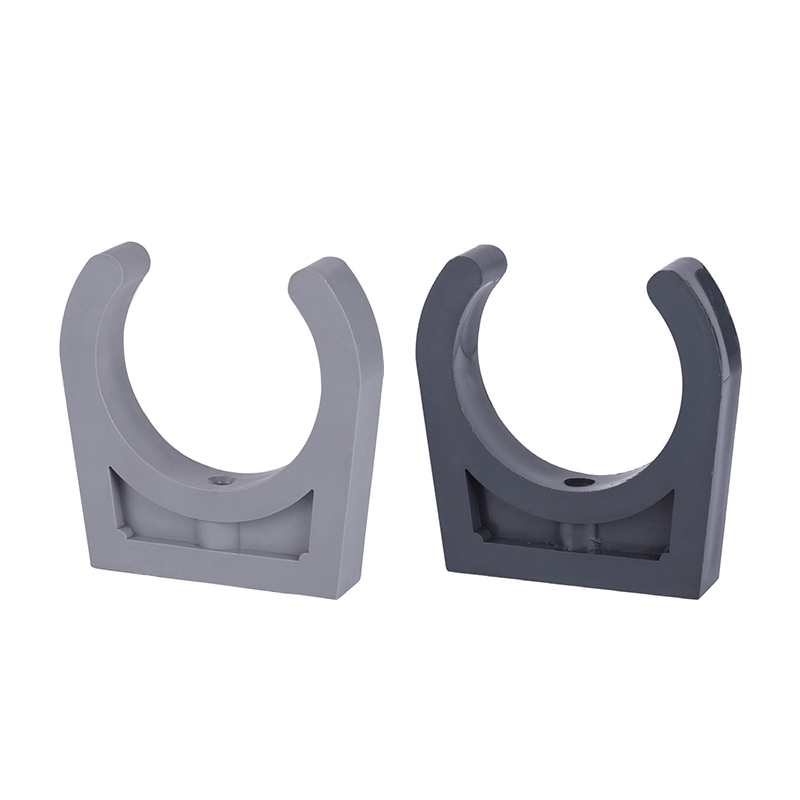
Support CPVC on plastic or painted metal clamps and keep spacing one-third closer than steel of the same nominal size.
Install expansion loops at every straight run longer than 15 meters, and anchor at pumps and equipment nozzles.
Use solvent cement within its stated shelf life, apply primer first, and allow the rated cure time before pressure testing.
Flange joints are the preferred break point for maintenance; use flat gaskets and torque bolts in a crossing sequence to avoid overcompression.
Pressure test with water, never air, and only after the solvent joints have fully cured.
Field observation from a Chinese EV battery plant: a 90-meter CPVC line carrying 60 degrees C rinse water failed at a support point 14 months after installation because the clamped hanger allowed lateral movement. Replacing the hanger with a guide solved the leak without cutting a single joint. Support design is pressure design.
How to Validate a CPVC Supplier for Automotive Duty
Automotive plants buy piping by the kilometer, and a single bad batch stops a paint line for days. Supplier validation should cover four concrete checks.
Confirm the material cell class against ASTM D1784 or the DIN equivalent, and request the batch certificate for each delivery.
Verify pressure ratings with the derating chart published for the exact pipe grade, not a generic catalog value.
Request a dimensional audit of flanges and sockets against DIN 8063 or ANSI B16.5 before mass production of the fittings.
Require a written warranty on resistance to the specific bath chemistry, and run a 30-day immersion sample test before ordering full quantities.
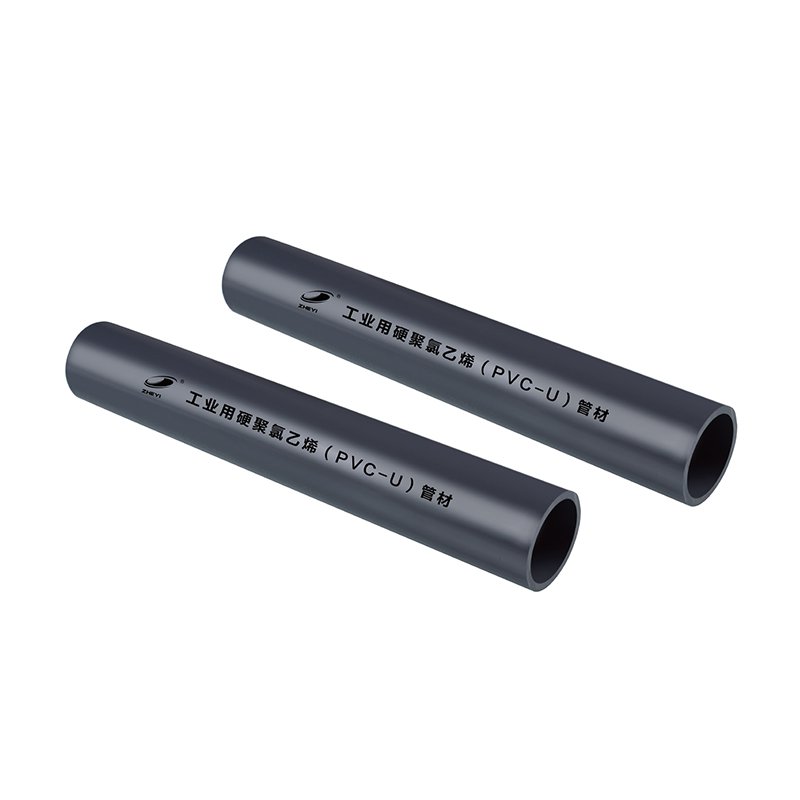
ZHEYI Group, operating as Zheyi Pipeline (Wuhan) Co., Ltd., is a custom wholesale manufacturer of CPVC and UPVC piping systems with two vertically integrated production bases in East and Central China. Its CPVC pressure pipes, valves, and fittings are offered to DIN and ANSI dimensional standards, which makes it a practical source when one factory must be responsible for the full compatible line.
Rule applied by experienced process engineers in the sector: if the supplier cannot provide a pressure-temperature curve for the exact wall thickness and grade, the quotation is incomplete.
Frequently Asked Questions
What temperature can CPVC pipe handle in automotive chemical lines?
CPVC pressure pipe is rated for continuous service up to 93 degrees C at low pressure. At higher temperatures, the allowable pressure drops significantly, so the selection must always couple the maximum fluid temperature with the required working pressure.
Is CPVC suitable for paint shop chemical feed lines?
Yes, for waterborne paints, resin emulsions, rinses, and alkaline cleaners. Solvent-borne paints containing aromatics or ketones must not be routed through CPVC; verify the full solvent list before specifying the line.
How is CPVC different from UPVC in automotive service?
UPVC is limited to about 60 degrees C continuous service, which is too low for hot phosphating and high-temperature rinse circuits. CPVC adds roughly 33 degrees C of headroom through additional chlorination while retaining chemical resistance similar to UPVC.
Can CPVC handle automotive wastewater containing oil and chlorides?
Chloride-rich acidic wastewater is a core CPVC application and causes no corrosion. Free oils can affect some elastomer seals and gaskets, so oils should be skimmed before the line or the gasket material changed to a compatible elastomer.
 +86-15258772971
 dinys009@163.com
 English
 한국어
 Español
 عربى