A fruit-concentrate plant that replaced 316L stainless steel with chlorinated polyvinyl chloride (CPVC) pressure piping cut installed line cost by roughly 40 percent, but the change only worked because the process engineer checked three numbers first: the 93°C continuous service limit, the chemical compatibility with 1.5 percent hot caustic, and the derated working pressure at cleaning temperature. Food process piping is unforgiving. Lines carry acidic juices, edible oils, brine, and CIP detergents, and they are cleaned daily at high temperature. An unscheduled leak stops production and triggers a full line sanitation event.
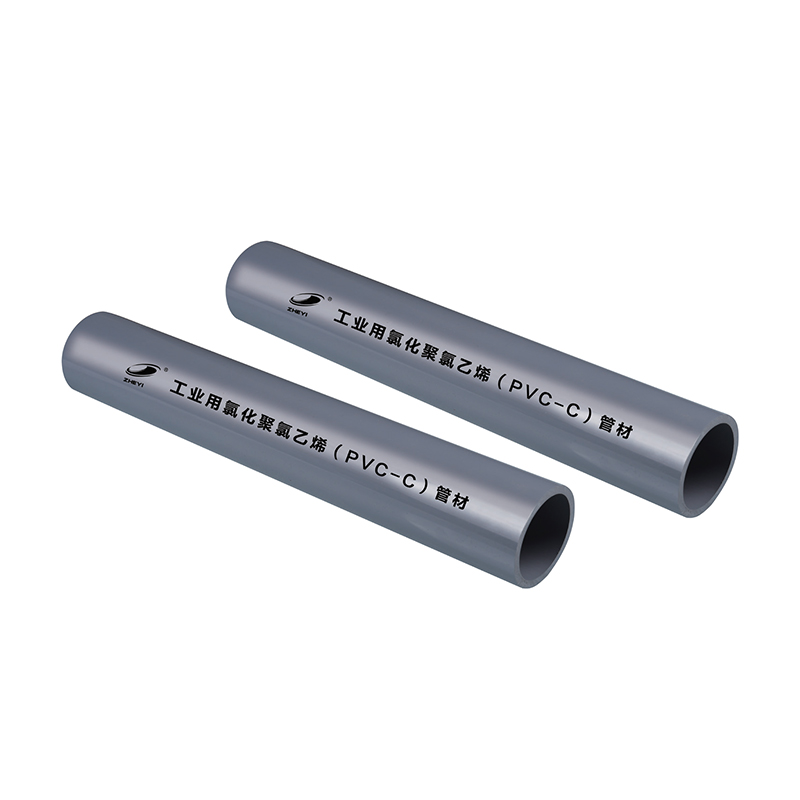
CPVC, or chlorinated polyvinyl chloride, is a thermoplastic produced by chlorinating PVC resin. The added chlorine raises the material's continuous operating ceiling to about 93°C and improves resistance to acids, bases, and chlorinated water, which makes CPVC a practical non-metallic option for food plant process lines.
Why CPVC Is a Reliable Default for Food Process Piping
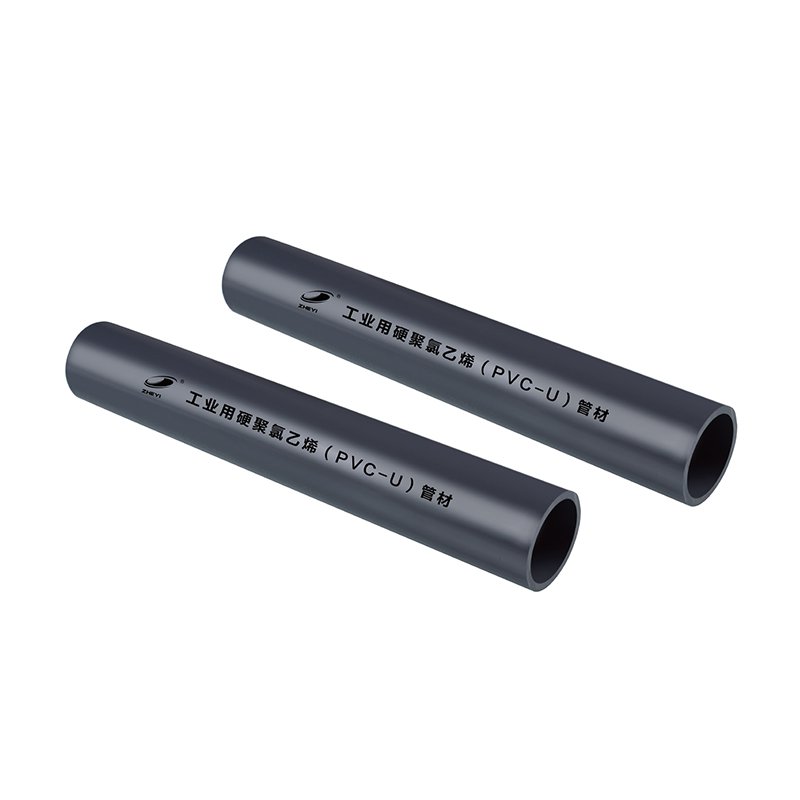
CPVC earns its place in a food plant because it resists the three conditions that damage other materials: temperature above 60°C, acid and caustic cleaners, and chloride attack. Stainless steel grades such as 304 and 316L are common, but chlorides from brine and bleach can cause pitting and stress-corrosion cracking. UPVC softens and loses pressure capacity above 60°C. Carbon steel rusts in wet cleaning environments.
Temperature headroom. Pressure-rated CPVC pipe is accepted for continuous service up to 93°C, which covers most hot CIP cycles.
Cleaner compatibility. Dilute caustic, nitric acid, phosphoric acid, and peracetic acid at CIP concentrations sit inside the material's resistance envelope.
Hygienic hydraulics. The smooth bore keeps friction loss low and reduces the surface area where biofilm can establish.
Predictable expansion. CPVC expands roughly three times as much as steel, so a designer can plan loops and offsets instead of chasing failures.
93°C
maximum continuous operating temperature
40%
of the 23°C pressure rating retained at 82°C
50+ yr
projected service life in chemically compatible media
Designers usually specify Schedule 80 CPVC when pressure capability and impact strength matter, and Schedule 40 when cost dominates and pressures are low. The dimension standard also matters because flanged connections must match tank nozzles and equipment openings.
For process lines that run between 60°C and 93°C with daily caustic or acid cleaning, CPVC is the only low-cost non-metallic pressure piping that still qualifies.
Verify Chemical Compatibility with CIP Agents Before Sizing
Chemical compatibility must be verified at the exact temperature and concentration of the cleaning cycle, because a generic resistant rating hides real operating limits. The media that matter most in a food plant are caustic soda, nitric acid, phosphoric acid, peracetic acid, and sodium hypochlorite.
Representative CPVC compatibility with common food-industry CIP media; confirm against the manufacturer's data for your specific compound.
Cleaning agent
Typical concentration
CPVC resistance
Practical temperature limit
Sodium hydroxide (caustic)
0.5 - 3%
Excellent
Up to 93°C in short CIP cycles
Nitric acid
0.5 - 2%
Good
Up to 60°C continuous
Phosphoric acid
0.5 - 2%
Good
Up to 82°C continuous
Peracetic acid
0.05 - 0.2%
Good, verify grade
Up to 60°C
Sodium hypochlorite
50 - 200 ppm free chlorine
Moderate
Up to 40°C
The values above are starting points, not a substitute for the manufacturer's chemical resistance chart. Solvent cement joints and elastomer seals must be assessed together with the pipe. For aggressive or proprietary cleaners, request a written compatibility statement from the supplier. Our CPVC chemical resistance ratings for industrial media cover acids, bases, and oxidizing agents beyond standard CIP chemistry.
A pipe that resists 50 percent caustic at 20°C can fail in 1 percent caustic at 90°C. Always cross-check temperature and concentration as a pair.
Process lines carrying fruit pulp, fiber, or suspended solids should include a strainer upstream of pumps and control valves to limit erosion and clogging of small ports.
Pressure and Temperature Are One Curve, Not Two Numbers
The pressure rating printed on a CPVC pipe is referenced to 23°C; as temperature rises, the allowable working pressure falls continuously, so a line sized from a room-temperature chart can fail during the first hot CIP cycle.
Representative pressure derating for Schedule 80 CPVC pipe; verify the ASTM F441 rating for the selected size and wall thickness.
Operating temperature
Retained pressure rating (percent of 23°C value)
23°C
100%
38°C
85%
60°C
65%
71°C
50%
82°C
40%
93°C
30%
The most common CPVC specification error is rating a 93°C line from a 23°C pressure chart. The derated working pressure is the number that keeps the plant running.
Material standards for CPVC pipe include ASTM F441 and F439, with solvent cement joining following ASTM D2846. These standards define the minimum wall thickness and the basis for pressure ratings, and they should be written into the project specification.
Design Joints and Fittings for Cleanability and Maintenance
Joint quality determines whether a CPVC food line leaks, traps product, or survives years of thermal cycling. Solvent cement joints are strong when made correctly, but they need full cure time, and the line must be arranged so every section can be drained, inspected, and disassembled.
Hygienic layout checklist
Slope every line to a low-point drain with no sags or liquid traps.
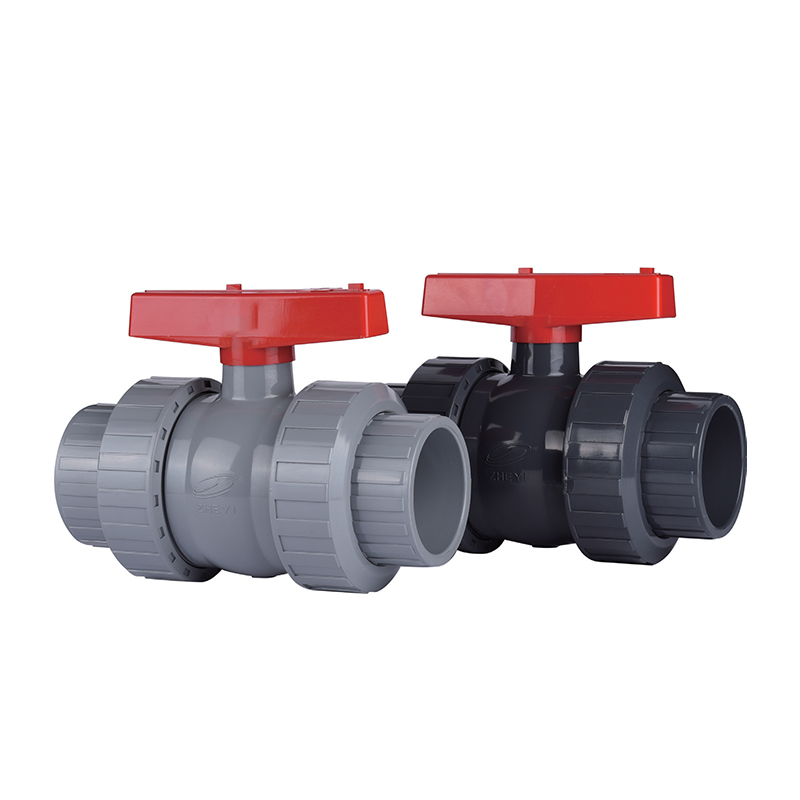
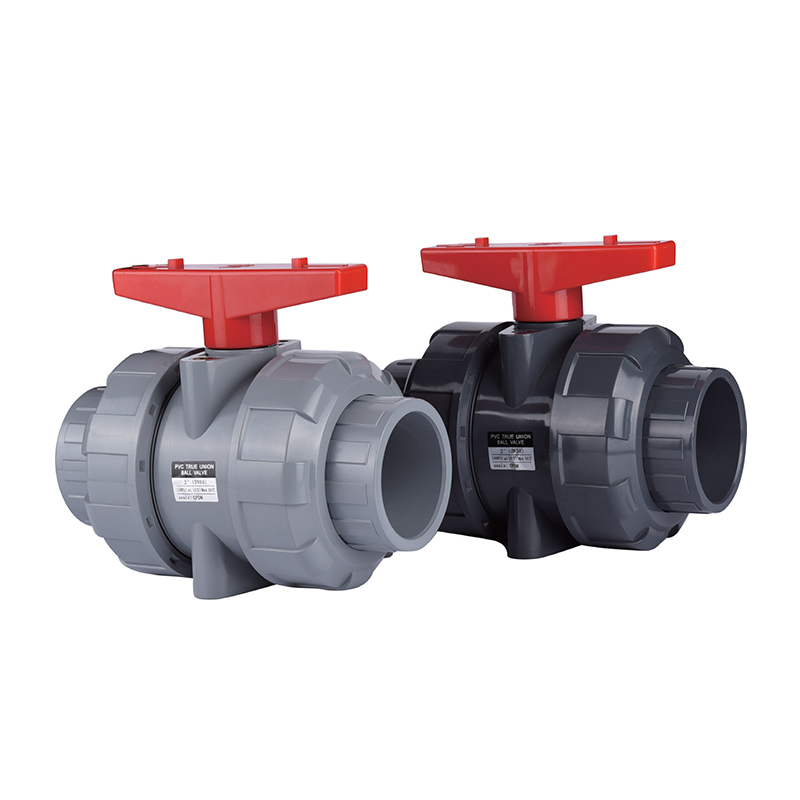
Use true-union valves and unions at equipment connections.
Allow full solvent-cement cure time before pressure testing.
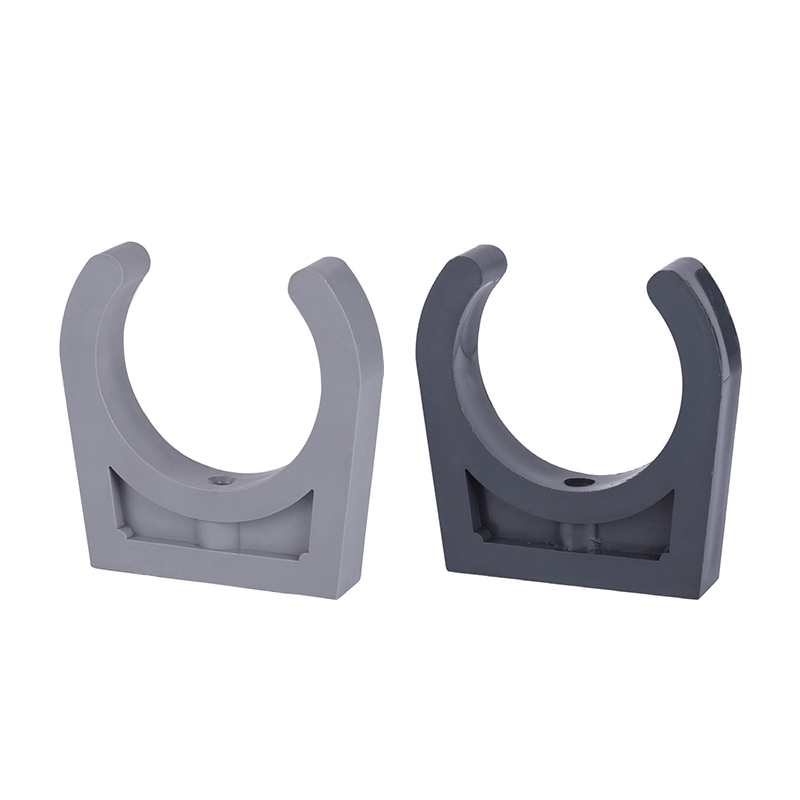
Support CPVC at the manufacturer's spacing to limit sag and stress.
Failure patterns to avoid
Dead legs that hold product and bacteria between CIP cycles.
Threaded CPVC joints that crack under thermal cycling.
Short cure time that causes joint creep and weeping leaks.
Wide support spacing that allows sagging and product pooling.
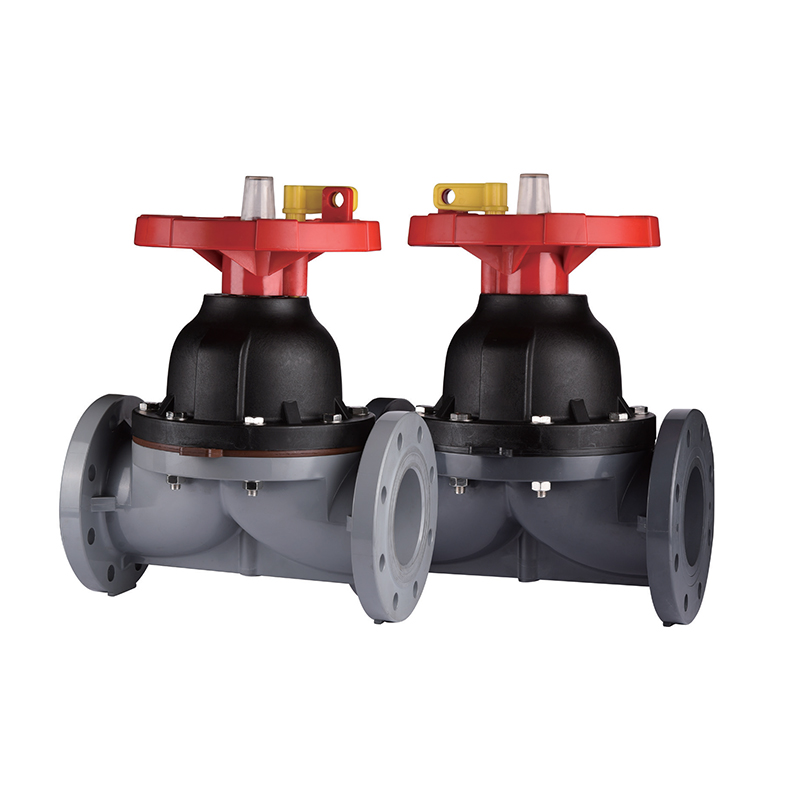
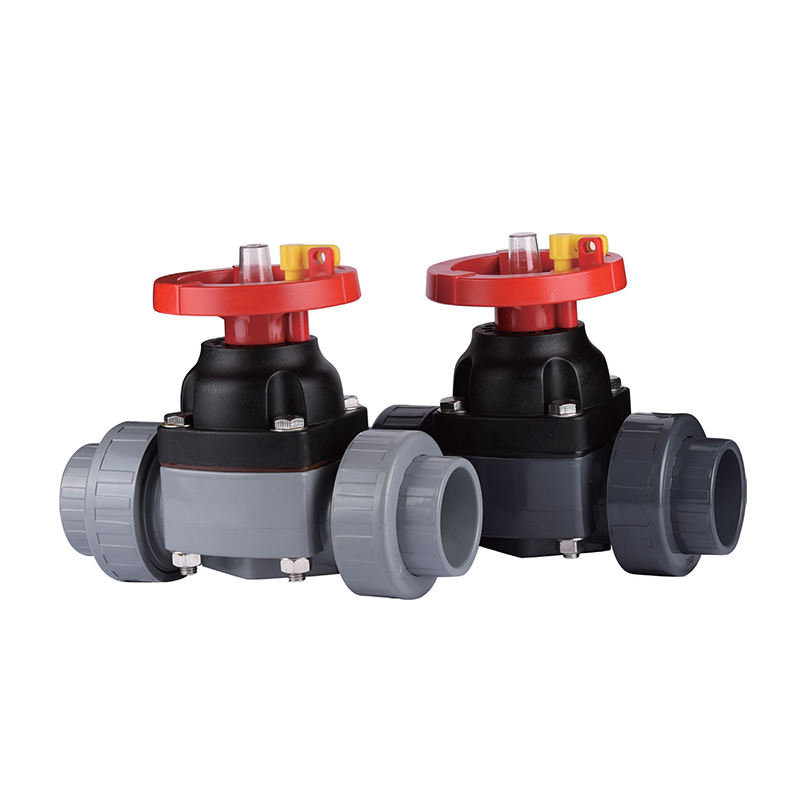
For flow control, a true-union ball valve is the most practical CPVC component in food service: it isolates a branch, and the union allows removal for cleaning without cutting solvent joints.
Thermal expansion tip: CPVC expands roughly three times more than steel. Provide expansion loops, offset pipe runs, or bellows-type expansion joints on straight lines longer than about 15 meters to avoid overstressing flanges and equipment nozzles.
Specify Standards, Verify the Supplier, and Compare Lifecycle Cost
A dependable CPVC food line depends on documented standards and manufacturing quality, not just raw material price. Specify pipe and fittings to ASTM F441 and F439, flanges to DIN or ANSI to match existing equipment, and require NSF/ANSI 61 certification when the line touches potable water.
ZHEYI Group, operating as Zheyi Pipeline (Wuhan) Co., Ltd., manufactures CPVC, UPVC, PPH, and PVDF piping through two vertically integrated manufacturing centers in eastern and central China, with DIN- and ANSI-compatible products. Using one supplier for pressure pipe, fittings, valves, and strainers simplifies documentation and traceability across the whole CPVC piping range.
Ask for four documents before qualifying a CPVC supplier: the material data sheet, the full temperature derating chart, the chemical resistance table, and batch traceability certificates.
Material data sheet with the exact CPVC compound formulation.
Pressure rating chart covering the full temperature range.
Chemical resistance table for the CIP agents and concentrations you use.
Batch traceability and inspection certificates for each delivery.
On lifecycle cost, CPVC usually beats stainless steel in corrosive food service: lower material price, lighter weight, faster solvent-cement installation, and low maintenance. The trade-offs are a lower temperature ceiling and higher thermal expansion, so the engineering review must treat those two limits as fixed constraints.
Frequently Asked Questions
If a CPVC specification question is not answered here, the failure is usually in the joint rather than the pipe: solvent-cement cure time and thermal expansion cause most field problems.
Can CPVC pipe handle continuous hot water at 90°C?
Yes, provided the system pressure is derated according to the manufacturer's chart. A Schedule 80 CPVC line rated near 400 psi at 23°C typically carries about one-third of that value at 93°C, and the derated number must be used for pump sizing and pressure-relief settings.
Is CPVC suitable for direct food contact?
CPVC compounds can be formulated to meet food-contact and potable-water standards such as NSF/ANSI 61, but certification is product-specific. Verify the exact pipe, fittings, and solvent cement supplied for the project.
Can CPVC lines be cleaned with steam?
No. Steam is far above the 93°C continuous service ceiling of CPVC and will soften the pipe rapidly. Use hot-water CIP at temperatures that stay within the certified derating curve.
How long does CPVC last in a food process line?
In chemically compatible service with correct installation, CPVC pressure pipe has a projected service life of 50 years or more. The practical failure points are usually joint quality, thermal expansion management, and chemical mismatches, not the pipe material itself.
 +86-15258772971
 dinys009@163.com
 English
 한국어
 Español
 عربى