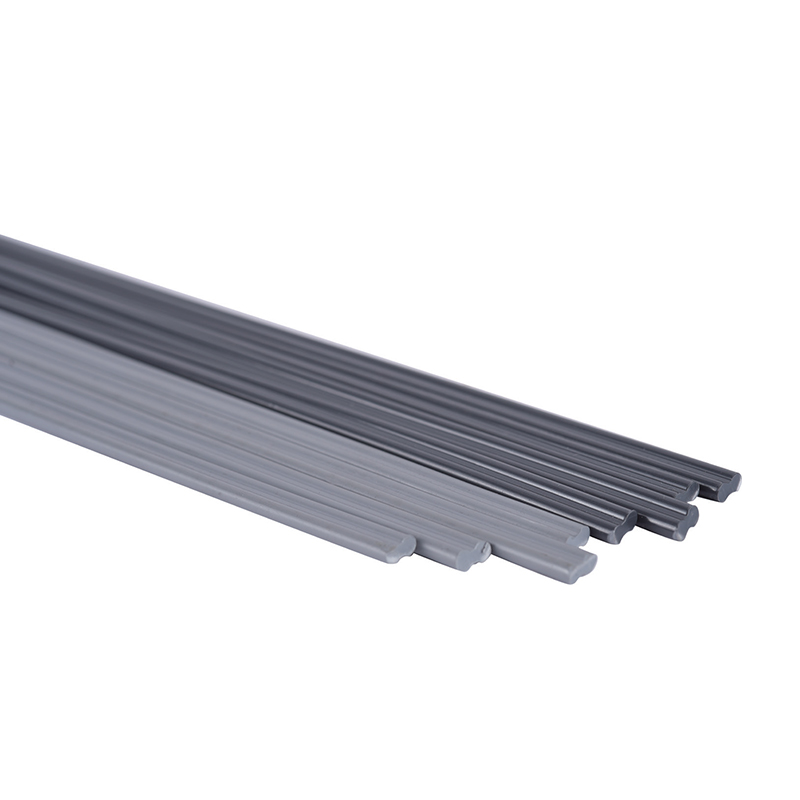
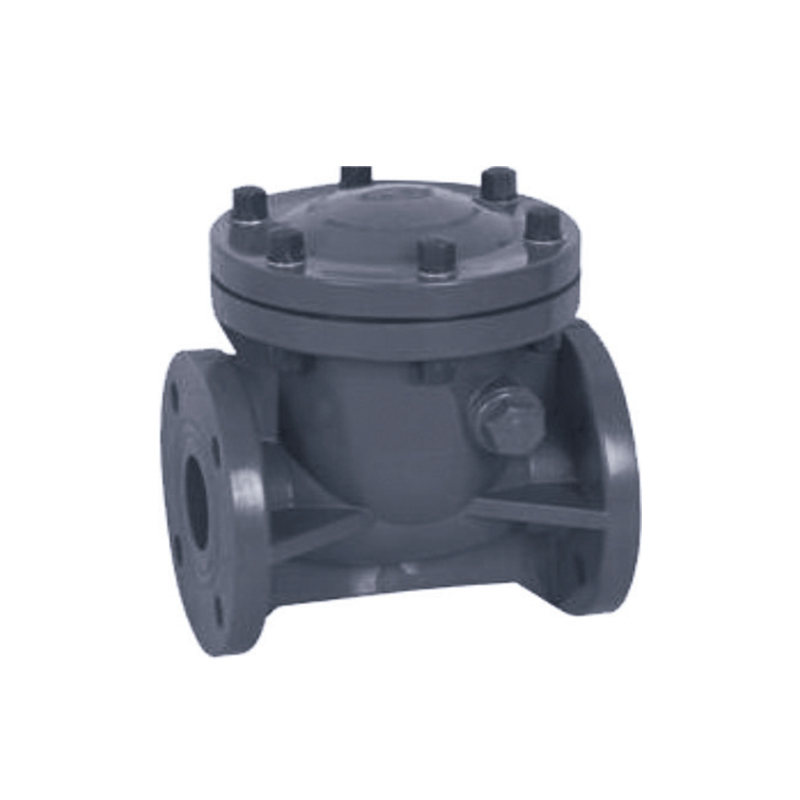
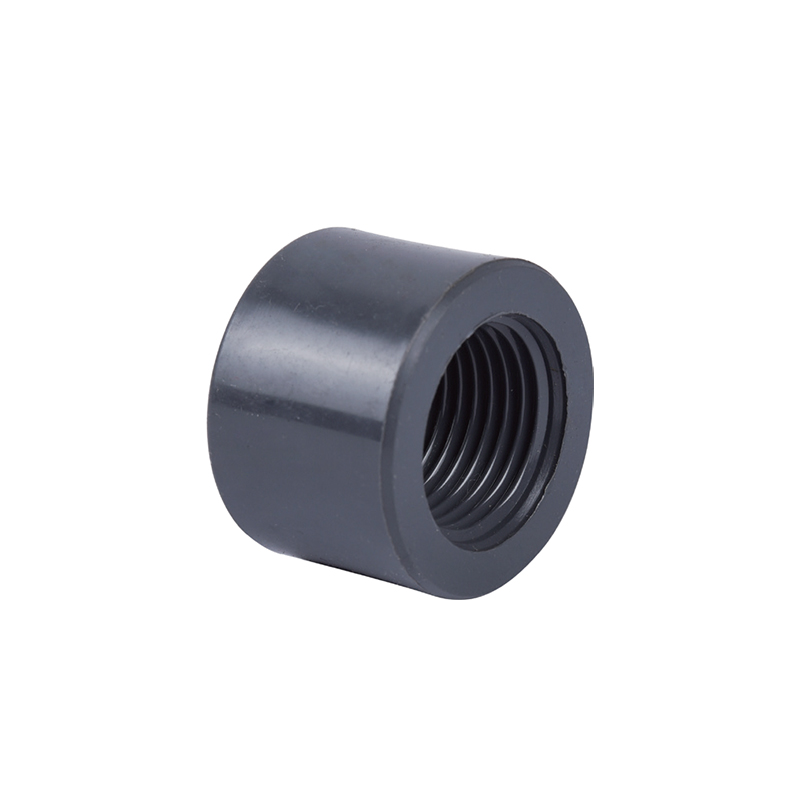
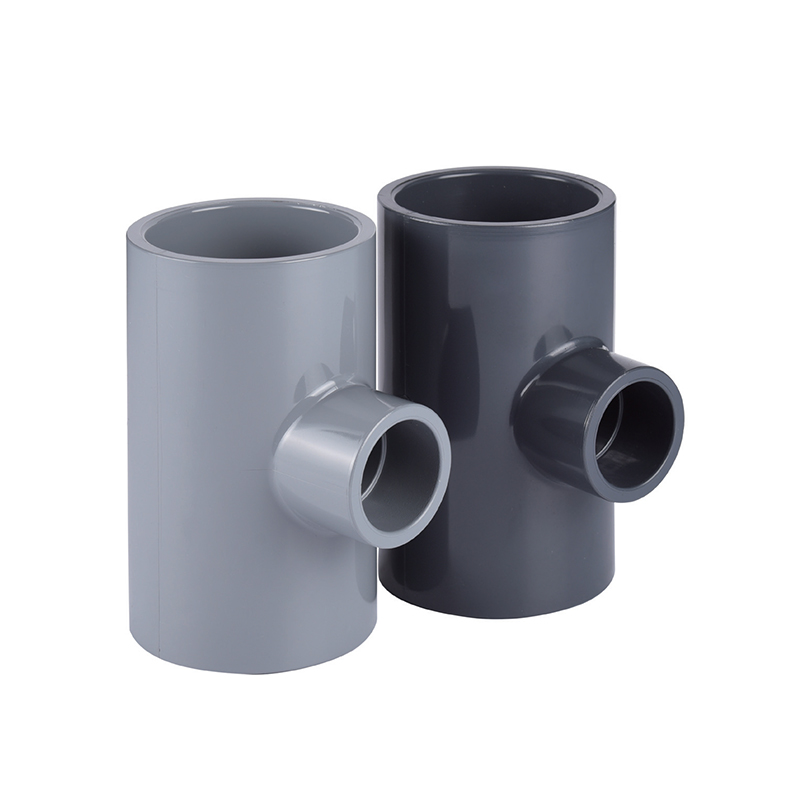
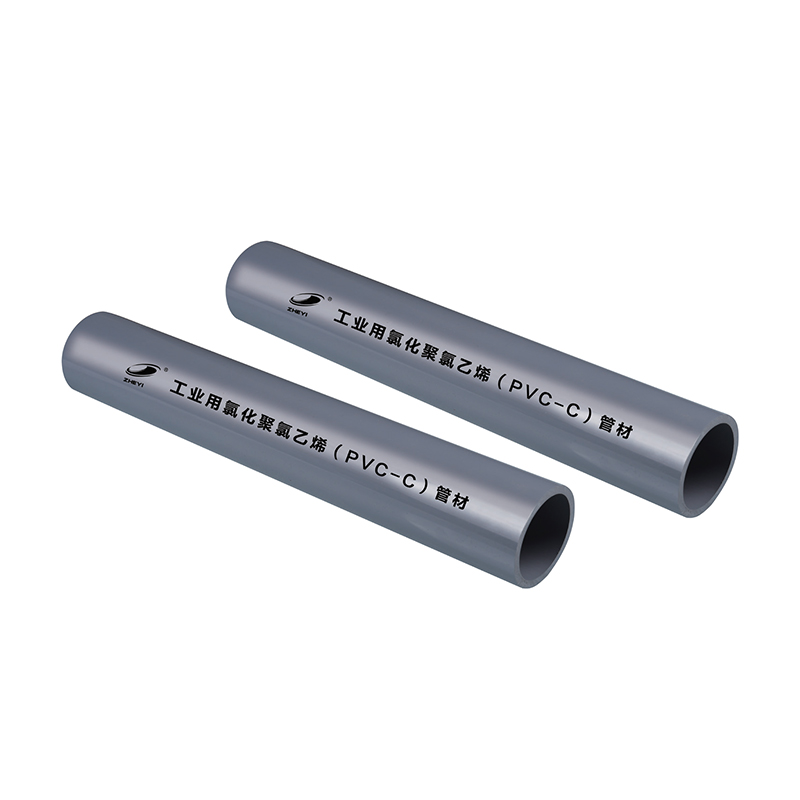
Piping in food processing facilities faces a demanding combination of moisture, cleaning chemicals, elevated temperatures, and near-continuous fluid circulation. Material choice directly affects how often a system needs maintenance and how reliably it performs between shutdowns. CPVC Pipes are widely specified in these systems for their corrosion resistance and stable long-term fluid-handling performance. This guide covers where CPVC fits, what to verify before specifying it, and how to evaluate a supplier.
No Metal
Corrosion Pathway
Higher
Temperature Range vs PVC
Smooth Bore
Reduced Internal Buildup
Why Corrosion Resistance Matters in Food Processing Piping Systems
Exposure to Cleaning Chemicals and Process Fluids
Food processing equipment undergoes regular washdown and sanitation cycles, exposing piping to a range of cleaning media and process fluids that require real chemical compatibility, not just general resistance.
Moisture and Humid Operating Environments
Processing areas typically run humid, and piping materials need to resist the gradual performance loss that moisture and environmental exposure cause over years of continuous operation.
Long-Term Reliability and Maintenance Requirements
Corrosion-resistant materials reduce corrosion-related maintenance, pipe replacement frequency, and the unplanned downtime that follows an unexpected pipe failure.
How CPVC Pipes Improve Corrosion Resistance
1
Resistance to a Wide Range of Chemicals
CPVC resists many acids, alkalis, salts, and selected cleaning chemicals, though the specific media, concentration, and temperature should always be checked against published chemical compatibility data.
2
Reduced Risk of Internal Corrosion
Because CPVC is not a metal, it does not undergo the internal metallic corrosion that gradually degrades steel or copper piping under similar service conditions.
3
Maintaining Reliable Fluid Flow Over Time
A smooth internal surface reduces deposit buildup, keeping flow performance more consistent across the piping system's service life.
Relative Chemical Resistance Rating
Indicative resistance by chemical category; always confirm against media-specific compatibility data.
Key Performance Benefits of CPVC Pipes in Food Processing Systems
Temperature Resistance for Process Applications
CPVC handles a higher operating temperature range than standard PVC, though actual working temperature limits depend on the specific CPVC grade and pressure rating selected.
Lightweight Construction for Easier Installation
Lighter pipe sections simplify handling, transportation, and installation compared with metal alternatives of similar diameter.
Smooth Internal Surface for Efficient Fluid Handling
Low flow resistance and reduced internal buildup support efficient fluid movement across process water and utility lines.
Dimensional Stability and Long-Term Performance
A stable piping structure holds pressure performance and resists environmental changes that could otherwise shift pipe geometry over time.
Pressure Retention Over Service Life
Representative pressure rating retention curve for CPVC piping under normal service conditions.
Applications of CPVC Pipes in Food Processing Systems
Process Water and Utility Piping
Handles process water, utility water, and supporting fluid systems throughout the plant.
Cleaning and Sanitation Systems
Serves applicable cleaning and auxiliary lines where chemical compatibility, temperature, and pressure conditions are confirmed as suitable.
Plant Utility Systems
Supports supporting piping, equipment connections, and general industrial fluid handling across the facility.
Piping Around Processing Equipment
Connects pumps, valves, tanks, and processing equipment as part of a complete plant piping system.
How to Choose the Right CPVC Pipes for Food Processing Applications
Evaluate Temperature and Pressure Requirements
Operating temperature, maximum pressure, pipe size, and pressure rating together define the correct CPVC schedule for the application.
Check Chemical Compatibility
Process fluid, cleaning chemicals, concentration, and operating temperature should all be checked before confirming CPVC suitability for a specific line.
Consider Pipe Size and Flow Requirements
Flow rate, pipe diameter, system pressure loss, and equipment connection requirements guide correct pipe sizing.
Check Applicable Standards and Certifications
Food-industry procurement should confirm applicable piping standards, material compliance, and food-contact requirements where relevant, rather than assuming every CPVC pipe qualifies for direct food contact.
Not every CPVC pipe is certified for direct food contact. Confirm the specific product, its intended use, and relevant regulatory approval before specifying it on a food-contact line.
How CPVC Pipes Support More Reliable Food Processing Operations
Reducing Corrosion-Related Maintenance
Corrosion resistance lowers the maintenance burden tied to pipe degradation, freeing maintenance teams to focus on scheduled rather than reactive work.
Supporting Stable Production Conditions
Consistent fluid flow and reliable piping performance reduce the unexpected interruptions that disrupt production schedules.
Extending Piping System Service Life
Material durability, lower maintenance requirements, and reduced replacement frequency combine to extend the practical service life of the piping system.
How to Evaluate a Reliable CPVC Pipe Supplier
Evaluation Area
What to Check
Material Quality
Material formulation, wall thickness, dimensional accuracy, surface quality
Pressure and Temperature Performance
Pressure ratings, temperature ratings, technical specifications, testing data
Pipe and Fitting Compatibility
Matching pipes, fittings, valves, and connection methods
Customization and Supply
Pipe sizes, schedule options, project quantities, stable batch production
Common Mistakes When Selecting CPVC Pipes for Food Processing
Choosing Pipes Based Only on Corrosion Resistance
Temperature, pressure, flow requirements, and chemical compatibility all need equal consideration alongside corrosion resistance.
Ignoring Chemical Concentration and Operating Temperature
The same chemical media can affect CPVC differently depending on concentration and temperature, so both should be checked together, not separately.
Assuming All CPVC Pipes Are Suitable for Direct Food Contact
Suitability for direct food contact depends on the specific product, its intended use, and relevant regulations and certifications, not the material name alone.
Overlooking the Compatibility of the Complete Piping System
Pipe selection alone is not enough; fittings, valves, seals, and connection systems all need to match for the system to perform reliably.
Frequently Asked Questions
Are CPVC pipes suitable for hot water lines in food processing?
CPVC generally handles higher temperatures than standard PVC, but the specific limit depends on the grade and pressure rating selected for the application.
Can CPVC pipes be used with all cleaning chemicals?
No. Chemical compatibility varies by media, concentration, and temperature, so each cleaning chemical should be checked against compatibility data before use.
Is CPVC pipe automatically food-safe?
Not automatically. Suitability for direct food contact depends on the specific product's certification and compliance, not the material type alone.
How does CPVC compare to metal pipe for corrosion resistance?
CPVC does not undergo the internal metallic corrosion that affects steel or copper piping, making it a common choice where corrosion is a primary concern.
 +86-15258772971
 dinys009@163.com
 English
 한국어
 Español
 عربى