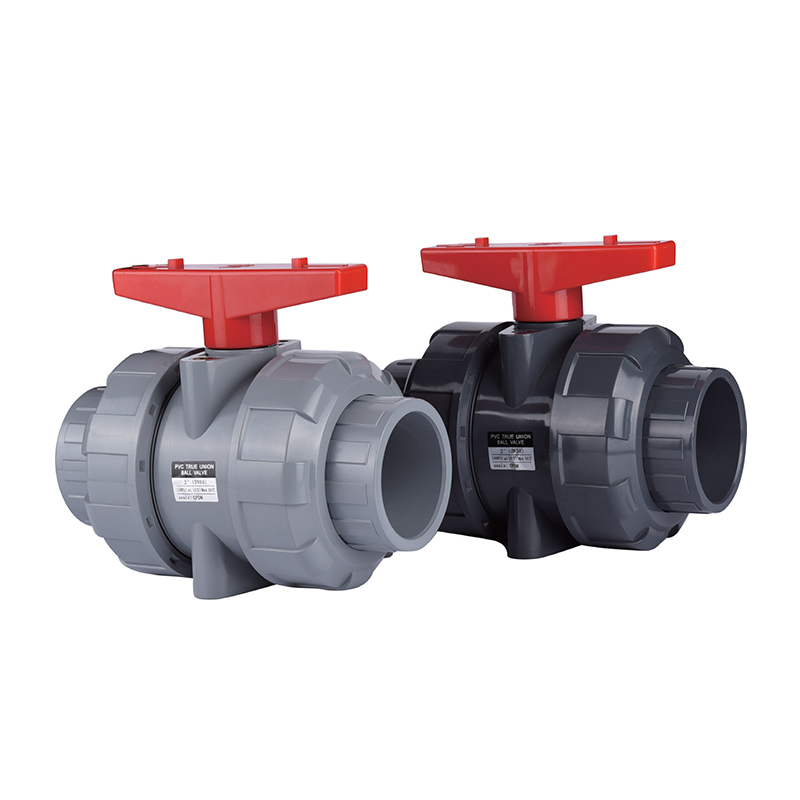
A chemical plant in Jiangsu rejected 500 Schedule 80 CPVC unions after one randomly sampled coupler failed a hydrostatic test at 1.5 times its rated working pressure. The purchase order carried the right standard, the wrong assumption. Choosing a reliable Schedule 80 CPVC fittings manufacturer means auditing compound formulation, dimensional records, pressure documentation, and lot traceability before the order is placed.
Check the Compound Before You Check the Price
The most important discipline a reliable Schedule 80 CPVC fittings manufacturer can demonstrate is the exclusive use of virgin CPVC compound with a chlorine content between 63% and 67%.
CPVC gains its heat and chemical resistance from post-chlorination of PVC. When a factory blends regrind or off-spec resin, impact strength drops and the fittings turn brittle in cold weather, during solvent-cement assembly, and under thermal cycling. Reputable suppliers control resin lots, keep documented regrind ratios near zero for pressure-rated fittings, and print the compound cell class on every inspection certificate.
Definition CPVC (chlorinated polyvinyl chloride) is PVC resin that has been post-chlorinated to roughly 63% chlorine by weight, which raises its continuous service temperature and broadens resistance to acids, alkalis, salts, and aliphatic hydrocarbons.
Virgin compound batch
Predictable melt flow and color stability
Consistent impact strength across lots
Repeatable hydrostatic burst results
Regrind or off-spec batch
Lower drop-weight impact values
Hidden voids and streaked color
Socket and thread-root failures at startup
Ask the supplier to state the regrind policy in writing. A percentage above roughly 5% for Schedule 80 pressure fittings disqualifies the batch for critical lines.
Verify the Standard, Not Just the Name
A dependable Schedule 80 CPVC fittings manufacturer names the exact standard on its inspection certificate, covering material, dimensions, and pressure performance.
"ANSI-compliant" or "industrial grade" on a quotation is not a standard. The documents that matter for Schedule 80 CPVC fittings are listed below.
Core standards used to verify Schedule 80 CPVC fittings, material, and matching pipe.
Standard
What it governs
Why it matters
ASTM D1784
CPVC compound cell classification
Locks chlorination, impact modifiers, and thermal stability
ASTM F439
Socket-type Schedule 80 CPVC fittings
Defines dimensions, wall thickness, and burst requirements
ASTM F441
Schedule 40 and 80 CPVC pipe
Verifies that matching pipe carries the same rating
ISO 15493
Industrial PVC/CPVC piping systems
Common reference for Middle East and Asia export projects
ANSI/ASME B16.5
Flange dimensions and facings
Critical for flanged joints and valve compatibility
Standard systems are not interchangeable at the flange face. If the project specifies DIN flanges and the supplier quotes ANSI, review the comparison of ANSI and DIN flange and valve interface requirements before awarding the order.
Request a copy of the dimension and burst sections from the standard the supplier claims to meet, then spot-check two or three dimensions on the actual part.
Compare Pressure and Temperature Ratings From the Data Sheet
A reliable manufacturer publishes pressure ratings and temperature de-rating factors; a marginal one hides them behind the phrase "working conditions apply."
Schedule 80 wall thickness gives CPVC fittings a higher pressure ceiling than Schedule 40 at the same temperature, but that ceiling falls as service temperature rises. The chart below shows typical de-rated working pressure for 1/2-inch Schedule 80 CPVC at four service temperatures.
Typical de-rated working pressure in psi for 1/2-inch Schedule 80 CPVC pipe and fittings. Always validate against the manufacturer's certified data.
63-67%chlorine content in reliable CPVC compound
200 Ftypical continuous service ceiling
850 psi1/2-inch Schedule 80 at 73 F
1.5xminimum hydrostatic test margin we recommend
Every quotation should include four documents:
Material certificate with compound cell class
Pressure rating and temperature de-rating table
Hydrostatic or burst test report per lot
Dimensional report of socket depth and wall thickness
For the measured wall-thickness and pressure difference, the Schedule 40 versus Schedule 80 3/4-inch CPVC fittings pressure comparison shows why the schedule on the purchase order must match the schedule on the fitting.
Audit Dimensional Control and Batch Traceability
The safety margin in Schedule 80 disappears when socket wall thickness is a few thousandths under spec, so dimensional control is a qualification gate, not a detail.
Measure a sample against the standard's socket depth, minimum wall, and concentricity. A caliper check at six points around the socket takes two minutes and separates serious factories from repackagers.
Wall thickness at six positions on the socket
Socket depth against the standard's table
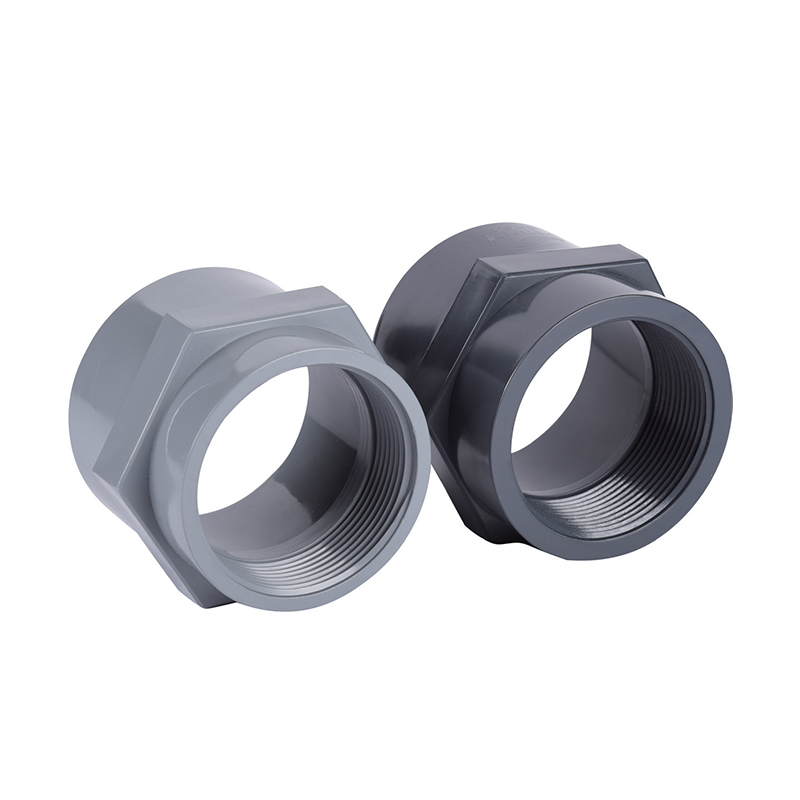
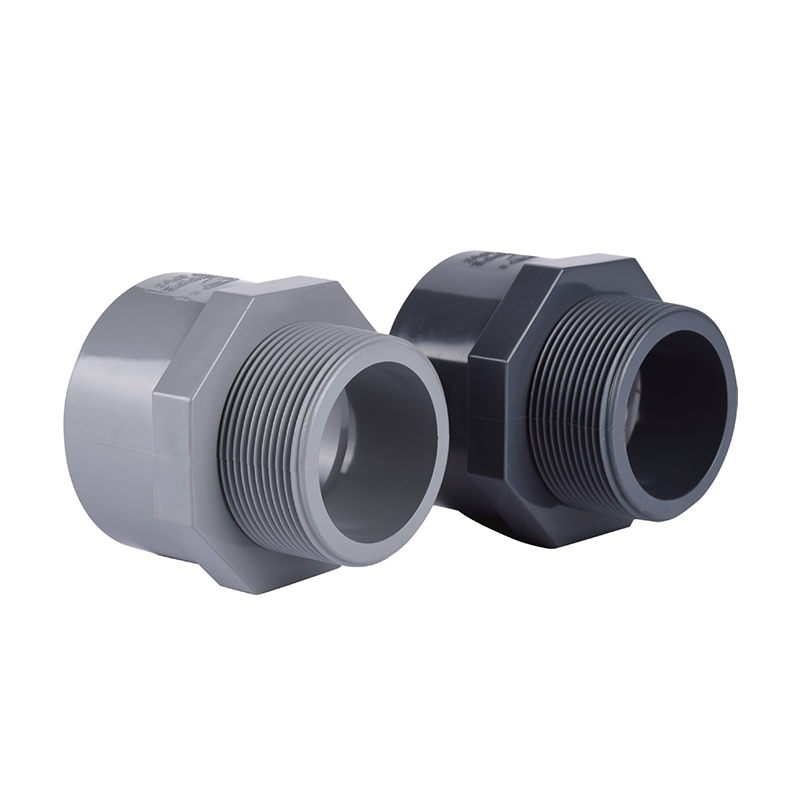
Thread form on female and male adapters
Bore concentricity and visible voids on a cut section
Lot stamp legibility on every fitting
Sample policy reveals quality culture. A credible manufacturer lets the buyer witness the cut-section test and keeps retained samples for a defined period; a weak lab only sends photographs and asks for the next purchase order.
During installation, keep the combined effect in mind: socket depth and cure time are linked, and the solvent cement cure time guide covers the hold and cure windows that protect the joint before pressure testing.
Look for System Breadth, Not Loose Fittings
A manufacturer that also produces matching Schedule 80 CPVC pressure pipe and valves gives you one accountable source for pressure ratings, material certification, and chemical compatibility across the entire flow path.
Loose fittings cannot deliver system reliability when the pipe comes from a different compound family or the valve flange follows a different standard. A single source can trace one pressure rating across the whole pipeline.
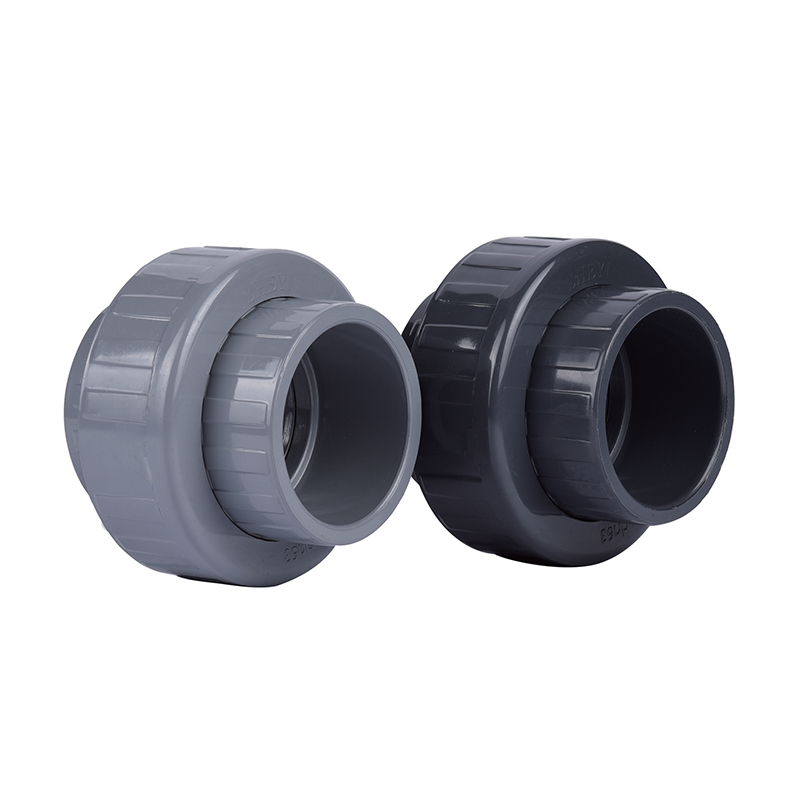
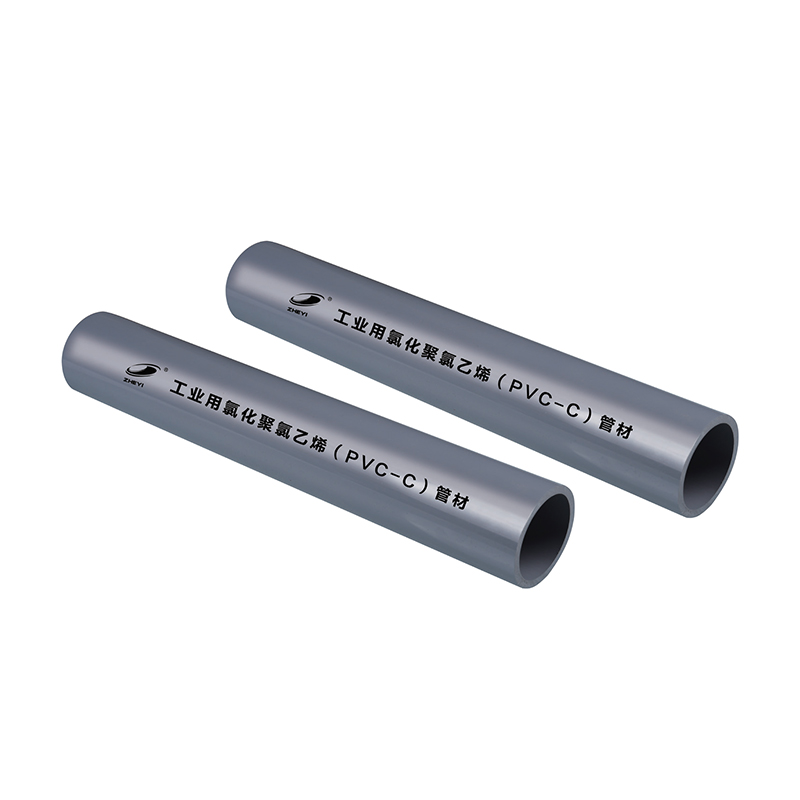
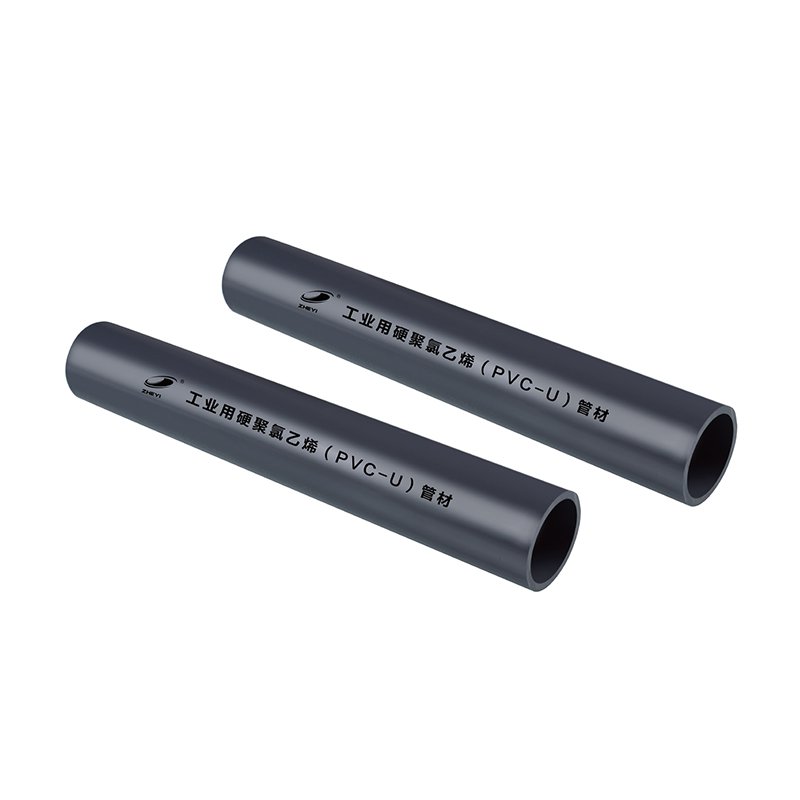
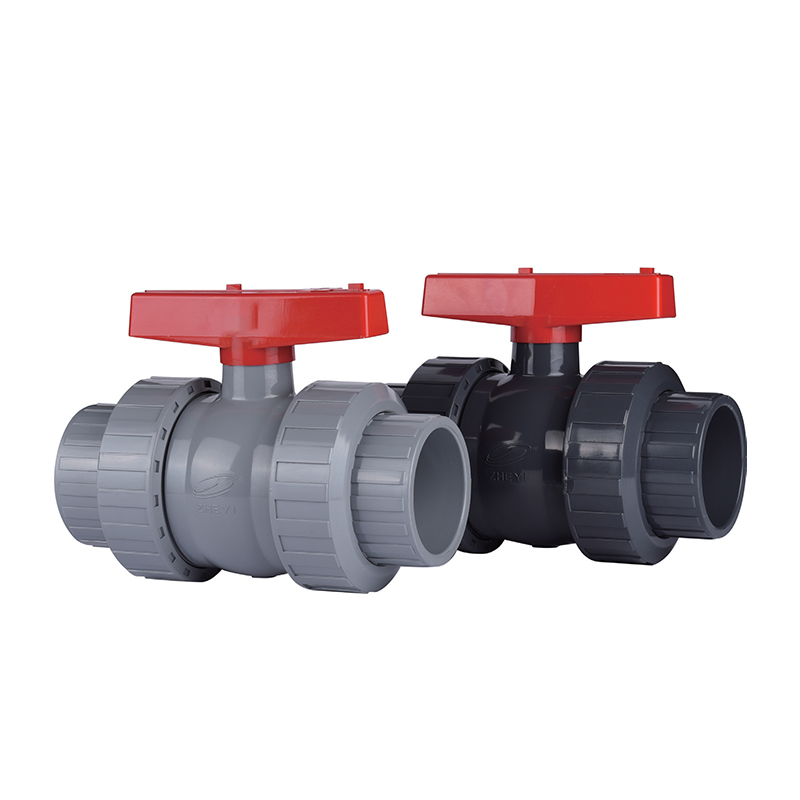
ZHEYI Pipeline (Wuhan) Co., Ltd. is an example of this model. As a custom wholesale manufacturer of industrial non-metallic piping, ZHEYI covers the complete Schedule 80 CPVC fittings catalog, the matching CPVC pressure pipes, and true-union CPVC fittings for lines that need routine maintenance access.
Elbows (45 and 90 degree), tees, reducers, and crosses
Unions, couplings, adapters, and flange kits
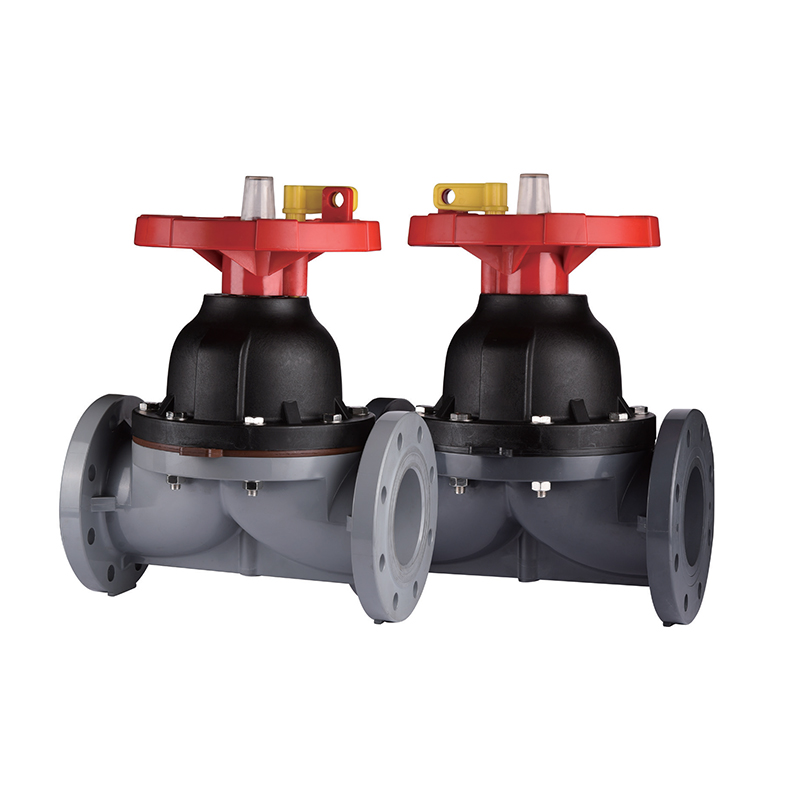
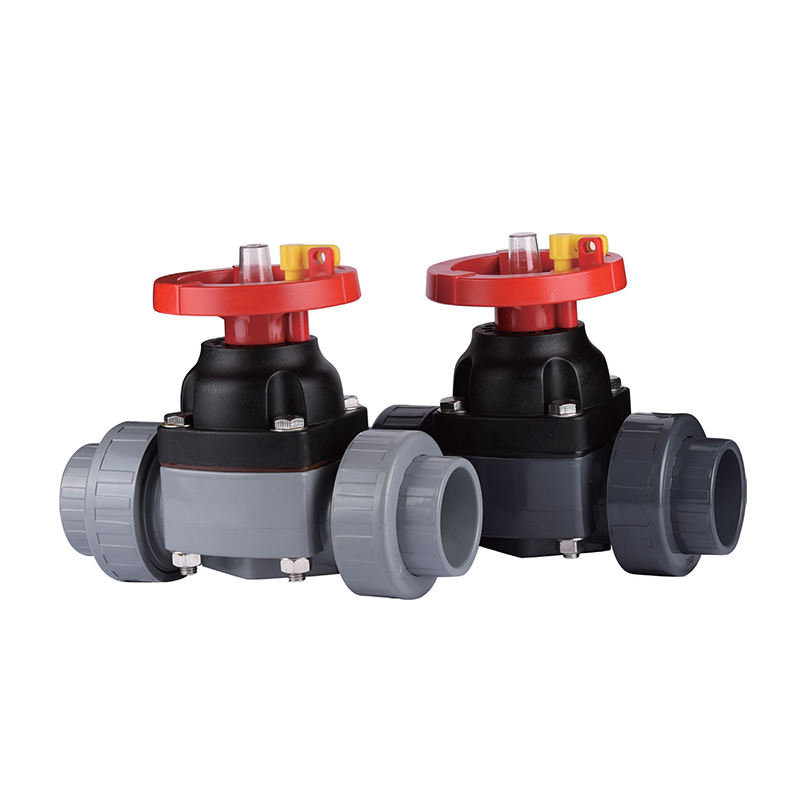
Ball, butterfly, and diaphragm valves in matching material
Schedule 80 pipe from the same compound family
One accountable supplier beats five cheapest-part suppliers. When pipe, fittings, and valve ratings are certified from the same factory, a pressure failure can be traced to one material system instead of a blame chain.
Screen the Factory's Quality System and Delivery Promise
Certifications such as ISO 9001 matter less than the evidence that process controls are actually used on the production floor every day.
Ask for the quality manual section covering incoming resin inspection, in-process dimensional sampling, and final hydrostatic testing. Schedule a video walkthrough of the molding and assembly lines, then compare claimed capacity with committed delivery dates.
ISO 9001 certificate with current audit date
In-house hydrostatic test equipment, not a third-party promise
Batch records linking raw material lots to finished goods
Realistic lead times for molded fittings and assembled valves
Export packaging standard for sea freight and high-humidity routes
What a credible answer looks like: a supplier with vertically integrated manufacturing centers, such as ZHEYI's two plants in eastern and central China, can buffer regional supply and delivery risks because molding and assembly capacity exists in more than one location.
Run a Five-Step Screening of the Schedule 80 CPVC Fittings Manufacturer
The fastest way to qualify a Schedule 80 CPVC fittings manufacturer is a small, structured pilot that combines paperwork, physical measurement, and one pressure test.
Request the compound, standard, and regrind policy in writing, plus a material certificate for the last three production lots.
Measure a sample of ten fittings with a caliper: socket depth, wall thickness at six points, and thread fit on adapters.
Hydrotest one socket fitting at 1.5 times its rated working pressure for two minutes and record the visual result.
Audit the molding floor virtually, focusing on resin silo records, regrind handling, and stamping of lot codes.
Place a pilot order of one lot, inspect the delivered units against the retained sample, then scale to full volume.
The procedure takes about two weeks and costs far less than one line shutdown caused by an under-walled socket.
If a supplier refuses a pilot hydrotest before volume production, that refusal is a finding, not a negotiation point.
Frequently Asked Questions
What is the main difference between Schedule 40 and Schedule 80 CPVC fittings?
Schedule 80 has a thicker wall and a higher pressure rating at the same operating temperature. A 3/4-inch Schedule 80 CPVC fitting typically carries roughly 30 to 50 percent more working pressure than its Schedule 40 equivalent, and the gap grows at elevated temperatures.
How can I confirm that a manufacturer uses virgin CPVC compound?
Request a material certificate with the ASTM D1784 cell class, ask for the regrind policy in writing, and compare color stability and drop-weight impact values between delivery lots. A lot that turns noticeably darker or more brittle after storage is a strong sign of recycled content.
What pressure rating should I expect from Schedule 80 CPVC fittings?
As a reference, a 1/2-inch Schedule 80 CPVC fitting system is typically rated around 850 psi at 73 F and de-rates to roughly 220 psi at 200 F. The governing rating comes from the pipe it is joined to, so verify that the pipe standard (ASTM F441) matches the fittings standard (ASTM F439).
Can I combine Schedule 80 CPVC fittings from different manufacturers?
It is risky. Socket dimensions, thread form, compound, and impact performance vary between factories, and a mismatch is invisible until the joint is under thermal stress. For critical lines, keep the entire run within one manufacturer's certified system.
 +86-15258772971
 dinys009@163.com

 English
 한국어
 Español
 عربى