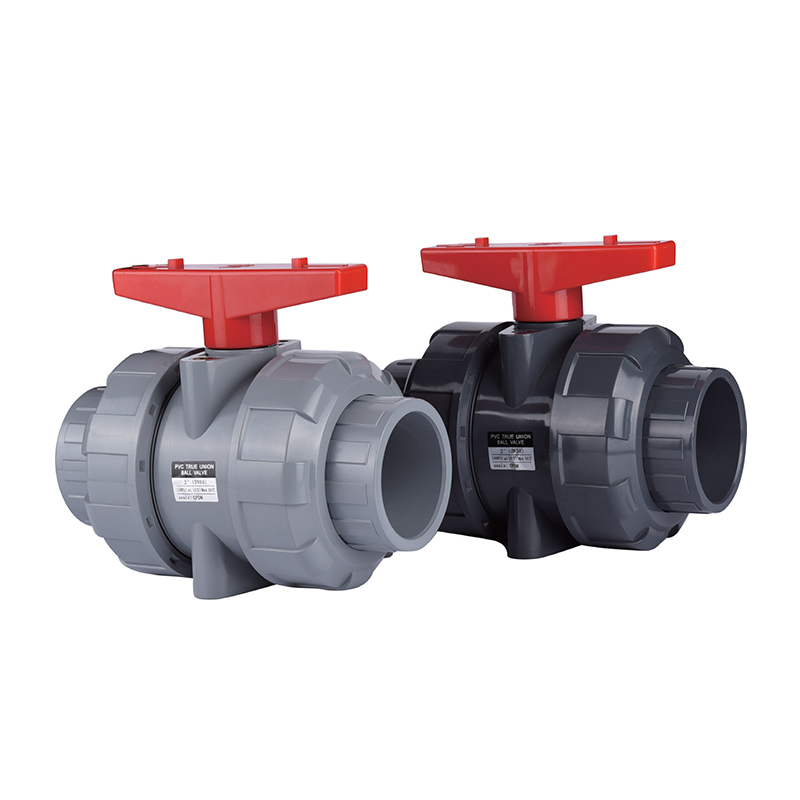
A chlorinated polyvinyl chloride (CPVC) fitting that passes a visual check can still fail on the first hot chemical line if the compound degraded during molding, if the socket depth is below minimum, or if the lot was never pressure-tested. That is why quality in CPVC fittings is a chain of evidence, not a surface inspection.
This guide explains how CPVC fittings manufacturers ensure quality in practice: raw material lot control, molding process windows, dimensional verification under DIN or ANSI requirements, pressure testing, and traceability. It also gives procurement and engineering teams a practical audit checklist.
Raw Material Verification Sets the Quality Ceiling
The quality ceiling of a CPVC fitting is fixed before molding begins, because the compound determines pressure capacity, chemical resistance, and long-term thermal stability.
CPVC is made by chlorinating PVC resin until the chlorine content reaches roughly 63-67 percent by weight. That chlorination raises the softening point and gives CPVC a usable pressure rating at higher temperatures than standard PVC. The shift also makes the polymer harder to process; if the compound contains an inconsistent stabilizer package, moisture, or poorly dispersed additives, no mold setting can correct it.
63-67%chlorine content by weight in CPVC compound
93 deg Ctemperature ceiling for properly stabilized CPVC pressure components
ISO 9001documented process framework for custom wholesale manufacturers
Quality manufacturers verify every incoming compound lot before it enters the molding hall. The checks that matter are:
Chlorine content and residual PVC level, confirmed by thermogravimetric or titration methods
Thermal stabilizer response, measured by dynamic thermal stability time
Moisture content, because trapped water creates steam pockets and surface defects
Color and lot number, used to trace finished fittings back to the compound
Definition: CPVC compound quality is the consistency of chlorination, stabilizer dispersion, and moisture control that allows a fitting to hold its rated pressure at elevated temperature for its intended service life.
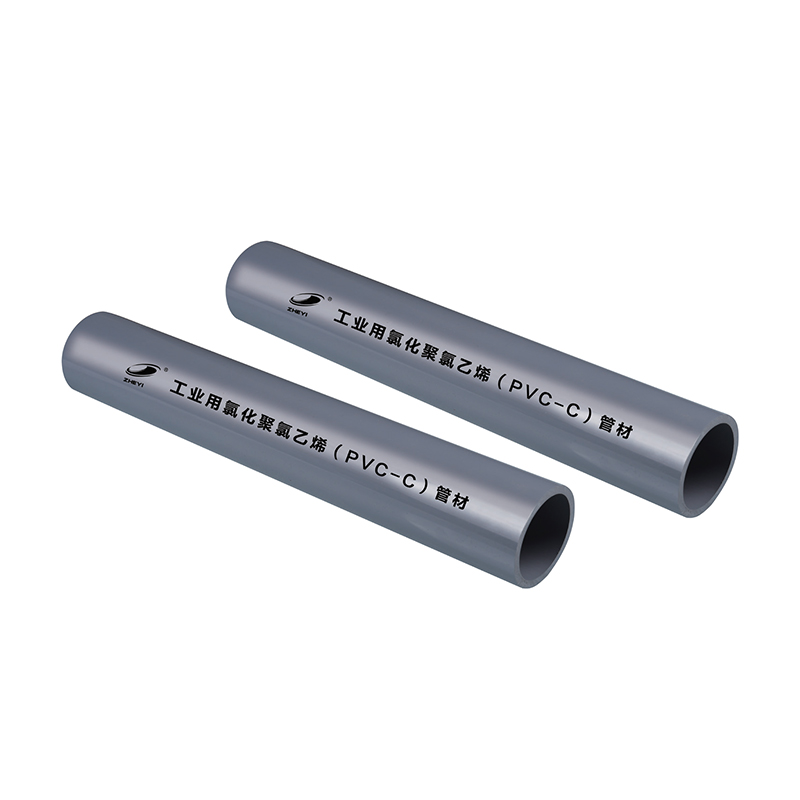
Buyers should expect the same raw material discipline on pipe and fittings. If a supplier offers CPVC pressure pipes made in the same factory, the compound lot records are easier to audit because both products share the same incoming material files. Before comparing suppliers, review the CPVC pressure rating chart and calculation guide so that you can connect a compound lot to a rated service condition.
Molding Process Control Decides Whether the Compound Survives Manufacturing
Melt temperature, residence time, cooling rate, and mold geometry are controlled together because CPVC is thermally sensitive and degrades when overheated.
Unlike metal or PP, CPVC does not tolerate long residence time at high temperature. The same polymer that resists 93 deg C in service starts to lose chlorine groups when processing temperatures run too high for even a short period. Degraded material shows up later as brown streaks, brittle fracture, or low impact strength in a fitting that looks normal on the outside.
Underheated processing
Poor flow can leave short shots, voids, and weak weld lines. Operators may increase injection pressure or residence time to compensate, which brings its own heat history.
Overheated melt
High temperature and long residence time produce discoloration, hydrogen chloride evolution, and brittle polymer domains that lower pressure retention in thin fitting walls.
The practical sign of molding control is a first-article report after mold setup plus in-process wall thickness checks at scheduled intervals during each production run.
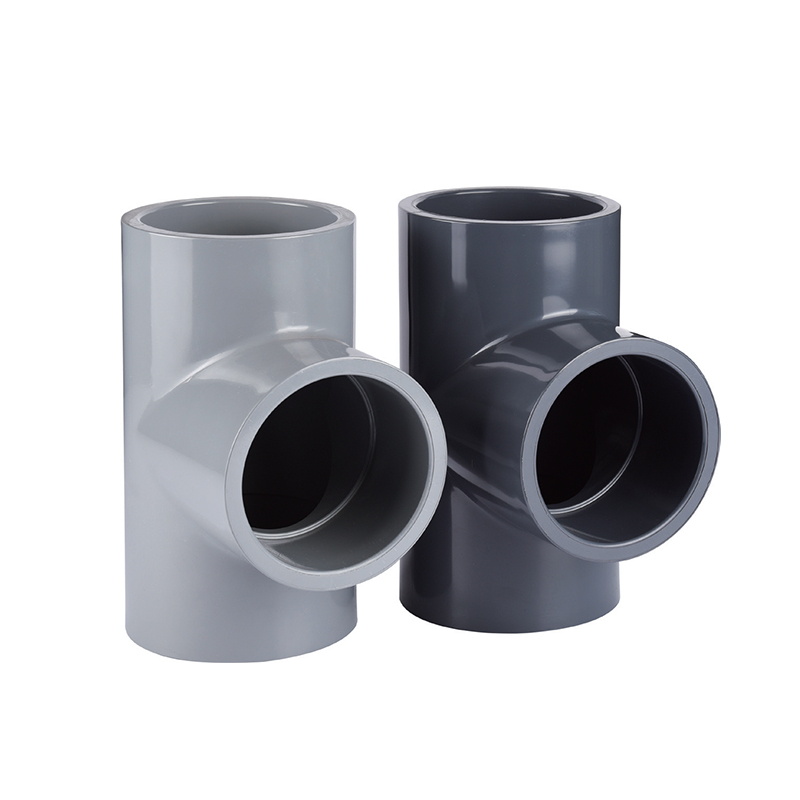
Mold design is just as important. A tee body has flow fronts that meet at the branch area, making a weld line that can be a weak point if gate position and venting are wrong. This is why a UPVC/CPVC tee should carry the same material traceability and weld-line review as a straight pipe section.
Dimensional Inspection and DIN/ANSI Tolerances Catch Joint Problems Early
Dimensional inspection catches tool wear, shrinkage drift, and wrong assembly fit before a CPVC fitting moves to packaging.
Solvent cement joints depend on a controlled gap between pipe outside diameter and socket inside diameter. If the gap is too large, the cement film is thick and can shrink during cure. If the gap is too small, the pipe bottoms out without reaching the socket depth, leaving a shorter bond line.
Critical CPVC fitting dimensions inspected in factory qualification
Critical dimension
What it controls
Failure if ignored
Socket outside diameter
Joint fit with pipe
Solvent cement gap or interference
Socket depth
Bonded overlap area
Shallow insertion and joint pull-out
Wall thickness
Pressure containment
Burst at stress concentration
Center-to-end dimension
Assembly alignment in manifolds
Stress on flanges and valves
Out-of-roundness
Sealing and joint alignment
Leakage at flange or union
One bad socket depth can turn a high-pressure CPVC system into a leaking joint, even when every other dimension is perfect.
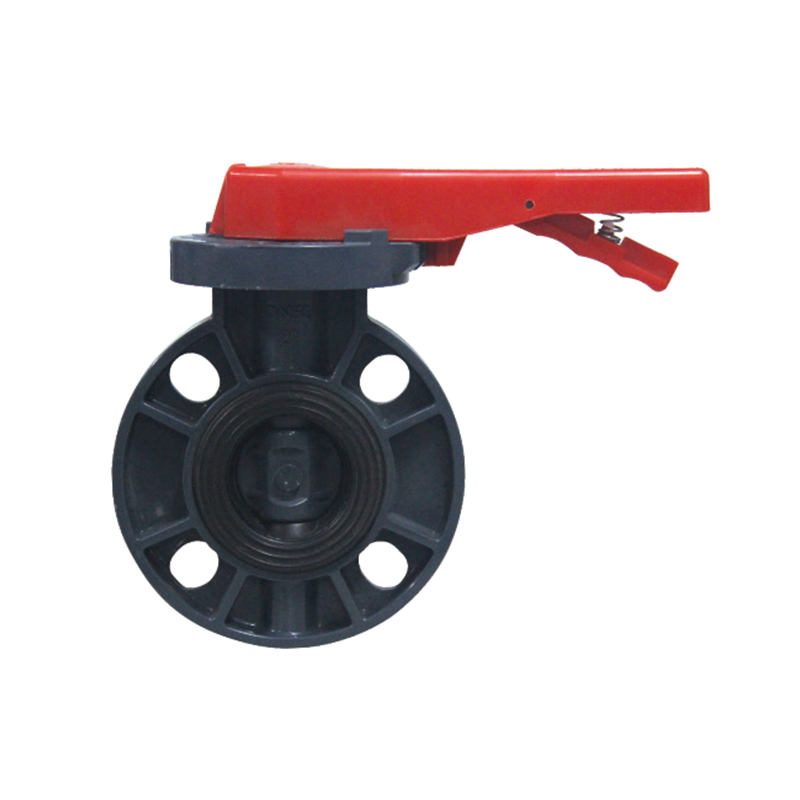
Because socket sizes, flange dimensions, and pressure class schedules differ between ANSI and DIN systems, a manufacturer must hold the right tooling for each export market. A practical comparison of these interface differences is in the ANSI vs DIN flanged valve export standards guide.
Pressure and Performance Tests Prove the Rating
Pressure and performance tests are the final proof that the fitting, its compound, and its molding process work together under real service conditions.
A pressure rating means nothing if it comes only from a catalog. The manufacturer should show hydrostatic test data from fittings molded with the same tooling and compound. The useful checks include:
Hydrostatic burst testing to confirm short-term strength
Sustained pressure testing to validate long-term stress behavior
Impact testing at low temperature to expose brittleness
Heat reversion testing to reveal molded-in stress
Solvent cement compatibility testing to verify joint strength
Chlorine content by weight, shown as approximate ranges, is one of the first indicators a CPVC fittings manufacturer should verify.
Pressure rating definition: The pressure rating of a CPVC fitting is the maximum internal pressure it can carry at a designated temperature for an intended service life, based on tested compound data rather than a generic table.
An otherwise perfect fitting can still leak if the installer does not respect joint cure time. The CPVC fittings solvent cement cure time guide explains how bond strength develops after assembly.
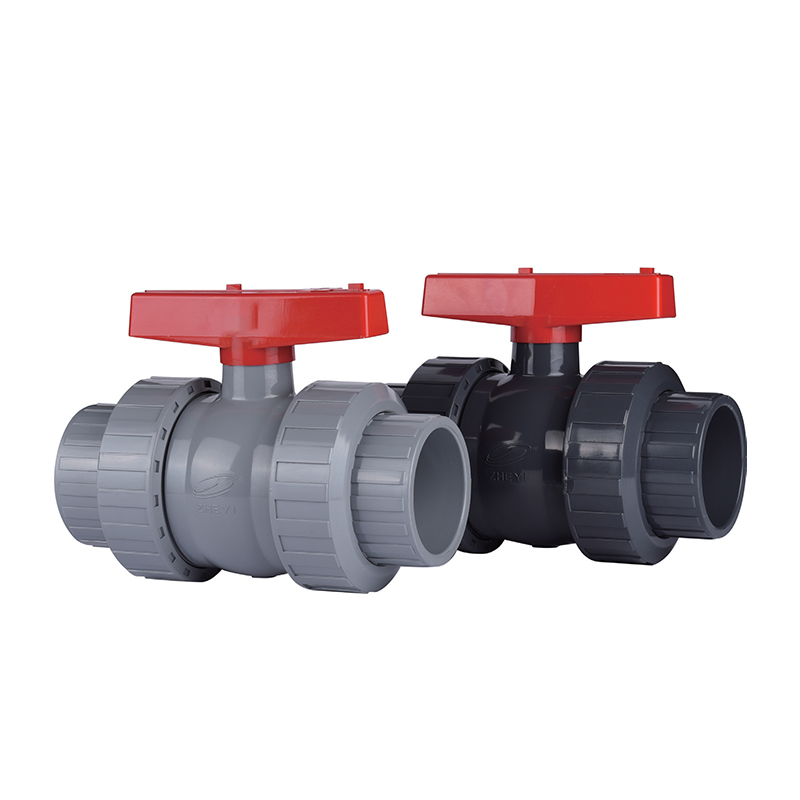
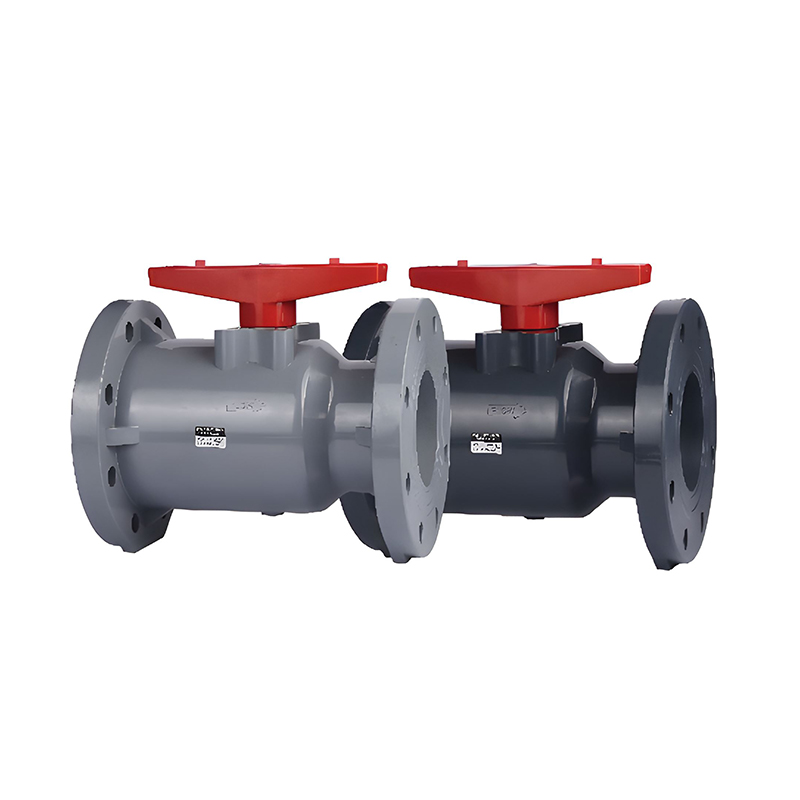
Valves add another layer of complexity, because sealing geometry and stem torque must also hold under temperature. In a complete system, a CPVC ball valve must be tested against the same pressure-temperature de-rating logic as the fitting behind it.
A reliable CPVC fittings manufacturer can show quality evidence in five layers: material, process, dimensional, performance, and traceability.
Request the compound supplier certificate and the fitting maker's incoming inspection result for each lot.
Ask for recorded molding parameters for the specific product size and mold number.
Review first-article reports and in-process dimensional sampling data.
Check that test certificates include lot number, test pressure, temperature, duration, and the standard referenced.
Confirm that each box or pallet carries a lot code that links fittings back to process records.
The goal of an audit is not to collect paperwork; it is to trace a fitting from compound lot to test certificate.
This is the same audit standard that ZHEYI Group uses across its vertically integrated manufacturing centers in East and Central China, with Zheyi Pipeline (Wuhan) Co., Ltd. as the operation serving industrial piping and water treatment buyers. A custom wholesale manufacturer with direct production control can usually produce lot-level evidence faster than a trading desk that repackages products from multiple plants.
Frequently Asked Questions about CPVC Fitting Quality
What is the most important quality control step for CPVC fittings?
Raw material lot verification is the most important step, because no molding adjustment can restore a compound that lacks enough heat stabilizer or has shifted outside the correct chlorine range.
Can CPVC fittings from different manufacturers be installed in the same line?
Do not mix fittings from different manufacturers in pressure applications unless you have confirmed identical socket dimensions, wall thickness, pressure class, and standard. Small differences in compound shrinkage or socket tolerances can create weak joints.
Do CPVC fittings need their own pressure test if the pipe is already rated?
Yes. Fittings introduce changes in wall geometry, flow direction, and molded-in stress that pipe does not have. A fitting should carry its own hydrostatic and sustained pressure evidence.
How can a buyer verify that a manufacturer actually tested its fittings?
Ask for a test certificate that identifies the lot number, test pressure, duration, temperature, inspection method, and the standard used. A certificate without a lot number does not tie the data to the product you received.
Bottom line: If a manufacturer cannot connect a fitting to its compound lot, dimensional report, and pressure test, the quality claim is incomplete.
 +86-15258772971
 dinys009@163.com

 English
 한국어
 Español
 عربى