Temperature is the first thing that separates a CPVC fitting from an ordinary PVC fitting. Once a process fluid stays above 60°C, the usable pressure rating of a CPVC fitting may fall to half or less of its 20°C rating, and the joints, supports, and valve seats must all be reviewed with that change in mind. In practice, most hot-fluid piping failures do not come from bad resin. They come from selecting a fitting without checking its pressure-temperature envelope.
What Temperature Resistance Means for CPVC Fittings
CPVC, or chlorinated polyvinyl chloride, is made by chlorinating PVC resin. The extra chlorine raises the heat distortion temperature and gives the material a practical continuous service range near 90°C, depending on pressure. That allows CPVC to handle hot acids, caustic solutions, and deionized water in industrial service where unplasticized PVC would soften and creep.
Temperature resistance is not a fixed number. A fitting's usable limit depends on wall thickness, socket depth, joint method, and the internal pressure that is acting on the component at the same time. The same CPVC material that works reliably in an 80°C low-pressure drain line can fail quickly in a 10-bar process line. Heat increases molecular mobility, which lowers tensile strength, accelerates creep, and changes how solvent-cemented sockets transmit load. That is why the design basis for CPVC should always be a pressure-temperature curve, not a single maximum temperature.
How Heat Changes the Performance of CPVC Fittings
The simplest planning rule is to de-rate the pressure rating as temperature increases. The exact curve depends on material grade and product design, but the typical relationship for CPVC fittings looks like this:
Typical retained pressure factors for CPVC fittings at elevated service temperatures. These are planning values; always use the manufacturer's published pressure-temperature chart for the exact product.
| Service Temperature |
Typical Retained Pressure Factor |
Practical Effect |
| 20°C (68°F) |
1.00 |
Nominal rating for standard water and chemical services. |
| 40°C (104°F) |
0.80-0.85 |
Warm process water; moderate derating is needed. |
| 60°C (140°F) |
0.55-0.65 |
UPVC is no longer suitable; CPVC requires support planning. |
| 80°C (176°F) |
0.35-0.45 |
Low-pressure hot chemical lines; use full-rated components and longer solvent-cement cure. |
For example, a CPVC fitting with a nominal rating of 16 bar at 20°C can be limited to roughly 6 bar at 80°C. If the actual system pressure at that temperature is still 10 bar, the fitting is no longer qualified for the duty. This is the practical effect of temperature resistance, and it is why the entire line must be selected from the same pressure-temperature basis.
Because the pipe, fitting, and joint all need to work together, start with a CPVC pressure pipe rated for your hot-fluid conditions and then match fittings and valves to that same rating.
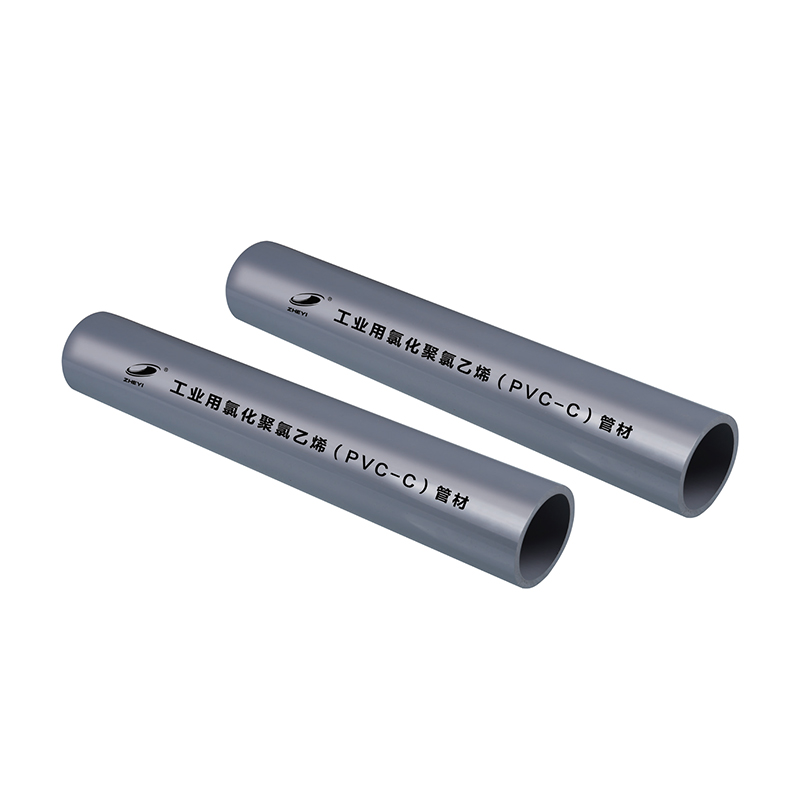 Custom CPVC Pipe pressure For Food Industry/Automotive/Electronic Suppliers, FacZheyi Pipeline (Wuhan) Co., Ltd. Is China Custom CPVC Pipe pressure For Food Industry/Automotive/Electronic Suppliers, Factory, Manufactu...View Product →
High-Temperature Installation Decisions
Temperature resistance affects more than a pressure rating. It changes how the system behaves during installation and over the life of the line.
Solvent Cement Joints Need Longer Cure and Clean Preparation
Solvent-cemented joints are usually the first limit in a hot CPVC system. At service temperature, the cement layer softens faster, the socket expands, and hoop stress concentrates at the bond line. Use the correct CPVC solvent cement, prepare the surfaces properly, and allow extra cure time before pressure testing or hot operation. The risk is not only immediate leakage; it is a slow creep failure weeks after the line starts up. Our solvent cement cure time guide explains how long to wait for different sizes and temperatures.
Thermal Expansion Changes Support and Routing
CPVC expands more than carbon steel. A long straight line that is fixed at 20°C can shift or buckle when the process temperature reaches 70°C. Add expansion loops, offset bends, and anchored support points. Space hangers closer than you would for steel pipe, and avoid rigid clamping that prevents axial movement. The result is a system that can move without pulling on elbow, tee, or flange joints.
Threaded, Flanged, and Valve Interfaces Need Extra Attention
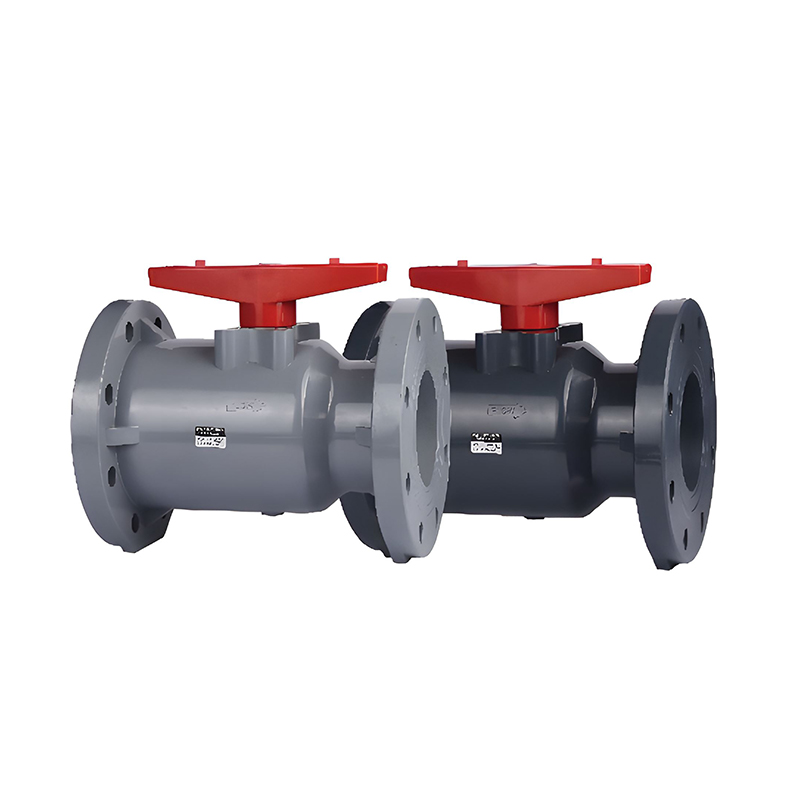
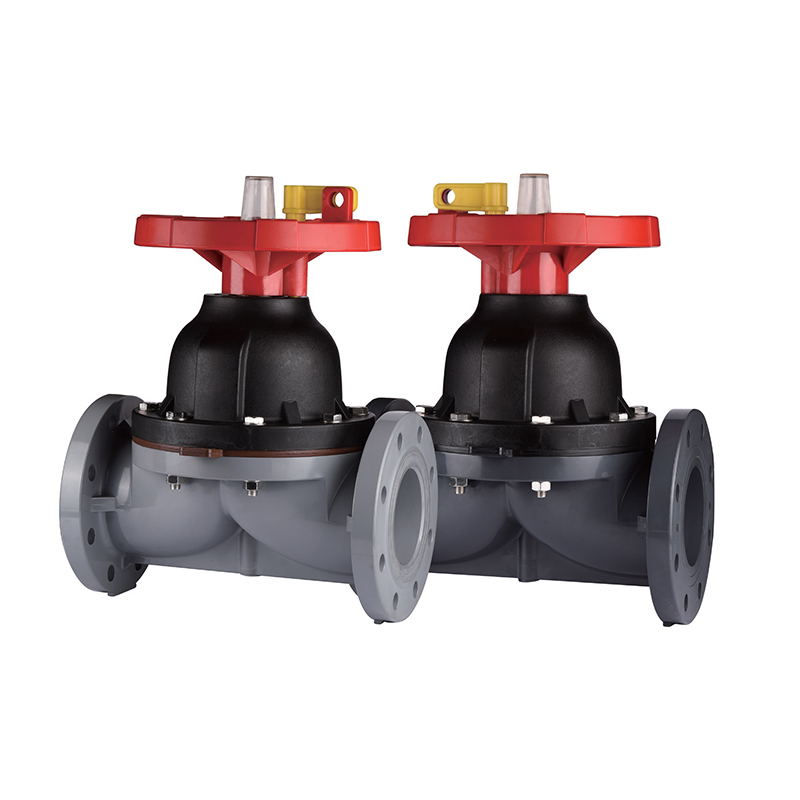
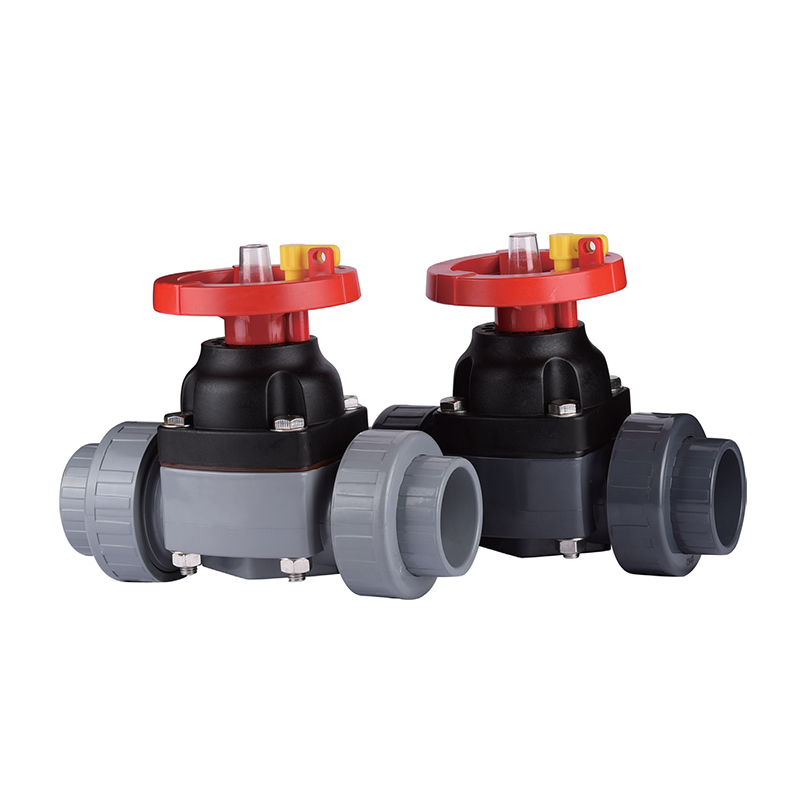
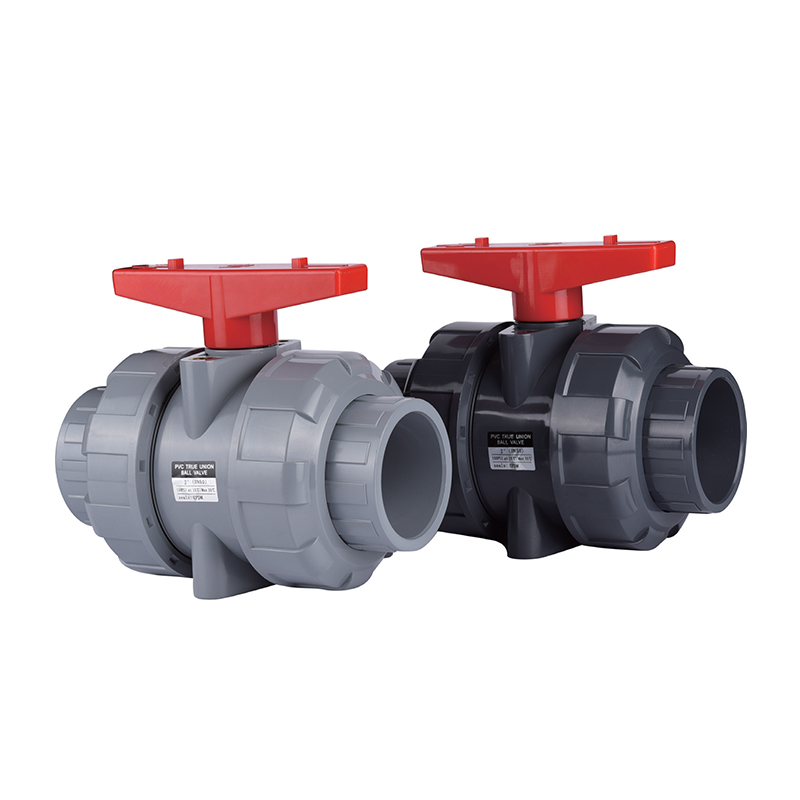
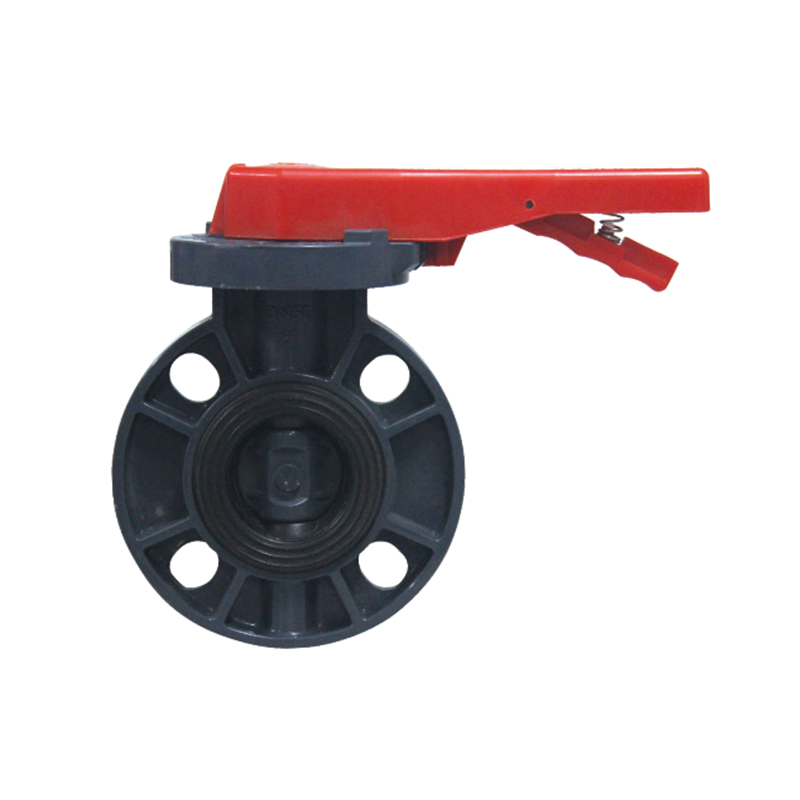
Threaded CPVC fittings create stress concentrations. At high temperature, the local stress can exceed the material's long-term strength, so threaded adapters and unions should be selected carefully and kept accessible for inspection. Flanged joints distribute load better, but the gasket material and backing flange must also withstand the service temperature. Valves are another weak point because they combine plastic bodies, elastomer seals, and moving parts. When you specify a CPVC ball valve for hot chemical service, check the temperature limit of the seat and seals, not just the body. In automated systems, actuator sizing should also consider high-temperature torque requirements rather than cold breakaway torque.
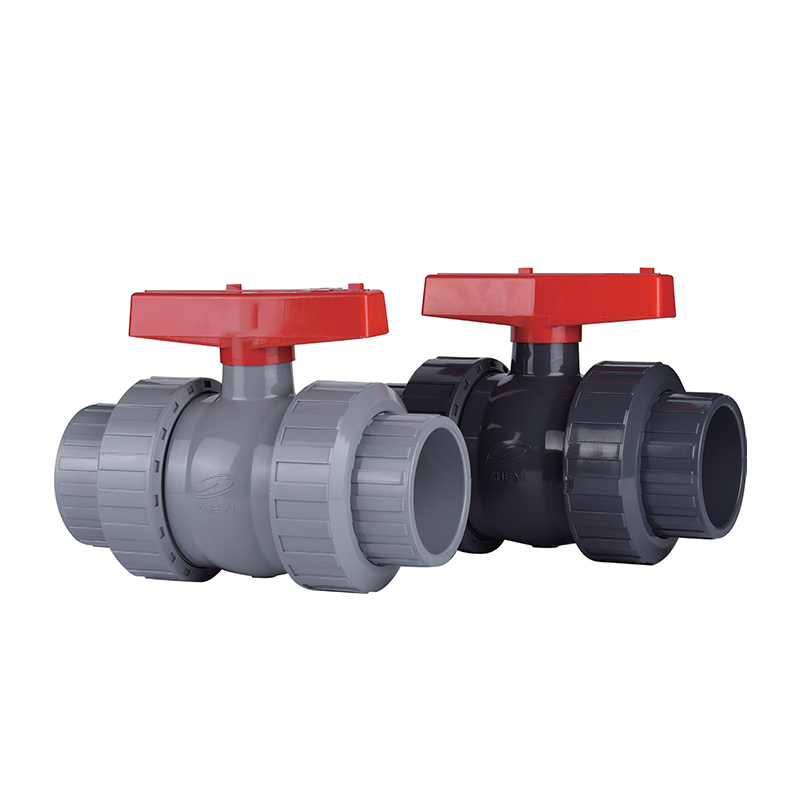 Custom SCH8O/DIN UPVC/CPVC Ⅰ Ball Valve For Food Industry/Automotive/Electronic Zheyi Pipeline (Wuhan) Co., Ltd. Is China Custom SCH8O/DIN UPVC/CPVC Ⅰ Ball Valve For Food Industry/Automotive/Electronic Suppliers, Fact...View Product →
Where Temperature Resistance Matters Most in Industrial Systems
Certain applications put CPVC fittings under pressure and heat at the same time, which makes the material choice immediately visible. Typical examples include:
- Chemical processing and metallurgy, where hot sulfuric acid, hydrochloric acid, sodium hydroxide, and metal salt solutions need a non-corrodible piping material.
- Lithium and battery-material plants, where process streams are both corrosive and above the practical limit of UPVC.
- Semiconductor and electronics facilities, where hot deionized water and chemical baths demand low contamination and stable mechanical strength.
- Water treatment and membrane plants, where warm cleaning solutions and sanitization circuits exceed the safe range of unplasticized PVC.
In these environments, temperature resistance works together with chemical resistance. A chemically compatible fluid at 20°C can become aggressive at 70°C, so the process temperature must be part of the material compatibility review.
How to Select CPVC Fittings for Hot Service
Use the same decision process for every component in the hot-fluid line.
- Define the maximum continuous temperature, not the average temperature.
- Define the maximum working pressure at that temperature.
- Select the wall thickness class, Schedule 80, PN10 or PN16, or an equivalent manufacturer rating.
- Check the temperature limit of joints, threaded adapters, flanges, gaskets, and valve elastomers.
- Design the support system for thermal expansion before ordering the fittings.
Confirm the Pressure-Temperature Rating of the Whole System
A detailed pressure-temperature selection guide can help you translate process conditions into a component class. The same logic applies to fittings; our CPVC fittings pressure-rating and derating guidance walks through the calculation and the common mistakes.
Match the Fitting Design to the Load
Fitting geometry matters more at high temperature. A CPVC tee used in a hot process line sees higher local stress than a straight run of pipe. The same is true for reducers, elbows, and threaded adapters. Choose fittings with wall thickness and socket depth that match the rated CPVC pipe, and use long-radius bends or sweep elbows when space allows.
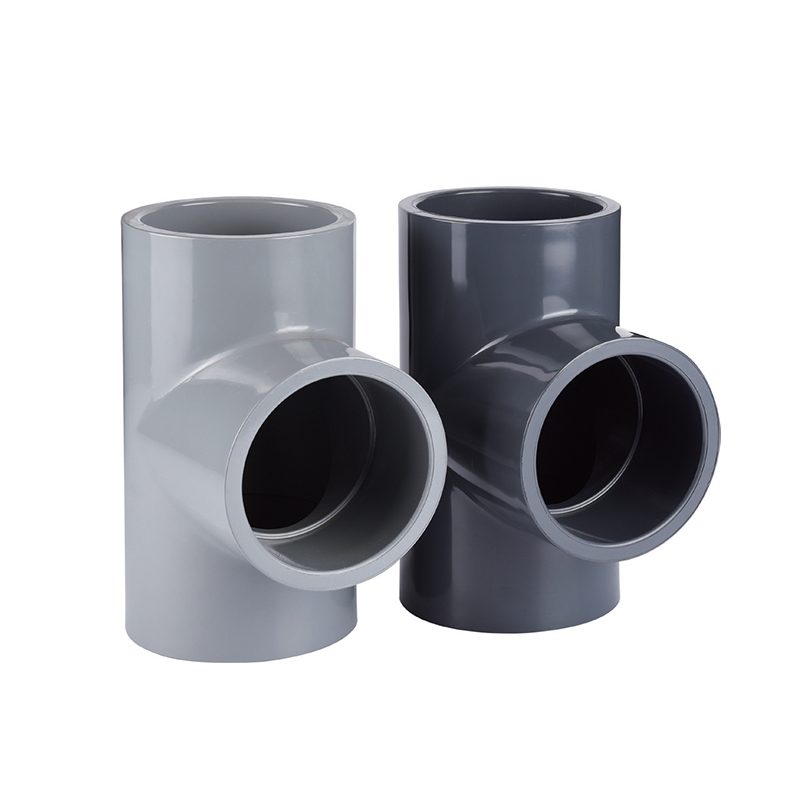 Custom SCH8O/DIN UPVC/CPVC Tee For Food Industry/Automotive/Electronic SuppliersZheyi Pipeline (Wuhan) Co., Ltd. Is China Custom SCH8O/DIN UPVC/CPVC Tee For Food Industry/Automotive/Electronic Suppliers, Factory, Manu...View Product →
Buy From a Supplier That Coordinates Pipe, Fittings, and Valves
Temperature resistance has to be consistent across the full line. If the pipe is rated for 80°C but the tees and ball valves are rated for a lower temperature, the system is only as strong as the weakest component. As a manufacturer of CPVC pressure pipes, fittings, and valves, ZHEYI evaluates these products together so that the pressure-temperature envelope is not a collection of mismatched assumptions.
Final Takeaway
Temperature resistance is not a single property of CPVC fittings. It is a pressure-dependent curve that affects mechanical strength, joint integrity, thermal expansion, and valve behavior. The safest approach is to design the entire hot-fluid system around the lowest rated component, allow for movement and cure time, and use manufacturer data instead of generic material claims. When you do that, CPVC fittings are a dependable solution for hot corrosive industrial service.
 +86-15258772971
 dinys009@163.com
 English
 한국어
한국어 Español
 عربى
عربى