What Schedule 80 Means for CPVC Fittings
Schedule 80 is a wall-thickness designation, not a material grade. For a given nominal pipe size, it defines a thicker wall than Schedule 40 while keeping the same outside diameter. That distinction matters because Schedule 80 CPVC fittings are not simply heavier versions of a generic CPVC part. They are dimensioned, pressure-rated, and certified against a specific set of standards, and those standards determine whether the fitting will survive the service conditions you actually have.
When a wall is thicker, the pressure rating increases at room temperature, but the outside diameter still has to match the pipe. That is why a 2-inch Schedule 80 CPVC fitting still fits a 2-inch CPVC pipe at the socket. The material is simply thicker around the joint. The trade-off is a smaller inside bore, which must be accounted for in flow calculations. If you are replacing a Schedule 40 system component by component, the lower flow area of Schedule 80 can change head loss across the line.
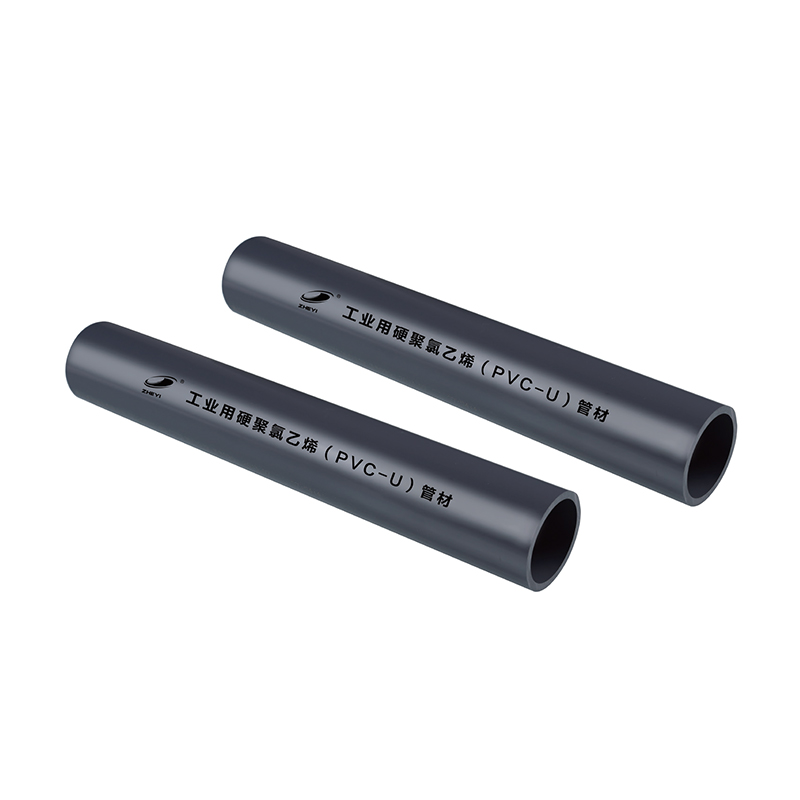
On the pipe side, the same logic applies: Schedule 80 CPVC pressure pipes are dimensionally matched to Schedule 80 fittings. When pipe and fittings come from the same manufacturing program, you also avoid the small tolerance mismatches in socket depth and wall thickness that can turn a straightforward solvent-cement joint into a field problem.
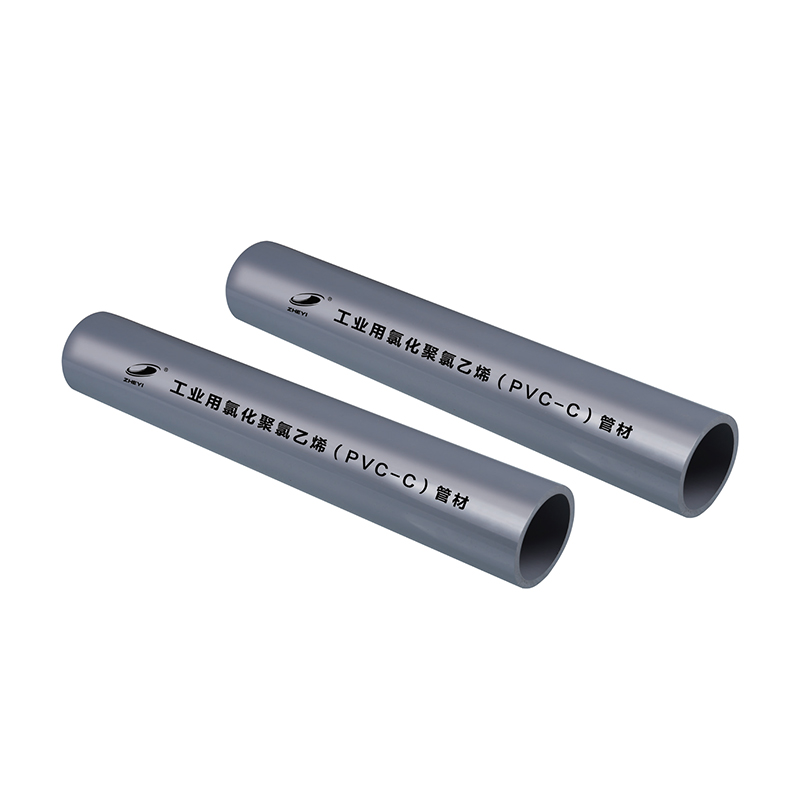 Custom CPVC Pipe pressure For Food Industry/Automotive/Electronic Suppliers, FacZheyi Pipeline (Wuhan) Co., Ltd. Is China Custom CPVC Pipe pressure For Food Industry/Automotive/Electronic Suppliers, Factory, Manufactu...View Product →
The Standards That Define Schedule 80 CPVC Fittings
Four standards do most of the work when a Schedule 80 CPVC fitting is produced, inspected, and certified. Knowing them helps you ask better questions before purchase and verify that what arrives on site matches the specification.
Key CPVC standards used in Schedule 80 pipe and fitting production and certification.
| Standard |
Scope |
Why it matters |
| ASTM F439 |
Socket-type Schedule 80 CPVC pipe fittings |
Sets socket depth, wall thickness, and physical performance requirements for solvent-cement joints. |
| ASTM F437 |
Threaded Schedule 80 CPVC pipe fittings |
Defines the wall thickness and thread requirements for NPT threaded fittings. |
| ASTM F441 |
CPVC pipe in Schedules 40 and 80 |
Covers pipe dimensions, pressure ratings, and marking requirements for the pipe that these fittings join. |
| ASTM D1784 |
Rigid PVC and CPVC compounds |
Classifies the CPVC material itself, usually by cell class 23447 for industrial CPVC. |
| NSF/ANSI 61 |
Drinking water system components |
Certifies that CPVC fittings contacting potable water meet health-effect limits. |
| ISO 15493 |
Plastic piping systems for industrial applications |
Provides an international framework for CPVC components used in chemical and industrial service. |
Socket-Type Fittings Follow ASTM F439
Socket depth is the part of the fitting most people overlook. A shallow socket reduces the bonded surface area, which lowers pullout resistance. An oversized socket leaves an uneven cement gap, which weakens the joint. ASTM F439 addresses these dimensions so that a fitting marked as Schedule 80 CPVC provides the wall thickness and socket geometry the pipe needs.
Threaded Fittings Follow ASTM F437
Threaded Schedule 80 CPVC fittings need enough material at the thread root to resist cracking during assembly and thermal cycling. ASTM F437 covers the wall thickness and thread dimensions for NPT connections. Threads create stress concentration, so a threaded fitting should be treated as a separate design element rather than assumed to match the rating of a socket-type fitting of the same size.
For direction changes, the safest route is to use a molded Schedule 80 CPVC 90-degree elbow rather than heating and bending pipe in the field. The molded part keeps wall thickness consistent through the turn, which is difficult to guarantee with a heat-bent section.
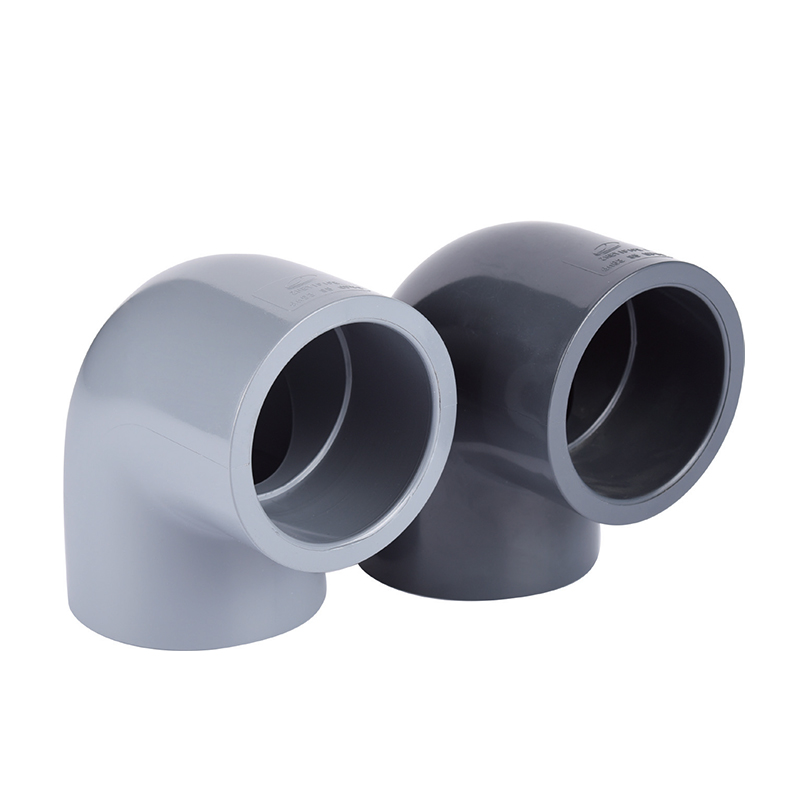 Custom SCH8O/DIN UPVC/CPVC 90° Elbow For Food Industry/Automotive/Electronic SupZheyi Pipeline (Wuhan) Co., Ltd. Is China Custom SCH8O/DIN UPVC/CPVC 90° Elbow For Food Industry/Automotive/Electronic Suppliers, Factory...View Product →
The Pressure Rating Changes With Temperature
Most CPVC pressure ratings are published at 73°F. That number is useful as a reference point, but it is not the working pressure of a system running at 160°F or 180°F. Above 73°F, chlorinated polyvinyl chloride loses allowable stress, and the fitting rating drops. The exact reduction depends on the material compound, the wall thickness, and the fitting geometry.
Schedule 80 alone does not set one universal pressure rating. A socket fitting and a threaded fitting of the same size can have different allowable service pressures. Threaded ends are usually the more conservative part because the thread removes material and creates sharp notches. When engineers ask whether they can move from Schedule 40 to Schedule 80, the first thing we check is not the visible wall thickness; it is the temperature-adjusted rating. The detailed comparison in our Schedule 40 vs Schedule 80 CPVC fitting pressure ratings article explains where the practical limit moves.
Derating Is a Design Step, Not a Field Adjustment
Derating should be applied during component selection, not discovered after a pressure test fails. If the line operates at 140°F, the allowable working pressure at that temperature is the rating that should appear on the fitting, valve, and pipe datasheets before you approve the order. The same logic applies to surge pressure and cyclic loading. For a practical walkthrough of how to make these calculations, refer to our CPVC fitting pressure rating and temperature derating guide.
Schedule Does Not Substitute for Chemical Compatibility
Schedule 80 answers a mechanical question: is the wall thick enough? It does not answer the chemical question. CPVC resists many acids, oxidizers, and industrial liquids, but every chemical has a temperature and concentration limit. A concentrated solvent at elevated temperature can attack a fitting even when the wall thickness is correctly rated for pressure. The material certificate and a compatibility check should always accompany the dimensional standard.
Installation and Joint Design: Where Fittings Actually Fail
A Schedule 80 CPVC fitting that meets ASTM F439 can still fail if the joint is assembled incorrectly. Joint design is part of the specification, and it deserves the same attention as wall thickness and pressure rating.
Solvent-Cement Joints
CPVC fittings must be joined with CPVC-compatible solvent cement, not ordinary PVC cement. The fit between the pipe outside diameter and the socket inside diameter controls the cement gap. If the gap is too tight, the cement layer is too thin. If it is too loose, the bond may not form completely. Cure time is temperature-dependent, so scheduling a pressure test based on the cement can label instead of the actual shop temperature is a common mistake. Our solvent cement cure time guide covers the practical ranges you need before putting the line under pressure.
Threaded Joints
Threaded Schedule 80 CPVC fittings are less forgiving than socket connections. Use PTFE tape or a sealant specifically rated for CPVC, make the joint by hand plus a moderate wrench turn, and avoid over-tightening. Over-tightening is the leading cause of cracked threaded fittings during commissioning, especially when a metal backup wrench is applied directly to the body.
On long solvent-cemented lines, maintenance access can become a problem if the pipe has no break point. Installing a Schedule 80 CPVC union near valves, instruments, and equipment connections lets future work open the line without cutting out the surrounding sockets.
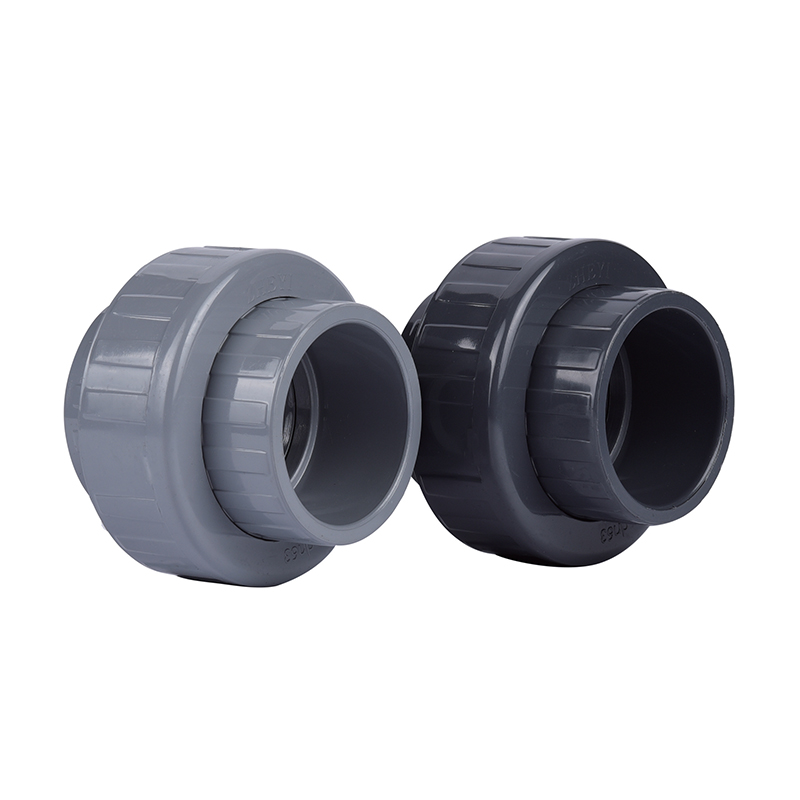 Custom SCH8O/DIN UPVC/CPVC Ⅰ Union For Food Industry/Automotive/Electronic SupplZheyi Pipeline (Wuhan) Co., Ltd. Is China Custom SCH8O/DIN UPVC/CPVC Ⅰ Union For Food Industry/Automotive/Electronic Suppliers, Factory, ...View Product →
Practical Checks Before You Buy
When you are ready to source Schedule 80 CPVC fittings, use the standard designation as the starting point for verification, not the final answer. These checks take only a few minutes and can prevent the most common specification errors.
- Confirm the standard printed on the fitting or stated in the certificate. A fitting marked only with “Schedule 80 CPVC” is underdocumented.
- Request the material certificate and confirm the ASTM D1784 cell class. For CPVC, cell class 23447 is a common industrial designation.
- Check the pressure-temperature rating at your maximum operating temperature, not just at the 73°F reference point.
- Measure the pipe outside diameter and the fitting socket depth if you are mixing components from different sources. The dimensional standard is easy to verify before installation.
- For threaded fittings, confirm NPT thread form and keep the mating pipe and fitting in the same tolerance system.
Schedule 80 CPVC fittings are not complicated to specify when you stop treating the schedule as the complete specification. The material grade, standard, dimensional tolerances, pressure-temperature rating, and joint design all have to agree. Once those elements are aligned, the fittings go in cleanly and stay in service for a long time.
 +86-15258772971
 dinys009@163.com

 English
 한국어
한국어 Español
 عربى
عربى