Why Some CPVC Fittings Last for Decades While Others Crack Early
Most CPVC fittings do not fail because the material is defective. They fail because one or more operating limits were crossed somewhere in the system. A 3/4-inch Schedule 80 CPVC elbow can stay in service for decades in a hot chemical line, while the same fitting can crack within a year if the solvent-cement bond is weak, the system has repeated water hammer, or the pressure rating is used without temperature derating.
That is the central point: CPVC fitting durability is not a single number. It is the result of material quality, thermal and pressure conditions, chemical compatibility, installation accuracy, and mechanical support. The fitting is only as durable as the weakest of those factors.
Primary Factors Affecting CPVC Fitting Durability
Primary durability factors and how they affect CPVC fittings
| Factor |
What it controls |
Typical failure mode |
| Temperature |
Long-term hydrostatic strength, softening, creep |
Cracking or deformation at joints when the rating is based on room temperature instead of service temperature |
| Pressure and surges |
Hoop stress and fatigue life |
Rupture or stress cracks after repeated pressure spikes |
| Chemical exposure |
Resistance to softening, swelling, and attack |
Crazing, surface cracking, or swelling in an incompatible fluid |
| Joint quality |
Strength of the solvent-cement bond and stress concentration |
Leaks or cracks at socket ends, often months after installation |
| Mechanical support |
Vibration, bending, and thermal expansion control |
Fatigue cracks at elbows, threads, and valve connections |
Temperature: More Than a Maximum Number
CPVC is often specified because it handles higher temperatures than UPVC. That advantage is real, but it creates a common mistake: assuming the room-temperature pressure rating still applies at 180°F. It does not. The pressure capacity of CPVC fittings decreases as temperature rises. For practical values, check the pressure and temperature derating for CPVC fittings before finalizing the design. The derating values vary by wall thickness, pipe size, and standard, so use the table for the exact product.
Continuous operation near the upper temperature limit also increases creep. CPVC slowly deforms under sustained load, especially at threaded connections and flanged joints. Thermal cycling adds another concern. CPVC expands more than metal, and a long line that is fixed too tightly transfers that movement into elbows and socket joints. The pipe should be allowed to absorb movement through expansion loops or directional changes before stress reaches a fitting.
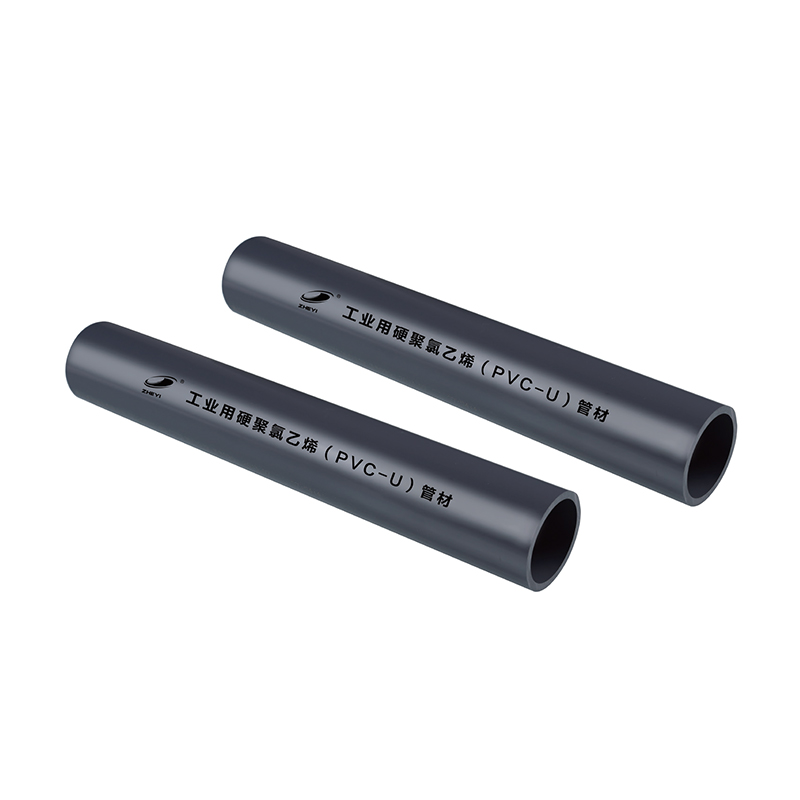
A predictable system starts with pipe and fittings from the same engineered family. A CPVC pressure pipe with documented ratings removes one variable and makes the thermal and pressure calculation more reliable.
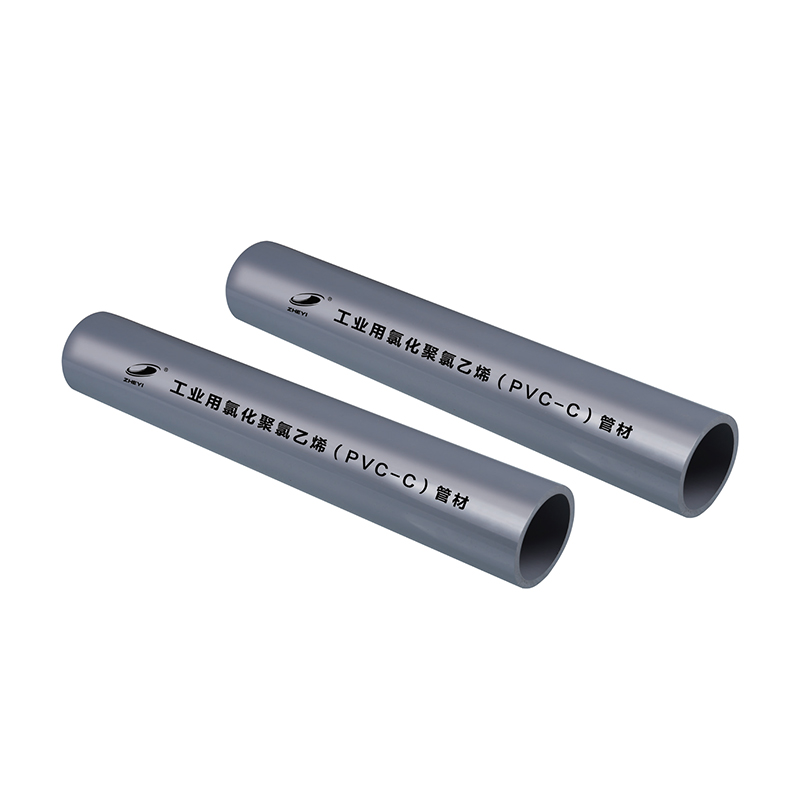 Custom CPVC Pipe pressure For Food Industry/Automotive/Electronic Suppliers, FacZheyi Pipeline (Wuhan) Co., Ltd. Is China Custom CPVC Pipe pressure For Food Industry/Automotive/Electronic Suppliers, Factory, Manufactu...View Product →
Pressure, Surge, and Fatigue
Most pressure calculations are done for steady-state conditions, and that is often where durability problems begin. The static pressure may be within the rating, but a quick-closing valve or a starting pump creates a pressure spike. CPVC fittings are not immune to fatigue. Over time, repeated spikes can initiate cracks at socket bonds, thread roots, or sharp changes in direction. A fitting can survive one surge and fail after thousands of smaller surges.
When calculating durability, include the highest transient pressure and the frequency of the event. If the system has frequent pump starts, consider a slower valve or a surge-absorbing arrangement. This matters more in industrial lines where pressure variations are a normal part of operation rather than a rare emergency.
Chemical Exposure: Concentration, Temperature, and Time
CPVC resists a broad range of acids, alkalis, and salt solutions. But the word "resistant" can be misleading if it is quoted without a concentration and temperature. A fitting that is compatible with a 10% acidic solution at 25°C may not be compatible with the same solution at 70°C. Oxidizing acids, aromatic hydrocarbons, and some solvents can soften or craze CPVC.
Chemical compatibility should therefore be verified for the actual process fluid and the actual worst-case temperature. This applies not only to the pipe and fittings but also to elastomeric seals in valves and unions, which may have a lower chemical limit than the CPVC body.
Installation Quality Decides the Practical Service Life
Although the material itself is strong, the durability of a CPVC system is usually decided during installation. Three areas account for most premature failures: solvent-cement joints, insufficient support, and uncontrolled thermal movement.
Solvent Cement Joints Are the Weak Point
A solvent-cement joint depends on surface preparation, the correct cement grade, proper insertion depth, and enough cure time. If the pipe is not fully seated, if the cement dries too quickly, or if the line is pressurized before the bond reaches sufficient strength, the joint can leak or crack weeks later. For assembly and testing times, refer to the solvent cement cure time guide. In cold or humid conditions, cure time must be increased.
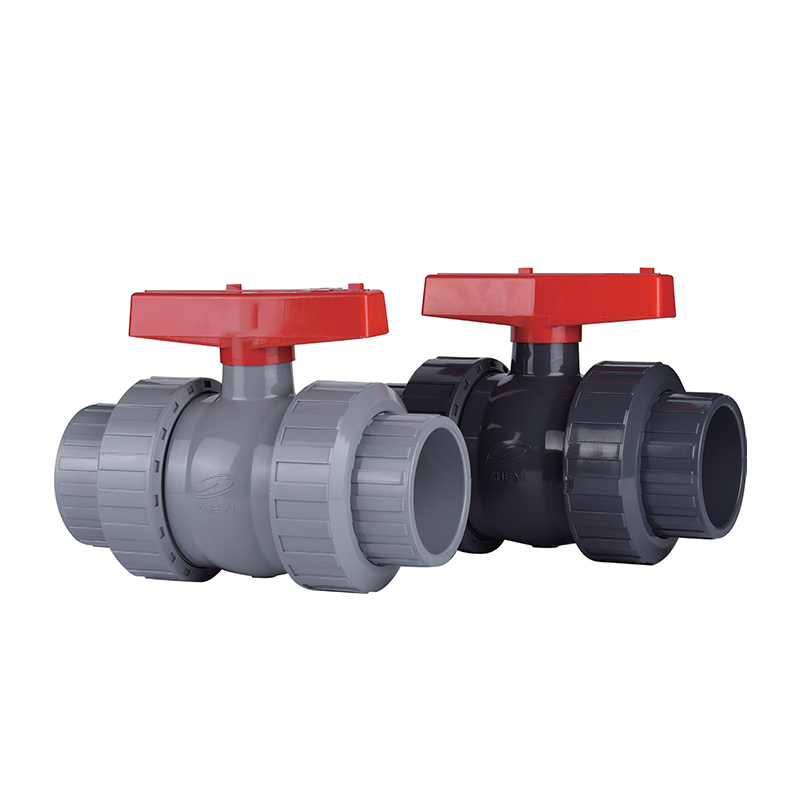
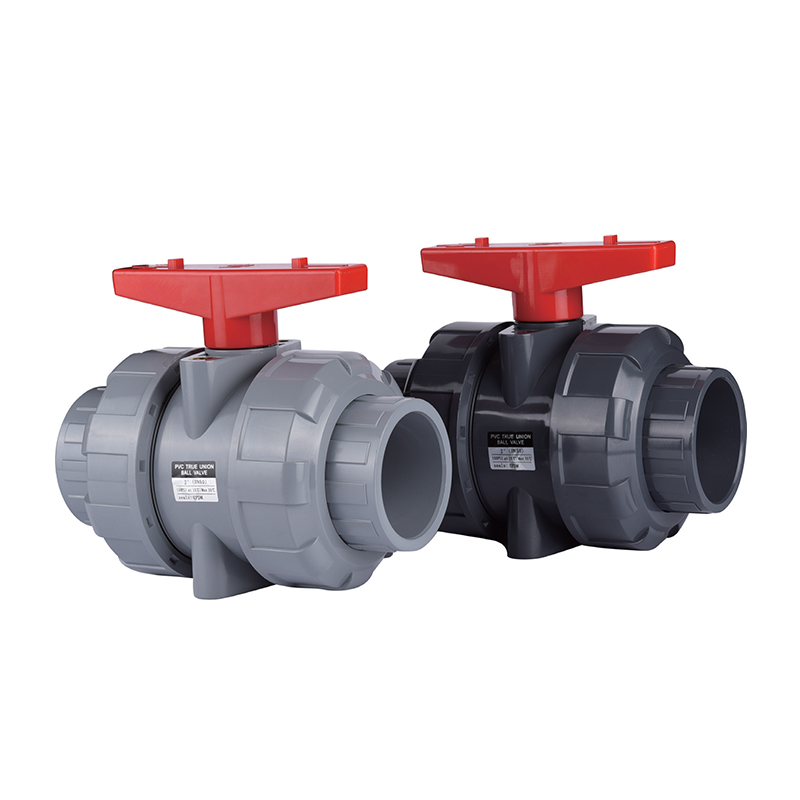
Where lines must be dismantled for inspection, cleaning, or filter replacement, a rigid permanent joint creates a maintenance problem. Pulling on a Piping system to open a connection can stress nearby fittings. In these positions, a true union CPVC fitting provides a clean separation point and keeps maintenance work from bending adjacent joints.
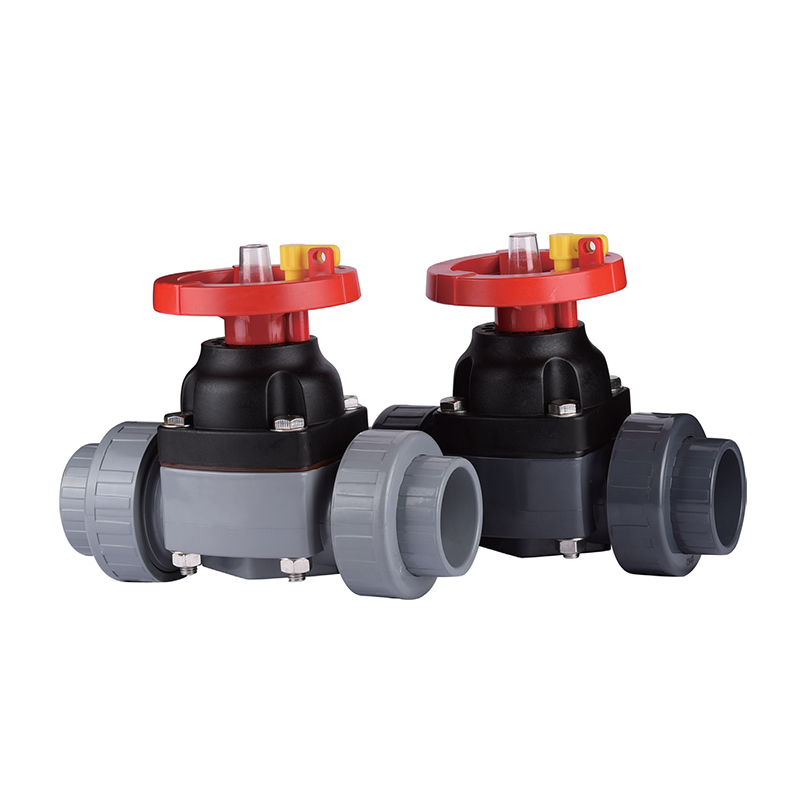
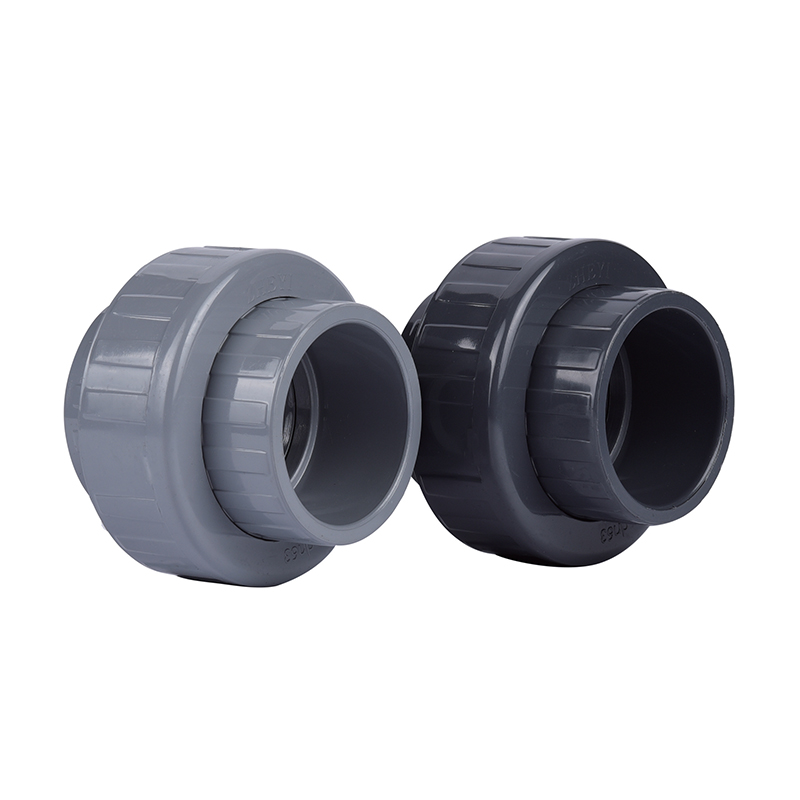 Custom SCH8O/DIN UPVC/CPVC Ⅰ Union For Food Industry/Automotive/Electronic SupplZheyi Pipeline (Wuhan) Co., Ltd. Is China Custom SCH8O/DIN UPVC/CPVC Ⅰ Union For Food Industry/Automotive/Electronic Suppliers, Factory, ...View Product →
Mechanical Support and Thermal Movement
CPVC expands significantly more than steel. A long horizontal line can change length noticeably with temperature; if that movement is stopped by a rigid fitting, the fitting carries the load. Anchors and guides should direct movement into bends, loops, or expansion arrangements. Heavy components such as valves and filters also need dedicated support. A heavy valve hanging on a small socket elbow creates a bending moment that the elbow was never designed to bear.
Vibration from pumps has the same effect: cyclic loading causes fatigue at joints until a crack forms. Use a CPVC pipe support system to hold the pipe firmly without crushing it. For support spacing, joint preparation, and testing procedures, follow the CPVC pipe fitting installation guide as a practical reference.
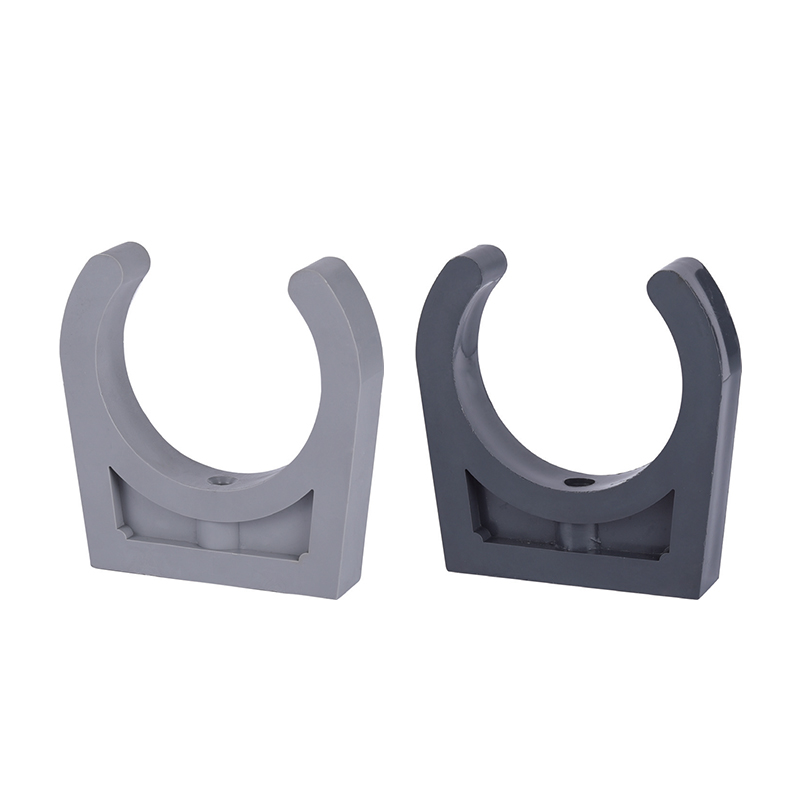 Custom SCH8O/DIN UPVC/CPVC Pipe Support For Food Industry/Automotive/Electronic Zheyi Pipeline (Wuhan) Co., Ltd. Is China Custom SCH8O/DIN UPVC/CPVC Pipe Support For Food Industry/Automotive/Electronic Suppliers, Fact...View Product →
Material Quality, Standards, and Traceability
The durability of a CPVC fitting starts with the compound and the manufacturing process. Low-cost fittings can look identical but have uneven wall thickness, shallow sockets, or inconsistent melt flow. Those defects weaken the joint and reduce the margin against pressure spikes. A durable fitting is made with a controlled CPVC compound, consistent dimensions, and a socket depth that matches the pipe size.
Standards are a practical shortcut. Fittings produced to DIN or ANSI series have defined dimensions, pressure ratings, and testing requirements. When a project uses one standard consistently, installation is more predictable and replacement parts are easier to source. Ask the supplier which standard the product is made to and what quality checks are performed. This is especially important in industrial lines where unplanned downtime costs far more than the fitting itself.
CPVC Fitting Durability Checklist
- Derate the pressure rating at the maximum service temperature, including occasional excursions.
- Confirm chemical compatibility at the actual concentration and temperature, not just with a generic resistance table.
- Prepare and cure solvent-cement joints exactly as the cement and fitting manufacturer prescribe.
- Support pipes near heavy components and allow thermal expansion to be absorbed by the system design.
- Source CPVC fittings from a manufacturer with documented standards, controlled dimensions, and traceable material.
CPVC fittings can deliver an exceptionally long service life. The difference between a short-lived system and a durable one is rarely luck; it is the discipline of matching the fitting to temperature, pressure, chemical, and installation reality.
 +86-15258772971
 dinys009@163.com
 English
 한국어
한국어 Español
 عربى
عربى