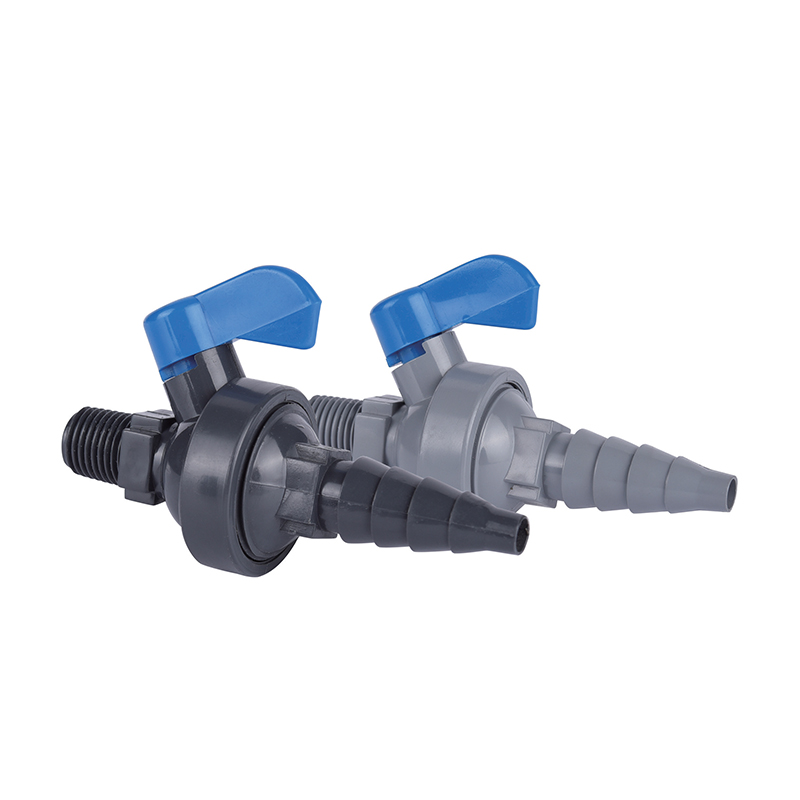
Chemical/Lithium UPVC/CPVC Valve(DIN/ANSI) Manufacturers
As a Chemical/Lithium UPVC/CPVC Valve(DIN/ANSI) Manufacturers, Zheyi Pipeline (Wuhan) Co., Ltd. engineers a full range of thermoplastic valves for aggressive chemical, lithium battery, and high-purity water systems. Our UPVC/CPVC valve line includes ball, diaphragm, butterfly, check, and specialty valves, all available in DIN and ANSI configurations to integrate with global piping standards.
Since 2007, we have focused on non-metallic pressure piping, operating two manufacturing bases in China with advanced technology from Germany and America. Our valves are used in chemical processing, metallurgy, photovoltaic, nuclear power, lithium, electronics, food, and water treatment, handling acids, alkalis, ultrapure water, and industrial wastewater.
Our Valve Range and Application Fit
We offer a complete selection of valve types, each designed for specific flow control and isolation needs. The table below summarizes our standard range and typical service conditions.
| Valve Type |
Size Range (DN) |
Pressure Rating |
Temperature Range |
Typical Applications |
| One-piece Flange Ball Valve |
DN15–DN150 |
PN10/PN16 |
UPVC: 0–60°C
CPVC: 0–93°C |
Chemical dosing, ultrapure water, semiconductor wet benches |
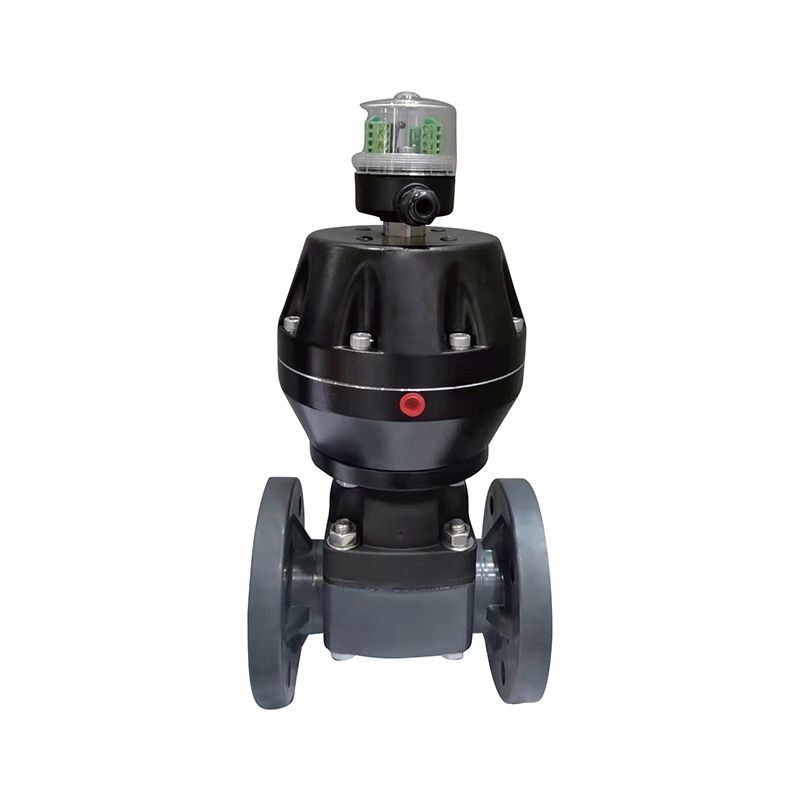
| Flanged Diaphragm Valve |
DN25–DN125 |
PN10/PN16 |
UPVC: 0–60°C
CPVC: 0–93°C |
Corrosive liquids, wastewater, food processing |
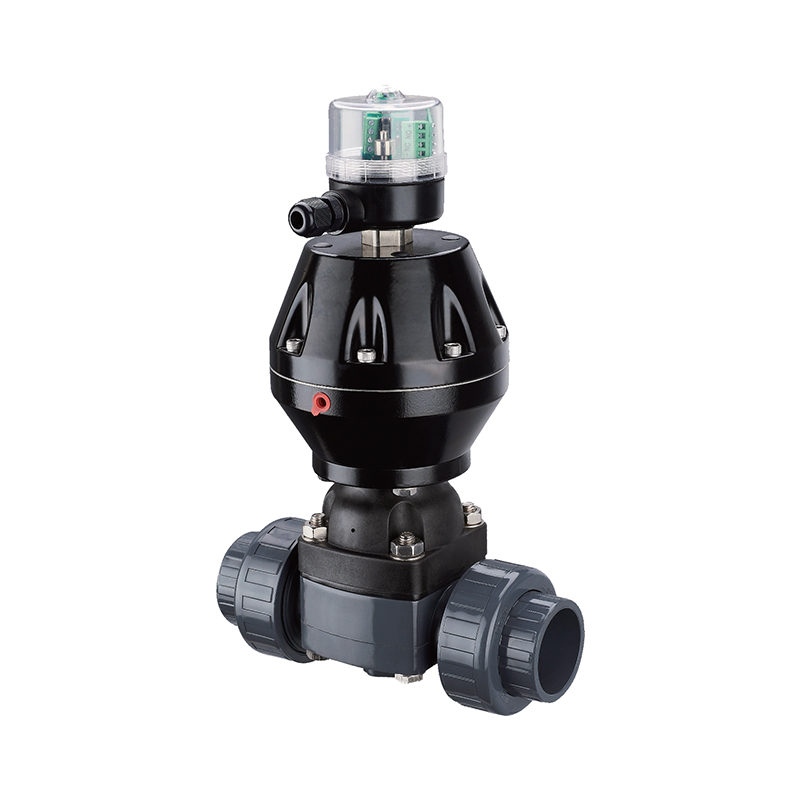
| Union Diaphragm Valve |
DN15–DN100 |
PN10/PN16 |
UPVC: 0–60°C
CPVC: 0–93°C |
Pharmaceutical, food, high-purity processes |
| Ball Valve (Type I & II) |
DN15–DN100 |
PN10/PN16 |
UPVC: 0–60°C
CPVC: 0–93°C |
General chemical, water supply, irrigation |
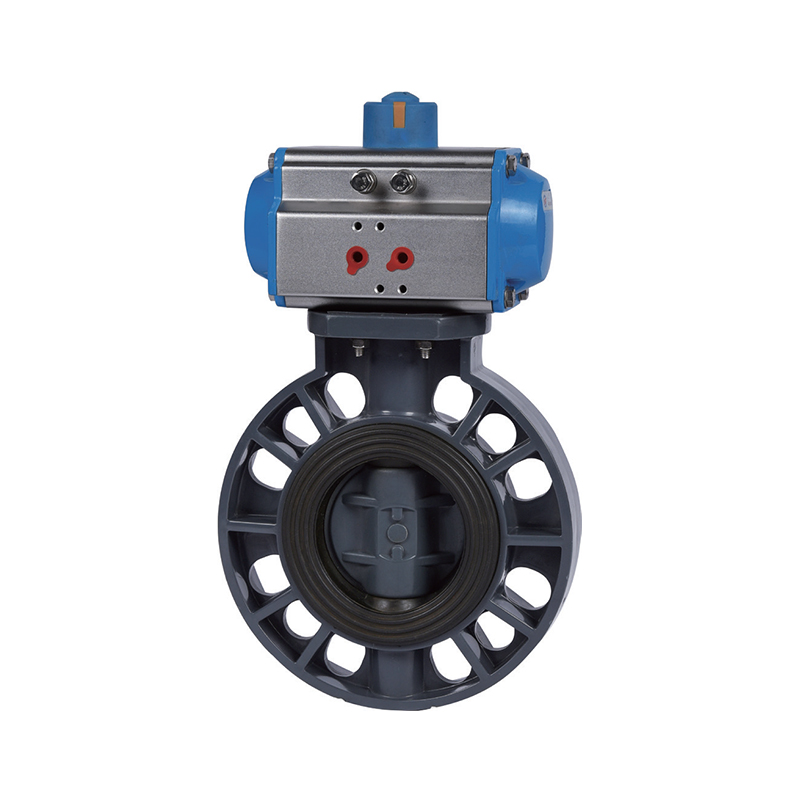
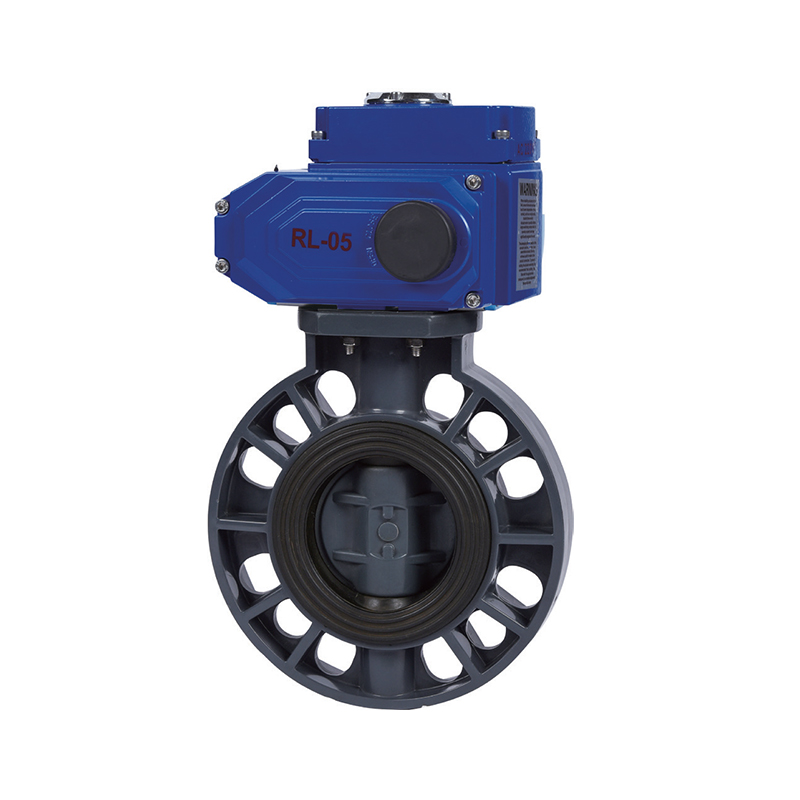
| Butterfly Valve (Handle/Gear) |
DN50–DN300 |
PN10 |
UPVC: 0–60°C
CPVC: 0–93°C |
Large-diameter water treatment, cooling water |
| Check Valves (Ball/Swing) |
DN15–DN150 |
PN10 |
UPVC: 0–60°C
CPVC: 0–93°C |
Prevent backflow in chemical lines |
| Bottom Valve, Static Mixer, Basket Filter |
Custom |
PN10 |
UPVC/CPVC |
Tank outlet, in-line mixing, filtration |
Material Selection: UPVC vs. CPVC
Choosing the right body material is critical for long service life. Our valves are available in UPVC and CPVC, each with distinct performance windows.
- UPVC – Excellent acid/alkali resistance (pH 2–12), suitable for temperatures up to 60°C. Ideal for water treatment, irrigation, and general chemical handling.
- CPVC – Enhanced temperature resistance up to 93°C and broader chemical compatibility (pH 1–14). Recommended for hot corrosive media, chlorinated chemicals, and high-purity applications.
Both materials are lightweight, corrosion-resistant, and require minimal maintenance compared to metal valves. We also offer diaphragm materials such as EPDM, PTFE, FKM, and CSM to match your media.
Engineering and Customization
We understand that each project has unique requirements. Our engineering team can customize valve dimensions, end connections, actuators, and materials to fit your existing piping system. Whether you need a standard DIN flange valve or an ANSI-specified unit, we can produce to your drawings or our standard designs.
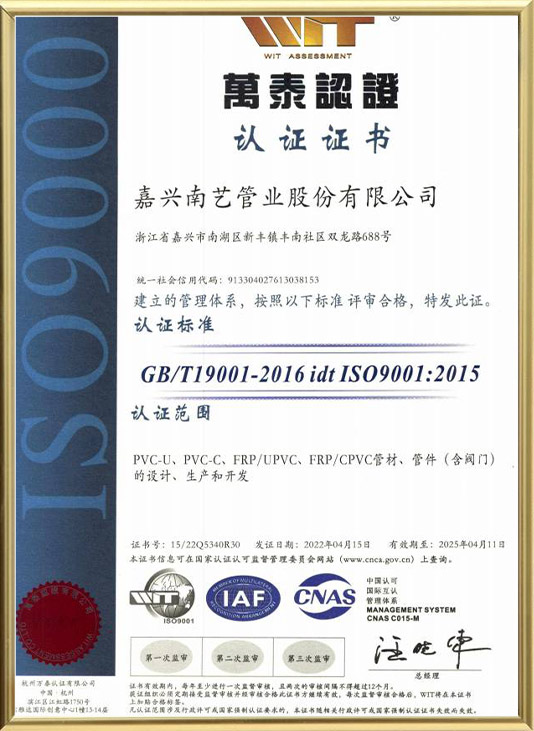
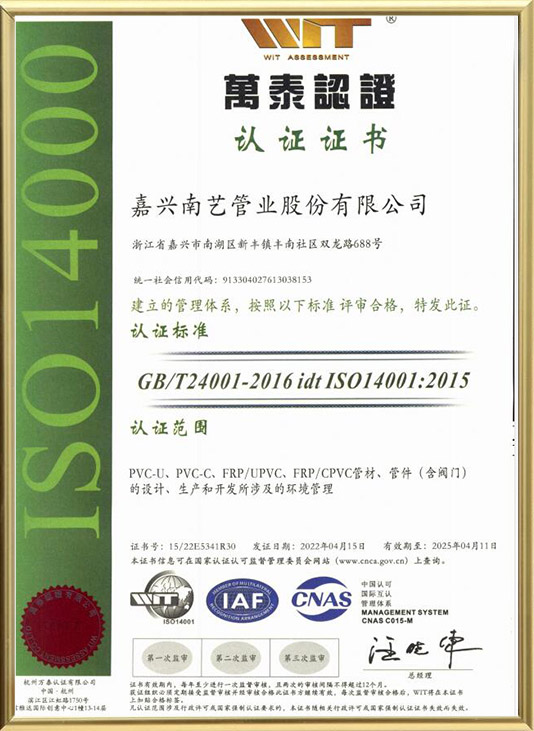
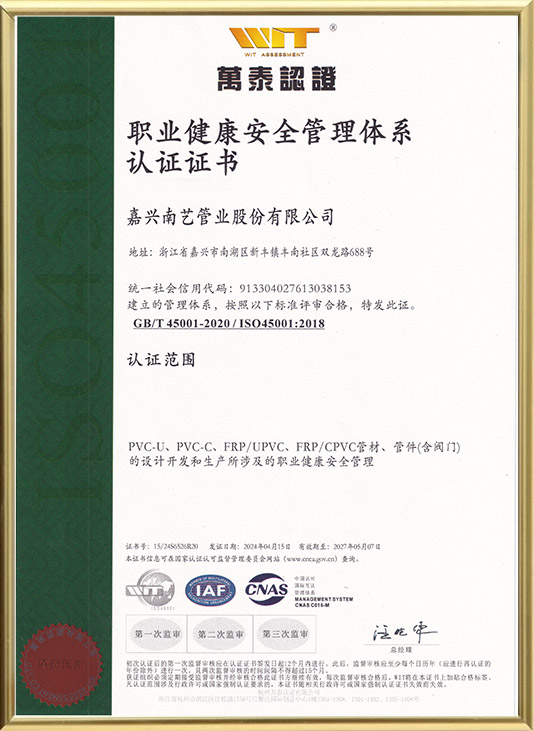
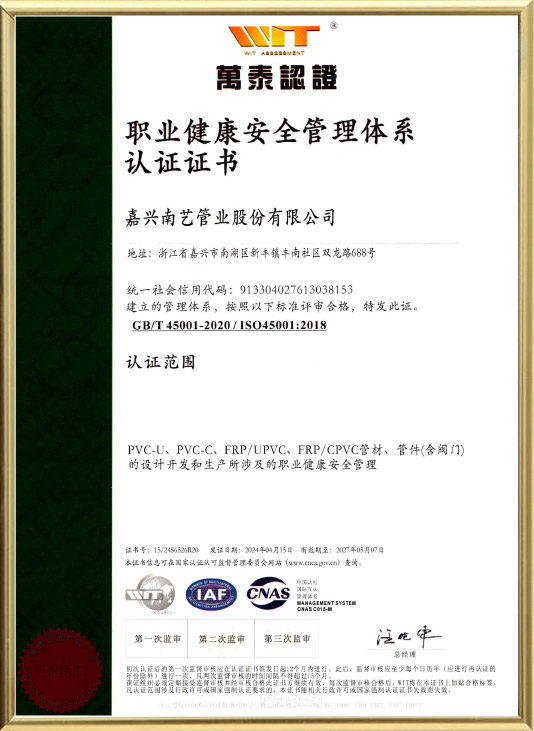
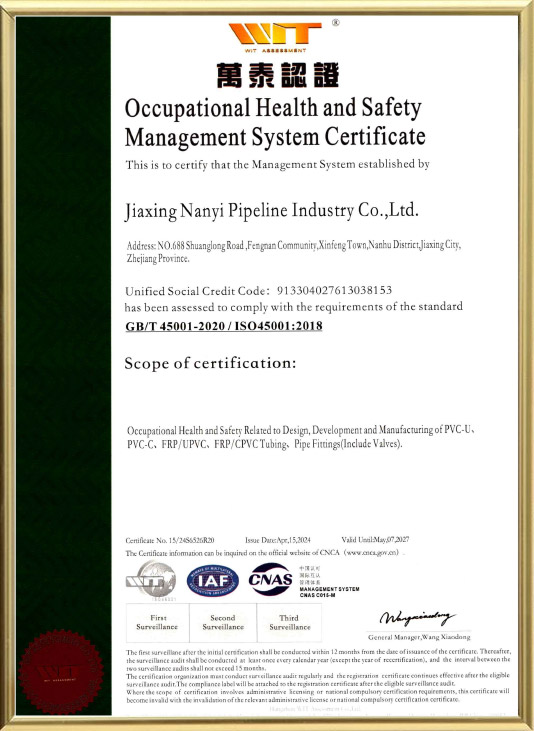
Our manufacturing process includes precision injection molding and rigorous quality checks. We hold ISO 9001, ISO 14001, and ISO 45001 certifications, and our products comply with DIN, ISO, and ASTM standards. Each valve undergoes hydrostatic shell testing and seat leakage testing before shipment.
Automation and Integration
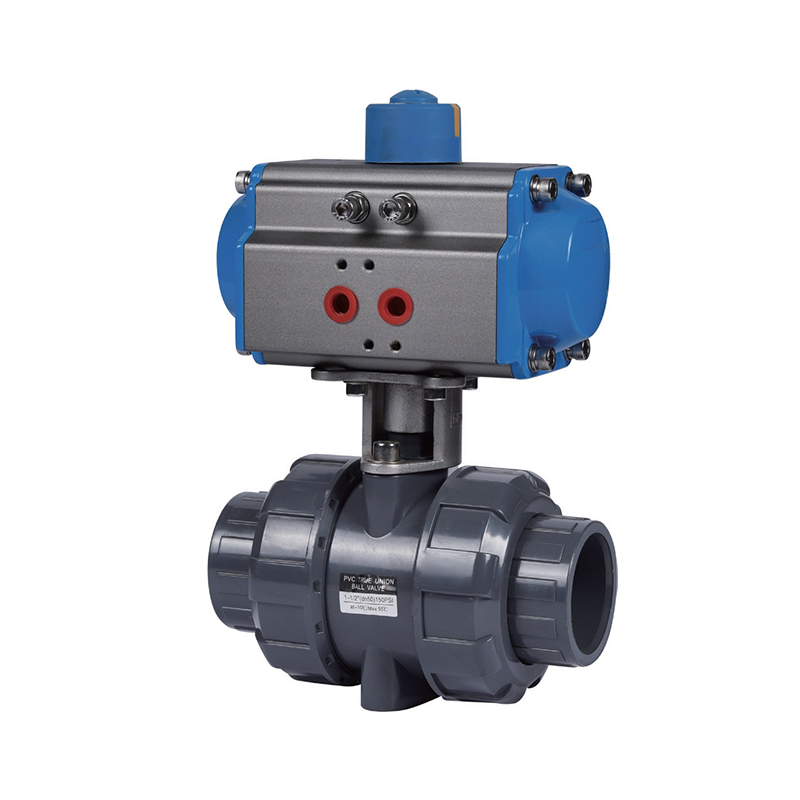
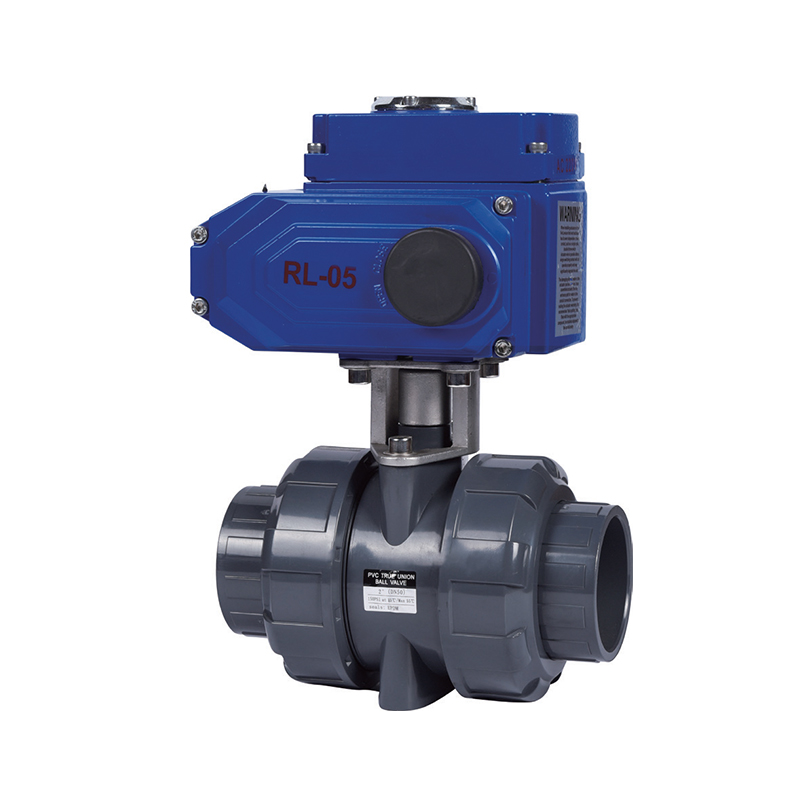
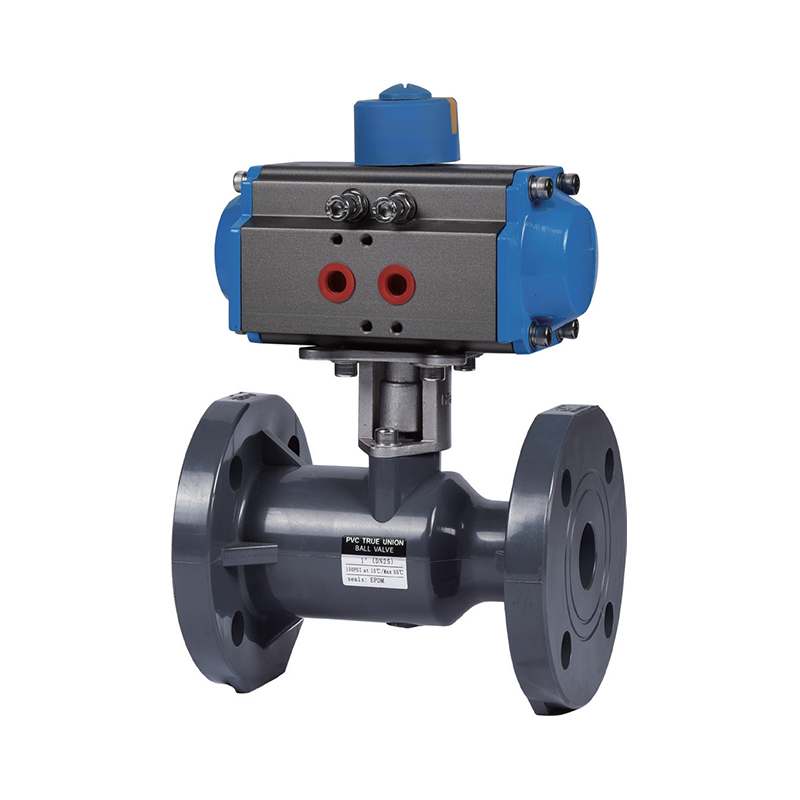
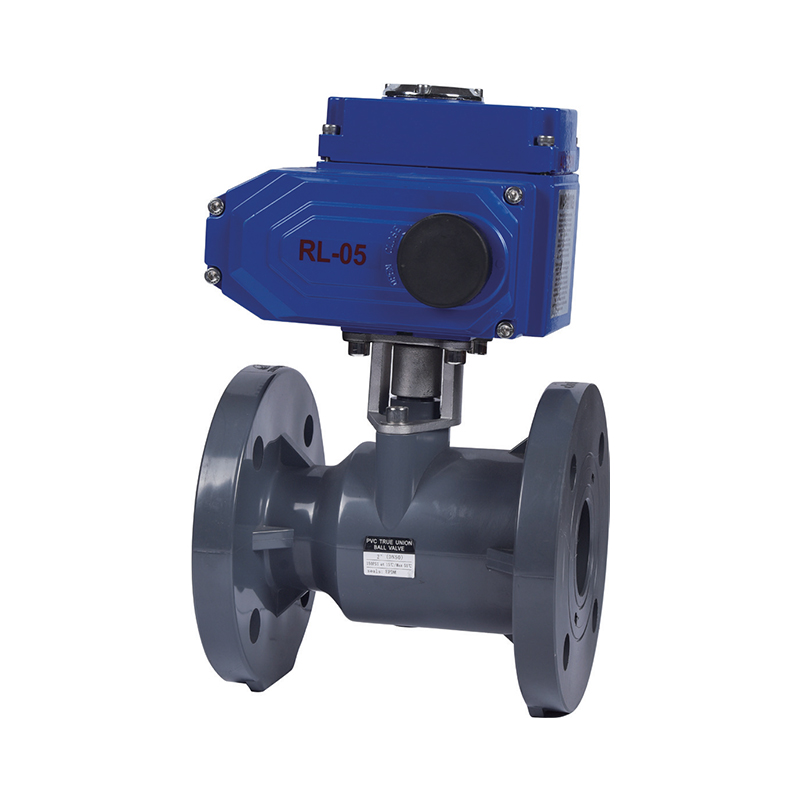
For remote or automated control, we offer pneumatic and electric actuators on most valve types. Our flanged diaphragm and ball valves can be fitted with actuators for on/off or modulating service. We provide actuator sizing based on torque requirements and can integrate position feedback for your control system.
When preparing your proposal, we consider the following:
- Required flow rate and pressure drop
- Media type, concentration, and temperature
- Pipe size and end connection standard (DIN/ANSI/JIS)
- Actuation method (manual, pneumatic, electric)
- Installation environment (indoor/outdoor, UV exposure)
Quality Assurance and Testing
Our factory performs a range of tests to ensure product reliability:
- Density and Vicat softening temperature tests
- Oven aging tests for heat resistance
- Hydrostatic pressure tests up to 1.5 × PN
- Drop hammer impact tests for mechanical strength
Each valve is individually inspected for dimensional accuracy and surface finish. We maintain traceability from raw material to final product.
Installation and Maintenance Support
We provide installation guidelines and technical documentation with every order. Our valves are designed for easy installation and low maintenance. For diaphragm valves, we recommend periodic diaphragm replacement (typically every 2 years or 50,000 cycles) to ensure optimal performance. Our team is available to assist with troubleshooting and spare parts.
Information We Use to Configure Your Solution
To prepare an accurate quotation and technical proposal, please provide the following details:
| Project Input |
Why It Matters |
| Media and concentration |
Determines material compatibility (UPVC vs. CPVC, diaphragm type) |
| Operating temperature and pressure |
Ensures valve rating meets system conditions |
| Pipe size and connection standard |
Matches flange drilling or union ends to your piping |
| Flow control requirement |
Selects valve type (on/off, throttling, check) |
| Actuation preference |
Manual, pneumatic, or electric with control specs |
| Quantity and delivery schedule |
Affects production planning and logistics |
Frequently Asked Questions
What is the difference between UPVC and CPVC valves?
UPVC valves are suitable for temperatures up to 60°C and pH 2–12, while CPVC valves can handle up to 93°C and pH 1–14. CPVC is recommended for hot corrosive media and chlorinated chemicals.
Can you provide valves with ANSI flanges?
Yes, we manufacture valves with DIN, ANSI, and JIS flange drilling patterns. Please specify your required standard when requesting a quote.
Do you offer pneumatic or electric actuation?
We can fit our ball and diaphragm valves with pneumatic or electric actuators. Provide your control signal (on/off or 4-20mA) and supply voltage for proper sizing.
What is the lead time for custom valves?
Lead time depends on configuration and quantity. Standard valves are typically in stock, while custom orders may take 2-4 weeks. Contact us for current lead times.
How do you ensure valve quality?
Each valve is pressure-tested and inspected. Our factory is ISO 9001 certified, and we follow strict quality control procedures from raw material to final packaging.
 +86-15258772971
 dinys009@163.com
 English
 한국어
한국어 Español
 عربى
عربى