 +86-15258772971
 dinys009@163.com
 English
 한국어
한국어 Español
 عربى
عربى


SCH 80 UPVC Pipe vs SCH 40 UPVC Pipe: Key Differences Explai...
Two pipes can share the same outside diameter and still behave completely differently under pressure. A SCH 80 UPVC pipe carries a thicker wall than ...
Read more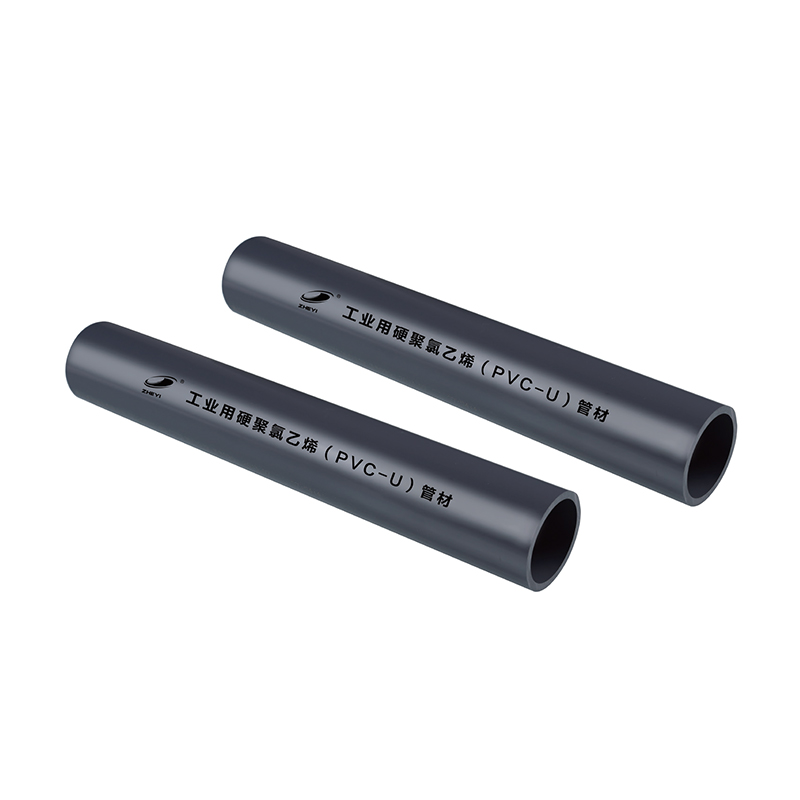
Two pipes can share the same outside diameter and still behave completely differently under pressure. A SCH 80 UPVC pipe carries a thicker wall than ...
Read more
Wrong pressure rating, wrong chemical compatibility, or wrong wall thickness — any one of these mistakes turns a piping project into a leak risk. SCH...
Read more
Chemical processors, water treatment operators, and industrial facilities specify SCH 80 UPVC pipe wherever a piping system needs to hold higher inte...
Read more
SCH 80 UPVC pipe is built with a thicker wall than SCH 40 pipe at the same outside diameter, which raises its pressure rating and makes it the standa...
Read more
Wall thickness is the single spec that separates a pipe rated for demanding industrial pressure from one meant for light residential use. SCH 80 UPVC...
Read more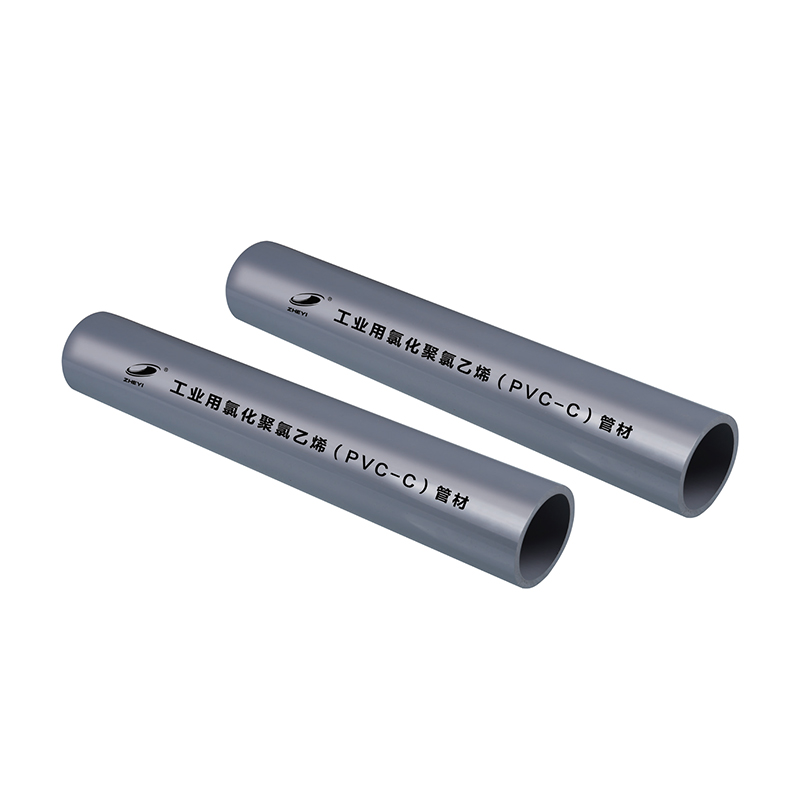
Piping failures in chemical and high-temperature systems rarely come from bad luck; they come from a pipe grade that was never matched to the actual ...
Read more
Metallurgical and steel processing environments combine elevated temperatures, corrosive process fluids, and demanding pressure conditions that quick...
Read more
Metallurgy plants operate in some of the most chemically aggressive environments in heavy industry — acid pickling lines, electroplating baths, slag ...
Read more
CPVC pipe for chemical industry applications is the thermoplastic piping standard where standard PVC fails — bridging the performance gap between low...
Read more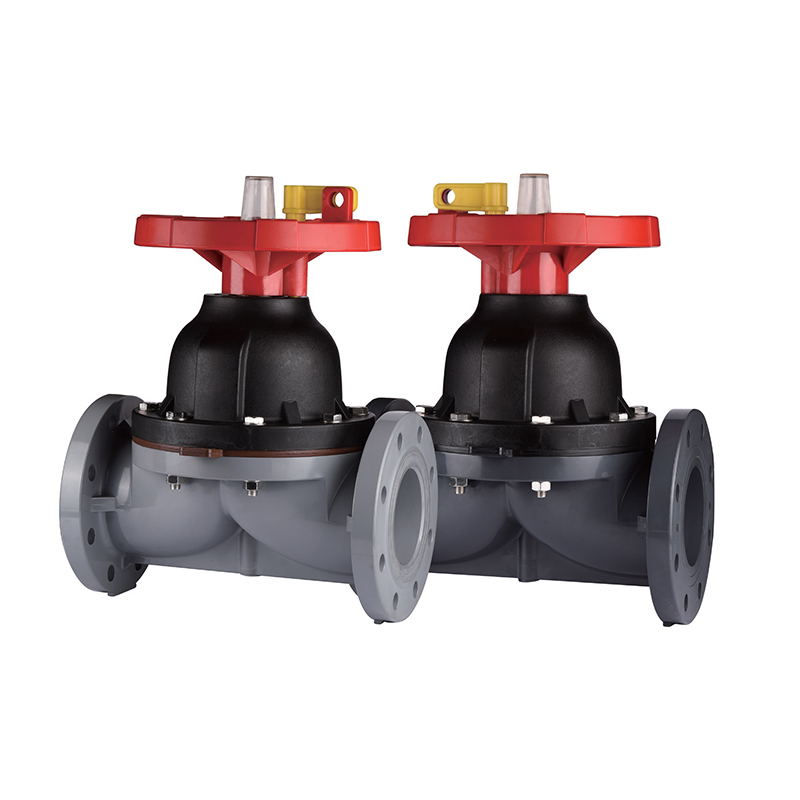
Selecting the wrong valve in a corrosive chemical system does not merely reduce performance — it causes catastrophic failure. Chemical UPVC/CPVC valv...
Read more
Expert Summary CPVC pipe is one of the most reliable thermoplastic piping materials available — rated to 93°C (200°F), handling pressures up to 4...
Read more
Engineering Core Verdict Yes, standard PVC pipes are fully safe for drinking water provided they carry the NSF/ANSI Standard 61 certification, which...
Read more


Jiaxing Nanyi Pipeline Industry Co., Ltd.
No. 688 Shuanglong Road, Xinfeng Town, Nanhu District, Jiaxing City, Zhejiang.
Tel: +86-15258772971
Email: dinys009@163.com
Zheyi Pipeline (Wuhan) Co., Ltd.
No.1 Fengqi Road, Lingkong Economic Park, Xiaogan City, Hubei.(adjacent to Tianhe Airport)
Tel: +86-15258772971
Web: http://www.zheyipipeline.com